Alfuzosin
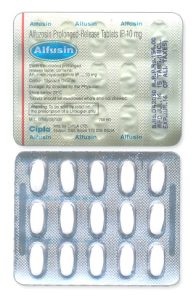
In brief
- In our pharmacy, you can buy alfuzosin without a prescription, with delivery across Australia in 9–21 days and discreet packaging; note that alfuzosin is classed as prescription‑only in many countries and should ideally be used under medical supervision.
- Alfuzosin is used to treat the functional symptoms of benign prostatic hyperplasia (BPH) in adult men (urinary frequency, urgency, nocturia, weak stream). It is an α1‑adrenergic blocker that relaxes smooth muscle in the prostate and bladder neck.
- The usual dose is one 10 mg prolonged‑release tablet once daily (historical 5 mg formulations exist but 10 mg ER is the standard marketed dose).
- Form of administration: oral prolonged‑release (extended‑release) tablet taken by mouth.
- Onset time: some pharmacological effects can occur within hours, and patients may notice symptomatic improvement within a few days; meaningful benefit often develops over 1–6 weeks.
- Duration of action: the extended‑release formulation provides effects for about 24 hours, supporting once‑daily dosing.
- Alcohol warning: avoid or limit alcohol while taking alfuzosin — alcohol can increase dizziness and the risk of low blood pressure or fainting, especially when starting treatment.
- The most common side effect is dizziness (related to lowering of blood pressure); other frequent effects include headache, fatigue and nasal congestion.
- Would you like to try alfuzosin without a prescription?
Basic Alfuzosin Information
- INN (International Nonproprietary Name): Alfuzosin hydrochloride
- Brand Names Available In Australia: Not specified
- ATC Code: G04CA01
- Forms & Dosages: Extended‑release (prolonged‑release) oral tablets, most commonly 10 mg
- Manufacturers In Australia: Not specified
- Registration Status In Australia: Not specified
- OTC / Rx Classification: Prescription‑only (Rx) in major reference jurisdictions
Critical Warnings & Restrictions — Patient Protection (Australia)
Many men ask, “Is this safe for someone with low blood pressure or heart disease?”
Alfuzosin is an extended‑release α1‑blocker that can cause dizziness, fainting and clinically significant drops in blood pressure, especially when treatment starts or the dose is changed.
These risks are most associated with the standard prolonged‑release 10 mg alfuzosin tablet commonly used worldwide.
Pharmacists and clinicians registered with TGA pathways should counsel patients to take steps to reduce syncope and orthostatic hypotension risk.
- Avoid rapid standing from sitting or lying until tolerance is established.
- Check seated and standing blood pressure if the patient uses antihypertensives.
- Withhold the dose before hazardous activities until the individual knows how the medicine affects them.
- Avoid starting or changing dose at times when falls would be most consequential (for example, before working at heights).
High‑risk groups include the elderly, patients with uncontrolled cardiovascular disease, and those with severe hepatic impairment.
Strong CYP3A4 inhibitors can raise alfuzosin exposure and increase hypotension risk; caution and review are required.
Confirm prescription status, TGA ARTG entry and any PBS conditions before supply in Australia.
Pre‑treatment checklist for counselling:
- Baseline seated and standing blood pressure and heart‑rate check.
- Full medication review for nitrates, PDE5 inhibitors and other antihypertensives.
- Assess liver function and note any severe hepatic impairment (avoid in severe hepatic dysfunction).
- Fall‑risk assessment and discussion about driving and hazardous tasks.
High‑Risk Groups (Elderly, Pregnancy, Chronic Illness)
Alfuzosin is indicated for adult men with BPH and is not for use in pregnancy.
Medication review is essential in patients with cardiovascular disease, significant hepatic impairment or multiple antihypertensives.
- Baseline blood pressure and orthostatic checks.
- Review for strong CYP3A4 inhibitors such as ketoconazole or ritonavir.
- Monitor renal and liver function as clinically indicated.
Interaction With Activities (Driving, Workplace Safety Under Australian Law)
Do not drive or operate heavy machinery if you feel dizzy, light‑headed or faint after starting alfuzosin or after a dose change.
Safety‑sensitive roles may require medical clearance under workplace policies and Australian law.
- Advise patients to avoid hazardous tasks until tolerance is clear.
- Document and report recurrent dizziness or syncope to the GP or occupational health.
Q&A — “Can I Drive After Taking It In Australia?”
Only drive if you feel well and free of dizziness or visual disturbance.
Avoid driving and seek medical review if you experience dizziness, syncope or blurred vision after starting or changing the dose.
Check workplace policies and Australian road‑safety rules and document symptoms for follow‑up.
Usage Basics — Names, Legal Status & Core Indication
What is this medicine commonly called and why would a GP prescribe it?
Alfuzosin hydrochloride is an α1‑adrenergic antagonist used mainly to treat lower urinary tract symptoms of benign prostatic hyperplasia in adult men.
Typical symptomatic targets include urinary frequency, urgency, nocturia and a weak urine stream.
Alfuzosin is classified under ATC code G04CA01.
Formulation is almost exclusively extended‑release oral tablets, with the most common strength being 10 mg.
Uroxatral is a well‑known prolonged‑release 10 mg product internationally; multiple generics are marketed in other countries.
- INN: Alfuzosin hydrochloride.
- ATC: G04CA01.
- Common strength: 10 mg ER tablet.
- Prescription status: Prescription‑only in major reference jurisdictions; verify TGA/PBS locally.
Suggestion for local practice: a table mapping local brands to their ARTG numbers and PBS status is useful for dispensary staff and prescribers.
Dosing Guide — Standard Regimens & Adjustments
Patients commonly ask, “How should I take it and what happens if I’m older or on other meds?”
The usual regimen for prolonged‑release alfuzosin is 10 mg once daily, taken after the same meal each day to maintain consistent absorption and ER profile.
Start at the recommended dose and monitor for orthostatic symptoms, especially during the first week or after dose changes.
Avoid alfuzosin in severe hepatic impairment and use caution for marked renal impairment or elderly patients with cardiovascular comorbidity.
Concomitant strong CYP3A4 inhibitors such as ketoconazole and ritonavir markedly increase alfuzosin exposure and should be avoided or reviewed with a specialist.
Dose‑change checklist:
- Baseline blood pressure and orthostatic measurements.
- Medication review for CYP3A4 inhibitors, nitrates and PDE5 inhibitors.
- Counsel patient to rise slowly from sitting or lying positions.
- Arrange follow‑up within 1–2 weeks to check tolerance.
Suggested dose‑modification triggers table: hepatic impairment (avoid), strong CYP3A4 inhibitor (avoid or specialist advice), persistent symptomatic hypotension (reduce/stop and review).
Q&A — “What If I Miss A Dose?”
If remembered on the same day, take it after that day’s meal.
If it is close to the next dose, skip the missed dose — do not double up.
If doses are missed repeatedly or urinary symptoms return, contact the GP or pharmacist for re‑evaluation and adherence support.
Interaction Chart — Food, Alcohol & Drug Conflicts
People often worry about what to avoid while taking alfuzosin.
Take extended‑release alfuzosin after a meal for consistent absorption and to support the ER profile.
Alcohol can increase dizziness and hypotension risk and should be avoided or limited, particularly during initiation.
Grapefruit juice can affect CYP3A4 metabolism for some drugs; avoid it if advised by the prescriber as it may affect alfuzosin exposure.
| Drug Class | Interaction Type | Clinical Action |
|---|---|---|
| Strong CYP3A4 inhibitors (ketoconazole, ritonavir) | Marked increase in alfuzosin exposure | Avoid; seek specialist advice |
| Antihypertensives (ACE inhibitors, diuretics) | Additive hypotension | Monitor BP closely; adjust meds as needed |
| Nitrates | Severe hypotension risk | Contraindicated combination; avoid |
| PDE5 inhibitors (sildenafil) | Potential additive blood pressure drop | Use with caution; monitor for symptomatic hypotension |
| Other alpha‑blockers | Increased orthostatic hypotension | Avoid combination or specialist oversight |
Immediate red flags that require urgent review: syncope, sudden severe dizziness, persistent light‑headedness on standing.
User Reports & Trends — Australian Patient Feedback
What do Australian patients say in pharmacy reviews and health forums?
Many report symptomatic benefit such as improved flow and reduced nocturia within days to weeks of starting alfuzosin 10 mg tablets.
Dizziness, light‑headedness and fatigue are commonly reported adverse events in consumer threads.
Sexual side‑effects tend to be reported less frequently than with some other α1‑blockers, but individual responses vary.
Supply interruptions and price sensitivity are recurring themes for Australian consumers when comparing brands and generics.
- Pros: improved urinary flow, reduced night‑time urination, convenience of once‑daily dosing.
- Cons: dizziness on standing, possible fatigue, variability in cost between brands.
Clinicians should treat anecdotal data as supportive rather than definitive and reference verified sources and pharmacist reports when advising patients.
Access & Purchase Options — Australian Pathways
How do patients get a supply in Australia, and what are the practical options?
Alfuzosin is prescription‑only in major jurisdictions, so obtain it via a GP, urologist or telehealth consultation unless local regulatory status differs; confirm TGA and PBS details before supply.
National pharmacy chains, community pharmacies and online pharmacies supply alfuzosin with a valid prescription.
In our online pharmacy, alfuzosin is available without a prescription, with discreet delivery to Australia in 9-21 days; customers should verify local legal requirements before ordering.
- GP consult or specialist referral.
- PBS script where applicable — check current listing and subsidy.
- Compare generic versus brand options with the dispensing pharmacist for cost savings.
- Avoid unregulated import sites; check supplier authenticity and ARTG compliance.
Red flags for rogue suppliers include no prescription requirement, suspiciously low prices, lack of contact details and unverified product images.
Mechanism & Pharmacology — Plain English + Clinical Detail
Patients ask, “How does alfuzosin actually help my waterworks?”
Alfuzosin is an α1‑adrenergic blocker that relaxes smooth muscle in the prostate and bladder neck, reducing urethral resistance and improving urinary flow.
The prolonged‑release tablet maintains a steady plasma concentration to provide once‑daily symptom control.
Key pharmacology notes: the drug is metabolised mainly via CYP3A4, which explains interaction potential with strong inhibitors.
- INN: Alfuzosin hydrochloride.
- ATC: G04CA01.
- ER Tablet: Prolonged‑release formulation for once‑daily dosing.
- Therapeutic Target: α1 receptors in prostate and bladder neck.
PK highlights: absorption is more consistent when taken after a meal, primary metabolism via CYP3A4, and elimination considerations warrant caution with severe hepatic impairment.
Indications & Off‑Label Uses — TGA Context
Why is alfuzosin prescribed and when should clinicians consider referral?
Approved indication focuses on treatment of functional symptoms of BPH in adult men, including frequency, urgency, nocturia and weak stream.
TGA approval wording should be verified for local labelling differences before prescribing or dispensing.
Off‑label uses are uncommon and require specialist advice, informed consent and clear documentation per Australian guidance.
- Evidence review and clinical justification before off‑label use.
- Specialist consult for complex voiding dysfunctions or atypical presentations.
- Documented patient counselling and monitoring plan.
Referral thresholds include recurrent acute urinary retention, unexplained haematuria, rapidly rising PSA or lack of symptomatic response despite treatment adherence.
Key Clinical Findings — What Evidence Shows (Practical Summary)
Patients and prescribers want to know what to expect from treatment.
Clinical trials and reviews show α1‑blockers such as alfuzosin improve lower urinary tract symptoms and peak urinary flow compared with placebo, with symptomatic benefit appearing within days to weeks.
Expect modest improvements in symptom scores and quality of life for many men, balanced against the need to monitor blood pressure and adverse effects.
- Monitor International Prostate Symptom Score (IPSS) changes.
- Assess urinary flow (Qmax) and post‑void residual as clinically indicated.
- Observe blood pressure and orthostatic symptoms early after initiation.
- Record adverse events and review tolerability versus alternatives.
Comparative choice between alfuzosin and other α1‑blockers often depends on comorbidities and individual tolerability profiles.
Alternatives Matrix — PBS‑Listed Options & Checklist
What are the common alternatives if alfuzosin isn’t suitable?
Common alternatives include tamsulosin, doxazosin and silodosin, though availability and PBS listing vary.
| Drug | Typical Dosing | Main Pros | Main Cons |
|---|---|---|---|
| Tamsulosin | Once daily, commonly 0.4 mg | Often well tolerated; less BP effect in many patients | May cause ejaculatory dysfunction in some men |
| Doxazosin | Once daily dosing; titrated | Also treats hypertension in some patients | Higher risk of postural hypotension |
| Silodosin | Once daily dosing | Potent urinary symptom relief | Availability and PBS listing may vary; sexual side‑effects possible |
Switching checklist:
- Reassess baseline symptoms and current adverse effects.
- Monitor blood pressure when changing classes; consider washout if indicated.
- Consider patient factors such as hypertension or sexual‑side‑effect concerns.
Common Questions — Pharmacy Consultation FAQs (Australian Focus)
Patients commonly ask when they will feel better and what tests are needed.
- How long until it works? Expect symptom improvement in days to weeks.
- Can I drink alcohol? Alcohol increases risk of dizziness and hypotension; avoid large amounts while establishing tolerance.
- Will it affect sex? Sexual side‑effects are possible but generally reported less often than with some other agents; discuss concerns with the prescriber.
- Do I need blood tests? Baseline liver or renal tests if clinically indicated; blood pressure monitoring is advised.
- Is it covered by PBS? Check current PBS listings and subsidy status for specific brands and generics.
Refer to GP or urologist for syncope, worsening LUTS, haematuria or suspected prostate cancer signs.
Price & Access Comparison Table — Where To Buy & Typical Cost
Compare suppliers and consider PBS subsidy, concession pricing and generic options to reduce out‑of‑pocket cost.
| Supplier | Typical Price | PBS Subsidy Status | Prescription Required |
|---|---|---|---|
| Chemist Warehouse | Varies (brand vs generic) | Check PBS listing | Yes |
| Priceline | Varies (brand vs generic) | Check PBS listing | Yes |
| Independent Pharmacy | Varies | Check PBS listing | Yes |
| Online Pharmacy | Varies; may offer generics | Check PBS listing | Yes |
Checklist for access:
- Check PBS and ARTG for the specific product.
- Ask the pharmacist for generic options to lower cost.
- Confirm prescription requirements and estimated wait times.
- Rural patients should plan supply and consider telehealth or community pharmacy delivery.
Registration & Regulation — TGA & PBS Practical Notes
Pharmacists must verify the regulatory status at point of supply.
Confirm TGA ARTG entry for the specific alfuzosin product and check PBS schedules for subsidy, restrictions and authority prescription requirements.
- Verify ARTG number and authenticity of manufacturer labelling.
- Check PBS item code and any prescribing restrictions.
- Ensure prescription validity and provide required counselling.
Report adverse events via the TGA adverse event system and keep up‑to‑date with safety alerts affecting α1‑blockers.
Storage & Handling — Household & Pharmacy Advice (Australian Climate)
Patients often ask how to store their medication safely at home in hot Australian summers.
Store alfuzosin in the original packaging at ambient temperature, protected from direct sunlight and damp environments such as bathrooms.
Avoid exposing prolonged‑release tablets to extreme heat common in some regions; recommended storage is below 25–30°C unless the product label specifies otherwise.
Keep medicines out of reach of children and pets and dispose of unused tablets via the pharmacy returned medicines program.
| Pharmacy SOP Item | Recommendation |
|---|---|
| Storage Temperature | Ambient controlled room temperature as per supplier labelling |
| Expiry Checks | Check at dispensing and on repeat supply |
| Dispensing Label Notes | Include “Take after same meal daily” and orthostatic advice |
Guidelines For Proper Use — Pharmacist Counselling & Patient Checklist
Clear counselling reduces adverse events and improves adherence.
Key counselling points to give every patient starting alfuzosin:
- Take once daily after the same meal for consistent absorption.
- Expect symptom improvement over days to weeks; continue therapy unless directed otherwise.
- Stand up slowly and monitor for dizziness; sit or lie down if you feel faint.
- Avoid alcohol and discuss any nitrates, PDE5 inhibitors or strong CYP3A4 inhibitors with the prescriber.
- Do not double dose if a dose is missed.
Provide a patient card with drug name, dose/time, side‑effects to watch for, emergency actions for fainting and a follow‑up schedule.
Warning signs that warrant urgent care include fainting, recurrent syncope, severe hypotension and chest pain.
Delivery Across Australia
| City | Region | Delivery time |
|---|---|---|
| Sydney | New South Wales | 9-14 days |
| Melbourne | Victoria | 9-14 days |
| Brisbane | Queensland | 9-14 days |
| Perth | Western Australia | 9-14 days |
| Adelaide | South Australia | 9-14 days |
| Canberra | Australian Capital Territory | 9-14 days |
| Hobart | Tasmania | 9-14 days |
| Darwin | Northern Territory | 9-14 days |
| Gold Coast | Queensland | 9-14 days |
| Newcastle | New South Wales | 9-14 days |
| Wollongong | New South Wales | 9-14 days |
| Geelong | Victoria | 9-14 days |
| Cairns | Queensland | 14-21 days |
| Townsville | Queensland | 14-21 days |