
Hypertension
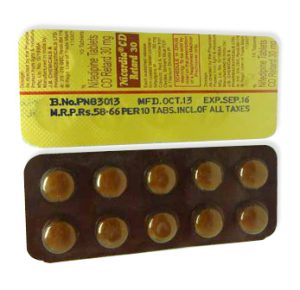
Addos Xr
from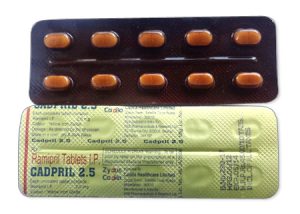
Altace
from
Amiloride
from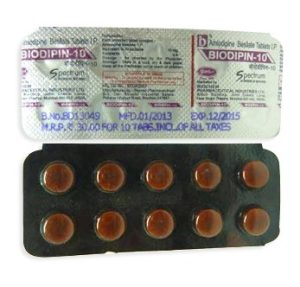
Amlodipine
from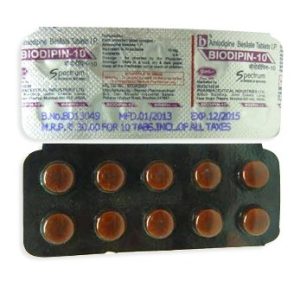
Amlodipine Apotex
from
Anpec
from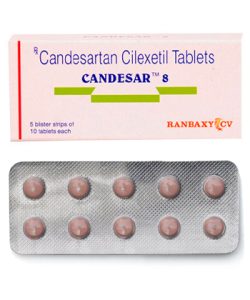
Atacand
from
Bystolic
from
Calan
from
Calan Sr
from
Catapres
from
Clonidine
from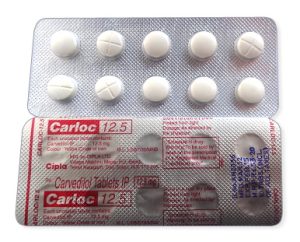
Coreg
from
Cozavan
from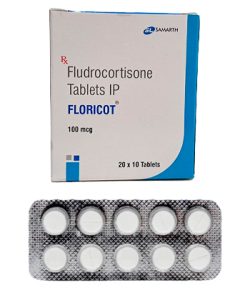
Florinef
from
Frumil
fromUnderstanding Hypertension
Hypertension, commonly known as high blood pressure, occurs when the force of blood pushing against artery walls is consistently too high. Blood pressure is measured in millimetres of mercury (mmHg) and is recorded as two numbers: systolic pressure (when the heart beats) over diastolic pressure (when the heart rests). Normal blood pressure is generally considered to be below 120/80 mmHg, whilst hypertension is typically diagnosed when readings consistently reach 140/90 mmHg or higher.
This chronic condition affects millions of Australians and can lead to serious health complications if left untreated, including heart disease, stroke, kidney damage, and vision problems. Many people with hypertension experience no symptoms, which is why regular blood pressure monitoring is essential. Risk factors include age, family history, obesity, excessive salt intake, physical inactivity, stress, and excessive alcohol consumption. Understanding your blood pressure numbers and knowing your personal risk factors is the first step toward managing this condition effectively.
Lifestyle Modifications and Prevention
Before or alongside medication, lifestyle changes play a crucial role in managing hypertension. Reducing sodium intake is one of the most effective modifications, as excess salt can cause the body to retain fluid and increase blood pressure. The Australian Heart Foundation recommends limiting sodium to less than 2,300 milligrams per day.
Regular physical activity is equally important. Aim for at least 150 minutes of moderate-intensity aerobic exercise per week, such as brisk walking, swimming, or cycling. Weight management is vital, as obesity significantly increases hypertension risk. Even a 5–10 kilogram weight loss can make a noticeable difference in blood pressure readings. Stress management through meditation, yoga, or counselling can also help reduce blood pressure. Additionally, limiting alcohol consumption, quitting smoking, and increasing potassium-rich foods in your diet support healthy blood pressure levels.
A balanced diet rich in fruits, vegetables, whole grains, and lean proteins, known as the DASH diet, has been proven particularly effective for hypertension management. Key dietary recommendations include:
- Consuming plenty of fresh fruits and vegetables daily
- Choosing whole grain breads and cereals over refined options
- Including lean proteins such as fish, chicken, and legumes
- Limiting processed foods and takeaway meals high in sodium
- Reducing added sugars and saturated fats
- Incorporating potassium-rich foods like bananas, leafy greens, and sweet potatoes
ACE Inhibitors and ARBs
ACE inhibitors and Angiotensin II Receptor Blockers (ARBs) are among the most commonly prescribed medications for hypertension in Australia. These medications work by relaxing blood vessels, allowing blood to flow more easily and reducing pressure on artery walls.
Popular ACE inhibitors available in Australia include ramipril, perindopril, lisinopril, and enalapril. These medications are often prescribed as first-line treatment, particularly for patients with diabetes or kidney disease. ARBs, such as losartan, valsartan, irbesartan, and candesartan, work similarly and are well-tolerated alternatives. Both drug classes are available in various strengths and are often combined with other antihypertensive medications for better control. Common side effects of ACE inhibitors include a dry cough, which typically resolves when switching to an ARB. These medications are generally safe and effective, with additional benefits for heart and kidney protection.
Calcium Channel Blockers and Diuretics
Calcium channel blockers (CCBs) are another important class of antihypertensive medications widely used in Australia. These medications prevent calcium from entering the muscle cells of the heart and blood vessels, causing them to relax and dilate. Common CCBs include amlodipine, nifedipine, diltiazem, and verapamil. Amlodipine is particularly popular due to its once-daily dosing and good tolerability profile. These medications work well in combination with other antihypertensives and are suitable for various patient groups, including the elderly.
Diuretics, often called water tablets, help lower blood pressure by reducing fluid volume in the body and promoting salt excretion through urine. Thiazide and thiazide-like diuretics, such as hydrochlorothiazide and chlorthalidone, are commonly prescribed in Australia. Loop diuretics like furosemide are reserved for patients with heart failure or significant fluid retention. Potassium-sparing diuretics, including amiloride and spironolactone, help prevent potassium loss. Whilst diuretics are effective, regular monitoring of electrolytes and kidney function is necessary to ensure safety and effectiveness.
Beta-Blockers and Other Medications
Beta-blockers reduce blood pressure by decreasing heart rate and the force of heart contractions. In Australia, commonly prescribed beta-blockers include metoprolol, atenolol, and bisoprolol. These medications are particularly beneficial for patients with heart disease, previous heart attacks, or certain arrhythmias. However, they may not be ideal for patients with asthma or chronic obstructive pulmonary disease (COPD).
Other medications used for hypertension management include alpha-blockers such as doxazosin, which relax blood vessel muscles, and central-acting agents like methyldopa, typically reserved for specific situations. Vasodilators such as hydralazine are sometimes used in combination therapy for resistant hypertension. For patients whose blood pressure remains difficult to control despite multiple medications, newer agents and combination therapies may be considered. Your healthcare provider will determine the most appropriate medication or combination based on your individual health status, other medical conditions, and tolerance.
Monitoring and Long-Term Management
Effective hypertension management requires ongoing monitoring and commitment to treatment. Regular blood pressure checks at home using a validated monitor help you and your healthcare provider track control and adjust medications if necessary. Most Australians with hypertension should aim for a blood pressure target below 140/90 mmHg, though individual targets may vary depending on age, kidney function, and other health conditions.
Regular appointments with your GP or pharmacist are essential for medication review, side effect assessment, and lifestyle counselling. Annual checks should include kidney function tests, electrolyte levels, and cardiovascular risk assessment. Many Australian pharmacies now offer blood pressure monitoring services and medication management reviews, providing convenient access to professional support. If you experience persistent headaches, chest pain, shortness of breath, or vision changes, seek immediate medical attention. Long-term management of hypertension is a partnership between you and your healthcare team, combining appropriate medication, lifestyle modifications, and regular monitoring to reduce your risk of serious complications and maintain optimal health.