Amlodipine
In brief
- Amlodipine is prescription-only (Rx) in Australia and most other countries; it is supplied by community and hospital pharmacies and licensed online pharmacies under brands such as Norvasc and APO‑Amlodipine, and should be obtained with a valid prescription.
- Amlodipine is used to treat hypertension and chronic or vasospastic angina. It is a dihydropyridine calcium-channel blocker that inhibits L‑type calcium channels in vascular smooth muscle (and to a lesser extent the heart), causing vasodilation and reduced blood pressure and myocardial oxygen demand.
- Usual dosage: adults typically start at 5 mg once daily (maintenance 5–10 mg once daily); elderly or those with hepatic impairment should start at a lower dose (often 2.5–5 mg); children 6–17 years: 2.5–5 mg once daily. Not recommended for children under 6 years without specialist advice.
- Administered orally, most commonly as tablets (2.5 mg, 5 mg, 10 mg); an oral solution (1 mg/mL) and fixed‑dose combination tablets with other cardiovascular agents are available in some markets.
- Onset of effect is relatively slow: some blood‑pressure lowering can be seen within 24–48 hours, with peak plasma concentrations at about 6–12 hours and incremental benefit over the first 1–2 weeks.
- Duration of action supports once‑daily dosing (around 24 hours); the elimination half‑life is long (approximately 30–50 hours), providing sustained effect.
- Alcohol can enhance the blood‑pressure lowering and dizziness effects of amlodipine; avoid excessive alcohol and be cautious when drinking while taking the medicine.
- The most common side effect is peripheral oedema (ankle/leg swelling); other frequent effects include headache, flushing, dizziness, palpitations, fatigue and nausea/abdominal discomfort.
- Would you like to try “amlodipine” without a prescription?
Basic Amlodipine Information
- INN (International Nonproprietary Name): Amlodipine.
- Brand Names Available In Australia: Norvasc, APO-Amlodipine.
- ATC Code: C08CA01.
- Forms & Dosages: Tablets commonly 2.5 mg, 5 mg and 10 mg; oral solution 1 mg/ml in limited availability; fixed-dose combination products with valsartan, perindopril or atorvastatin.
- Manufacturers In Australia: Pfizer (Norvasc) and Apotex (APO-Amlodipine) among others.
- Registration Status In Australia: Registered and available under Norvasc and generic formulations.
- OTC / Rx Classification: Prescription Only (Rx).
Critical Warnings, Restrictions And Patient Protection (Australia)
Amlodipine is prescription-only and not suitable for people with an allergy to amlodipine or other dihydropyridines.
Do not use amlodipine if you have severe hypotension, cardiogenic shock, significant aortic stenosis or unstable heart failure following a recent myocardial infarction.
Elderly patients should start at the lowest effective dose — typically 2.5–5 mg — and be monitored for symptomatic hypotension and falls.
Pregnancy and breastfeeding have limited safety data; avoid use unless a specialist recommends it.
Severe hepatic impairment requires very low starting doses and slow titration because amlodipine is substantially metabolised in the liver.
- Contraindications: Hypersensitivity to amlodipine or excipients.
- Contraindications: Severe hypotension or shock, including cardiogenic shock.
- Contraindications: Obstruction of left ventricular outflow (e.g., significant aortic stenosis).
- Contraindications: Haemodynamically unstable heart failure post-acute MI.
- Urgent Warning Signs — Stop The Drug And Seek Help: Severe dizziness or fainting.
- Urgent Warning Signs: Sudden chest pain or worsening shortness of breath.
- Urgent Warning Signs: Rapid or irregular heartbeat with light-headedness.
- Urgent Warning Signs: Marked swelling of face, lips, tongue or throat.
- High-Risk: Elderly — More prone to hypotension and falls; start low and monitor.
- High-Risk: Pregnancy/Breastfeeding — Limited data; specialist input recommended.
- High-Risk: Chronic Illness — Severe hepatic impairment requires cautious dosing; heart failure and unstable cardiac conditions need specialist oversight.
Carry a current list of medicines and emergency contacts at all times if you are taking amlodipine.
High‑Risk Groups (Elderly, Pregnancy, Chronic Illness)
Aged patients often need the lowest starting dose and closer monitoring for dizziness, falls and symptomatic hypotension.
Pregnant or breastfeeding people should only use amlodipine if a specialist advises it and documents the risk–benefit decision.
Chronic liver disease increases exposure to the drug because it is substantially metabolised in the liver, so start very low and titrate carefully.
Interaction With Activities (Driving, Workplace Safety Under Australian Law)
Amlodipine can cause dizziness, light-headedness or visual blurring, particularly after starting or increasing the dose.
Do not drive, operate heavy machinery or perform safety-critical work until you know how amlodipine affects you.
- When Not To Drive: If you experience dizziness after a new prescription or dose increase.
- When Not To Drive: If vision is noticeably blurred soon after taking the medicine.
- When Not To Drive: If you feel excessively sleepy or faint.
- Document medication changes and fitness to work according to your workplace policy.
- Inform workplace health and safety officers if you are in a safety‑sensitive role and have a recent dose change.
- Follow SafeWork and Austroads guidance on fitness for duty after starting new medicines.
Q&A — Can I Drive After Taking It In Australia?
Short answer: not until you know how amlodipine affects you.
If you feel dizzy or have blurred vision after starting or increasing the dose, do not drive and contact your prescriber or pharmacist.
Follow Austroads guidance if your fitness to hold a driver licence is affected by adverse effects.
Usage Basics — INN, Australian Brands And Legal Classification
INN And Australian Brand Names
The INN is amlodipine, often seen in other languages as Amlodipina or Amlodipin.
In Australia common marketed products include Norvasc (Pfizer) and APO-Amlodipine (Apotex).
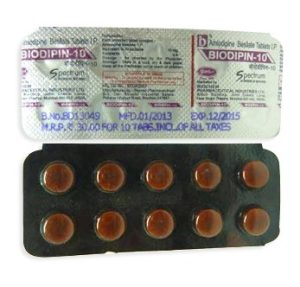
Tablets usually come in 5 mg and 10 mg strengths and packaging typically matches blister sizes of 10–100.
- Norvasc — Pfizer.
- APO-Amlodipine — Apotex.
- Fixed-dose combinations — available with valsartan, perindopril and atorvastatin.
Legal Classification (TGA Approval And PBS Context)
Amlodipine is registered in Australia with the TGA and supplied as a prescription medicine.
Many formulations are listed on the PBS and may be subsidised when prescribed appropriately under PBS rules.
- INN: International Nonproprietary Name.
- ATC: Anatomical Therapeutic Chemical code (C08CA01 for amlodipine).
- PBS: Pharmaceutical Benefits Scheme subsidy listing.
- TGA: Therapeutic Goods Administration registration.
Dosing Guide — Standard Regimens And Adjustments
Standard Regimens (PBS Reference Dosing)
| Indication | Initial Dose | Maintenance Dose |
|---|---|---|
| Hypertension | 5 mg once daily | 5–10 mg once daily |
| Chronic Stable Or Vasospastic Angina | 5 mg once daily | 5–10 mg once daily |
| Children (6–17 Years) | 2.5–5 mg once daily | 2.5–5 mg once daily |
Adjustments For Comorbidities
Start at the lowest dose in elderly patients (2.5–5 mg) and titrate slowly while monitoring blood pressure and symptoms.
Severe hepatic impairment requires very cautious dosing because amlodipine is substantially metabolised by the liver.
No routine dose change is required for renal impairment, but monitor clinically for hypotension or adverse effects.
When combining with other antihypertensives, monitor for additive blood pressure lowering and adjust doses to avoid symptomatic hypotension.
Q&A — What If I Miss A Dose?
If you miss a dose, take it as soon as you remember unless the next scheduled dose is very close.
Do not double the next dose to make up for a missed tablet.
If you are unsure after missing doses, contact your pharmacist or prescriber for tailored advice.
- Checklist For Dose Changes: record the missed dose, avoid doubling up and monitor blood pressure if doses are frequently missed.
- Special Populations: elderly — consider pill organisers and reminder aids; children — check with the paediatric prescriber for dose-specific advice.
Interaction Chart — Food, Drinks And Common Drug Conflicts
Food And Drinks (Alcohol, Caffeine And Australian Diet Context)
| Substance | Likely Effect | Advice |
|---|---|---|
| Alcohol | May potentiate hypotension and dizziness | Limit intake while stabilising on amlodipine |
| Caffeine | No major interaction but may transiently raise BP | Normal consumption usually acceptable; monitor BP |
| Grapefruit Juice | Can modestly increase calcium channel blocker levels | Avoid large amounts or discuss with prescriber |
Common Drug Conflicts
Amlodipine is metabolised by CYP3A pathways, so strong CYP3A4 inhibitors or inducers can alter its plasma levels.
Combining amlodipine with ACE inhibitors, ARBs, beta-blockers or diuretics increases the risk of hypotension and requires monitoring.
Amlodipine can increase exposure to simvastatin; follow statin dose limits and monitor for muscle pain or myopathy.
- High-Risk Drug Classes: strong CYP3A4 inhibitors (some macrolide antibiotics, azole antifungals).
- High-Risk Drug Classes: other antihypertensives and nitrates (additive hypotensive effects).
- High-Risk Drug Classes: simvastatin — monitor dose and adverse effects.
User Reports & Trends — Australian Patient Feedback
Australian patient feedback channels commonly describe fast symptom relief for angina and reliable blood pressure lowering with amlodipine.
Peripheral oedema, headache, flushing and dizziness are the most frequently reported adverse effects and are often dose‑related.
Cost sensitivity leads many patients to prefer PBS-subsidised generics such as APO-Amlodipine rather than branded Norvasc.
Patients calling pharmacies often report swollen ankles or light-headedness after dose changes and seek pharmacist advice on dose adjustment or alternative drugs.
- Themes: effectiveness for BP and angina control.
- Themes: peripheral oedema and dizziness as common complaints.
- Themes: preference for PBS-subsidised generics and pharmacist brand substitution.
- Clinician Checklist: document side-effect onset, dose at time of symptoms and any co‑medications.
- Clinician Checklist: consider dose reduction, split dosing or changing to alternative CCB if intolerance persists.
Access & Purchase Options In Australia — Pharmacies And Telehealth
National Chains And Community Pharmacies
Amlodipine is widely available from major chains such as Chemist Warehouse, Priceline and TerryWhite Chemmart, plus independent pharmacies.
Consumers will find Norvasc and various generic options like APO-Amlodipine with pack sizes that match blister counts commonly seen in the market.
Online Pharmacies, E‑Prescriptions And Rural Access
E-prescriptions issued by telehealth or a prescriber are accepted by online pharmacies and community pharmacies across Australia.
Rural patients may experience longer wait times for delivery, but telehealth services and pharmacy delivery improve access to ongoing supplies.
Our online pharmacy offers discreet delivery to Australia in 9–21 days and supplies with a valid prescription or under our dispensing protocols.
- Safe Online Purchase Checklist: valid prescription, TGA-registered supplier, secure payment and clear return policy.
- Rural Versus Urban Differences: rural patients should confirm delivery times and consider repeats or home delivery options.
Mechanism And Pharmacology — Plain Language Then Clinical Terms
Simplified Explanation
Amlodipine is a long-acting dihydropyridine calcium channel blocker that relaxes blood vessels and lowers systemic vascular resistance.
This vasodilation reduces blood pressure and helps with angina by improving the balance between oxygen supply and demand in the heart.
The drug has a slow onset over days and steady control with once-daily dosing.
Clinical Terms And Classification
ATC classification is C08CA01, placing amlodipine among dihydropyridine calcium channel blockers.
The medicine is substantially metabolised in the liver and achieves steady state with daily dosing, so hepatic impairment affects exposure and dosing decisions.
| Mechanism | Effect | Clinical Outcome |
|---|---|---|
| Block L-Type Calcium Channels in Vascular Smooth Muscle | Vasodilation | Lower Blood Pressure And Fewer Angina Episodes |
- ATC: Anatomical Therapeutic Chemical code.
- Dihydropyridine: subclass of CCBs that predominantly affect blood vessels.
Indications & Off‑Label Uses (Australia)
Approved Indications By TGA
TGA-registered uses include hypertension and chronic stable or vasospastic angina as monotherapy or part of combination therapy.
Products such as Norvasc and generics are marketed for these indications across Australia.
Off‑Label Uses In Australian Practice
Some clinicians use amlodipine off‑label in resistant hypertension as part of multi-drug regimens, typically under specialist supervision.
Use in paediatric patients is usually restricted to older children (6–17 years) and is not routine for under‑6s.
- Indications: Hypertension and angina are common TGA-supported uses.
- Off-Label Checklist: document rationale, record informed consent and involve cardiology if used for complex cases.
Key Clinical Findings — Evidence Overview And Guideline Linkage
Decades of clinical trials and meta-analyses support amlodipine’s efficacy for lowering blood pressure and reducing angina frequency.
Australian and international hypertension guidelines commonly recommend dihydropyridine calcium channel blockers like amlodipine as frontline options in many patients.
Peripheral oedema is the most frequent adverse effect and is generally dose-related; it should be monitored and managed clinically.
- What Evidence Supports It: randomised controlled trials and meta-analyses showing consistent BP reduction and angina control.
- What To Monitor: blood pressure response, ankle swelling, symptoms of hypotension and any signs of hepatic dysfunction.
Alternatives Matrix — PBS Alternatives And Clinical Checklist
PBS‑Listed Alternatives Comparison Table
| Drug | Class | Typical Dose | PBS Status | Key Pros/Cons |
|---|---|---|---|---|
| Lercanidipine | CCB (Dihydropyridine) | 10–20 mg daily | Varies | Similar BP effect; may have different oedema profile |
| Felodipine | CCB (Dihydropyridine) | 5–10 mg daily | Varies | Once-daily dosing; oedema risk |
| Perindopril | ACE Inhibitor | 4–8 mg daily | Common PBS listing | Good for diabetes/renal protection; cough risk |
| Valsartan | ARB | 80–160 mg daily | PBS-listed | Suitable alternative for ACE-intolerant patients |
Pros And Cons Checklist
- Pros Of Amlodipine: once-daily dosing, established efficacy, wide availability and PBS accessibility.
- Cons Of Amlodipine: dose-related peripheral oedema, interactions via CYP3A4 and caution in severe hepatic disease.
- Checklist For Choice: review comorbidities, adverse-effect history, cost/PBS status and patient preference.
Common Questions Seen In Australian Pharmacy Practice
- Will It Make Me Gain Weight? Generally no direct weight gain, though oedema can cause swelling of ankles.
- Can I Take It With My Other BP Tablets? Often yes, but monitor blood pressure for hypotension and review interactions with a pharmacist.
- Pregnancy/Breastfeeding? Safety data are limited and specialist consultation is recommended.
- How Long Until It Works? Blood pressure reduction begins within days and full effect may take 1–2 weeks.
Pharmacist Script Template: Confirm indication and dose, explain common side effects, advise on driving and alcohol, and provide written dosing instructions.
- Patient Red Flags: syncope, severe hypotension, angioedema — seek urgent medical attention.
Price & Access Comparison
Comparison Table — Pharmacy/Source, Typical Price Range, PBS Subsidy Status, Prescription Required
| Source | Typical OOP Price Range (Generic Amlodipine 5 mg) | PBS Subsidy | Prescription Required |
|---|---|---|---|
| Chemist Warehouse | Varies by pack size | Likely depending on script | Yes |
| Priceline | Varies by pack size | Likely depending on script | Yes |
| Local Pharmacy | Varies by supplier | Depends on PBS eligibility | Yes |
| Online Pharmacy | Varies; delivery fees may apply | Depends on prescription and PBS listing | Yes |
Access Checklist — Major Chains, Online Pharmacies, Rural Vs Urban Availability
- Ensure a valid prescription before ordering.
- Confirm PBS eligibility and concession status with your pharmacist.
- Ask about generic substitution if cost is a concern.
- Rural patients should arrange repeats or home delivery for continuity of supply.
Registration & Regulation — TGA And PBS Practical Points
TGA Approval
Amlodipine is registered in Australia and supplied as Norvasc and generic formulations in line with TGA product information.
PBS Subsidy Details
Many amlodipine formulations are PBS-listed for hypertension and angina, subject to eligibility and prescriber instructions.
- TGA: national regulator for medicine approval and product information.
- PBS: national subsidy scheme that reduces patient out-of-pocket costs for listed medicines.
- Steps To Verify Subsidy: check the current PBS schedule, confirm prescribing criteria with the prescriber and consult the dispensing pharmacist about concession status.
Storage & Handling — Household And Pharmacy Guidance
Household Storage In Australian Climate
Store amlodipine below 25°C and protect it from moisture and light in the original packaging.
Avoid leaving tablets in cars or in bathrooms that can get steamy in an Australian climate.
- During heatwaves, keep medicines indoors in a cool place.
- Keep tablets out of reach of children and pets.
Cold‑Chain And Pharmacy Handling
No cold chain is required for amlodipine, but pharmacies should store medicines according to TGA guidelines.
Dispose of expired tablets using returned pharmacy take-back programs rather than household rubbish.
- Pharmacy SOPs: maintain original packaging, supply patient information leaflets and record batch details for recalls.
Guidelines For Proper Use — Pharmacist Counselling And Patient Follow‑Up
Australian Pharmacist Counselling Style
Counselling should be concise, patient-centred and practical: confirm the reason for therapy, dose and expected onset of effect.
Explain common side effects such as peripheral oedema, dizziness and headache and advise on driving and alcohol use.
Provide a written dosing schedule and encourage home blood pressure monitoring to track response.
Patient Advice From PBS And National Health Authorities
Advise regular follow-up for blood pressure checks and to report severe adverse events promptly.
Consider liver function monitoring if clinically indicated and ensure that all healthcare providers know the patient is taking amlodipine.
- Counselling Checklist: indication, dose, onset, common adverse effects, red flags to seek help and storage advice.
- Patient Handout Template: take once daily, do not stop suddenly, report dizziness, keep a medicines list and attend follow-up BP checks.
Delivery Across Australia
| City | Region | Delivery Time |
|---|---|---|
| Sydney | New South Wales | 9-14 days |
| Melbourne | Victoria | 9-14 days |
| Brisbane | Queensland | 9-14 days |
| Perth | Western Australia | 9-14 days |
| Adelaide | South Australia | 9-14 days |
| Hobart | Tasmania | 9-14 days |
| Canberra | Australian Capital Territory | 9-14 days |
| Darwin | Northern Territory | 14-21 days |
| Geelong | Victoria | 14-21 days |
| Gold Coast | Queensland | 9-14 days |
| Newcastle | New South Wales | 9-14 days |
| Wollongong | New South Wales | 9-14 days |
| Townsville | Queensland | 14-21 days |
| Ballarat | Victoria | 14-21 days |
Final Notes And Practical Tips
When counselling, use simple language and relate examples such as starting at 5 mg and stepping up to 10 mg only if blood pressure remains above target.
Record any reports of ankle swelling and consider dose reduction or alternative therapy if the oedema is bothersome.
For patients on statins, check simvastatin doses and advise on reporting muscle pain promptly.
Ensure all patients have clear follow-up plans for blood pressure monitoring and medication reviews.
Remember to check the current PBS schedule and TGA product information when advising on subsidy and registration details.