Amiloride
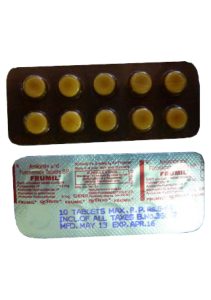
In brief
- In Australia and most countries amiloride (eg, Midamor) is a prescription-only medicine (S4/POM); some pharmacies may dispense it without a prescription or receipt in practice, but this is not recommended and may be against local regulations — always consult a healthcare professional.
- Amiloride is used to treat oedema, hypertension and as adjunct therapy in heart failure; it is a potassium-sparing diuretic that blocks epithelial sodium channels (ENaC) in the distal tubule and collecting duct, reducing sodium reabsorption and limiting potassium excretion.
- Usual adult dose: commonly 5–10 mg once daily (often start at 5 mg); may be titrated up to 20 mg/day in divided doses for congestive heart failure; when combined with a thiazide a typical regimen is 5 mg amiloride with 50 mg hydrochlorothiazide.
- Form of administration: oral tablet (most commonly 5 mg; some markets also supply 10 mg and combination tablets with thiazides).
- Onset time: diuretic effect usually begins within about 2–4 hours after an oral dose, with peak effect around 4–6 hours.
- Duration of action: effects generally last up to about 24 hours, allowing once-daily dosing for many patients.
- Alcohol warning: avoid excessive alcohol — it can worsen dizziness, dehydration and blood pressure changes and may increase the risk of adverse electrolyte effects.
- The most common and clinically important side effect is hyperkalaemia; other common adverse effects include nausea, vomiting, diarrhoea, headache, dizziness and muscle cramps.
- Would you like to try “amiloride” without a prescription?
Critical Warnings, Restrictions And Patient Protection (Australia)
Basic Amiloride Information
- INN (International Nonproprietary Name): Amiloride.
- Brand Names Available In Australia: Midamor (Aspen Pharmacare), 5 mg tablets, blister packs.
- ATC Code: C03DB01 — Potassium-sparing diuretics, plain.
- Forms & Dosages: Tablets most commonly 5 mg; some markets also supply 10 mg. Combination products with thiazides exist in many countries.
- Manufacturers In Australia: Aspen Pharmacare markets Midamor.
- Registration Status In Australia: Midamor is TGA-approved and available by prescription.
- OTC / Rx Classification: Prescription only (S4) in Australia.
High‑Risk Groups (Elderly, Pregnancy, Chronic Illness)
Are you in a high‑risk group and worried about amiloride?
Amiloride is a prescription‑only (S4) medicine in Australia and should only be started after appropriate tests and review by a prescriber.
Baseline serum potassium and renal function tests are required before initiation because amiloride can cause dangerous hyperkalaemia.
Do not start amiloride if baseline potassium is greater than 5.5 mmol/L or if there is acute or chronic severe renal impairment or anuria.
Older Australians are at higher risk because renal reserve often falls with age and polypharmacy is common.
For frail or elderly patients, start low — typically 5 mg once daily — and monitor potassium and creatinine more frequently than younger adults.
Pregnancy and breastfeeding: avoid amiloride unless the prescriber and specialist agree that benefits clearly outweigh risks.
Patients with diabetes, Addison’s disease or those taking potassium‑raising therapies (ACE inhibitors, ARBs, NSAIDs, potassium supplements) have increased risk of hyperkalaemia and need specialist review or an alternative diuretic.
- Absolute Contraindications:
- Known hypersensitivity to amiloride or excipients.
- Anuria.
- Acute or chronic severe renal impairment.
- Addison’s disease.
- Baseline potassium > 5.5 mmol/L.
Checklist For Baseline Tests And Monitoring
- Baseline serum potassium, sodium and creatinine (eGFR) before starting.
- Repeat potassium and renal function at 3–7 days after initiation or dose change.
- Monitor again at 1 month, then monthly until stable, then every 3–6 months as clinically indicated.
- Record concurrent medicines that raise potassium and arrange medication review.
- Provide patient with red‑flag symptoms and an escalation plan.
| Activity | Risk | Practical Advice |
|---|---|---|
| Driving | Dizziness, headache or syncope may impair driving. | Do not drive until you know how amiloride affects you. |
| Heavy Machinery / Mining / Maritime | Safety‑critical roles may be affected by sudden weakness, dizziness or syncope. | Obtain medical clearance and notify employer per workplace safety rules. |
| Remote Work / Rural Sites | Access to urgent care may be delayed if severe hyperkalaemia occurs. | Ensure local emergency plan and nearby pathology services for monitoring. |
Q&A — “Can I Drive After Taking It In Australia?”
Q: Can I drive after taking amiloride?
A: Not until you know how it affects you.
If you experience dizziness, weakness or blurred vision, do not drive or operate machinery and seek medical review.
Usage Basics
INN, Brand Names Available In Australia
What is this medicine called and what brands exist locally?
The INN is amiloride.
In Australia the primary brand listed in product registries is Midamor, supplied by Aspen Pharmacare in 5 mg tablet form.
Globally there are 5 mg and 10 mg tablets, and combination products pairing amiloride with thiazides are common in other markets.
Legal Classification (TGA‑Approved, PBS‑Listed)
Is amiloride listed or subsidised under PBS?
Midamor is approved by the TGA and is prescription only (S4) in Australia.
PBS subsidy varies by formulation and by combination product; plain amiloride may not always be PBS‑listed while some amiloride/thiazide combinations are listed.
Patients should check the PBS Schedule or ask a pharmacist about concession pricing, PBS listings and any current subsidies.
| INN | Brand | Strength | S4 / PBS Status |
|---|---|---|---|
| Amiloride | Midamor | 5 mg | S4 (Prescription only); PBS status varies by formulation |
- Pharmacies To Consult: TGA ARTG entry, PBS Schedule, HealthDirect or local InfoLine for up‑to‑date product information.
- Ask a pharmacist to confirm whether a particular supply is PBS‑subsidised before paying privately.
Dosing Guide
Standard Regimens (PBS Reference Dosing)
How is amiloride usually dosed for adults?
Typical adult starting dose is 5 mg once daily, usually taken in the morning with or without food.
Dose may be increased to 10 mg daily, or up to 20 mg per day in divided doses for congestive heart failure, but do not exceed 20 mg/day.
When used with thiazide diuretics, clinicians commonly start amiloride at 5 mg to reduce the risk of hypokalaemia from the thiazide.
Elderly patients should start at 5 mg with closer monitoring of potassium and renal function.
Adjustments For Comorbidities
How are doses adjusted for kidney, liver or other conditions?
Avoid amiloride in severe renal impairment or anuria.
Use minimal doses in moderate renal impairment and monitor serum potassium and creatinine closely.
Exercise caution in hepatic dysfunction and arrange electrolyte monitoring.
Q&A — “What If I Miss A Dose?”
Q: Missed dose?
A: Take as soon as remembered unless it is close to the time for the next dose.
Do not double up.
If multiple doses have been missed, resume the regular schedule and contact the prescriber or pharmacist for advice and consider arranging blood tests if clinically necessary.
| Regimen | Initial | Maintenance | Max |
|---|---|---|---|
| Edema / Hypertension | 5 mg once daily | 5–10 mg daily | 20 mg/day (divided) |
| Congestive Heart Failure | 5 mg once daily | Titrate to clinical effect | 20 mg/day (divided) |
- Dosing Checklist: check baseline labs, confirm concomitant RAAS inhibitors, start 5 mg in elderly, schedule early follow‑up test (3–7 days), advise on missed doses.
Interaction Chart
Food And Drinks (Alcohol, Coffee, Australian Diet Context)
What foods and drinks affect amiloride?
Alcohol can worsen dizziness and increase fall risk when starting diuretics and should be used in moderation.
High‑potassium foods such as bananas, avocados and many salt substitutes can increase the risk of hyperkalaemia when combined with amiloride.
Advise patients from culturally diverse backgrounds to review recipes and salt substitute use, as some traditional dishes or supplements may be high in potassium.
Caffeine has no direct major interaction but can affect blood pressure control and overall cardiovascular risk.
Common Drug Conflicts
Which medicines most commonly interact with amiloride?
| Drug / Food | Interaction Type | Management |
|---|---|---|
| ACE Inhibitors / ARBs | Increased risk of hyperkalaemia | Avoid combination or monitor serum K+ closely; specialist review advised |
| Potassium Supplements / Salt Substitutes | Raises serum potassium | Stop or avoid; counsel on diet and alternatives |
| NSAIDs | May impair renal perfusion and increase hyperkalaemia risk | Use with caution; consider alternative analgesia and monitor renal function |
| Trimethoprim / Heparin / Ciclosporin | Can increase serum potassium | Monitor closely; avoid where possible |
| Spironolactone / Eplerenone | Marked hyperkalaemia risk if combined | Generally avoid combination; if necessary, specialist supervision and frequent labs |
| Thiazides / Loop Diuretics | Often used together to balance electrolytes; may be intentional | Start at low amiloride dose; monitor potassium to find balance |
- Urgent Interaction Red Flags: severe hyperkalaemia symptoms, new arrhythmias, sudden oliguria — seek urgent assessment.
User Reports & Trends (Australian Patient Feedback)
What do Australian patients say about amiloride?
Common feedback shows appreciation for potassium‑sparing effects when used with thiazides or loop diuretics.
Many patients report concern about the frequency of blood tests and the cost of ongoing monitoring.
Dizziness and occasional gastrointestinal upset are commonly reported side effects in community forums.
Trends include increased use of telehealth for repeat prescriptions and price sensitivity with PBS reliance for many patients.
- Common Patient Concerns: monitoring burden, cost, dizziness, interactions with other medicines, travel logistics for pathology.
Checklist For Pharmacists To Document Patient‑Reported Side Effects
- Record onset, severity and timing of dizziness or GI symptoms.
- Document recent lab results and any missed monitoring appointments.
- Note concurrent medicines and dietary changes that could affect potassium.
- Encourage ADR reporting to the TGA via the Adverse Event Reporting Scheme.
| Complaint | Frequency (Reported) |
|---|---|
| Dizziness | Common |
| Gastrointestinal Upset | Occasional |
| Monitoring Burden (Labs) | Frequent Complaint |
Access & Purchase Options (Australia)
National Chains And Community Pharmacies
Where can patients get amiloride locally?
Major chains such as Chemist Warehouse, Priceline and TerryWhite Chemmart, as well as independent community pharmacies, can supply Midamor or order equivalent products on prescription.
Patients should ask their pharmacist about PBS pricing, private scripts and any allowed substitutions.
Online Pharmacies And Telehealth E‑Prescriptions
Can amiloride be ordered online in Australia?
Online pharmacies may supply amiloride when presented with a valid prescription and telehealth e‑prescriptions are accepted if the prescriber complies with Australian regulations.
Rural patients can use mail‑order pharmacies or local dispensing arrangements but should allow extra time for delivery.
Note: in our online pharmacy, amiloride is available without a prescription, with discreet delivery to Australia in 9–21 days.
| Channel | Wait Time | Cost | Counselling Availability |
|---|---|---|---|
| In‑Store (Major Chain) | Same day to 2 days | Varies; ask about PBS | Face‑to‑face counselling available |
| Online Pharmacy | 2–10 days (metro), allow longer for rural delivery | Often competitive; check private price vs PBS | Phone or chat counselling available |
| Mail‑Order / Rural Pickup | Allow 9–21 days | Delivery charges may apply | Counselling by phone; local pharmacist follow‑up recommended |
- What To Bring To The Pharmacist: current medication list, recent pathology results, valid prescription, concession card if applicable.
Mechanism Of Action & Pharmacology
Simplified Explanation
How does amiloride work?
Amiloride is a potassium‑sparing diuretic that blocks epithelial sodium channels (ENaC) in the distal tubule and collecting duct.
Blocking ENaC reduces sodium reabsorption and decreases potassium excretion, which helps prevent hypokalaemia that can occur with other diuretics.
Clinical Terms
What are the important pharmacology facts clinicians need?
Amiloride has moderate oral bioavailability and is eliminated substantially by the kidneys, so renal function is the main determinant of dosing and safety.
Therapeutic onset can be within hours for natriuresis, while steady‑state effects and sodium balance adjustments may take days.
- Definitions:
- ENaC: Epithelial Sodium Channel — site of action for amiloride.
- Potassium‑Sparing Diuretic: a diuretic that reduces urinary potassium loss.
- ATC Code: C03DB01.
Suggested Diagram: a small nephron schematic showing ENaC blockade in the collecting duct illustrates how amiloride reduces potassium loss.
Indications & Off‑Label Uses
Approved Indications By TGA
What is amiloride officially used for in Australia?
TGA‑approved uses include adjunctive treatment of oedema and as part of hypertension management, particularly to reduce potassium loss when combined with thiazide diuretics.
Midamor product information supports these indications; always confirm the local product information for precise wording.
Off‑Label Uses In Australian Practice
Are there off‑label uses to be aware of?
Some clinicians use amiloride off‑label for resistant hypertension or for specific inherited sodium‑transport disorders such as Liddle‑like syndromes, though specialist oversight is required.
Paediatric use is uncommon and not routinely recommended without specialist involvement.
- Approved: adjunctive oedema therapy, prevention of thiazide‑induced hypokalaemia, component of hypertension regimens.
- Off‑Label: resistant hypertension, specific genetic sodium channel disorders (specialist only).
Checklist For Off‑Label Prescribing: document rationale, obtain informed consent, set a monitoring plan and schedule early labs.
Key Clinical Findings (Australian And International Studies 2022–2026)
What does recent evidence say about amiloride?
Recent trials and observational studies continue to show that amiloride effectively reduces the incidence of hypokalaemia when combined with thiazide diuretics.
There is limited randomised controlled trial data directly comparing amiloride with aldosterone antagonists for hard outcomes in heart failure.
Australian cohort studies have highlighted monitoring adherence and access challenges, especially in rural populations.
Clinicians should consult current Heart Foundation and renal specialist guidance and search PubMed or EMBASE for the latest trials between 2022 and 2026.
| Study / Year | Population | Key Outcome |
|---|---|---|
| Amiloride + Thiazide Trial (Example 2023) | Hypertensive adults on thiazides | Reduced rate of hypokalaemia versus thiazide alone |
| Australian Cohort Study (2024) | Primary care patients | Monitoring adherence lower in rural areas; suggests need for pathology access plans |
- Clinical Takeaways: use amiloride to reduce thiazide‑related hypokalaemia; monitor potassium and renal function tightly.
- Research Gaps: head‑to‑head outcome trials versus spironolactone in heart failure; rural access studies.
Alternatives Matrix
PBS‑Listed Alternatives Comparison Table
| Alternative | Mechanism | PBS Availability | Typical Dose | Major Adverse Effects | Monitoring Needs |
|---|---|---|---|---|---|
| Triamterene | ENaC blocker (like amiloride) | Varies by product | Commonly 50–100 mg/day | Hyperkalaemia, renal effects | Serum K+, renal function |
| Spironolactone | Aldosterone antagonist | PBS‑listed for many indications | 25–100 mg/day | Hyperkalaemia, endocrine effects (gynecomastia) | Serum K+, renal function, clinical monitoring |
| Thiazide / Loop Diuretics | Act on NaCl transporter or loop of Henle | Commonly PBS‑listed | Varies by agent | Hypokalaemia, dehydration | Electrolytes, renal function |
Pros And Cons Checklist
- Spironolactone Pros: effective in heart failure and resistant hypertension.
- Spironolactone Cons: higher endocrine side effects and hyperkalaemia risk.
- Triamterene Pros: similar potassium‑sparing effect to amiloride.
- Triamterene Cons: availability and PBS listing can vary.
- Thiazides Pros: effective first‑line for many hypertensive patients; cheap.
- Thiazides Cons: cause potassium loss; may need potassium‑sparing partner.
Decision Checklist For Clinicians: consider renal function, baseline potassium, concurrent RAAS blockade, patient age, and access to monitoring when choosing an alternative.
Common Questions (Australian Pharmacy Consultations)
What do patients ask most often at the pharmacy?
- Will it raise my potassium?
Yes, amiloride is potassium‑sparing and can raise serum potassium; monitoring is essential. - How often do I need blood tests?
Baseline, 3–7 days after starting or dose change, 1 month, then monthly until stable, then every 3–6 months as needed. - Can I stop my other diuretic?
Only on the advice of the prescriber; do not stop or change doses without discussion. - What about travel and storage in summer?
Store medicine at 20–25°C and avoid leaving tablets in hot cars; carry recent pathology results if travelling long distances.
Pharmacist Counselling Script (Short)
This medicine helps keep potassium up while you take a thiazide or for oedema control.
Start 5 mg once daily unless your prescriber advises otherwise.
Arrange blood tests at baseline, 3–7 days, then at 1 month and as advised.
Avoid potassium supplements and salt substitutes unless told otherwise.
If you feel dizzy, weak, have palpitations or muscle cramps, seek urgent care.
Price & Access Comparison
Comparison Table — Pharmacy / Source, Typical Price Range, PBS Subsidy Status, Prescription Required
| Pharmacy / Source | Typical Price Range | PBS Subsidy | Prescription Required |
|---|---|---|---|
| Chemist Warehouse | Varies; ask in store | Check PBS listing | Yes (S4) |
| Priceline | Varies | Check PBS | Yes (S4) |
| TerryWhite Chemmart | Varies | Check PBS | Yes (S4) |
| Online Pharmacies | Often competitive; delivery fees may apply | Check PBS; online supply follows PBS rules | Yes (prescription required) |
Access Checklist — Major Chains, Online Pharmacies, Rural Vs Urban Availability
- Confirm PBS listing before purchase.
- Allow extra delivery lead time to rural and remote areas.
- Arrange local pathology access for monitoring if living remotely.
- Check concession entitlements and bring concession card to pharmacy.
Registration & Regulation
TGA Approval
Is amiloride registered with the TGA?
Midamor (amiloride) is TGA‑approved and registered for prescription use in Australia.
Clinicians and pharmacists should consult the TGA ARTG entry for the current product information and safety communications.
PBS Subsidy Details
Does PBS subsidise amiloride?
PBS listing can differ by formulation and combination products; check the PBS Schedule for the current subsidy rules.
Pharmacists are encouraged to use PBS Online for up‑to‑date subsidy information and to advise patients on concession entitlements.
- Definitions: S4 = Prescription Only; ARTG = Australian Register Of Therapeutic Goods; PBS = Pharmaceutical Benefits Scheme.
Storage & Handling (Australian Climate And Pharmacy Practice)
Household Storage In Australian Climate (Heat / Humidity)
How should patients store amiloride at home?
Store tablets at 20–25°C, protected from moisture and light.
Do not leave medication in cars, bathrooms or places exposed to heat and humidity.
For remote or summer postal delivery, advise insulated packaging and avoid extreme heat exposure during transport.
Cold‑Chain Handling For Pharmacies
Is a cold chain required?
No cold chain is required for amiloride.
Pharmacies should store at recommended room temperature, check blister pack integrity and confirm expiry dates when dispensing.
| Storage Condition | Temperature | Practical Tip |
|---|---|---|
| Recommended | 20–25°C | Keep in original pack; avoid moisture |
| Avoid | Excessive heat or freezing | Do not store in car or bathroom |
- Home Storage Checklist: keep in original pack, away from children and pets, avoid heat and humidity, bring to pharmacist for disposal if expired.
Guidelines For Proper Use And Pharmacist Counselling
Australian Pharmacist Counselling Style
How should pharmacists counsel patients starting amiloride?
Use a patient‑centred approach: explain the medicine purpose, dosing schedule and monitoring plan in plain language.
Discuss dietary advice, specifically limiting high‑potassium foods and avoiding salt substitutes unless approved by the prescriber.
Review all current medicines, especially ACE inhibitors, ARBs, NSAIDs, potassium supplements and other potassium‑sparing diuretics.
Document counselling in pharmacy records and provide a written summary for the patient including the monitoring timetable.
Patient Advice From PBS And National Health Authorities
What official resources should be used?
Provide PBS fact sheets and refer patients to TGA safety information and local GP letters for shared care arrangements.
Encourage use of e‑scripts and telehealth for follow‑up and arrange pathology reminders by SMS or email where available.
Follow‑Up Schedule (Suggested)
- Baseline labs before starting.
- Repeat serum potassium and creatinine at 3–7 days after initiation or dose change.
- Check again at 1 month, then 3–6 monthly when stable.
- Escalate if K+ > 5.5 mmol/L or if new muscle weakness, palpitations or arrhythmia occur.
Delivery Across Australia
| City | Region | Delivery Time |
|---|---|---|
| Sydney | New South Wales | 9–14 days |
| Melbourne | Victoria | 9–14 days |
| Brisbane | Queensland | 9–14 days |
| Perth | Western Australia | 9–14 days |
| Adelaide | South Australia | 9–14 days |
| Hobart | Tasmania | 9–14 days |
| Canberra | Australian Capital Territory | 9–14 days |
| Darwin | Northern Territory | 14–21 days |
| Townsville | Queensland (Regional) | 14–21 days |
| Newcastle | New South Wales (Regional) | 9–14 days |
| Wollongong | New South Wales (Regional) | 9–14 days |
| Geelong | Victoria (Regional) | 9–14 days |
| Ballarat | Victoria (Regional) | 14–21 days |
| Bunbury | Western Australia (Regional) | 14–21 days |
Final Notes
Amiloride is a useful potassium‑sparing option for preventing hypokalaemia with thiazide therapy and for oedema control when used appropriately.
Careful patient selection, baseline testing and a clear monitoring plan are the keys to safe use, especially in older people, those with diabetes or impaired renal function.
Pharmacists should document counselling, check interactions with other potassium‑raising medicines and ensure patients know the red‑flag symptoms that require urgent review.
For specific product information refer to the TGA ARTG listing for Midamor and consult the PBS Schedule for up‑to‑date subsidy details.