Arimidex
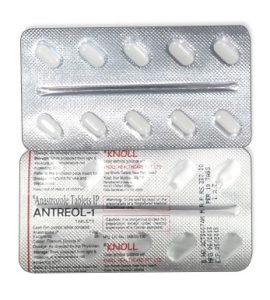
In brief
- Arimidex (anastrozole) is a prescription-only medicine in Australia and is normally supplied through pharmacies with a valid prescription. Where local pharmacy services permit, availability may vary, and you should check with your pharmacist for current stock and legal dispensing requirements.
- Arimidex is used for the treatment of hormone receptor-positive breast cancer in postmenopausal women. It is an aromatase inhibitor that works by blocking the aromatase enzyme, which lowers oestrogen levels and helps slow the growth of oestrogen-sensitive cancer cells.
- The usual dose of Arimidex is 1 mg once daily.
- It is taken as an oral tablet, swallowed whole with water, with or without food.
- Arimidex starts working quickly: blood levels peak in about 2 hours, and oestrogen suppression begins within 24 to 48 hours.
- The duration of action supports once-daily dosing, with a terminal half-life of about 40 to 50 hours.
- Alcohol should be limited; there is no major direct interaction, but heavy drinking is not recommended, especially because both alcohol and Arimidex can affect general wellbeing and liver health.
- The most common side effects are hot flushes, joint pain or stiffness, fatigue, headache, nausea, and reduced bone density over time.
- Would you like to try Arimidex without a prescription?
Critical Warnings, Patient Protection And Who Should Not Use Arimidex
Basic Arimidex Information
- INN (International Nonproprietary Name): Anastrozole
- Brand name: Arimidex
- ATC code: L02BG03
- Dosage form: Oral tablet, usually 1 mg
- Rx status: Prescription only
Arimidex (anastrozole) is a nonsteroidal aromatase inhibitor used mainly for hormone-receptor–positive breast cancer in postmenopausal women, and it should only be used under oncology supervision.
That matters because menopause status, liver and kidney function, bone health, and cardiovascular risk all need to be checked before treatment starts.
Do not start until your doctor confirms:
- You are postmenopausal.
- You are not pregnant and not breastfeeding.
- You do not have hypersensitivity to anastrozole or any excipient.
- Your doctor has considered severe hepatic impairment, severe renal impairment, osteoporosis, and cardiovascular risk.
- Your medicine matches the TGA-approved Arimidex 1 mg film-coated tablets or an authorised anastrozole tablet.
Seek urgent help if:
- You develop a severe rash, facial swelling, or trouble breathing.
- You have chest pain, shortness of breath, a suspected stroke, or a fall with possible fracture.
- You notice jaundice, dark urine, or severe persistent pain.
If you are using telehealth or ordering through an online pharmacy, confirm the medicine name, strength, and directions with your oncologist, GP, or pharmacist before you take the first tablet.
Micro-FAQ
Q: Can I take Arimidex if I’m not sure I’m postmenopausal?
A: No — menopause status should be confirmed clinically or biochemically before use.
What Arimidex Is: Brand Name, Active Ingredient And Australian Naming
Arimidex is the brand name for anastrozole, and anastrozole is the International Nonproprietary Name used in medical and pharmacy settings.
In Australia, you may see the medicine listed as Arimidex or simply as anastrozole, and generic versions are common.
It is an oral tablet, usually 1 mg once daily, and it is prescription only.
Here is the short version clinicians and pharmacists use every day.
- INN: Anastrozole.
- Brand name: Arimidex.
- ATC code: L02BG03.
- Dose form: Oral tablet.
- Rx status: Prescription only.
Arimidex is a nonsteroidal aromatase inhibitor and an antiestrogenic endocrine therapy, so it is aimed at lowering oestrogen rather than killing cancer cells the way chemotherapy does.
For patients, that usually means a once-daily tablet that becomes part of long-term cancer care rather than a short course of treatment.
How Arimidex Works In The Body
The simple explanation is that Arimidex blocks aromatase, which lowers oestrogen and slows the growth of hormone-sensitive breast cancer.
After menopause, the body still makes oestrogen in peripheral tissues such as fat, muscle, and skin, and aromatase is the enzyme that helps make that happen.
Arimidex is a competitive, reversible, non-steroidal aromatase inhibitor that targets CYP19A1, and at the standard 1 mg daily dose it reduces plasma estradiol by about 80% to 90% in postmenopausal women.
It has minimal effect on adrenal corticosteroids and aldosterone, which is why routine steroid replacement is not needed.
- What low oestrogen means: less fuel for ER-positive breast cancer cells, and less stimulation for cancer growth.
- Why this matters in breast cancer: it can reduce recurrence risk, slow disease progression, and help keep scans stable.
Arimidex is not chemotherapy.
It is endocrine therapy, so the goal is to switch off a hormone signal rather than attack rapidly dividing cells directly.
Micro-FAQ
Q: Is Arimidex a chemotherapy medicine?
A: No. It is endocrine therapy, not chemotherapy.
Approved Uses In Australia And Internationally
The approved use that matters most is adjuvant treatment of postmenopausal women with hormone receptor-positive early breast cancer.
It is also used as first-line therapy for locally advanced or metastatic breast cancer in appropriate postmenopausal patients, and after tamoxifen failure in advanced disease.
Arimidex is not approved for premenopausal women, and it is not a general hormone supplement or prevention medicine unless a specialist specifically directs it.
In practice, Australian oncology care often uses shared care between the specialist, GP, and pharmacist, especially for long-term follow-up.
| Indication | Patient group | Treatment goal |
|---|---|---|
| Adjuvant treatment of early breast cancer | Postmenopausal women with hormone receptor-positive disease | Reduce recurrence and contralateral breast cancer risk |
| First-line treatment of locally advanced or metastatic breast cancer | Appropriate postmenopausal patients | Control disease and slow progression |
| Advanced breast cancer after tamoxifen failure | Postmenopausal women | Maintain endocrine control when tamoxifen is no longer working well |
Australian Access: TGA, PBS, Pharmacies And Telehealth Prescriptions
In Australia, Arimidex is a prescription medicine, so patients usually obtain it through community pharmacies or hospital pharmacies.
You may see it at major chains such as Chemist Warehouse, Priceline, and TerryWhite Chemmart, and many patients also use e-prescriptions sent after telehealth reviews.
Australian patients are often very PBS-conscious and price sensitive, so it makes sense to check current PBS listing and co-payment details with your pharmacist before ordering.
Metro pharmacies often have easier stock access, while regional patients may need the prescription forwarded, the medicine ordered in, or a mail delivery option arranged.
For patients asking about ordering convenience, our online pharmacy offers discreet delivery across Australia in 9 to 21 days, but medicine details still need to match the prescription and your doctor’s plan.
- Have your prescription ready, including the correct medicine name and strength.
- Use e-script links when available, especially after telehealth.
- Ask the pharmacist whether the brand or generic supplied is right for you.
- Check stock if you live outside a capital city.
- Confirm repeat supply timing before you run out.
Dosage And Administration: 1 Mg Once Daily
The usual dose is 1 mg orally once daily, with or without food.
Arimidex is supplied as tablets only, and the tablet should be swallowed whole with water unless a clinician tells you otherwise.
Taking it at the same time each day helps with adherence, because this is often long-term treatment and routines matter.
In adjuvant breast cancer care, treatment is often continued for around 5 years, while in metastatic disease it is usually continued until progression or unacceptable toxicity.
No routine dose adjustment is needed in older adults or in mild to moderate renal impairment, but caution is needed in hepatic impairment.
| Dose | Route | Timing | Duration |
|---|---|---|---|
| 1 mg | Oral tablet | Once daily, same time each day | Often 5 years in adjuvant therapy; until progression in metastatic disease |
Micro-FAQ
Q: What if I miss a dose?
A: Take it when remembered unless it is close to the next dose; do not double up.
Side Effects Patients Commonly Notice First
Side effects should be reported early if they are affecting daily function, sleep, exercise, or adherence.
The most commonly noticed effects include hot flushes, arthralgia, joint stiffness, musculoskeletal pain, headache, fatigue, nausea, rash, and bone density loss.
Some people also notice sleep disruption, morning stiffness, mood changes, exercise intolerance, and vaginal dryness.
Many patients tolerate treatment reasonably well, but a minority find the symptoms hard to live with, especially when they are trying to work or care for family.
- Common: hot flushes, joint pain, stiffness, fatigue, headache, nausea, rash.
- Less common: sleep issues, mood changes, constipation, diarrhoea, swelling, cholesterol changes.
- When to call your doctor: persistent pain, severe fatigue, worsening depression, falls, or anything that is stopping you from taking the tablet properly.
Do not stop Arimidex suddenly without speaking to your oncologist or pharmacist, even if side effects are frustrating, because there may be ways to manage them or switch therapy safely.
Serious Risks, Bone Health And Long-Term Monitoring
The most important long-term issues are osteoporosis, fractures, cardiovascular risk, liver problems, and severe allergic reactions.
Arimidex can reduce bone mineral density, so bone health monitoring is especially important if you already have osteopenia, osteoporosis, or a history of fracture.
Depending on your risk profile, your team may consider baseline and periodic DEXA scans, calcium or vitamin D if prescribed, and bone-protective therapy when clinically appropriate.
Simple lifestyle steps also matter, including weight-bearing exercise, fall prevention, and keeping alcohol to sensible levels.
- Discuss DEXA scanning and fracture risk at review appointments.
- Ask whether calcium, vitamin D, or other bone support is right for you.
- Report chest pain, shortness of breath, jaundice, or severe skin reactions promptly.
- Tell your team about any history of heart disease, smoking, or high cholesterol.
Micro-FAQ
Q: Can Arimidex damage my bones permanently?
A: It can worsen bone loss over time, so monitoring and early prevention matter.
Drug Interactions, Alcohol And Supplements
Always tell every clinician and pharmacist about all prescription medicines, over-the-counter products, and supplements you use.
Arimidex can be taken with or without food, and there are no major food restrictions.
There is no well-documented direct interaction with alcohol, but moderation is sensible, especially if you have liver concerns or are already feeling unwell.
Be careful with DHEA and “menopause support” supplements, because anything that increases oestrogen activity may work against the medicine.
- Medicines: review all prescriptions, including endocrine therapies and bone medicines.
- Supplements: mention DHEA, herbal products, and phytoestrogens.
- Alcohol: no direct interaction known, but keep it moderate.
- Liver concerns: tell your doctor if you have liver disease or abnormal liver tests.
In Australia, pharmacist medication reviews are trusted for exactly this reason, because they catch interactions that are easy to miss during busy oncology visits.
Real-World Patient Experience And Adherence Challenges
Patients often value Arimidex for recurrence prevention, but day-to-day satisfaction is mixed.
Some people report minimal side effects and are able to work, exercise, and keep their usual routines, while others struggle with pain, fatigue, or mood changes.
The hard part is that the benefit is preventive and often invisible, so patients can feel the side effects more than they feel the protection.
- Peace of mind: many patients stay on it because they believe it lowers recurrence risk.
- Joint pain: a common reason for frustration and clinic calls.
- Sleep issues: often make everything feel worse.
- Stopping early: some people stop within the first 6 to 24 months if symptoms are severe.
- Switching medicines: quite common if one aromatase inhibitor is not tolerated.
Australian patients often lean on pharmacists and oncology nurses between specialist visits for practical reassurance and symptom management.
Alternatives To Arimidex: Femara, Aromasin And Tamoxifen
Femara (letrozole) and Aromasin (exemestane) are the main aromatase inhibitor alternatives, while tamoxifen is a different endocrine option.
Letrozole and exemestane are both commonly used in postmenopausal HR-positive breast cancer, and overall efficacy is broadly similar across the class, although individual tolerability differs.
A clinician may switch because of intolerance, recurrence risk profile, prior tamoxifen use, or quality-of-life concerns.
| Medicine | Class | Typical use | Tolerability notes |
|---|---|---|---|
| Arimidex (anastrozole) | Nonsteroidal aromatase inhibitor | Postmenopausal HR-positive breast cancer | Joint pain and bone loss can be limiting |
| Femara (letrozole) | Nonsteroidal aromatase inhibitor | Similar breast cancer settings | May be slightly more potent for some patients |
| Aromasin (exemestane) | Steroidal aromatase inhibitor | After tamoxifen or when another AI is not tolerated | Sometimes better tolerated after nonsteroidal AI side effects |
| Tamoxifen | Selective oestrogen receptor modulator | Different endocrine pathway option | Different side-effect profile, including thromboembolism risk |
Generic availability can influence the pharmacy price and the out-of-pocket cost, so it is worth asking your pharmacist what the current supply looks like before changing brands.
Off-Label Use And Why Specialist Supervision Matters
Off-label use exists in the literature, but it is not routine and should only be used by clinicians experienced with hormone therapy.
One example is breast cancer risk reduction in high-risk postmenopausal women, where the oestrogen-lowering effect is intentionally used in a preventive setting.
- Approved use: postmenopausal hormone receptor-positive breast cancer treatment.
- Off-label use: specialist-directed prevention or other hormone-modulation contexts.
That is not a medicine to experiment with on your own, because the difference between helpful hormone suppression and harmful hormone suppression depends on a proper diagnosis and follow-up.
Storage, Handling And Travel In Australian Conditions
Keep Arimidex in the original pack, away from heat, moisture, and children.
That is especially important in Australia, where hot cars, summer heat, humid bathrooms, beach bags, and FIFO work travel can all damage medicines if they are left in the wrong place.
The tablet form is the only established form; there is no cream, injection, or bottle presentation.
- Leave tablets in the blister or original pack until use.
- Do not store them in a car glovebox or near a window.
- Ask the pharmacist how to carry repeats safely when travelling interstate or remotely.
- Check whether you need extra supply before a holiday or FIFO swing.
What To Discuss At Each Oncology Or Pharmacy Review
Every review is a chance to make treatment easier and safer.
Talk about symptom burden, bone health, adherence, interactions, mood, sexual health, and whether treatment is affecting work, driving, or daily life.
Shared care between your oncologist, GP, and pharmacist is normal in Australia, and it often helps people stay on treatment longer.
- How severe are the joint pains, hot flushes, or fatigue?
- Have you had any falls, fractures, or bone density issues?
- Are you missing doses or thinking about stopping?
- Any new medicines, supplements, or alcohol changes?
- Any low mood, vaginal dryness, or sexual health concerns?
Seek review sooner if you develop severe pain, swelling, shortness of breath, rash, jaundice, a major mood change, or a fall.
Quick Reference FAQ For Australian Patients
What is Arimidex used for?
Arimidex is used mainly for postmenopausal women with hormone receptor-positive breast cancer.
Can I take it with food?
Yes, it can be taken with or without food.
What happens if I miss a dose?
Take it when you remember unless the next dose is close, then skip the missed dose.
Will I need bone scans?
You may need DEXA scans if your doctor thinks your fracture risk is elevated.
Can I get it through PBS or online pharmacy?
Check current PBS listing and co-payment details with your pharmacist, and online pharmacies may supply it through prescription pathways with delivery options across Australia.
Is it the same as anastrozole?
Yes, Arimidex is the brand name for anastrozole.
Micro-FAQ
Q: Can I drive after taking Arimidex?
A: Most people can, but if you feel dizzy, tired, or unwell, don’t drive until you know how it affects you.
Delivery Across Australia
| City | Region | Delivery time |
|---|---|---|
| Sydney | New South Wales | 9-14 days |
| Melbourne | Victoria | 9-14 days |
| Brisbane | Queensland | 9-14 days |
| Perth | Western Australia | 9-14 days |
| Adelaide | South Australia | 9-14 days |
| Canberra | Australian Capital Territory | 9-14 days |
| Hobart | Tasmania | 9-14 days |
| Darwin | Northern Territory | 9-14 days |
| Gold Coast | Queensland | 9-14 days |
| Newcastle | New South Wales | 9-14 days |
| Wollongong | New South Wales | 9-14 days |
| Geelong | Victoria | 9-14 days |
| Townsville | Queensland | 14-21 days |
| Ballarat | Victoria | 14-21 days |
| Toowoomba | Queensland | 14-21 days |