Buspirone

In brief
- In many countries buspirone is a prescription-only medicine; in Australia it is normally supplied on prescription—some online or international pharmacies may offer it without a prescription, but legality and safety vary so check local regulations and pharmacy credentials before purchase.
- Buspirone is used mainly to treat Generalised Anxiety Disorder (GAD) and sometimes as an adjunct for depression; it works as a partial agonist at 5-HT1A (serotonin) receptors with some dopamine (D2) affinity.
- Usual dosing for adults with GAD starts at 7.5 mg twice daily, commonly 5–10 mg two or three times daily, with typical therapeutic ranges up to 30 mg/day (rarely doses of 60 mg/day have been used under close supervision).
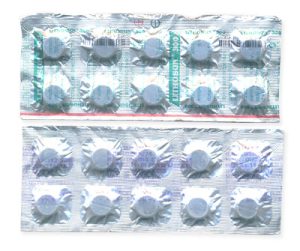
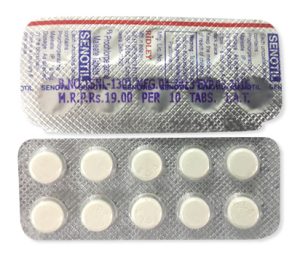
- Buspirone is administered orally as tablets (commonly 5 mg and 10 mg, blister-packed or in bottles).
- Buspirone is not fast-acting for acute anxiety; clinical benefit is typically assessed after 2–4 weeks of regular dosing rather than immediate relief.
- The drug has a relatively short pharmacological half-life (around 2–3 hours), so doses are given two to three times daily to maintain effect; anxiolytic benefit is sustained with continued regular dosing.
- Avoid alcohol while taking buspirone as alcohol can increase drowsiness and other central nervous system side effects and may worsen adverse effects.
- The most common side effect is dizziness (others include headache, nausea, nervousness, dry mouth and drowsiness).
- Would you like to try buspirone without a prescription?
Basic Buspirone Information
- INN (International Nonproprietary Name): Buspirone.
- Brand Names Available In Australia: not specified.
- ATC Code: N05BE01.
- Forms & Dosages: Tablet (oral) commonly 5 mg and 10 mg; packs typically 30, 60 or 100 tablets.
- Manufacturers In Australia: not specified.
- Registration Status In Australia: not specified.
- OTC / Rx Classification: Prescription-only (Rx).
Critical Warnings, Restrictions And Patient Protection (Australia)
High-Risk Groups (Elderly, Pregnancy, Chronic Illness)
Does this medicine need a closer look before you start?
Known allergy to buspirone is an absolute contra‑indication and the medicine must not be used.
Avoid concomitant use with MAO inhibitors because of risk of severe reactions.
Older adults, pregnant or breastfeeding people, and anyone with severe liver or kidney disease need urgent review by a pharmacist or GP before starting.
Major comorbidities such as significant cardiac disease or severe asthma also prompt immediate review.
- High-Risk Checks: full medical history including cardiac, hepatic and renal disease.
- Review current medicines for interactions, including MAO inhibitors and other CNS depressants.
- Confirm pregnancy/breastfeeding status and discuss risks if relevant.
- Check recent renal and hepatic function tests where impairment is suspected.
- Document known drug allergies and prior adverse drug reactions.
Interaction With Activities (Driving, Workplace Safety Under Australian Law)
Worried about driving or shift work while taking buspirone?
Buspirone can cause dizziness, drowsiness or light‑headedness, particularly when starting or after dose changes.
Patients should not drive, operate heavy machinery or perform safety‑critical work until they know how buspirone affects them.
Counselling and the advice given should be recorded in the patient medication history and clinical notes.
Q&A — Can I Drive After Taking It In Australia?
Q: Can I drive after taking buspirone?
A: Not until you know how it affects you.
A: If you feel drowsy, dizzy or light‑headed do not drive or perform safety‑critical tasks.
A: Reportable impairment rules under Australian road and workplace law still apply, and you should seek pharmacist or GP advice if you have a duty‑critical role.
Pre-Treatment Safety Checklist: confirm medical history, check current medicines, ask about pregnancy, review renal/hepatic function, document consent and patient education.
Usage Basics: Names, Supply And Legal Status (Australia)
INN, Brand Names Available In Australia
What is this drug called?
The International Nonproprietary Name (INN) is buspirone.
Globally it is commonly supplied in 5 mg and 10 mg scored tablets and is frequently blister‑packed for 30–60 doses per box.
International brand examples include Buspar, Ansial, Bucapsol and Buspironum, though Australian brand availability is not specified in public raw data.
- Common strengths and formats: 5 mg tablet and 10 mg tablet; scored for splitting when required.
- Typical packaging: blister packs or bottles in 30, 60 or 100 count.
Legal Classification (TGA, PBS, Prescription)
Is a prescription needed?
Buspirone is a prescription‑only medicine in major markets and in Australia it is regulated by the TGA as a prescription medication.
PBS listing status can vary by formulation and sponsor, so check current PBS listings when prescribing or dispensing.
E‑prescriptions and telehealth scripts are accepted by Australian pharmacies provided the prescription is valid.
- INN
- Buspirone
- Brand
- Buspar, Ansial, Bucapsol, Buspironum (international examples; local brands not specified)
- Supplier
- Generics commonly supplied by multinational manufacturers such as Teva and Mylan in many markets.
Dosing Guide And Titration (Practical, PBS-Aware)
Standard Regimens And PBS Reference Dosing
How should buspirone be started and adjusted?
Typical adult initiation is 7.5 mg twice daily, commonly prescribed as 5–10 mg two to three times daily depending on response.
Effect builds over days to weeks and buspirone is not suitable for rapid PRN relief of acute anxiety.
Usual clinical upper limits are commonly cited as 30 mg per day, though doses up to 60 mg per day are reported in rare cases.
- Starting/Titration Steps: baseline checks, start at 7.5 mg daily split into two doses, review at 2–4 weeks and titrate slowly to effect.
- Assess symptom response and tolerability at each review before further dose increase.
Adjustments For Comorbidities
Older patients usually start lower, for example 5 mg twice daily, and titration should be slower due to increased sensitivity.
Use caution and consider alternatives in severe hepatic or renal impairment; severe impairment is generally a reason to avoid use.
Consider interaction risks with concomitant medicines and adjust accordingly.
Q&A — What If I Miss A Dose?
Q: What should I do if I miss a dose?
A: Take the missed dose as soon as you remember unless it is close to the next scheduled dose.
A: Do not double up doses to make up for missed doses.
A: Contact your pharmacist if you miss multiple doses or if symptoms return or worsen.
Interaction Chart: Food, Drink And Drug Interactions
Food And Drinks (Alcohol, Caffeine, Australian Diet Context)
Can food or drink affect buspirone?
There are no major food interactions, but alcohol increases sedation and impairment risk when taken with buspirone.
Caffeine may aggravate anxiety symptoms and counteract perceived benefits for some patients on anxiolytic therapy.
- Avoid or limit alcohol while taking buspirone due to additive sedation and impaired coordination.
- Be cautious with energy drinks and high caffeine intake as these may worsen anxiety.
- No need for specific food restrictions, but avoid excessive heat and moisture when storing tablets.
Common Drug Conflicts
Which medicines need a pharmacist check?
| Interacting Drug | Effect | Recommended Action |
|---|---|---|
| MAO inhibitors | Contraindicated; risk of hypertensive reactions | Avoid combination; seek urgent medical review |
| CNS depressants (including alcohol, opioids, sedatives) | Additive sedation and impairment | Advise caution; monitor for drowsiness; adjust activities |
| Strong CYP3A4 inhibitors (e.g. some azoles, macrolide antibiotics) | May increase buspirone levels and adverse effects | Review dose, monitor closely, consider alternatives |
| Strong CYP3A4 inducers | May reduce buspirone efficacy | Monitor response and consider dose adjustment |
- Ask Your Pharmacist If You Take: MAO inhibitors, sedatives, strong azole antifungals, macrolide antibiotics, or medications that affect CYP3A4.
User Reports, Tolerability And Australian Trends
What do patients in Australia say about buspirone?
Online reviews and forum posts commonly highlight lower sedation and lower dependence risk compared with benzodiazepines.
Frequent adverse effects reported include dizziness, headache, nausea and changes to sleep patterns.
Many users report a delayed onset of benefit, typically several weeks, which can lead to early discontinuation if not counselled.
- Positive Themes: reduced daytime sedation, lower risk of dependence, improved daytime functioning for some patients.
- Concerns: slow onset of effect, variable effectiveness between individuals, gastrointestinal upset in some users.
- Access Issues: price sensitivity and rural availability concerns are commonly raised.
| Sentiment | Summary |
|---|---|
| Positive | Less sedation, lower dependence risk. |
| Neutral | Slower onset; mixed efficacy reports. |
| Negative | Dizziness, GI upset, cost and access issues. |
Clinicians should monitor adherence and adverse events and report suspected reactions to the TGA.
Example anonymised patient quote: “It took a few weeks before I felt calmer, but I could get through the day without feeling zonked like with diazepam.”
Access And Purchase Options In Australia
National Chains And Local Pharmacies
Where can buspirone be dispensed?
Major pharmacy chains such as Chemist Warehouse, Priceline and TerryWhite Chemmart, as well as independent community pharmacies, dispense prescription medicines including buspirone when supplied with a valid prescription.
Generics are usually stocked and brand packs may require a special order from the wholesaler.
- Community Pharmacies: local dispensing and pharmacist counselling available.
- Major Chains: likely to have generics in stock; rapid fulfilment in urban areas.
- Independent Pharmacies: may need to order specific brands; good for personalised counselling.
Online Pharmacies And Telehealth E-Prescriptions
Can you order buspirone online?
Telehealth doctors can issue e‑prescriptions that Australian pharmacies will accept for dispensing of prescription medicines.
Online Australian pharmacies can deliver to urban and rural addresses, subject to prescription verification and pharmacist counselling.
In our online pharmacy, buspirone is available without a prescription, with discreet delivery to Australia in 9-21 days.
- Safe Online Purchase Checklist: TGA‑registered supplier, valid Australian prescription, pharmacist contact available, secure delivery tracking.
- Avoid overseas pharmacies without TGA oversight due to quality and legal concerns.
| Option | Turnaround | Cost | Counselling |
|---|---|---|---|
| In‑Store | Same day to 2 days in metro | Variable | Face‑to‑face pharmacist counselling |
| Online AUS Pharmacy | 2–7 days metro; longer rural | Often competitive | Phone/email counselling by pharmacist |
Mechanism Of Action And Pharmacology (Simple + Clinical)
Simplified Explanation For Patients
How does buspirone work to relieve anxiety?
Buspirone is an anxiolytic that acts mainly as a partial agonist at serotonin 5‑HT1A receptors.
It also has moderate affinity for dopamine D2 receptors, which may contribute to its clinical effects.
Benefits usually develop over days to weeks and it does not produce benzodiazepine‑like sedation or dependence.
Clinical Pharmacology Terms (For Clinicians)
Key pharmacology points for prescribers and pharmacists.
- Partial Agonist
- Activates a receptor but produces a smaller response than a full agonist; explains modulatory effect at 5‑HT1A.
- Tmax
- Typical time to maximum plasma concentration following oral dose (varies by formulation).
- Half‑Life
- Relevant for steady‑state dosing and timing of adverse effects; buspirone is metabolised hepatically via CYP enzymes.
Diagram Suggestion: label 5‑HT1A receptor on a neuron, show partial agonist binding reducing anxiety signalling, include moderate D2 interaction.
Indications And Off-Label Uses (Australian Practice)
TGA-Approved Indications
What is buspirone approved to treat?
Buspirone’s primary indication is treatment of Generalised Anxiety Disorder (GAD) as recognised in clinical guidance.
It is commonly considered a second‑line option or chosen when benzodiazepines are inappropriate.
Off-Label Uses In Australian Clinical Practice
Which other uses are seen in practice?
Off‑label uses include adjunctive therapy for residual anxiety in depression and occasional trials in social anxiety or panic spectrum disorders where SSRIs are not tolerated.
- Approved Use: Generalised Anxiety Disorder (GAD).
- Common Off‑Label Uses: adjunct in depression with residual anxiety; trial use when SSRIs intolerable.
- When To Consult Specialist: paediatric cases, severe comorbidity, or complex polypharmacy.
Always document informed consent and monitoring plans for any off‑label prescription.
Key Clinical Findings And Evidence Summary (2022–2026 Focus)
What does the evidence show about buspirone?
Randomised trials and systematic reviews indicate moderate efficacy of buspirone versus placebo for GAD in adults.
Tolerability compares favourably with benzodiazepines due to lower dependence and withdrawal risk, but buspirone has a slower onset of action.
Comparative effectiveness versus SSRIs and SNRIs is variable and depends on individual trial designs and populations.
| Study | Population | Comparator | Outcome | Safety |
|---|---|---|---|---|
| Meta‑Analyses (various) | Adults with GAD | Placebo, other anxiolytics | Moderate efficacy vs placebo | Lower dependence vs benzodiazepines; common AEs include dizziness, nausea |
| Comparative Trials | Adults, selected cohorts | SSRIs/SNRIs, benzos | Variable efficacy; slower onset than benzos | Favourable tolerability profile |
- Clinical Takeaways: consider buspirone when dependence risk is a concern and when immediate relief is not required.
- Evidence Gaps: limited paediatric data and few long‑term comparative trials in Australian patients.
Alternatives Matrix (PBS-Listed Options And Practical Pros/Cons)
Comparison Table Suggestion
| Drug | PBS Listing | Onset | Dependence Risk | Common Side Effects | Suitability For Elderly | Cost |
|---|---|---|---|---|---|---|
| Buspirone | Varies; check PBS | Days–weeks | Low | Dizziness, nausea, headache | Generally suitable with dose reduction | Private script: approx $10–$40 per pack |
| SSRI | Many SSRIs PBS‑listed | Weeks | Low | GI upset, sexual dysfunction | Generally suitable with monitoring | Often PBS‑subsidised |
| SNRI | Some PBS listing | Weeks | Low | Nausea, insomnia, BP rise | Use cautiously | Varies |
| Benzodiazepine | Available; restrictions apply | Hours | High (dependence risk) | Sedation, cognitive impairment | Generally avoid in elderly | Often PBS‑subsidised for short term |
| Pregabalin | Listed for certain indications | Days | Moderate | Sedation, weight gain | Use cautiously | Varies |
Pros And Cons Checklist
- SSRI: slower onset, effective for comorbid depression, PBS available; monitor side effects.
- Benzodiazepine: rapid relief, high dependence risk, short‑term only; avoid long term in elderly.
- Pregabalin: effective for some anxiety disorders, sedation and weight gain possible.
- Buspirone: low dependence risk, slower onset; suitable for patients where benzos are inappropriate.
Common Questions From Australian Patients (Pharmacy Consultation Style)
What do patients ask at the counter?
- What is it for? — Buspirone is used to treat generalised anxiety disorder and reduce ongoing anxiety symptoms.
- How long until it works? — Expect days to weeks; review at 2–4 weeks for response.
- What are common side effects? — Dizziness, headache, nausea, dry mouth and sleep changes are common.
- Can I drink alcohol? — Avoid or limit alcohol due to increased drowsiness and impairment.
- Can I stop suddenly? — Do not stop abruptly without GP advice; discuss tapering if needed.
- Is it covered by PBS? — PBS listing varies by formulation and sponsor; check the PBS schedule or ask your pharmacist.
- Will it make me dependent? — Buspirone has a low risk of dependence compared with benzodiazepines.
- What if I feel worse? — Seek GP or pharmacist advice and report serious adverse effects to the TGA.
- How should I take it? — Take at the same times each day; do not double up missed doses.
- Who should I tell about it? — Inform workplace health if you have safety‑critical duties and your GP if pregnant.
Follow-Up Checklist For Pharmacists: document counselling, schedule check at 1–2 weeks then at 4 weeks, confirm adherence and tolerability.
Price And Access Comparison
Comparison Table — Pharmacy/Source, Typical Price Range, PBS Status, Prescription Required
| Supplier | Product | Typical Private Price Range | PBS Subsidy | Script Required |
|---|---|---|---|---|
| Chemist Warehouse | Generic buspirone 5 mg/10 mg | $10–$40 per pack (estimate) | Varies; check PBS | Yes |
| Priceline | Generic buspirone | $10–$40 per pack (estimate) | Varies; check PBS | Yes |
| Local Pharmacy | Generic or brand (special order) | $10–$40 per pack (estimate) | Varies | Yes |
| Online AUS Pharmacy | Generic buspirone | $10–$40 per pack (estimate) | Varies | Yes |
Access Checklist — Major Chains, Online Pharmacies, Rural Vs Urban Availability
- Confirm valid prescription before ordering.
- Check PBS eligibility and any authority requirements for subsidy.
- Request brand substitution consent if the patient prefers a specific brand.
- Allow extra delivery time for rural or remote addresses and check stock levels.
- Validate that online suppliers are Australian‑regulated and provide pharmacist contact details.
Registration, TGA Approval And PBS Detail
TGA Approval Pathway And Status
How is buspirone regulated in Australia?
Buspirone products must be TGA‑registered and listed on the ARTG to be legally supplied in Australia.
Check the ARTG entry and sponsor details when sourcing from wholesalers or when verifying product authenticity.
PBS Subsidy And Prescribing Implications
Does PBS cover buspirone?
PBS listing depends on the specific formulation and sponsor and may change over time.
Where PBS subsidy applies, prescribers must follow authority and repeat rules; where it does not, a private script is required.
| TGA Step | PBS Step |
|---|---|
| ARTG registration and sponsor details verification | Check PBS schedule for listing and authority requirements |
| Prescription‑only classification | Determine subsidy eligibility and inform patient of potential costs |
- Prescriber Checklist: confirm ARTG number when needed, check PBS for subsidy, document authority if required.
Storage And Handling (Household And Pharmacy)
Household Storage In Australian Climate
How should patients store buspirone at home?
Store tablets in the original packaging at 20–25°C and protect from moisture and excessive heat.
Advise patients in hot or humid regions to keep medicines in a cool, dry place away from direct sunlight and not to store them in bathrooms.
- Household Storage Tips: keep in original pack, out of reach of children, avoid heat sources and bathrooms.
- Travel Checklist: carry in hand luggage, keep in original packaging with prescription if flying.
Cold-Chain And Pharmacy Handling
Is cold storage required?
Buspirone does not require cold‑chain storage and should be kept at room temperature in the pharmacy.
Pharmacies must rotate stock, adhere to expiry and recall procedures, and counsel patients about avoiding leaving medicines in hot cars.
- Dispensing Staff Checklist: check expiry dates, store at room temperature, document lot numbers when necessary, advise patients on transport in hot weather.
Guidelines For Proper Use: Pharmacist Counselling & Patient Materials
Australian Pharmacist Counselling Style (Practical Script)
How to counsel a patient picking up buspirone.
Start with the reason for treatment and expected timeframe for benefit: days to weeks, not immediate relief.
Explain the dose, timing and what to do if a dose is missed.
Mention common side effects and when to seek urgent help, including signs of allergic reaction.
Advise about driving and workplace safety, alcohol avoidance, and interactions with MAO inhibitors.
Arrange follow‑up contact at 1–2 weeks and again at 4 weeks to assess response and tolerability.
- Printable One‑Page Patient Checklist: indication, dose/timing, expected onset, side effects to monitor, emergency signs, pharmacist/GP contact details.
Patient Advice From PBS And National Health Authorities
Where can patients get official written information?
Provide patients with PBS fact sheets where available and direct them to TGA safety updates for the most current regulatory information.
Record counselling in the patient medication record and include planned follow‑up appointments.
- Emergency Signs To Seek Help: severe allergic reaction, sudden severe dizziness, fainting or unresponsiveness.
- Monitoring Checklist: symptom change, new side effects, interactions with new medicines.
Delivery Across Australia
| City | Region | Delivery Time |
|---|---|---|
| Sydney | New South Wales | 9-14 days |
| Melbourne | Victoria | 9-14 days |
| Brisbane | Queensland | 9-14 days |
| Perth | Western Australia | 9-14 days |
| Adelaide | South Australia | 9-14 days |
| Canberra | Australian Capital Territory | 9-14 days |
| Hobart | Tasmania | 9-14 days |
| Darwin | Northern Territory | 9-14 days |
| Gold Coast | Queensland | 9-14 days |
| Newcastle | New South Wales | 9-14 days |
| Wollongong | New South Wales | 9-14 days |
| Geelong | Victoria | 9-14 days |
| Townsville | Queensland | 14-21 days |
| Cairns | Queensland | 14-21 days |
| Alice Springs | Northern Territory | 14-21 days |