Diclofenac
In brief
- Diclofenac is available from pharmacies in Australia and many other countries, and some topical low-dose forms may be supplied without a prescription, while oral, injectable and higher-strength products are usually prescription-only. Packaging and brand names vary by country, including Voltaren and Voltarol.
- Diclofenac is a non-steroidal anti-inflammatory drug (NSAID) used to relieve pain and inflammation in conditions such as osteoarthritis, rheumatic pain, acute musculoskeletal pain, and some eye inflammation. It works by inhibiting cyclo-oxygenase (COX) enzymes, which reduces prostaglandin production and helps decrease pain, swelling, and fever.
- The usual adult dose depends on the form and condition: oral tablets are commonly 50–100 mg up to 2–3 times daily, with a maximum of 150 mg per day; for acute pain, a single 50–75 mg dose may be used; topical gel is typically applied as 2–4 g to the affected area 3–4 times daily; and eye drops are usually 1 drop 4–5 times daily as directed.
- Diclofenac is administered as tablets, capsules, topical gel/cream, suppositories, injections, eye drops, sprays, or patches, depending on the product and indication.
- Diclofenac usually starts to work within about 30 minutes to 1 hour when taken orally, and topical forms may begin easing pain within a few hours, though full benefit can take longer.
- The duration of action is generally around 4–6 hours for standard oral forms, while extended-release products and some topical preparations may last longer.
- It is best to avoid alcohol while taking diclofenac, as alcohol can increase the risk of stomach irritation, ulcers, and bleeding.
- The most common side effects include nausea, indigestion, stomach pain, headache, dizziness, and rash or skin irritation with topical use.
- Would you like to try diclofenac without a prescription?
Basic Diclofenac Information
- INN (International Nonproprietary Name): Diclofenac
- Brand Names Available In Australia: Voltaren, Voltarol, Diclac, Voveran, Diclofenac Sandoz, APO-Diclofenac, Fenac 25, Fenac 50, Solaraze
- ATC Code: M01AB05, M02AA15, S01BC03
- Forms & Dosages: Tablets 25 mg, 50 mg, 75 mg, 100 mg; gel/cream 1%, 2%, 3%; suppositories 12.5 mg, 25 mg, 50 mg, 100 mg; injection 25 mg/mL, 75 mg/3 mL; eye drops 0.1%; spray/patch 4%, 5% varies
- Manufacturers In Australia: Not specified
- Registration Status In Australia: TGA-approved for relevant indications, with access depending on formulation and strength
- OTC / Rx Classification: OTC for many topical forms and some low-dose oral forms in some countries; prescription for oral, injectable, higher strength topical, and eye drop forms
What Diclofenac Is And Why Australians Search For It
Diclofenac explained
Diclofenac is the International Nonproprietary Name, or INN, for a well-known non-steroidal anti-inflammatory drug.
People usually search for it when pain, swelling, or stiffness is making day-to-day life harder, whether that is a sore knee after gardening or a flare of rheumatic pain that has made mornings miserable.
It is one of the most prescribed NSAIDs globally because it has strong anti-inflammatory and pain-relieving effects.
Brand names and search terms
In Australia, people often look for diclofenac by brand name rather than the generic name, especially when comparing diclofenac gel, diclofenac tablets, or Voltaren gel.
Common search terms include diclofenac sodium, diclofenac potassium, Voltaren, Voltarol, Diclac, Voveran, Solaraze, and Diclofenac Sandoz.
- Diclofenac sodium
- The sodium salt form commonly seen in tablets and topical products.
- Diclofenac potassium
- A potassium salt form used in some oral products, including fast-acting tablets in some markets.
- Diclofenac gel
- A topical form applied to a local area for muscle or joint pain.
Available Forms, Strengths And How They Differ
Available dosage forms
Diclofenac comes in several routes of administration, which is why the right product matters as much as the ingredient itself.
Oral tablets are available in 25 mg, 50 mg, 75 mg, and 100 mg strengths, while gel and cream products may be 1%, 2%, or 3%.
Other forms include suppositories, injections, eye drops, and topical spray or patch products.
Practical differences for patients
Topical forms are usually chosen for localised pain, such as a painful wrist, shoulder, or knee.
Oral forms work systemically, so they may suit broader inflammatory pain, but they also carry more gastrointestinal, cardiovascular, and renal risk.
| Form | Typical Onset | Convenience | Common Use Cases |
|---|---|---|---|
| Tablets | Moderate | High | Osteoarthritis, rheumatic pain, acute pain |
| Gel/Cream | Local and gradual | High | Localised muscle and joint pain |
| Suppositories | Moderate | Lower | When oral use is not suitable |
| Injection | Fast | Low | Clinically managed acute pain |
| Eye Drops | Local | High | Ophthalmic indications |
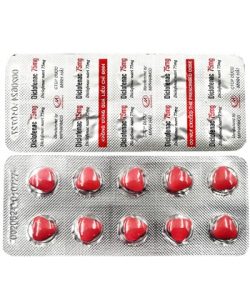
Packaging commonly includes blister packs for tablets, gel tubes of 10 g, 20 g, 50 g, or 100 g, and ampoules or vials for injectable products.
Australian Regulation, Access And Prescription Rules
Australian regulation and access
Diclofenac products are TGA-approved in Australia, but availability depends on the formulation and strength.
Topical products are often available over the counter, while oral tablets, injections, higher-strength topical products, and eye drops are typically prescription only.
PBS and patient access
PBS subsidy rules vary by product and indication, so the final cost can differ a lot between a pharmacy shelf purchase and a prescription supply.
That matters to many Australians because they shop carefully, especially when comparing prices at Chemist Warehouse, Priceline, and TerryWhite Chemmart.
- OTC products: often topical gels, patches, and sprays, with some low-dose oral options in some countries.
- Prescription products: oral tablets, injectable forms, higher-strength topical products, and eye drops.
- When PBS may matter most: ongoing treatment, larger pack sizes, or products used for chronic conditions.
For online ordering, diclofenac is available without a prescription in our online pharmacy, with discreet delivery to Australia in 9 to 21 days.
How Diclofenac Works
Mechanism of action
Diclofenac helps ease pain and inflammation by reducing prostaglandin production through COX pathways.
In plain terms, it turns down the chemical signals that drive swelling, tenderness, and pain.
Clinical note: because it is an NSAID, diclofenac carries gastrointestinal, cardiovascular, and renal risks, so the lowest effective dose for the shortest time is the safest approach.
Atc classification
- M01AB05
- Musculo-skeletal system anti-inflammatory and antirheumatic use.
- M02AA15
- Topical anti-inflammatory treatment for joint or muscular pain.
- S01BC03
- Ophthalmological anti-inflammatory use in eye drop products.
Approved Uses And Common Clinical Reasons For Use
TGA-approved uses
Diclofenac is used for osteoarthritis, rheumatic pain, acute pain, topical localised musculoskeletal pain, and selected ophthalmic indications.
The exact dose and form depend on the condition being treated.
- Approved uses: osteoarthritis, rheumatic pain, acute pain, topical localised musculoskeletal pain, ophthalmic indications.
- Sometimes considered off-label: selected clinician-directed situations where an NSAID is appropriate and the risk profile has been reviewed.
Some Australian clinicians may use diclofenac off-label in specific cases, but that decision needs individual assessment, especially in people with higher risk.
Over-the-counter availability does not mean it is suitable for long-term unsupervised use.
Standard Adult Dosing And How It Is Usually Taken
Oral dosing examples
For osteoarthritis and rheumatic pain, the usual adult oral range is 50 mg to 100 mg up to two to three times daily, with a maximum of 150 mg per day.
For acute pain, a single 50 mg to 75 mg oral dose or an intramuscular injection may be used where appropriate.
Formulations vary, including film-coated, gastro-resistant, and extended-release products.
Topical and other forms
For topical use, a common regimen is 2 g to 4 g of gel applied to the affected area three to four times daily.
Eye drop dosing is commonly one drop four to five times daily, depending on the indication.
Suppositories and injections should only be used where clinically appropriate and with the right instructions.
Micro-FAQ: What If I Miss A Dose?
Take it when remembered unless it is nearly time for the next dose.
Do not double up.
Best-practice dose advice
The safest approach is the shortest duration at the lowest effective dose, with medical supervision for longer-term use.
| Form | Typical Adult Dose | Usual Use |
|---|---|---|
| Tablets | 50 mg to 100 mg up to 2 to 3 times daily, maximum 150 mg daily | Osteoarthritis, rheumatic pain |
| Acute oral dose | Single 50 mg to 75 mg | Acute pain |
| Gel | 2 g to 4 g, 3 to 4 times daily | Localised pain |
| Eye drops | 1 drop 4 to 5 times daily | Ophthalmic indications |
Dose Adjustments For Children, Older Adults And Comorbidities
Children and adolescents
In children, oral or rectal forms may be used when prescribed, with dosing based on body weight.
The usual weight-based range is 1 mg/kg/day to 3 mg/kg/day, divided into two to three doses.
Maximum daily doses vary by country and indication, and often should not exceed 75 mg to 100 mg total for children older than six years.
Older adults and chronic illness
Older adults need the lowest effective dose and closer monitoring because GI, renal, and cardiovascular adverse effects are more likely.
Extra care is needed in mild to moderate kidney or liver impairment, hypertension, diabetes, inflammatory bowel disease, anticoagulation therapy, and congestive heart failure.
Practical patient guidance
Anyone taking multiple medicines should confirm the dose with a pharmacist or prescriber before starting.
- Older adults.
- People with kidney or liver impairment.
- People with hypertension or diabetes.
- People with inflammatory bowel disease.
- People taking anticoagulants.
- People with congestive heart failure.
Side Effects, Warning Signs And When To Seek Help
Common and moderate side effects
The more common effects include nausea, headache, dizziness, indigestion, abdominal pain, and rash with topical use.
Moderate effects can include fluid retention, hypertension, elevated liver enzymes, pruritus, and injection-site pain.
Serious symptoms
Serious warning signs can include vomiting blood, black stools, chest pain, breathlessness, facial swelling, severe rash, reduced urine output, and confusion.
Overdose may cause gastrointestinal disturbance, central nervous system effects, and renal impairment.
- Stop taking diclofenac and seek urgent medical care if serious symptoms appear.
- Call 000 if there is chest pain, severe breathing difficulty, collapse, or a severe allergic reaction.
Patient action steps
If a rash becomes widespread, breathing becomes tight, or swelling starts in the face or throat, urgent help is needed.
That is not the time to “wait and see”.
Interactions With Other Medicines, Alcohol And Food
Drug interactions
Diclofenac can interact with anticoagulants, other NSAIDs, corticosteroids, antihypertensives, diuretics, lithium, methotrexate, and medicines that affect the kidneys or bleeding risk.
Every prescription, over-the-counter, and complementary medicine should be checked before use.
Food, alcohol and Australian habits
Food may help reduce stomach upset with oral diclofenac, but it does not remove the underlying risk.
Alcohol can increase stomach irritation and bleeding risk, so caution is sensible, especially if treatment is longer than a few days.
| Interaction Type | Risk | What To Do |
|---|---|---|
| Anticoagulants | Bleeding risk | Get medical advice before use |
| Other NSAIDs | Higher adverse-effect risk | Avoid combining unless told to |
| Antihypertensives and diuretics | Reduced effect or kidney risk | Check with a pharmacist |
| Lithium or methotrexate | Interaction risk | Needs prescriber review |
| Alcohol | More stomach irritation and bleeding risk | Limit or avoid |
Access In Australia Through Pharmacies And Telehealth
Where Australians get diclofenac
Australians commonly buy diclofenac through community pharmacies, big chains, and online pharmacies, with telehealth e-prescriptions making access easier for suitable prescription products.
Major chains such as Chemist Warehouse, Priceline, and TerryWhite Chemmart are familiar options for many patients.
Rural versus urban access
Urban pharmacies often have more brand and strength choices, while rural patients may rely more on local pharmacists, mail-order supply, and e-prescriptions.
Pharmacist counselling is central because many Australians trust pharmacists highly when choosing between Voltaren tablets, diclofenac gel, or a prescription-only option.
- Check local stock availability.
- Confirm whether a prescription is required.
- Ask about delivery times.
- Check PBS eligibility.
- Ask whether a brand substitution is suitable.
Prices, Subsidy And Value Comparison
Cost and subsidy expectations
Prices vary by form, brand, pack size, and whether the product is PBS subsidised.
Topical OTC products may be sold without a prescription, while oral and higher-risk products may require one.
Comparison table
| Product / Form | Typical Source | Prescription Required? | PBS Subsidy Status | Typical Out-of-Pocket Range |
|---|---|---|---|---|
| Voltaren gel | Pharmacy / online pharmacy | No for many topical packs | Varies by product | Varies by pack size |
| Diclofenac tablets | Prescription pharmacy | Yes | Varies by indication | Varies by PBS and private pricing |
| Voltaren Rapid | Prescription pharmacy | Yes | Varies by product | Varies by pack size |
| Solaraze gel | Pharmacy / prescription supply | Often yes | Varies by indication | Varies by pack size |
Patients often compare generic and branded options to find better value, so checking the active ingredient on the pack is always worthwhile.
Safety In Pregnancy, Breastfeeding And Special Situations
Pregnancy and breastfeeding
Diclofenac is contraindicated in the third trimester of pregnancy.
In earlier pregnancy and while breastfeeding, it should only be used with medical advice after a risk assessment.
Other special situations
Extra caution is needed in asthma, ulcer disease, heart failure, renal disease, and liver disease, as well as in people with NSAID sensitivity.
- Ask your doctor before use if you are pregnant.
- Ask your doctor before use if you are breastfeeding.
- Ask your doctor before use if you have asthma after NSAIDs.
- Ask your doctor before use if you have had a stomach ulcer or GI bleeding.
- Ask your doctor before use if you have kidney, liver, or heart disease.
Storage, Transport And Handling In Australian Conditions
Household storage
Store diclofenac at 15 to 30 degrees Celsius, protected from moisture, heat, and light.
Topical forms should not be refrigerated unless the product directions say otherwise.
Ampoules and vials should stay in their original packaging until use.
Heat, humidity and travel
Australian summers can be rough on medicines, so avoid keeping diclofenac in a glove box, on a sunny windowsill, or near heat sources.
During travel, protect it from direct sun and high temperatures.
- Keep medicines in a cool, dry place.
- Leave ampoules in original packaging.
- Avoid the car dashboard and glove box.
- Check expiry dates before travel.
Frequently Asked Questions And Practical Counselling Points
Australian pharmacist-style counselling
Most community pharmacy counselling starts with the same points: use the lowest effective dose, do not combine with other NSAIDs unless advised, and seek help if stomach, heart, kidney, or allergy symptoms appear.
It also matters to confirm whether the product is over the counter or prescription only before starting.
Common patient questions
Can I take diclofenac with food?
Yes, food may help reduce stomach upset, but it does not remove the risk of ulcers or bleeding.
Can I use diclofenac gel with tablets?
Only if a pharmacist or doctor has said it is appropriate, because the combined NSAID load may increase risk.
How long can I use it for?
Most acute regimens are short, and longer use needs medical supervision and review.
Is it safe with blood pressure medicine?
It may affect blood pressure control or kidney function, so a pharmacist check is sensible.
What should I check before starting?
Micro-FAQ: What Should I Check Before Starting?
Check allergies, pregnancy status, kidney or liver disease, current medicines, stomach ulcer history, and whether dizziness could affect driving or work.
Patient self-check before use
- Any allergy to diclofenac or other NSAIDs.
- Any pregnancy, especially the third trimester.
- Any kidney, liver, heart, or stomach ulcer history.
- Any blood thinners, steroids, diuretics, or blood pressure medicines.
- Any dizziness that could affect driving or machinery.
- Any black stools, chest pain, shortness of breath, swelling, severe rash, or reduced urine output.
High-risk groups In Australia
The biggest safety concerns are for people with a history of NSAID allergy, active ulcer disease, GI bleeding, severe heart, liver, or kidney dysfunction, third trimester pregnancy, or NSAID-triggered asthma, urticaria, or allergic reactions.
Older adults, people with hypertension, diabetes, inflammatory bowel disease, mild to moderate kidney or liver impairment, anticoagulant use, and breastfeeding patients need individual assessment.
Red flags: black stools, chest pain, shortness of breath, swelling, severe rash, and reduced urine output.
Safety advice for Australian patients
Diclofenac is an NSAID, so the GI, cardiovascular, and renal risks are real, even when the product is familiar.
That is why the lowest effective dose for the shortest time is still the best rule.
Some high-dose formulations have been restricted overseas, which is another reason to use medical oversight rather than assuming all NSAID packs are interchangeable.
Can I Drive After Taking Diclofenac In Australia?
Dizziness can occur, so avoid driving or operating machinery if you feel affected.
Delivery Across Australia
| City | Region | Delivery Time |
|---|---|---|
| Sydney | New South Wales | 9-14 days |
| Melbourne | Victoria | 9-14 days |
| Brisbane | Queensland | 9-14 days |
| Perth | Western Australia | 9-14 days |
| Adelaide | South Australia | 9-14 days |
| Canberra | Australian Capital Territory | 9-14 days |
| Hobart | Tasmania | 9-14 days |
| Darwin | Northern Territory | 9-14 days |
| Gold Coast | Queensland | 9-14 days |
| Newcastle | New South Wales | 14-21 days |
| Wollongong | New South Wales | 14-21 days |
| Geelong | Victoria | 14-21 days |
| Townsville | Queensland | 14-21 days |
| Albury | New South Wales | 14-21 days |