Dulcolax
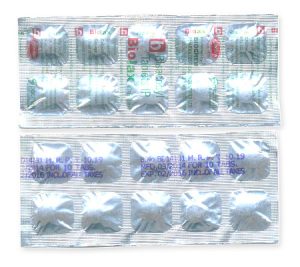
In brief
- In our pharmacy, you can buy dulcolax without a prescription, with delivery across Australia in 2–7 business days. Discreet, anonymous packaging and standard tracking available.
- Dulcolax (bisacodyl) is used for occasional constipation and short‑term bowel cleansing before procedures; it is a stimulant laxative that increases colonic peristalsis and fluid secretion.
- The usual dose for adults is oral 5–10 mg once daily (tablets) or a single 10 mg suppository; for bowel preparation oral regimens of 10–20 mg the night before plus a 10 mg suppository in the morning are used under medical guidance—do not use for more than 1 week without a doctor’s supervision.
- Forms of administration: enteric‑coated oral tablets (5 mg), rectal suppositories (10 mg) and rectal enema solution (10 mg/30 mL).
- Onset time: oral tablets usually take 6–12 hours (often overnight); suppositories typically work in 15–60 minutes; enemas usually act within 5–15 minutes.
- Duration of action: typically produces a single bowel movement and effects generally resolve within 24 hours.
- Alcohol warning: avoid or limit alcohol while using dulcolax as it may increase the risk of dehydration, dizziness and electrolyte disturbances.
- The most common side effect is abdominal cramps; other common effects include diarrhoea, nausea and rectal irritation, and there is a risk of dehydration or electrolyte imbalance with excessive use.
- Would you like to try dulcolax without a prescription?
Critical Warnings, Safety & Patient Protection (Australia)
Basic Dulcolax Information
- INN (International Nonproprietary Name): Bisacodyl
- Brand Names Available In Australia: Dulcolax (brand listed in international markets); other commercial and generic bisacodyl formulations may be available in Australia (not specified).
- ATC Code: A06AB02
- Forms & Dosages: Tablet (enteric) 5 mg oral; Suppository 10 mg rectal; Enema solution 10 mg/30 mL rectal.
- Manufacturers In Australia: Sanofi and local licensees are listed for Asia‑Pacific in global supplier data (specific Australian manufacturers not specified).
- Registration Status In Australia: Not specified — check TGA ARTG for current product listings and approved indications.
- OTC / Rx Classification: Over‑the‑counter (OTC) in most countries; occasionally prescription for high‑dose or procedural use.
Key Safety Points And Red Flags
Do not use if you have suspected bowel obstruction, acute surgical abdomen, severe dehydration, known allergy to bisacodyl or severe inflammatory bowel disease such as Crohn’s disease, ulcerative colitis or proctitis.
Limit use to short‑term only and do not use for more than one week without medical review.
Stop treatment and seek urgent care for severe abdominal pain, persistent vomiting, high fever, or blood in the stool.
- Immediate Red Flags: severe abdominal pain, persistent vomiting, rectal bleeding, high fever, signs of dehydration, sudden severe constipation with vomiting.
- Seek Urgent Care Checklist:
- Severe or worsening abdominal pain.
- Repeated vomiting or inability to keep fluids down.
- High fever with abdominal symptoms.
- Bright red blood or black/tarry stools.
- Dizziness, fainting or signs of severe dehydration.
High‑Risk Groups (Elderly, Pregnancy, Chronic Illness)
Elderly patients have a higher risk of electrolyte disturbance and dehydration with prolonged diarrhoea and should be monitored closely.
Discuss use in pregnancy and breastfeeding with a GP and avoid unless clearly needed and advised by a clinician.
Children under six years must not use bisacodyl without medical advice; consult a doctor for children under six.
Interaction With Activities (Driving, Workplace Safety)
Bisacodyl may cause abdominal cramps, urgency and occasional dizziness.
Plan activities so you are near facilities and avoid heavy machinery or safety‑critical tasks if symptoms occur.
Q&A — “Can I Drive After Taking It In Australia?”
Short answer: do not drive if you feel dizzy, faint or have an urgent need to open a bowel movement.
If you have no side‑effects and feel well after dosing, driving is generally permitted.
Consider timing doses at night or when you are at home to reduce the risk of an urgent episode while driving.
Follow workplace safety policies and your legal obligations regarding fitness for work.
Usage Basics: INN, Brands & Legal Classification In Australia
INN And Common Brand Names
The International Nonproprietary Name (INN) is bisacodyl.
Dulcolax is a major brand internationally, with oral tablets typically 5 mg and suppositories 10 mg as common packaging.
- Forms: Tablets (enteric 5 mg), Suppositories (10 mg), Enemas (10 mg/30 mL).
Regulatory Classification (TGA & PBS Context)
Bisacodyl products are commonly available over the counter in many countries and are TGA‑registered in various markets for short‑term relief of occasional constipation and bowel evacuation when listed on ARTG.
The Pharmaceutical Benefits Scheme (PBS) generally does not subsidise routine OTC stimulant laxatives like bisacodyl for everyday constipation.
Bowel‑preparation regimens for hospital procedures may be handled separately by hospitals and clinical services; check PBS listings and local hospital supplies for subsidy details.
| INN | Common Strengths | Typical OTC Status |
|---|---|---|
| Bisacodyl | 5 mg (oral), 10 mg (suppository) | Typically OTC in many countries; check TGA ARTG for Australia listings |
Dosing Guide (Adults, Children, Adjustments)
Standard Regimens (Everyday And Bowel Prep)
For occasional constipation in adults, oral bisacodyl is usually 5–10 mg once daily.
Swallow enteric tablets whole with water and do not chew or crush the tablet.
A 10 mg suppository is used as a single rectal dose for faster effect.
For bowel evacuation before procedures, a common regimen is 10–20 mg oral the night before and a 10 mg suppository the morning of the procedure, following clinician instructions.
Adjustments For Comorbidities
No routine dose adjustment is specified for the elderly or patients with renal or hepatic impairment, but use caution and monitor for dehydration and electrolyte disturbance.
Children older than six years may use oral 5 mg; children under six years require medical advice.
Q&A — “What If I Miss A Dose?”
Skip the missed dose if the effect is imminent and do not double the next dose.
For bowel‑prep regimens always follow the specific written instructions from your clinic or pharmacist.
- Before Dosing Checklist:
- Take enteric tablets whole with water.
- Avoid taking tablets with milk or antacids within 1–2 hours.
- Consider taking oral bisacodyl at night for morning action.
- Suppositories can be used for rapid relief during the day as needed.
- If Side Effects Occur:
- Stop treatment if severe cramps, persistent diarrhoea, dizziness or rectal irritation occur.
- Maintain hydration and seek pharmacist or GP review if symptoms persist beyond 48 hours.
Interactions — Food, Drinks And Medicines
Food And Drink Interactions (Australian Diet Context)
Do not take bisacodyl tablets with milk or antacids because the enteric coating can be dissolved prematurely, causing stomach irritation and reduced effect.
Alcohol does not have a direct pharmacological interaction but may worsen dehydration if diarrhoea follows dosing.
Caffeinated drinks can increase colonic activity for some people and may amplify cramps and urgency when combined with stimulant laxatives.
Common Drug Interactions And Cautions
Concomitant use with potassium‑wasting diuretics, corticosteroids, ACE inhibitors or other medicines that affect electrolyte balance increases the risk of electrolyte disturbance if severe diarrhoea occurs.
Antacids and H2 blockers may affect timing; separate bisacodyl tablets from antacids or milk by at least one to two hours.
| Drug | Effect | Practical Advice |
|---|---|---|
| Antacids / Milk | May dissolve enteric coating early | Separate dosing by 1–2 hours |
| Potassium‑wasting diuretics / Corticosteroids | Higher risk of electrolyte imbalance with prolonged diarrhoea | Monitor electrolytes if prolonged use; avoid prolonged concurrent use |
| ACE Inhibitors / ARBs | Contribute to electrolyte disturbances when combined with diarrhoea | Advise monitoring and GP review for long‑term issues |
- High‑Risk Combinations: diuretics, systemic corticosteroids, ACE inhibitors, ARBs and other drugs affecting sodium/potassium balance.
Australian Patient Feedback & Usage Trends
Patients commonly report good efficacy for occasional constipation and faster relief from rectal forms like suppositories.
Abdominal cramps and urgency are frequent adverse reports in consumer feedback and pharmacy counselling notes.
Price sensitivity and preference for generics are strong themes among Australian shoppers.
- Pros: reliable short‑term relief, rectal forms act quickly, commonly available OTC.
- Cons: cramps and urgency, risk of dehydration with repeated use, not for long‑term daily management.
Urban shoppers often use large national chains and online retailers, while rural patients rely more on local pharmacies and telehealth scripts when stock is limited.
Pharmacists report frequent queries about daily use and provide education on short‑term dosing and underlying causes of chronic constipation.
- What Patients Often Want To Know:
- How quickly will it work?
- Is it safe in pregnancy?
- Can I use it every day?
Access & Purchase Options In Australia
Major Retail And Pharmacy Outlets
Major chains such as Chemist Warehouse, Priceline and TerryWhite Chemmart commonly carry bisacodyl tablets and suppositories, though availability varies by store.
Online Pharmacies, Telehealth & Rural Access
Many Australian online pharmacies sell OTC bisacodyl with standard shipping and discrete packaging.
Telehealth services can provide prescriptions for clinical indications where required and local pharmacies can dispense per script.
Rural patients should call ahead to check stock and consider postal delivery or pharmacist‑recommended alternatives when supplies are limited.
- Where To Buy:
- In‑store OTC at community pharmacies and major chain stores.
- Online pharmacy purchase with delivery.
- Hospital or clinic supply for procedural bowel‑preparation dosing.
| Source | Typical Availability | Notes |
|---|---|---|
| Community Pharmacy (In‑store) | Usually OTC | Call ahead for stock; ask pharmacist for generics |
| Online Pharmacy | Common, with shipping | Discreet delivery; shipping adds time and cost |
| Hospital / Clinic Supply | By protocol | Used for procedural bowel prep; staff supply as required |
In our online pharmacy, dulcolax is available without a prescription, with discreet delivery to Australia in 9–21 days.
Mechanism Of Action & Pharmacology (Brief)
How Bisacodyl Works
Bisacodyl is a stimulant (contact) laxative that increases colonic peristalsis and stimulates secretion of water and electrolytes into the colon to produce a bowel movement.
The ATC code is A06AB02.
Onset And Formulations
Oral enteric‑coated tablets usually act within 6–12 hours, which is why they are often taken at night for morning action.
Suppositories and enemas act faster, often within minutes to a few hours for a local rectal effect.
- Bisacodyl = stimulant laxative.
- ATC Code = A06AB02.
- Forms = enteric tablet 5 mg, suppository 10 mg, enema 10 mg/30 mL.
Indications & Off‑Label Uses (Australian Practice)
TGA‑Registered/Labelled Indications
Registered indications include short‑term treatment of occasional constipation in adults and children according to product ARTG listings.
Bisacodyl is also used for bowel cleansing before surgery, radiology or colonoscopy when used per clinical instructions.
Off‑Label Or Restricted Uses
- Approved Uses: short‑term relief of occasional constipation; bowel cleansing prior to procedures when used as directed.
- Uses Requiring Clinician Oversight: chronic daily use for habitual constipation, high‑dose or combined bowel prep regimens—evaluate underlying causes and use under clinical guidance.
Key Clinical Findings & Evidence Summary (2022–2026 Perspective)
Systematic reviews and randomised trials show stimulant laxatives such as bisacodyl are effective for short‑term relief of occasional constipation and in bowel evacuation protocols.
Rectal formulations produce faster onset than oral tablets in trials and clinical practice.
- Efficacy: Effective for short‑term relief of occasional constipation and bowel evacuation.
- Speed Of Onset: Suppositories/enemas act faster than oral enteric tablets.
- Safety Concerns: Abdominal cramps, diarrhoea and rectal irritation are common; serious electrolyte disturbance occurs with prolonged or high‑dose use.
Monitor vulnerable patients such as the elderly or those on diuretics for electrolyte imbalance if prolonged diarrhoea occurs.
For clinicians, consult TGA guidance and recent systematic reviews for protocol details and safety monitoring recommendations.
Alternatives Matrix — Pros, Cons And PBS Options
Comparison Of Common Alternatives
Senna (sennosides) is a stimulant laxative with similar efficacy to bisacodyl and is commonly available OTC.
Sodium picosulfate is a related stimulant used for constipation and bowel preparation.
Polyethylene glycol (PEG, macrogol/Forlax) is an osmotic laxative that is gentler for longer‑term use and often preferred for chronic constipation.
Lactulose is an osmotic agent useful in chronic constipation and for hepatic encephalopathy contexts.
| Agent | Class | Typical Use | PBS Status | Pros & Cons |
|---|---|---|---|---|
| Senna | Stimulant | Occasional constipation | Often OTC | Effective; may cause cramps similar to bisacodyl |
| Sodium Picosulfate | Stimulant | Constipation, bowel prep | Varies | Good for bowel prep; similar safety profile |
| Polyethylene Glycol (PEG) | Osmotic | Chronic constipation, maintenance | May be PBS‑subsidised in specific cases | Gentler for longer use; less cramping |
| Lactulose | Osmotic | Chronic constipation, hepatic encephalopathy | Specific PBS indications | Useful for chronic use; can cause bloating |
- Patient Counselling Pros/Cons Checklist:
- Onset: suppository fastest, oral tablets slower (6–12 hours).
- Side Effects: stimulant laxatives cause cramps and urgency; osmotics are gentler.
- Elderly/Pregnancy: osmotic agents often preferred for gentler profile; discuss risks with GP.
Common Pharmacy FAQs (Australian Context)
- Can I Take It Every Day? No — avoid use for more than one week without GP review and investigate causes of chronic constipation.
- Is It Safe In Pregnancy? Use only if a clinician advises that benefits outweigh risks; consider alternatives and seek GP advice.
- How Fast Will It Work? Oral tablets typically 6–12 hours; suppositories often within minutes to a few hours.
- Can Children Use It? Children over six years may use lower oral doses; children under six require medical advice.
Seek pharmacist or GP review if symptoms persist, red flags appear or if repeated use is being considered.
Price & Access Comparison
Suggested Table Content
| Pharmacy / Source | Typical OTC Price Range (AUD) | PBS Subsidy | Prescription Required? | Notes |
|---|---|---|---|---|
| Chemist Warehouse | $5–$18 | Generally no | No for OTC packs | Availability may vary by store and pack size |
| Priceline | $5–$18 | Generally no | No for OTC packs | Generics may be cheaper |
| TerryWhite Chemmart | $5–$18 | Generally no | No for OTC packs | Suppositories and tablets commonly stocked |
| Online Pharmacies | $5–$18 + shipping | Generally no | No for OTC packs | Discreet delivery; shipping time varies |
| Hospital Supply | Not applicable | Provided as per hospital protocol | Yes for procedural regimens | Supplied for bowel prep per clinical protocol |
- If You Cannot Find Product: call stores ahead, ask a pharmacist for generics or suitable alternatives, or consider a telehealth script for prescription options if clinically indicated.
Registration, TGA & PBS Regulatory Notes
TGA Approval & ARTG
Confirm individual product ARTG entries on the TGA website for up‑to‑date registration details and approved indications.
PBS Subsidy And Policy Notes
Stimulant laxatives such as bisacodyl are typically OTC and not routinely PBS‑subsidised for everyday constipation.
Check PBS schedules or consult a pharmacist or GP for subsidy eligibility in defined clinical scenarios.
- Checklist: check TGA ARTG, check PBS listings, ask your pharmacist for the ARTG number if needed.
Storage, Transport & Pharmacy Handling (Australian Climate)
Household Storage And Precautions
Store bisacodyl at room temperature below 25°C away from moisture and direct sunlight.
Keep all products out of reach of children.
Protect suppositories from excessive heat to avoid melting.
Pharmacy/Retail Handling
No cold chain is required for bisacodyl products.
Protect suppositories from heat in transport and display and use protective packaging for online orders during hot weather.
Consider expedited delivery for rural/remote shipments during warm months to avoid melting.
| Form | Storage Note |
|---|---|
| Tablets | Store <25°C away from moisture |
| Suppositories | Avoid heat; protect from melting during transport |
| Enema | Store <25°C; single‑use bottles |
Practical Counselling Points For Australian Pharmacists & Patients
Pharmacist Counselling Checklist
- Confirm the indication and intended duration of use and advise short‑term use only.
- Ask about red flags such as severe pain, fever, vomiting or bleeding.
- Advise correct administration: swallow enteric tablets whole with water and avoid milk or antacids near dosing.
- Explain timing: take oral tablets at night for morning relief if appropriate.
- Demonstrate suppository technique and discuss privacy and hygiene.
- Warn about cramps, urgency and dehydration and advise fluid and electrolyte replacement if diarrhoea occurs.
- Consider alternatives such as PEG for gentler longer‑term management and refer to GP for chronic constipation.
- Quick reference: TGA ARTG and PBS resources for clinicians and product registration status.
Patient Take‑Home Checklist
- Use bisacodyl only short‑term unless directed by a GP; avoid daily use for more than one week.
- Swallow tablets whole and do not chew or crush them.
- Avoid taking tablets with milk or antacids within 1–2 hours of dosing.
- Expect oral tablets to work in roughly 6–12 hours and suppositories to act much faster.
- Seek review if constipation persists, if red flags appear, or if frequent dosing is needed.
- Store products at room temperature and keep suppositories cool to avoid melting.
Delivery Across Australia
| City | Region | Delivery Time |
|---|---|---|
| Sydney | New South Wales | 9–14 days |
| Melbourne | Victoria | 9–14 days |
| Brisbane | Queensland | 9–14 days |
| Perth | Western Australia | 9–14 days |
| Adelaide | South Australia | 9–14 days |
| Canberra | Australian Capital Territory | 9–14 days |
| Hobart | Tasmania | 9–14 days |
| Gold Coast | Queensland | 9–14 days |
| Newcastle | New South Wales | 14–21 days |
| Wollongong | New South Wales | 14–21 days |
| Geelong | Victoria | 14–21 days |
| Cairns | Queensland | 14–21 days |
| Townsville | Queensland | 14–21 days |
| Darwin | Northern Territory | 14–21 days |