Finpecia
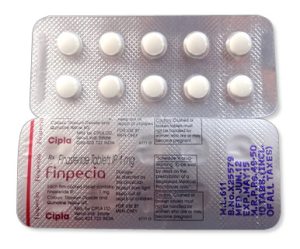
In brief
- Finpecia is sold in pharmacies and widely online; it is officially prescription-only in Australia (TGA) and most countries, although many online suppliers and some pharmacies may supply Finpecia without asking for a prescription.
- Finasteride (Finpecia) is used for male pattern hair loss (androgenetic alopecia) at 1 mg and for benign prostatic hyperplasia (BPH) at 5 mg; it works by inhibiting 5α‑reductase (type II), lowering dihydrotestosterone (DHT) levels that drive hair follicle miniaturisation and prostate growth.
- Usual dose: 1 mg orally once daily for hair loss (Finpecia/Propecia); 5 mg orally once daily for BPH (Proscar/Finast).
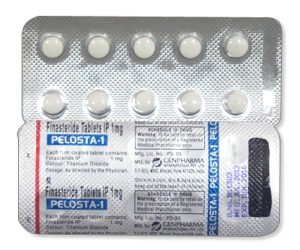
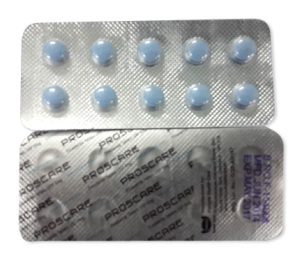
- Form of administration: oral tablet (commonly 1 mg or 5 mg tablets, available in blisters or bottles).
- Onset time: DHT falls within days, but noticeable hair regrowth typically takes 3+ months; improvement in BPH symptoms usually requires at least 6 months for full effect.
- Duration of action: benefits are maintained only with continuous daily use; stopping treatment generally leads to gradual loss of effect over months.
- Alcohol warning: there is no specific contraindication with moderate alcohol use, but avoid excessive drinking and use caution if you have liver disease (finasteride is hepatically metabolised); alcohol may worsen some side effects.
- The most common side effect is reduced libido; other sexual adverse effects include erectile dysfunction and ejaculatory disorders, with less common effects such as breast tenderness, mood changes or skin reactions.
- Would you like to try finpecia without a prescription?
Critical Warnings & Restrictions (Safety First — Australia)
Basic Finpecia Information
- INN (International Nonproprietary Name): Finasteride.
- Brand Names Available In Australia: Propecia (1 mg) and Proscar (5 mg) are the original Merck brands and finasteride is supplied as generics and branded generics in global markets such as Finpecia (Cipla) and other manufacturers; TGA lists finasteride as prescription only with branded and generic versions available.
- ATC Code: D11AX10 for androgenetic alopecia (hair loss) and G04CB01 for benign prostatic hyperplasia (BPH).
- Forms & Dosages: 1 mg tablets for male pattern hair loss and 5 mg tablets for BPH are the standard formulations.
- Manufacturers In Australia: Branded Propecia/Proscar and multiple generics are available via registered suppliers; international manufacturers listed in the product information include Merck & Co., Cipla, Dr Reddy’s, Intas, Eurogenerics and other global generic manufacturers.
- Registration Status In Australia: Finasteride is TGA‑listed as prescription only and available in both branded and generic forms.
- OTC / Rx Classification: Prescription only (Rx) in Australia and in major markets internationally.
High‑Risk Groups (Elderly, Pregnancy, Chronic Illness)
- Pregnancy is an absolute contraindication due to teratogenic risk to male foetuses; women and children must not use finasteride.
- Avoid handling crushed or broken tablets if a woman of child‑bearing potential may come into contact with them.
- Use caution in hepatic impairment since finasteride is metabolised hepatically; severe liver dysfunction is a relative contraindication and requires specialist review.
- Men with severe urinary obstruction or markedly reduced urinary flow need urology review before and during treatment.
- Elderly patients generally require no routine dose change but should have closer monitoring for adverse events, especially sexual dysfunction and mood changes.
- Checklist for High‑Risk Monitoring:
- Confirm male adult patient and discuss teratogenic risk with household members.
- Baseline liver history and review current liver function tests if significant liver disease exists.
- Document urinary symptoms and refer to GP/urologist if obstructive features are present.
- Plan review at 3 months for efficacy and adverse effects, then every 6–12 months or earlier if concerns arise.
Interaction With Activities (Driving, Workplace Safety Under Australian Law)
- Finasteride does not typically cause sedation or impair motor coordination.
- Monitor for rare side effects such as dizziness, fatigue or depression that could affect driving or safety‑critical work.
- Australian workplace safety legislation requires workers to disclose any condition or medication that impairs fitness for duty to their employer where relevant.
- Employee Safety Considerations Checklist:
- Advise the patient to stop driving or operating heavy machinery if they experience dizziness, severe fatigue or mood changes.
- Encourage reporting of persistent central nervous system symptoms to a GP or pharmacist.
- Document occupational safety concerns in the patient’s counselling notes if they perform safety‑critical tasks.
Q&A — Can I Drive After Taking It In Australia?
Short answer: Yes in most cases.
If you do not experience dizziness, excessive tiredness or mood changes, finasteride should not affect your ability to drive or operate machinery.
If you do experience dizziness, severe fatigue or new or worsening mood symptoms, do not drive or operate heavy machinery until the symptom resolves and you have medical advice.
Report any persistent or severe central nervous system effects to your GP or pharmacist for assessment.
If a side effect affects your work fitness, follow your employer’s safety policies and seek clinical review.
Usage Basics
INN, Brand Names Available In Australia
| INN | Common Brand Names | Strengths |
|---|---|---|
| Finasteride | Propecia, Finpecia, Proscar, Finast, Finax, Finasteride EG | 1 mg, 5 mg |
Legal Classification (TGA‑Approved, PBS‑Listed)
- Finasteride is TGA‑classified as prescription‑only (Rx) in Australia.
- PBS subsidy status varies by indication and formulation and can change; check the PBS Schedule or speak to a GP or pharmacist for current entitlement.
- Many hair loss prescriptions are supplied privately (out‑of‑pocket) by patients, whereas BPH indications may have different subsidy arrangements depending on clinical criteria.
- How To Check PBS And Script Requirements:
- Ask your GP whether the indication meets PBS criteria before prescribing.
- Pharmacists can verify PBS eligibility at point of supply using the patient’s Medicare/PBS details.
- Telehealth e‑prescriptions are accepted by Australian pharmacies when issued by a registered prescriber.
Dosing Guide
Standard Regimens (PBS Reference Dosing)
| Indication | Dose | Typical Duration |
|---|---|---|
| Male Pattern Hair Loss (Androgenetic Alopecia) | 1 mg orally once daily | Continuous; benefits usually after 3+ months |
| Benign Prostatic Hyperplasia (BPH) | 5 mg orally once daily | Minimum 6 months for full effect; long‑term as clinically indicated |
Adjustments For Comorbidities
- Not recommended in children; safety and efficacy are not established for those under 18.
- Elderly patients usually need no routine dose change but require close monitoring for adverse effects and comorbid conditions.
- Exercise caution in severe hepatic impairment because finasteride is hepatically metabolised; specialist advice recommended.
- No routine renal dose adjustment for mild to moderate impairment.
- If the patient is on other BPH medicines such as alpha‑blockers, coordinate therapy with the patient’s GP or urologist to monitor symptoms and blood pressure.
- Checklist For Clinician Review Before Initiation:
- Confirm adult male patient and discuss teratogenic risk in household contacts.
- Review hepatic history and current medications.
- Document baseline urinary symptoms, sexual function and PSA history if applicable.
- Plan follow‑up at 3 months for hair loss and 6 months for BPH unless earlier review indicated.
Q&A — What If I Miss A Dose?
Take the missed tablet as soon as you remember on the same day.
Do not double the next dose to make up for a missed dose.
If you only remember the following day, skip the missed tablet and continue your regular once‑daily schedule.
If you are unsure what to do, contact your pharmacist or GP for personalised advice.
For chronic conditions, maintain regular daily dosing to preserve treatment effect; for hair loss, missing multiple doses may reduce overall benefit over time.
Interaction Chart
Food And Drinks (Alcohol, Coffee, Australian Diet Context)
There are no major food interactions and finasteride may be taken with or without food.
Excessive alcohol does not change finasteride’s pharmacology but can worsen sexual dysfunction or mood changes, so counsel moderation in alcohol use.
Advise patients that usual Australian dietary patterns do not require any specific timing of doses around meals or caffeine.
Common Drug Conflicts
| Interacting Agent | Effect | Clinical Action |
|---|---|---|
| Dutasteride | Overlapping 5α‑reductase inhibition; combined use not appropriate | Avoid concurrent use; specialist review if switching |
| Alpha‑Blockers (e.g., tamsulosin) | Often used together for BPH; may affect urinary symptoms and blood pressure | Monitor urinary flow and BP; coordinate with GP/urologist |
| PSA Testing | Finasteride reduces PSA by ~50% after ~6 months | Inform clinicians and adjust PSA interpretation accordingly |
| Other CYP‑metabolised drugs | Finasteride has minimal CYP‑mediated interactions | Review full med list but clinically significant interactions are uncommon |
User Reports & Trends (Australian Patient Feedback)
- Common patient themes include slowed hair loss by about 3 months and visible regrowth in some areas by 6–12 months.
- Sexual side effects such as reduced libido and erectile dysfunction are reported by a minority of users and are a common counselling point.
- Price sensitivity is frequent; patients often compare branded Propecia to generics like Finpecia and other generic finasteride tablets.
- Many Australians prefer pharmacist counselling at community pharmacies such as Chemist Warehouse and Priceline, while rural patients often use telehealth and mail‑order services.
- Patients report sourcing finasteride both from local community pharmacies and reputable online pharmacies; vet legitimacy before purchase.
- Pros/Cons From Patient Reports:
- Pros: Proven effect for many men, convenient once‑daily oral dosing, generics lower cost.
- Cons: Risk of sexual side effects, need for long‑term treatment, teratogenic handling precautions for households with pregnant women.
- Sentiment Checklist:
- Most reviews are positive for hair maintenance after 3–6 months.
- Negative reports focus on side effects and cost.
- Patients value clear pharmacist counselling and legitimate supply chains.
Access & Purchase Options (Australia)
National Chains (Chemist Warehouse, Priceline, TerryWhite)
Major Australian pharmacy chains stock finasteride with a valid prescription and availability of brands and generics varies by store and supplier.
Community pharmacists provide trusted counselling, verify prescriptions, and check packaging for expiry, manufacturer details and “Rx only” labelling.
Online Pharmacies And Telehealth E‑Prescriptions
Legitimate GP telehealth services can issue e‑prescriptions accepted by Australian pharmacies.
Some Australians use the TGA personal importation scheme to obtain international generics such as Finpecia, but they should follow TGA guidance on imports and quantities.
In our online pharmacy, finpecia is available without a prescription, with discreet delivery to Australia in 9‑21 days.
- Checklist For Safe Purchase:
- Obtain a valid prescription from a registered Australian prescriber or an accepted telehealth service.
- Verify the pharmacy’s accreditation, look for clear packaging, batch and expiry details, and pharmacist contact details.
- Follow TGA rules for personal importation if ordering from overseas suppliers.
- Ensure pharmacist counselling is available either in person or by phone when purchasing online.
Mechanism & Pharmacology
Simplified Explanation
Finasteride inhibits 5α‑reductase type II, the enzyme that converts testosterone to dihydrotestosterone (DHT).
Lowering scalp DHT reduces miniaturisation of hair follicles and slows hair loss in androgenetic alopecia.
In the prostate, reduced DHT shrinks prostatic tissue over months, improving obstruction and lowering the risk of surgery in the long term.
Clinical Terms
- ATC Codes: D11AX10 for alopecia and G04CB01 for BPH.
- DHT (Dihydrotestosterone): Androgen that contributes to hair follicle miniaturisation and prostate growth.
- 5α‑Reductase: Enzyme family converting testosterone to DHT; finasteride targets type II.
- PSA (Prostate‑Specific Antigen): A blood marker that falls by about half on finasteride and requires adjusted interpretation.
Indications & Off‑Label Uses
Approved Indications By TGA
Finasteride is approved for male pattern hair loss at 1 mg daily and for benign prostatic hyperplasia at 5 mg daily in adult men.
It is not approved for use in women or people under 18 years of age.
Off‑Label Uses In Australian Clinical Practice
Topical finasteride formulations are an area of ongoing research and may be used in specialist settings or trials but are not standard oral indications.
Dividing 5 mg tablets to approximate 1 mg dosing is not a recommended routine practice without clinician advice and specific formulation guidance.
Dutasteride is sometimes used off‑label for hair loss in resistant cases but requires specialist oversight as it has broader 5α‑reductase inhibition.
- Checklist For Off‑Label Use, Consent And Monitoring:
- Document the rationale for off‑label prescribing and discuss potential risks and uncertain benefits with the patient.
- Obtain informed consent and arrange targeted follow‑up to monitor efficacy and adverse effects.
- Consult or refer to a dermatologist or urologist for complex cases or treatment failure.
Key Clinical Findings (Australia & International, 2022–2026 Summary)
- Randomised controlled trials consistently show oral finasteride 1 mg reduces hair loss and increases scalp hair count versus placebo, with benefits usually noticed from 3–6 months and more robust at 12 months.
- Long‑term follow‑up confirms maintenance of effect only while treatment continues; cessation typically leads to gradual loss of benefit.
- Sexual adverse events are reported at low rates in trials, but post‑marketing data and cohort studies document persistent symptoms in a subset of patients, an area of ongoing research and debate.
- For BPH, finasteride 5 mg reduces prostate volume and lowers the rate of acute urinary retention and need for prostate surgery over multi‑year follow‑up.
- Clinical practice in Australia follows international guidance to counsel on side effects, monitor PSA appropriately, and review response at defined intervals.
| Outcome | Efficacy | Safety |
|---|---|---|
| Hair Count / Hair Loss | Improved vs placebo by 3–12 months | Low rate of reported sexual adverse events |
| BPH Progression | Reduced prostate volume and surgery risk over years | Monitor sexual function and PSA changes |
Alternatives Matrix
PBS‑Listed Alternatives Comparison Table
| Agent | Indication | PBS Status | Pros | Cons |
|---|---|---|---|---|
| Finasteride (oral) | Hair loss (1 mg); BPH (5 mg) | Rx; PBS varies by indication | Proven efficacy; simple once‑daily dosing | Sexual side effects; teratogenic handling risk |
| Dutasteride (oral) | BPH; sometimes used off‑label for hair loss | Rx; PBS likely for BPH only | More potent DHT suppression | Broader inhibition, longer effect; specialist oversight advised |
| Minoxidil (topical) | Hair loss | Generally not PBS‑listed for cosmetic hair loss | Local application; useful in combination with oral agents | Requires ongoing topical use; local irritation possible |
| Non‑Pharmacologic (PRP, Hair Transplant) | Hair restoration | Not PBS | Potential longer‑term aesthetic improvement | Costly; variable availability and evidence |
Pros And Cons Checklist
- Pros of finasteride: oral once‑daily dosing, proven efficacy for many men, generics reduce cost.
- Cons of finasteride: potential sexual side effects, teratogenic risk to male foetuses if tablet contents are handled by pregnant women, requirement for long‑term continuous use.
- Patient Suitability Checklist: confirm adult male, discuss fertility planning, review liver history, document baseline sexual function and PSA if relevant, arrange follow‑up.
Common Questions (Australian Pharmacy Consultations)
How long until I see results?
Expect some slowing of hair loss by about 3 months and more meaningful change by 6–12 months.
Will it affect my fertility?
Most studies show no major long‑term effect on fertility, but discuss conception plans with your GP or urologist; do not stop or start medication without clinical advice.
Can my partner handle tablets?
Pregnant women and women of child‑bearing potential should not handle crushed or broken tablets; intact tablets handled in normal packaging are lower risk but caution is recommended.
Will it affect PSA tests?
Yes — finasteride lowers PSA by approximately 50% after about 6 months; inform your doctor so PSA results can be adjusted.
Can I use topical products concurrently?
Yes — minoxidil topical solutions are commonly used together with oral finasteride for additive benefit in hair loss.
- Counselling Points To Cover In Pharmacy Consultations:
- Indication and correct dose (1 mg for hair loss; 5 mg for BPH).
- Timeline for response and need for continued therapy to maintain benefit.
- Possible side effects, how to report them, and when to seek urgent care (allergic reaction, severe mood change).
- Storage, missed dose advice and pregnancy handling precautions.
Price & Access Comparison Table
Comparison Table — Pharmacy/Source, Typical Price Range, PBS Subsidy Status, Prescription Required
| Source | Typical Price Range (AUD) | PBS | Notes |
|---|---|---|---|
| Chemist Warehouse | Varies by brand/generic; usually private pay for hair loss | Depends on indication | In‑store counselling; prescription required |
| Priceline | Varies by brand/generic; private pay common | Depends on indication | Community pharmacist advice available; prescription required |
| Online Australian Pharmacy | Comparable to bricks‑and‑mortar; accepts e‑scripts | Depends on indication | May offer discreet delivery; prescription required |
| International Online (e.g., Finpecia) | Often cheaper per pack but varies | Not PBS; personal importation rules apply | Check TGA import rules and supplier legitimacy |
Access Checklist — Major Chains, Online Pharmacies, Rural Vs Urban Availability
- Confirm you have a valid prescription from a registered prescriber.
- Verify pharmacy accreditation and check packaging for batch and expiry information.
- Ask about counselling availability and pharmacist contact for follow‑up.
- Consider mail‑order for rural patients but verify delivery times and legal import rules for overseas orders.
Registration & Regulation
TGA Approval
Finasteride is registered with the TGA as a prescription‑only medicine with both branded and generic products available.
Pharmacists must verify valid prescriptions before supply.
Adverse events should be reported to the TGA Adverse Event Management System as per local reporting procedures.
PBS Subsidy Details
PBS listings and clinical criteria differ by indication and change over time.
Check the current PBS Schedule or ask a pharmacist for the latest subsidy information for BPH or other authorised indications.
- Personal Importation Step‑By‑Step Checklist:
- Confirm TGA personal importation allowances and permitted quantities.
- Use reputable international suppliers and retain batch and expiry details.
- Declare imports as required and keep documentation for customs if requested.
Storage & Handling
Household Storage In Australian Climate (Heat/Humidity)
Store finasteride below 30°C in its original packaging to protect from moisture and light.
Avoid storing tablets in bathrooms or near heat sources, especially during hot and humid Australian summers when home temperatures may exceed recommended limits.
Keep all medicines out of reach of children and pets.
Cold‑Chain Handling For Pharmacies
No cold chain is required for finasteride; ambient storage below 30°C is adequate.
Pharmacies should protect blister packs from prolonged humidity and follow manufacturer storage instructions.
- Home And Pharmacy Storage Checklist:
- Store in original box, away from sunlight and damp areas.
- Do not crush or split tablets as this increases exposure risk for pregnant women handling residues.
- Record ambient storage practices if your pharmacy policy requires temperature logs.
Guidelines For Proper Use (Pharmacist Counselling + PBS/National Guidance)
Australian Pharmacist Counselling Style
Ask what the patient hopes to achieve with treatment and set realistic expectations for timelines and outcomes.
Explain the indication, dose (1 mg for hair loss; 5 mg for BPH), and the need for continuous therapy to maintain benefit.
Discuss common and uncommon side effects, focusing on sexual adverse effects, mood changes and breast symptoms.
Highlight the effect on PSA testing and advise the patient to inform GPs or urologists of finasteride use.
Provide written leaflets, document counselling, and record that pregnancy handling precautions were discussed.
Patient Advice From PBS And National Health Authorities
Encourage patients to check PBS entitlement and to obtain scripts from registered prescribers, including via telehealth when appropriate.
Report adverse effects to the TGA and arrange GP or specialist follow‑up for ongoing monitoring or PSA checks.
Give a patient checklist for safe ongoing use and clear instructions on when to seek urgent care for allergic reactions or severe mood changes.
Delivery Across Australia
| City | Region | Delivery Time |
|---|---|---|
| Sydney | New South Wales | 9‑14 days |
| Melbourne | Victoria | 9‑14 days |
| Brisbane | Queensland | 9‑14 days |
| Perth | Western Australia | 9‑14 days |
| Adelaide | South Australia | 9‑14 days |
| Canberra | Australian Capital Territory | 9‑14 days |
| Hobart | Tasmania | 9‑14 days |
| Darwin | Northern Territory | 9‑14 days |
| Gold Coast | Queensland | 14‑21 days |
| Newcastle | New South Wales | 14‑21 days |
| Wollongong | New South Wales | 14‑21 days |
| Sunshine Coast | Queensland | 14‑21 days |
| Geelong | Victoria | 14‑21 days |
Final Notes
Finasteride is an effective, evidence‑based option for many men with androgenetic alopecia and for men with BPH when used under medical supervision.
Counselling should balance expected benefits with possible sexual and mood adverse effects and emphasise teratogenic precautions for household contacts.
Pharmacists play an important role in verifying prescriptions, advising on correct use, monitoring adverse events and guiding safe purchasing choices.
If in doubt, consult a GP, urologist or dermatologist for personalised clinical advice and follow TGA and PBS guidance for regulated supply.