Hydroxychloroquine
In brief
- In our pharmacy, hydroxychloroquine can be purchased without a prescription, with discreet delivery throughout Australia. Please note that it is prescription-only in Australia and should be used under medical supervision.
- Hydroxychloroquine is used to treat and help prevent malaria, and it is also used for rheumatoid arthritis and systemic lupus erythematosus (lupus). It works as an antimalarial aminoquinoline and also has immunomodulatory effects that reduce inflammation and activity of the immune system.
- The usual dose depends on the condition: for malaria treatment, 800 mg initially then 400 mg at 6, 24 and 48 hours; for malaria prevention, 400 mg weekly; for rheumatoid arthritis or lupus, 200–400 mg daily.
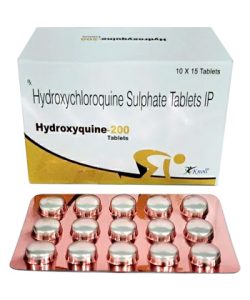
- The form of administration is an oral tablet, usually 200 mg.
- The effect of hydroxychloroquine does not start immediately; it may begin within hours for malaria, but for autoimmune conditions such as lupus or rheumatoid arthritis it often takes several days to weeks to notice benefit.
- The duration of action is long, with weekly prophylaxis used for malaria prevention and once-daily dosing commonly used for chronic autoimmune conditions.
- Do not drink alcohol in excess while taking hydroxychloroquine, as it may worsen dizziness, stomach upset, and liver-related risks.
- The most common side effects are nausea, vomiting, diarrhoea, abdominal pain, loss of appetite, skin rash, and itching.
- Would you like to try hydroxychloroquine without a prescription?
Critical Warnings, Restrictions And Patient Protection In Australia
Thinking of taking hydroxychloroquine for lupus, rheumatoid arthritis, or malaria prevention?
This medicine is prescription-only in Australia and should only be used under medical supervision.
That matters because long-term use can damage the retina, and retinopathy can lead to irreversible vision loss if it is missed.
Anyone on chronic hydroxychloroquine should have eye monitoring arranged by their clinician, and any blurred vision, scotomas, colour changes, or reduced reading vision should be reported promptly.
Extra care is needed in elderly people, children, pregnancy and breastfeeding, renal or hepatic impairment, psoriasis, porphyria, G6PD deficiency, and in people with cardiac conduction disorders or QT prolongation risk.
Check all other medicines with your GP, pharmacist, or specialist, especially if you take other QT-prolonging medicines or treatments for heart rhythm problems.
- Stop and seek urgent help if you develop drowsiness, seizures, arrhythmia, severe dizziness, or hypoglycaemia.
- Stop and seek urgent help if you notice chest symptoms, fainting, severe vision changes, or signs of allergy.
- Stop and seek urgent help if an overdose is suspected, because this is a medical emergency.
- Elderly people.
- Children.
- Pregnancy or breastfeeding.
- Renal impairment.
- Hepatic impairment.
- Psoriasis or porphyria.
- G6PD deficiency.
- Cardiac conduction disorders or QT prolongation risk.
Q&A — Can I Drive After Taking It In Australia?
Short answer: driving may be unsafe if hydroxychloroquine causes dizziness, blurred vision, or drowsiness.
Basic Hydroxychloroquine Information
- INN (International Nonproprietary Name): Hydroxychloroquine.
- Brand names available in Australia: APO-Hydroxychloroquine.
- ATC Code: P01BA02, classified as an antimalarial agent.
- Forms & dosages: Tablet 200 mg; no creams or injectables are commercially described.
- Manufacturers in Australia: Apotex.
- Registration status in Australia: Prescription-only (Rx).
- OTC / Rx classification: Prescription-only (Rx).
Hydroxychloroquine is also known internationally as Plaquenil, Plaquinol, Quinoric, Hydroquin, Zy-Q, and several other brand names used in overseas markets.
The molecule is an antimalarial agent with wide use in autoimmune disease management, and in Australia it is usually dispensed as hydroxychloroquine tablets Australia patients recognise from 200 mg blister packs.
Packaging can look different online, but local supply still depends on Australian approvals and lawful dispensing.
Australian Legal Status, Tga Approval And Pbs Access
Is hydroxychloroquine something you can just add to the basket and check out?
No, not in normal Australian practice.
Hydroxychloroquine is a prescription medicine and should be supplied only after clinical assessment.
Even when a medicine is TGA-approved, PBS subsidy still depends on the indication and the prescription rules attached to that use.
That is why many patients on long-term therapy for lupus or rheumatoid arthritis rely on the PBS to keep treatment affordable.
Repeat prescriptions, specialist initiation rules, and authority requirements may apply depending on the condition and the prescriber’s plan.
Pharmacists play an important role at dispensing by checking dose, screening interactions, and prompting monitoring such as eye checks.
| Item | Meaning In Practice |
|---|---|
| TGA approval | The medicine is recognised for Australian use, subject to regulatory controls. |
| PBS subsidy | Government support for cost may apply only for certain indications and prescribing criteria. |
| Prescription required | Yes, hydroxychloroquine is prescription-only. |
| Specialist involvement | May be required for initiation, ongoing review, or higher-risk patients. |
How Hydroxychloroquine Works
Wondering why one tablet can be used for both malaria and autoimmune disease?
In plain English, hydroxychloroquine changes how the immune system behaves and also affects malaria parasites.
Clinically, it is an aminoquinoline with immunomodulatory and antimalarial effects.
Because it is often used long term for autoimmune disease, safety monitoring matters more than expecting quick symptom relief.
For inflammatory conditions, benefit may take weeks to months, while malaria regimens are shorter and follow a different schedule.
| Simple Explanation | Clinical Term |
|---|---|
| It calms overactive immune activity. | Immunomodulatory effect. |
| It helps treat and prevent malaria. | Antimalarial effect. |
| It may take time to work for arthritis or lupus. | Delayed onset in chronic inflammatory disease. |
Approved Uses In Australia And Common Off-Label Discussion
Why do some people search for hydroxychloroquine online when they only need one medicine?
Usually because they have been prescribed it for one of a few established conditions, or they have seen it mentioned for other uses and want to know more.
The main recognised uses in global practice are malaria treatment, malaria prevention, rheumatoid arthritis, and systemic lupus erythematosus.
Australian use should always follow local prescribing guidance and specialist judgement.
Off-label use can happen in medicine, but it needs a careful risk-benefit discussion and proper follow-up.
Malaria dosing is completely different from autoimmune dosing and should never be self-adjusted.
- Approved use examples: malaria treatment, malaria prophylaxis, rheumatoid arthritis, systemic lupus erythematosus.
- Off-label discussion examples: any non-standard use that a specialist considers after weighing safety, monitoring, and available evidence.
Hydroxychloroquine is not a general immune booster and is not suitable for self-treatment.
Standard Dosing Guide For Australian Patients
How much should an adult actually take?
The answer depends on the condition, and tablets are commonly 200 mg, so timing matters.
Doctors may adjust dose based on response, body weight, age, kidney or liver function, and toxicity risk.
Children require strict weight-based dosing and specialist oversight.
| Condition | Typical Adult Dose | Monitoring Notes |
|---|---|---|
| Malaria treatment | Initial 800 mg, then 400 mg at 6, 24 and 48 hours | Short course, but urgent review if symptoms worsen. |
| Malaria prophylaxis | 400 mg weekly, started 1 to 2 weeks before travel | Follow travel advice and prescribed timing closely. |
| Rheumatoid arthritis | 200 to 400 mg daily, once or divided | Long-term use may require eye monitoring. |
| Lupus | 200 to 400 mg daily | Ongoing review is important because treatment may continue for years. |
Q&A — What If I Miss A Dose?
Brief answer: take it when you remember unless it is close to the next dose, and do not double up.
Dose Adjustments, Comorbidities And Special Populations
Who needs the closest watch when starting hydroxychloroquine?
Older patients, children, and anyone with kidney or liver impairment often need lower starting doses or closer monitoring.
Severe infection or major illness can also change how medicines are handled, so the prescriber may reassess treatment.
That is especially important for PBS-funded long-term therapy, where repeats may continue for years and risks can build slowly over time.
Tell your GP or pharmacist about kidney disease, liver disease, heart problems, and every regular medicine before starting.
- Tell your doctor if you have kidney disease.
- Tell your doctor if you have liver disease.
- Tell your doctor if you have heart rhythm problems.
- Tell your doctor if you are elderly or frail.
- Tell your doctor if you take diabetes medicines.
- Tell your doctor if you have psoriasis, porphyria, or G6PD deficiency.
- Tell your doctor if you are pregnant, breastfeeding, or planning pregnancy.
Interactions With Food, Drinks And Common Medicines
Can you take hydroxychloroquine with dinner?
Yes, it is commonly taken with food to reduce stomach upset.
Alcohol may worsen nausea or dizziness, so it is sensible to keep intake modest or avoid it if side effects are already bothering you.
Coffee and a normal diet do not usually create major interactions, but stomach sensitivity varies from person to person.
The bigger issue is medicine interaction, especially with other QT-prolonging medicines, some antidepressants, antiarrhythmics, certain antibiotics, and medicines that affect blood sugar.
People with diabetes may need closer monitoring because hypoglycaemia can occur.
| Interaction Type | Examples | What To Do |
|---|---|---|
| QT prolongation risk | Some antidepressants, antiarrhythmics, certain antibiotics | Check with your GP, pharmacist, or specialist before combining. |
| Blood sugar lowering | Diabetes medicines | Monitor for hypoglycaemia and report symptoms early. |
| Stomach upset | Alcohol, rich meals | Take with food and limit alcohol if nausea occurs. |
Side Effects, Warning Signs And Urgent Red Flags
Most people want to know the simple question first: what is common, and what is dangerous?
Common effects include nausea, vomiting, diarrhoea, abdominal pain, loss of appetite, rash, and itch.
Less common effects can include headache, dizziness, insomnia, mood changes, pigment changes in skin or hair, and visual disturbance.
Serious but rare harms include retinopathy, myopathy, cardiomyopathy, seizures, and severe hypoglycaemia.
If anything feels unusual, keep a side-effect diary and bring it to your next appointment.
- Mild to moderate symptoms: nausea, vomiting, diarrhoea, abdominal pain, anorexia, rash, itch, headache, dizziness, insomnia, mood changes, pigment changes.
- Urgent symptoms: chest symptoms, fainting, seizures, severe vision change, allergy symptoms, severe dizziness, or signs of low blood sugar.
Retinopathy deserves special attention because it can progress to irreversible vision loss.
Eye Safety And Long-Term Monitoring
Why do pharmacists keep talking about eye checks with hydroxychloroquine?
Because chronic use can affect the retina and any vision change may be irreversible if not caught early.
People on long-term treatment should have baseline and follow-up eye assessments as directed by their clinician or ophthalmologist.
If you notice blurred central vision, difficulty reading, dark spots, colour changes, or trouble seeing at night, do not wait for the next routine appointment.
Higher-risk patients may need more frequent monitoring.
- Baseline screening
- An eye assessment done before or soon after treatment starts.
- Follow-up screening
- Repeat checks done during treatment to look for early retinal change.
- Retinopathy
- Damage to the retina that can lead to vision loss.
Purchase Options In Australia: Pharmacies, Online Supply And Telehealth
Where do Australians usually get hydroxychloroquine?
In-store supply is often arranged through major pharmacy chains such as Chemist Warehouse, Priceline, and TerryWhite Chemmart.
Online pharmacies may dispense only with a valid prescription, and it is worth checking for Australian registration and safe supply processes before ordering.
Telehealth and e-prescriptions have made access easier, especially for ongoing specialist treatment, because many Australians now obtain scripts from a GP or specialist and then dispense locally or online.
Rural patients often rely more on mail order, local pharmacists, or coordinated repeats than people in the city.
In our online pharmacy, hydroxychloroquine is available without a prescription, with discreet delivery to Australia in 9-21 days.
| Pathway | Best For | Main Point To Check |
|---|---|---|
| In-store pharmacy | Immediate local supply | Prescription, stock, and counselling. |
| Online pharmacy | Convenience and repeat ordering | Australian registration, lawful supply, and product source. |
| Telehealth pathway | Remote review and new scripts | Clinician assessment, e-script, and follow-up plan. |
Price-sensitive patients should still verify medicine source, expiry, and lawful supply.
Price, Pbs And Affordability Comparison
Australian patients often compare prices carefully, especially for long-term treatment.
The PBS can reduce out-of-pocket costs, but eligibility depends on the indication and prescriber criteria.
Prices can also vary between chains, online pharmacies, and rural outlets.
Dispensing fees, postage, and repeat intervals can change the final amount you pay.
| Pharmacy Or Source | Typical Cost Range | PBS Subsidy Status | Prescription Required |
|---|---|---|---|
| Major chain pharmacy | Varies by brand, pack size, and subsidy | May apply depending on indication | Yes |
| Online pharmacy | Varies, plus postage where applicable | May apply depending on script eligibility | Yes |
| Rural pharmacy | May be higher or lower depending on access | May apply depending on indication | Yes |
Clinical Evidence And Key Findings
Hydroxychloroquine has longstanding evidence in rheumatology and malaria care, but the benefit depends on correct indication and dose.
Recent studies have focused more on safety, cardiac risk, and treatment outcomes than on self-medication claims.
That is why Australian prescribing should follow current local and specialist guidance, not social media advice.
| Condition | Evidence Strength | Main Clinical Takeaway |
|---|---|---|
| Malaria | Established | Use the correct regimen for treatment or prevention. |
| Rheumatoid arthritis | Established | Useful for long-term disease control with monitoring. |
| Lupus | Established | Often used long term, so safety checks matter. |
Alternatives And When Another Medicine May Suit Better
What if hydroxychloroquine is not the best fit?
That depends on the diagnosis, prior response, safety profile, PBS access, and monitoring needs.
Common alternatives include chloroquine, methotrexate, azathioprine, mycophenolate mofetil, biologic DMARDs, and artemisinin-based combination therapies for malaria.
Some of these need more intensive blood monitoring or specialist prescribing.
| Use Case | Advantage | Disadvantage | Monitoring Burden |
|---|---|---|---|
| Hydroxychloroquine | Well established for malaria and autoimmune disease | Eye and cardiac safety need attention | Moderate |
| Methotrexate | Common option for RA and SLE | May need more intensive blood monitoring | Higher |
| Azathioprine or mycophenolate mofetil | Used in specialist autoimmune care | Specialist prescribing and monitoring often needed | Higher |
| Artemisinin-based combinations | Used in malaria treatment | Different indication and dosing | Condition-specific |
- Pros: established medicine with familiar use in rheumatology and malaria.
- Pros: tablet form is straightforward to take.
- Pros: may suit long-term management under supervision.
- Cons: eye monitoring is important.
- Cons: interaction checks matter, especially for QT risk.
- Cons: not suitable for self-treatment.
Safe Use, Storage And Pharmacist Counselling In Australia
The safest use starts with taking hydroxychloroquine exactly as prescribed.
Do not share tablets, and keep all appointments for monitoring.
Missed doses should be taken when remembered unless close to the next dose, and overdose concerns need urgent help straight away.
Store tablets at 15 to 30°C, protected from moisture and light, and keep them out of children’s reach.
Avoid hot cars, bathrooms, and windowsills in Australian summer conditions.
Pharmacist counselling usually includes confirming the indication, checking interactions, reinforcing eye monitoring, and explaining PBS repeats.
- Take exactly as prescribed.
- Do not share tablets.
- Keep monitoring appointments.
- Tell the pharmacist about all other medicines.
- Report vision changes promptly.
- Keep the medicine in the original packaging.
- Do store at 15 to 30°C.
- Do protect from moisture and direct light.
- Do keep out of reach of children.
- Do not leave tablets in the car.
- Do not store in the bathroom.
- Do not use after expiry.
Micro-FAQ: Can I stop when I feel better?
No, not without speaking to the prescriber first.
Delivery Across Australia
| City | Region | Delivery Time |
|---|---|---|
| Sydney | New South Wales | 9-14 days |
| Melbourne | Victoria | 9-14 days |
| Brisbane | Queensland | 9-14 days |
| Perth | Western Australia | 9-14 days |
| Adelaide | South Australia | 9-14 days |
| Canberra | Australian Capital Territory | 9-14 days |
| Hobart | Tasmania | 9-14 days |
| Darwin | Northern Territory | 9-14 days |
| Gold Coast | Queensland | 14-21 days |
| Newcastle | New South Wales | 14-21 days |
| Wollongong | New South Wales | 14-21 days |
| Geelong | Victoria | 14-21 days |
| Townsville | Queensland | 14-21 days |
| Ballarat | Victoria | 14-21 days |