Hygroton
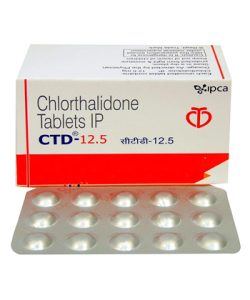
In brief
- Available from community pharmacies and online suppliers in Australia and internationally; chlorthalidone (Hygroton) is officially prescription‑only in regulated markets, though in practice availability varies and some suppliers or pharmacies may supply it without requiring a prescription or receipt.
- Hygroton (chlorthalidone) is used to treat hypertension and oedema; it is a thiazide‑like diuretic that inhibits sodium and chloride reabsorption in the distal convoluted tubule, increasing urine output, reducing blood volume and lowering blood pressure.
- Usual dose for hypertension is 12.5–25 mg once daily (titrate as needed; typical maximum around 50 mg/day); for oedema doses commonly range 25–100 mg once daily and should be individualised.
- Administered orally as tablets—commonly available in 12.5 mg, 25 mg, 50 mg and 100 mg strengths.
- Diuretic effects usually start within about 2–6 hours after a dose; blood pressure lowering effects may become apparent over days.
- Hygroton is long‑acting: effective blood pressure control is typically achieved with once‑daily dosing and effects can persist for 24–72 hours due to a long half‑life.
- Alcohol can increase dizziness, orthostatic hypotension and dehydration when taking hygrot on; avoid excessive drinking and use alcohol with caution while on this medicine.
- The most common side effect is hypokalemia (low potassium), which may cause muscle cramps, weakness or arrhythmia; dizziness and orthostatic hypotension are also common.
- Would you like to try “hygroton” without a prescription?
Critical Warnings & Patient Protection (Australia)
Basic Hygroton Information
- INN (International Nonproprietary Name): Chlorthalidone.
- Brand Names Available In Australia: Hygroton and generic chlorthalidone products are listed globally; local Australian brand availability not specified.
- ATC Code: C03BA04.
- Forms & Dosages: Tablets 12.5 mg, 25 mg, 50 mg, 100 mg.
- Manufacturers In Australia: not specified.
- Registration Status In Australia: not specified.
- OTC / Rx Classification: Prescription Only (Rx) in regulated markets.
- Standard Dosages: Hypertension 12.5–25 mg once daily (max 50 mg/day); Edema 25–100 mg once daily. Start low in elderly (e.g., 12.5 mg/day).
- Storage: Store at 15–25°C, away from moisture and light.
- Contraindications: Anuria, severe renal failure, hypersensitivity to chlorthalidone or sulfonamide drugs, refractory hypokalaemia or hypercalcaemia.
Who should worry first is a common question from patients starting diuretics.
Chlorthalidone is a thiazide‑like diuretic with measurable risks that need checking before treatment begins.
Elderly people, pregnant or breastfeeding women, and patients with chronic illness deserve special attention.
Ask your GP or pharmacist for a monitoring plan if any of these apply to you.
High-Risk Groups (Elderly, Pregnancy, Chronic Illness)
Safety comes first when prescribing chlorthalidone.
Chlorthalidone (INN) is a prescription thiazide‑like diuretic (ATC C03BA04) with risks for electrolyte disturbance, hypotension and metabolic changes.
Real product information recommends low starting doses in the elderly, typically 12.5 mg/day.
Pregnancy and breastfeeding are relative contraindications; use only when benefits outweigh risks and after specialist discussion.
Patients with diabetes, gout, liver disease or significant renal impairment need specialist review and closer follow‑up.
Baseline testing is essential before starting or changing dose.
- Baseline Tests: serum electrolytes (Na+, K+), renal function (eGFR/creatinine), blood pressure, uric acid and fasting blood glucose.
- Monitoring Frequency: repeat tests after 1–2 weeks, and again at around 3 months or sooner if symptomatic.
- Signs To Stop: severe dizziness, syncope, marked palpitations, severe muscle weakness or confusion.
Document monitoring in the patient record and communicate with any specialist involved.
Interaction With Activities (Driving, Workplace Safety Under Australian Law)
Dizziness and orthostatic hypotension can occur with chlorthalidone, especially during dose titration.
Patients starting or increasing dose should be warned about standing up quickly and about light‑headedness on exertion.
Those in safety‑critical roles such as truck drivers, heavy machinery operators, pilots or people working at heights should discuss risks with their treating clinician and employer.
Australian road safety guidance (Austroads) and workplace health and safety rules require assessing fitness to drive or perform safety‑critical tasks when medications cause dizziness.
If symptoms occur, do not drive and seek medical review and pharmacist advice.
Q&A — “Can I Drive After Taking It In Australia?”
Q: Can I drive after taking chlorthalidone?
A: Usually yes once tolerated and you have no symptoms that affect driving.
If you experience dizziness, light‑headedness or blurred vision after starting or changing dose, do not drive or operate heavy machinery.
Report adverse effects to your GP or pharmacist promptly so the dose can be reviewed.
Follow Fit‑to‑Drive guidance from Austroads if you perform safety‑sensitive driving work.
Usage Basics
INN, Brand Names Available In Australia
Patients often ask what name their tablets will be labelled with.
The INN is chlorthalidone and the global brand commonly seen is Hygroton.
Packaging and labelling vary by manufacturer and region, so confirm local stock with your pharmacy.
- Common tablet strengths in available dossiers: 12.5 mg, 25 mg, 50 mg, 100 mg.
- Packaging forms include blister strips and bottles.
- Hygroton is the historic brand name; many generic chlorthalidone products are available internationally.
Check the TGA ARTG or ask your pharmacist to verify TGA‑registered product options if you want specific brand information.
Legal Classification (TGA‑Approved, PBS‑Listed)
One frequent practical question is whether chlorthalidone is subsidised on the PBS.
Chlorthalidone is classified as prescription‑only in regulated markets according to product information.
Local TGA registration and PBS listing can vary by formulation and brand, so check current databases for the definitive answer.
| Drug | TGA Approval | PBS Subsidy |
|---|---|---|
| Chlorthalidone (Hygroton) | Approved by multiple international agencies; Australian registration not specified | Not specified — prescribers may use PBS‑listed alternatives |
| Hydrochlorothiazide | Widely registered internationally | Commonly PBS‑listed |
| Indapamide | Widely registered internationally | Commonly PBS‑listed |
For up‑to‑date listings consult the TGA ARTG search or myGov Health information.
Dosing Guide
Standard Regimens (PBS Reference Dosing)
People want to know the right starting dose and how to titrate safely.
Typical starting dose for hypertension is 12.5–25 mg once daily, titrating to effect, with a usual maximum of 50 mg/day.
For oedema dosing is commonly 25–100 mg once daily and should be individualised to response and tolerance.
Start lower in older adults; 12.5 mg/day is commonly advised for frail or elderly patients.
- Starting Dose: Hypertension 12.5–25 mg once daily.
- Titration Steps: increase in assessed steps, monitor electrolytes after each change.
- Maximum Dose: generally 50 mg/day for hypertension.
- Timing: once‑daily dosing in the morning to reduce nocturia and falls risk.
The long half‑life supports once‑daily dosing and steadier 24‑hour blood pressure control.
Adjustments For Comorbidities
Prescribers and pharmacists must adjust approach when other conditions are present.
Renal impairment requires caution; efficacy falls in severe renal failure and toxicity risk rises, so avoid in severe impairment or anuria.
Hepatic impairment needs careful use because electrolyte shifts could precipitate encephalopathy in vulnerable patients.
Diabetes may be associated with small increases in blood glucose; monitor glycaemic control after starting therapy.
Gout risk increases due to hyperuricaemia; review uric acid and consider alternatives or prophylaxis if recurrent gout is a concern.
Q&A — “What If I Miss A Dose?”
Q: What should I do if I miss a dose?
A: Take the missed dose as soon as you remember unless it is near the time for your next dose.
Do not double up doses to catch up as this increases risk of hypotension and electrolyte imbalance.
Chlorthalidone is long‑acting, so occasional small timing variations matter less than regular adherence.
If you are unsure, contact your GP or pharmacist for tailored advice.
Interaction Chart
Food And Drinks (Alcohol, Coffee, Australian Diet Context)
Diet and alcohol can change how you feel on chlorthalidone.
Alcohol increases the risk of hypotension and dizziness when combined with diuretics.
Caffeine can worsen palpitations for some people; monitor how coffee affects you if palpitations occur.
Australian dietary salt intake alters diuretic effectiveness; maintain a consistent salt intake rather than abrupt changes.
- Avoid excessive alcohol while adjusting dose.
- Keep salt intake steady; sudden salt increases reduce efficacy.
- Consider potassium‑rich foods such as bananas and leafy greens if low potassium is a concern and only if advised by your clinician.
Common Drug Conflicts
Drug interactions with chlorthalidone can be clinically important.
| Drug / Drug Class | Interaction | Recommended Action |
|---|---|---|
| ACE Inhibitors / ARBs | Additive blood pressure lowering; electrolyte shifts | Monitor BP and electrolytes; adjust doses as needed |
| Lithium | Increased lithium levels and lithium toxicity risk | Avoid combination or monitor lithium levels closely |
| NSAIDs | May reduce diuretic and antihypertensive effect | Use lowest effective NSAID dose; monitor BP and renal function |
| Corticosteroids / Carbamazepine | May worsen electrolyte disturbances | Monitor electrolytes and adjust therapy |
| Certain Antidiabetics | Possible changes in blood glucose control | Monitor blood glucose when starting or changing dose |
| Drugs That Prolong QT | Hypokalaemia increases arrhythmia risk when combined with QT‑prolonging drugs | Correct electrolytes and avoid combinations where possible |
Always review the full medicine list with your pharmacist before starting chlorthalidone.
User Reports & Trends (Australian Patient Feedback)
Patients commonly ask what others experience on chlorthalidone.
Australian consumer feedback sources such as ProductReview, health forums and pharmacy comments show consistent themes.
Positives reported include effective blood pressure control and convenient once‑daily dosing thanks to the long half‑life.
Negatives commonly noted are dizziness or increased urination during initiation, and symptoms of hypokalaemia such as muscle cramps.
Price sensitivity occurs when the product is not PBS‑subsidised and patients prefer PBS alternatives like hydrochlorothiazide or indapamide where possible.
- Common positives: steady 24‑hour control, fewer doses per day.
- Common negatives: monitoring needs, electrolyte side effects, initial nocturia.
Short anonymised vignette: an 80‑year‑old started 12.5 mg with monitoring; mild dizziness resolved after dose timing changed to morning.
Short anonymised vignette: a rural patient used a telehealth script and had local Chemist Warehouse fulfil and deliver tablets within two weeks.
| Complaint | Approximate Frequency | Action Taken |
|---|---|---|
| Dizziness | Common | Dose reduced or timing adjusted |
| Muscle Cramps (hypokalaemia) | Occasional | Electrolytes checked; potassium supplement or dose change |
| Increased Urination | Common initially | Advice on timing and fluid balance; usually settles |
| Cost Concerns | Frequent when not PBS | Switched to PBS alternative or generic |
Gathering real patient‑reported outcomes helps guide shared decision‑making in everyday pharmacy practice.
Access & Purchase Options (Australia)
National Chains (Chemist Warehouse, Priceline, TerryWhite Chemmart)
Many people want to know where they can get chlorthalidone locally.
A prescription is required in regulated markets though pharmacies and prescribers may vary substitution practices.
Major national chains can source generics and may substitute alternatives where the product or subsidy is more appropriate.
- Chemist Warehouse, Priceline, TerryWhite Chemmart are large chains that can order or dispense chlorthalidone or alternatives.
- Ask the pharmacist about brand versus generic options, pack sizes and pricing.
- Discuss equivalent PBS options if cost is a concern.
Note: in our online pharmacy, hygroton is available without a prescription, with discreet delivery to Australia in 9-21 days.
Online Pharmacies And Telehealth E‑Prescriptions
Telehealth has made access easier for many Australians, especially in regional areas.
E‑prescriptions are acceptable and can be fulfilled by community pharmacies or verified online Australian pharmacies.
Verify that an online pharmacy is Australian and that products are TGA‑registered before ordering.
- Checklist for online orders: confirm TGA‑registered product, check legitimate prescription handling, ensure pharmacist counselling is available.
- Be cautious of overseas suppliers without TGA approval; they may not meet Australian quality standards.
- Rural patients should plan repeats ahead to avoid stock delays.
Mechanism & Pharmacology
Simplified Explanation
Patients often ask how chlorthalidone actually lowers blood pressure.
Chlorthalidone is a thiazide‑like diuretic that reduces sodium reabsorption in the distal convoluted tubule of the kidney.
Increased natriuresis reduces plasma volume and lowers blood pressure over time.
Its long half‑life contributes to once‑daily dosing and consistent 24‑hour blood pressure control.
Clinical Terms
Here are key pharmacology points in plain language.
- Mechanism
- Inhibits the distal tubule sodium‑chloride transporter causing natriuresis and diuresis.
- Pharmacokinetics
- Longer half‑life than hydrochlorothiazide; supports stable 24‑hour blood pressure lowering.
- Pharmacodynamics
- Causes natriuresis, potassium loss, and relative calcium retention which may help reduce kidney stone risk in selected patients.
| Drug | Relative Potency / Half‑Life | Typical Dosing |
|---|---|---|
| Chlorthalidone | More potent, longer half‑life | 12.5–50 mg once daily |
| Hydrochlorothiazide | Shorter half‑life, less potent | 12.5–50 mg once daily (often split dosing) |
| Indapamide | Thiazide‑like, intermediate profile | 1.5–2.5 mg once daily (depending on formulation) |
Indications & Off‑Label Uses
Approved Indications By TGA
Chlorthalidone is primarily used for hypertension and oedema management in the product information available internationally.
Confirm TGA labelling and approved indications for the specific product supplied in Australia via the ARTG search when needed.
Off‑Label Uses In Australian Clinical Practice
Clinicians sometimes use chlorthalidone for off‑label reasons with specialist oversight.
Examples include prevention of recurrent calcium kidney stones because of calcium retention properties and as part of regimens for resistant hypertension.
Off‑label use should be documented, discussed with the patient and include appropriate monitoring.
- Common indications: hypertension, oedema.
- Off‑label examples: recurrent calcium nephrolithiasis prevention, adjunct in resistant hypertension.
- Monitoring needed: electrolytes, renal function and BP for all indications, additional tests for off‑label uses as clinically indicated.
Refer to local guidance such as RACGP resources for area‑specific recommendations.
Key Clinical Findings (2022–2026 Evidence Summary)
Clinicians ask how recent evidence stacks up for chlorthalidone.
Recent analyses and trials continue to show chlorthalidone provides strong 24‑hour blood pressure control compared with shorter‑acting agents such as hydrochlorothiazide.
Some meta‑analyses suggest cardiovascular outcome benefits in select populations, but electrolyte disturbances and arrhythmia risk remain important safety considerations.
- Key outcomes measured: reduction in systolic and diastolic BP, 24‑hour control, cardiovascular events and hospitalisations.
- Safety endpoints: hypokalaemia, hyponatraemia, dehydration and arrhythmias.
- Monitoring endpoints: serum electrolytes and renal function at 1–2 weeks, and periodically thereafter.
Clinicians should consult recent peer‑reviewed head‑to‑head trials and guideline updates when choosing between thiazide agents.
Alternatives Matrix
PBS‑Listed Alternatives Comparison Table
| Drug | Typical Dose | PBS Subsidy | Pros / Cons Vs Chlorthalidone |
|---|---|---|---|
| Hydrochlorothiazide | 12.5–50 mg daily | Commonly PBS‑listed | Shorter half‑life; may require careful timing; widely available and usually cheaper if PBS |
| Indapamide | 1.5–2.5 mg daily (formulation dependent) | Commonly PBS‑listed | Thiazide‑like with good efficacy and tolerability for some patients |
| Bendroflumethiazide | 2.5 mg daily | Commonly PBS‑listed | Shorter acting; well‑established in primary care |
Pros And Cons Checklist
- Efficacy: Chlorthalidone offers robust 24‑hour BP control; consider indapamide or hydrochlorothiazide if PBS cost is important.
- Safety: All thiazides can cause electrolyte loss; chlorthalidone may cause more persistent potassium lowering due to longer action.
- Cost: PBS‑listed alternatives can be substantially cheaper for concession patients.
- Monitoring Burden: similar across thiazide class but emphasise early electrolyte checks after starting or changing dose.
- Interaction Profile: similar drugs interact with lithium, NSAIDs and ACEi/ARBs; tailor monitoring.
When switching, match BP targets and repeat electrolytes 1–2 weeks after the change.
Common Questions (Pharmacy Consultations)
These are the top questions seen at the pharmacy counter when patients collect chlorthalidone.
- Is this safe with my diabetes? — Monitor blood glucose; small increases may occur and should be checked after starting.
- Will it make me need the toilet a lot? — Expect increased urination at the start; timing in the morning helps reduce nocturia.
- Do I need blood tests? — Yes; electrolytes and renal function at baseline and 1–2 weeks after initiation or dose change.
- Can I take potassium supplements? — Only if advised by your clinician after checking electrolytes.
- What about workouts and heat? — Stay hydrated but follow advice about fluid and electrolyte balance; be cautious in hot weather.
- How to store the tablets? — Keep in original pack, 15–25°C, away from moisture and light.
- Missed dose? — Take when remembered unless near next dose; do not double up.
- Repeat prescriptions? — Arrange repeats in advance, especially for rural patients.
Use culturally appropriate language, pictograms and translated leaflets for patients with limited English where possible.
Price & Access Comparison Table
Comparison Table — Pharmacy/Source, Typical Price Range, PBS Subsidy Status, Prescription Required
| Source | Typical Price Range (ex GST) | PBS Subsidy | Brand/Generic Availability | Prescription Required |
|---|---|---|---|---|
| Chemist Warehouse | Varies — check store | Depends on product; chlorthalidone PBS status not specified | May stock generics or substitute alternatives | Yes |
| Priceline | Varies — check store | Depends on product | Generic and alternative options | Yes |
| TerryWhite Chemmart | Varies — check store | Depends on product | Generic and brand options | Yes |
| Independent Pharmacies | Varies — may be higher | Depends on product | May order specific brands | Yes |
| Verified Online Australian Pharmacies | Varies — delivery charges may apply | Depends on product | Often generic options | Yes — e‑prescription acceptable |
Access Checklist — Major Chains, Online Pharmacies, Rural Vs Urban Availability
- Check PBS eligibility and concession card entitlements to reduce cost.
- Ask the pharmacist about equivalent PBS‑listed alternatives if chlorthalidone is not subsidised.
- Request repeat prescriptions ahead of time for rural and remote patients.
- Use e‑prescriptions and verified Australian online pharmacies for convenience and documented counselling.
Registration & Regulation (Australia)
TGA Approval
Lawful supply of chlorthalidone products in Australia requires TGA registration on the ARTG.
Clinicians and patients can confirm ARTG numbers and product details via the TGA public database.
- How to check: visit the TGA ARTG search and enter the product name or active ingredient.
- Verify product details such as strength, sponsor and approved indications.
- Report adverse events to the TGA via the ADR reporting system.
PBS Subsidy Details
PBS listing and subsidy can vary by specific formulation and brand.
If chlorthalidone is not PBS‑subsidised for a given indication, prescribers may select PBS‑listed thiazide alternatives to reduce patient cost.
| Likely Status | Action |
|---|---|
| Chlorthalidone PBS Status | Not specified — check PBS database |
| Substitution Options | Hydrochlorothiazide or indapamide are common PBS alternatives |
Use Authority scripts where required and advise patients about concession cards and PBS safety nets.
Report serious adverse drug reactions to the TGA and inform the dispensing pharmacist.
Storage & Handling
Household Storage In Australian Climate (Heat/Humidity)
Australian summers can be hot and humid, so storage advice matters.
Store chlorthalidone tablets at 15–25°C and keep them away from moisture and direct sunlight.
Avoid bathroom or near‑sink storage where steam increases humidity exposure.
- Keep in original packaging to protect tablets and expiry information.
- Use a cool room or air‑conditioned area in summer.
- Keep medicines out of reach of children in a child‑safe container.
Cold‑Chain Handling For Pharmacies
Chlorthalidone does not require cold‑chain storage, but protect stock from temperature extremes during transport.
Pharmacies should follow supplier guidance and TGA recommendations for transport and maintain batch traceability.
- Check expiry dates on receipt and rotate stock using FIFO principles.
- Retain Certificates of Analysis and GMP documentation for audit purposes.
- Inspect deliveries for signs of heat or moisture damage and quarantine suspect batches.
Guidelines For Proper Use (Pharmacist Counselling & Patient Advice)
Australian Pharmacist Counselling Style
Pharmacist counselling should be clear, patient‑centred and action‑oriented.
Use this structured script during a face‑to‑face or telehealth consultation.
- Indication: explain why chlorthalidone has been prescribed.
- Dose And Timing: state the exact dose, take in the morning to reduce nocturia.
- Expected Benefits: long‑acting BP control and once‑daily convenience.
- Common Side Effects: dizziness, increased urination, muscle cramps, and signs of low potassium.
- Monitoring Plan: baseline electrolytes and renal function, repeat at 1–2 weeks.
- When To Seek Urgent Care: severe dizziness, fainting, severe muscle weakness or palpitations.
- Storage: 15–25°C, away from moisture and light.
Patient Advice From PBS And National Health Authorities
Provide a written action plan and encourage adherence with clear instructions.
Explain PBS repeat prescriptions and concession entitlements where relevant.
Offer translated resources for non‑English speakers and culturally appropriate counselling when needed.
- eGFR
- Estimated glomerular filtration rate, a measure of kidney function used to adjust dosing.
- Hypokalaemia
- Low blood potassium; symptoms include muscle cramps and weakness and needs prompt testing.
- Orthostatic Hypotension
- Drop in blood pressure on standing that can cause dizziness and falls.
Encourage reporting of side effects to both the local pharmacist and the TGA for pharmacovigilance.
Delivery Across Australia
| City | Region | Delivery Time |
|---|---|---|
| Sydney | New South Wales | 9–14 days |
| Melbourne | Victoria | 9–14 days |
| Brisbane | Queensland | 9–14 days |
| Perth | Western Australia | 9–14 days |
| Adelaide | South Australia | 9–14 days |
| Canberra | Australian Capital Territory | 9–14 days |
| Hobart | Tasmania | 9–14 days |
| Darwin | Northern Territory | 9–14 days |
| Gold Coast | Queensland | 9–14 days |
| Newcastle | New South Wales | 9–14 days |
| Wollongong | New South Wales | 9–14 days |
| Geelong | Victoria | 9–14 days |
| Cairns | Queensland | 14–21 days |
| Townsville | Queensland | 14–21 days |
| Launceston | Tasmania | 14–21 days |