Oxybutynin
In brief
- In our pharmacy you can buy oxybutynin without a prescription, with Australia-wide delivery and discreet packaging; please note oxybutynin is prescription-only (Rx) in most countries, though some formulations (e.g. certain transdermal patches) are available OTC in select markets.
- Oxybutynin is used to treat overactive bladder, urge incontinence and urinary frequency; it is an antimuscarinic (anticholinergic) that blocks M3 receptors in the bladder detrusor muscle to reduce involuntary contractions.
- The usual adult dose is: immediate‑release 5 mg by mouth 2–3 times daily (max 20 mg/day); extended‑release 5–10 mg once daily (may titrate up to 30 mg/day); transdermal patch delivering 3.9 mg/24 h applied twice weekly; topical gel 100 mg (one sachet) once daily. Paediatric and elderly dosing requires medical supervision and lower starting doses.
- Forms of administration include oral tablets (immediate‑release and extended‑release), syrup/oral solution, transdermal patch and topical gel.
- Onset time: immediate‑release usually 30–60 minutes; extended‑release in 1–4 hours; transdermal patch may take 12–24 hours to reach effective levels; topical gel commonly begins to act within 24 hours.
- Duration of action: immediate‑release about 6–8 hours; extended‑release approximately 24 hours; transdermal and topical formulations provide sustained effect (patch delivers continuous dosing over days with twice‑weekly changes; gel provides roughly 24‑hour coverage).
- Alcohol warning: avoid or limit alcohol while taking oxybutynin as alcohol can increase drowsiness, dizziness and other anticholinergic effects and may worsen impairment.
- The most common side effect is dry mouth; other frequent effects include constipation, blurred vision, drowsiness, dizziness, headache, tachycardia and urinary retention; patches and gels may cause local skin irritation or rash.
- Would you like to try oxybutynin without a prescription?
Basic Oxybutynin Information
- INN (International Nonproprietary Name): Oxybutynin.
- Brand Names Available In Australia: Branded and generic oxybutynin preparations are supplied under the INN in Australia; global brand names include Ditropan (tablets, syrup), Ditropan XL (extended‑release tablets), Oxytrol/Kentera (transdermal patch 3.9 mg/24 h) and Gelnique (10% topical gel).
- ATC Code: G04BD04.
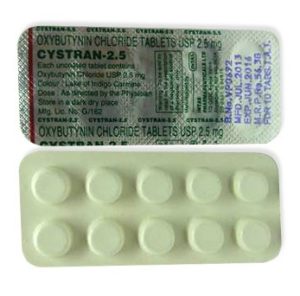
- Forms & Dosages: Immediate‑release tablets 2.5 mg and 5 mg, extended‑release tablets 5 mg/10 mg/15 mg, syrup/oral solution 1 mg/mL and 5 mg/5 mL, transdermal patch 3.9 mg/24 h, topical gel 10% (100 mg/g).
- Manufacturers In Australia: Local supply includes generic manufacturers and imported brands; global suppliers noted in registrations include Janssen, Sanofi‑Aventis, Phoenix and others, with availability varying by product and sponsor.
- Registration Status In Australia: Oxybutynin is approved by the Therapeutic Goods Administration (TGA) for overactive bladder and related indications; check the ARTG for specific product entries.
- OTC / Rx Classification: Prescription only (Rx) in most countries including Australia, although some transdermal products are OTC in other jurisdictions; confirm current TGA classification for each product and brand.
Critical Warnings & Restrictions (Safety First)
Who Should Worry About Oxybutynin Before Starting Treatment?
Untreated narrow‑angle glaucoma is an absolute contraindication to oxybutynin because antimuscarinic effects can precipitate angle closure.
Urinary retention and gastric or intestinal retention, including paralytic ileus, are absolute contraindications due to risk of worsening obstruction.
Known allergy to oxybutynin or any excipient in the formulation must prevent use.
High‑Risk Groups (Elderly, Pregnancy, Chronic Illness)
- Contraindications: Untreated narrow‑angle glaucoma; urinary retention; gastric or intestinal retention or paralytic ileus; known allergy to oxybutynin or excipients.
- Elderly: Increased anticholinergic burden and an associated dementia risk mean start at the lowest effective dose and monitor cognition and falls.
- Pregnancy/Breastfeeding: Human data are limited; discuss risks and benefits with the prescriber and consider alternatives where preferred.
Pre‑treatment Screen Checklist
- Current medications and other anticholinergic drugs.
- History of glaucoma, especially narrow‑angle disease.
- Symptoms of urinary retention or difficulty voiding.
- History of reduced bowel motility, severe constipation or paralytic ileus.
- Pregnancy or breastfeeding status and contraceptive plans.
Interaction With Activities (Driving, Workplace Safety Under Australian Law)
Oxybutynin can cause drowsiness, blurred vision and dizziness, which may impair driving or operation of machinery.
Reduced sweating and risk of heat intolerance mean working in hot environments can increase the risk of hyperthermia.
Under Australian road law and workplace health and safety rules, patients must not drive or operate heavy machinery if impaired by medication.
Pharmacists should counsel patients about these risks and record the advice in the patient record when appropriate.
Do Not Drive If…
- You feel drowsy, dizzy or notice blurred vision after taking oxybutynin.
- You experience confusion or marked cognitive changes while on treatment.
- Your ability to respond quickly is reduced at your usual dose.
Employer / Occupational Notes
- Workers in hot or high‑risk environments should discuss medication timing and possible alternatives with their prescriber and employer.
- Document counselling about impaired performance and consider a temporary restriction on safety‑critical duties if symptoms occur.
Q&A — Can I Drive After Taking It In Australia?
Short answer: If you feel drowsy, dizzy or have blurred vision after taking oxybutynin, do not drive.
If you remain unaffected at your usual dose, driving may be safe, but confirm with your prescriber or pharmacist and follow workplace restrictions.
Pharmacy counselling note: Advise patients to test their reaction to oxybutynin at home before driving and to report any new central nervous system effects immediately.
Usage Basics
What Is Oxybutynin Called And Which Forms Are Common?
INN, Brand Names Available In Australia
The International Nonproprietary Name (INN) is oxybutynin.
Common formulations worldwide include immediate‑release tablets, extended‑release tablets, a transdermal patch and a topical gel; Australian supply includes branded and generic products under the INN.
- Immediate‑release tablets and syrup (oral).
- Extended‑release (XL) tablets (oral).
- Transdermal patch delivering 3.9 mg/24 h (Oxytrol/Kentera style).
- Topical gel 10% (Gelnique style) applied once daily.
Legal Classification (TGA‑Approved, PBS Context)
Oxybutynin is TGA‑approved for overactive bladder, urge incontinence and urinary frequency.
The product is prescription‑only (Rx) in Australia; some transdermal products are OTC in other countries but that does not imply OTC status here.
| Product | Route | Rx Status | TGA Approved |
|---|---|---|---|
| Immediate‑Release Tablet | Oral | Rx | Yes |
| Extended‑Release (XL) Tablet | Oral | Rx | Yes |
| Transdermal Patch (3.9 mg/24 h) | Transdermal | Rx | Yes |
| Topical Gel (10%) | Topical | Rx | Yes |
Verify PBS subsidy eligibility for each brand and formulation before prescribing or dispensing.
Dosing Guide
Standard Regimens (PBS Reference Dosing)
Immediate‑release dosing for adults is typically 5 mg by mouth two to three times daily with a maximum of 20 mg per day.
Extended‑release (XL) tablets are usually started at 5–10 mg once daily and may be titrated as needed, with some sources noting upward titration to 30 mg/day where appropriate.
The transdermal patch delivers 3.9 mg over 24 hours and is usually applied twice weekly.
The topical gel is dosed as 100 mg once daily, typically as one sachet or measured pump dose.
- Immediate‑release: 5 mg, 2–3 times daily (max 20 mg/day).
- Extended‑release (XL): 5–10 mg once daily, titrate as needed (up to 30 mg/day in some sources).
- Transdermal patch: 3.9 mg/24 h, apply twice weekly.
- Topical gel: 100 mg once daily.
| Form | Typical Adult Dose | Notes |
|---|---|---|
| Immediate‑Release Tablet | 5 mg, 2–3 times daily | Max 20 mg/day |
| Extended‑Release Tablet | 5–10 mg once daily | Titrate per response |
| Transdermal Patch | 3.9 mg/24 h | Apply twice weekly |
| Topical Gel | 100 mg once daily | Apply to skin, avoid broken skin |
Adjustments For Comorbidities
Start at a reduced dose or titrate slowly in hepatic or renal impairment and in frail elderly patients.
Avoid oxybutynin in severe gastrointestinal obstruction or in patients with myasthenia gravis.
Monitor for cumulative anticholinergic effects when oxybutynin is co‑prescribed with other antimuscarinic agents.
- Reduce starting dose or slow titration in liver/kidney impairment and frailty.
- Avoid in severe GI obstruction and myasthenia gravis.
- Monitor urine output, cognitive function and bowel habit during titration.
Q&A — What If I Miss A Dose?
Take the missed dose as soon as you remember unless the next dose is due soon, in which case skip the missed dose and do not double up.
For patches and gels follow product‑specific instructions: replace patches on schedule and do not overlap patches unless directed.
When in doubt, contact your pharmacist for specific product advice.
Interaction Chart (Drugs, Food, Substances)
Food And Drinks (Alcohol, Coffee, Australian Diet Context)
Alcohol and oxybutynin can cause additive central nervous system depression, so avoid or limit alcohol until you know how you react.
Hot beverages and diuretics may exacerbate dehydration and anticholinergic‑related heat intolerance in hot Australian climates.
Caffeine can irritate the bladder and worsen urgency symptoms but does not materially change oxybutynin metabolism.
- Limit alcohol until your response to oxybutynin is known.
- Stay hydrated, especially when working outdoors or in summer heat.
- Reduce or trial down caffeine if urgency remains problematic.
Common Drug Conflicts
| Interacting Drug Class | Practical Advice | Monitoring / Action |
|---|---|---|
| Other Anticholinergics (tricyclic antidepressants, antipsychotics, antihistamines) | Avoid combination where possible | Review medication list; monitor cognition and dry mouth |
| CYP3A4 Inhibitors (azole antifungals, some macrolides, certain antivirals) | Use caution; increased oxybutynin exposure may occur | Consider dose reduction; monitor for anticholinergic adverse effects |
| Other Urinary Antimuscarinics | Generally avoid duplicative therapy | Choose single agent or consider mirabegron as alternative |
User Reports & Trends (Australian Patient Feedback)
What Do Australian Patients Say About Oxybutynin?
- Efficacy: Many report marked reduction in urgency and fewer incontinence episodes with oral oxybutynin.
- Side Effects: Dry mouth and constipation are commonly reported with oral formulations.
- Formulation Switch: Patients frequently switch to ER tablets, patch or gel to reduce systemic dry mouth.
- Patch/Gel Feedback: Patches and gels often reduce dry mouth but can cause local skin irritation or rash.
- Cost And Access: Price sensitivity and PBS subsidy concerns are common; rural patients report longer waits for certain brands.
Pharmacy Counselling Checklist
- Ask about dry mouth and bowel habit.
- Check for skin irritation with patch or gel use.
- Confirm adherence and discuss timing of doses.
- Review driving, heat exposure and co‑medications.
Table Idea: A simple patient sentiment table contrasting perceived efficacy against side‑effect burden is useful for visual content in the article.
Access & Purchase Options In Australia
National Chains (Chemist Warehouse, Priceline, TerryWhite Chemmart)
Major Australian pharmacy chains stock oxybutynin generics and branded options, with prices and stock levels varying between stores.
Patients are encouraged to compare prices, check PBS status and ask for generic equivalents such as oxybutynin hydrochloride 5 mg tablets when appropriate.
- GP script → present to local pharmacy or use online dispensing service.
- Check PBS subsidy and concession eligibility before filling.
- Request pharmacist counselling at pickup or on delivery.
Online Pharmacies And Telehealth E‑Prescriptions
E‑prescriptions via telehealth are accepted by Australian pharmacies and many online dispensaries will deliver to metropolitan and many rural areas.
In our online pharmacy, oxybutynin is available without a prescription, with discreet delivery to Australia in 9‑21 days.
Confirm that oxybutynin products do not require cold‑chain storage; standard storage is below 25°C.
Safe Online Ordering Checklist
- Verify the pharmacy is registered in Australia.
- Request a pharmacist consultation before purchase.
- Confirm exact product, formulation and expiry date on dispatch.
- Allow extra delivery time for rural and remote areas.
Mechanism & Pharmacology (Simple + Clinical)
Simplified Explanation
Oxybutynin is an antimuscarinic (anticholinergic) that reduces involuntary detrusor muscle contractions by blocking muscarinic receptors in the bladder wall.
Blocking bladder M3 receptors decreases urgency, urinary frequency and episodes of urge incontinence.
Transdermal and topical formulations provide delivery with lower peak systemic concentrations, which reduces systemic side effects such as dry mouth.
- Drug Class: Antimuscarinic.
- Target: Bladder M3 receptors.
- Effect: Reduced involuntary bladder contractions and urgency.
Clinical Terms
Immediate‑release and extended‑release oral formulations have different plasma profiles, with ER tablets providing smoother levels and potentially improved tolerability.
Transdermal patches deliver continuous absorption at approximately 3.9 mg/24 h and topical gel provides local absorption with lower systemic exposure.
Metabolism is primarily hepatic and interactions with CYP3A4 inhibitors can increase exposure and adverse effects.
| Form | Onset | Systemic Effects | Main Adverse Effects |
|---|---|---|---|
| Oral Immediate‑Release | Rapid | Higher peaks | Dry mouth, constipation, blurred vision |
| Oral Extended‑Release | Moderate | Smoother plasma levels | Reduced peak side effects vs IR |
| Patch / Gel | Gradual / Local | Lower systemic exposure | Local skin irritation, less dry mouth |
Indications & Off‑Label Uses
Approved Indications By TGA
Oxybutynin is approved for treatment of overactive bladder, urge incontinence and urinary frequency in adults.
Confirm specific registered indications for each brand via the TGA ARTG entry for that product.
Off‑Label Uses In Australian Clinical Practice
Documented off‑label or secondary uses include neurogenic bladder management in spinal cord injury and multiple sclerosis.
Topical gel formulations have been used for focal hyperhidrosis in some clinical settings.
- Approved Uses: Overactive bladder, urge incontinence, urinary frequency.
- Off‑Label Uses: Neurogenic bladder in spinal cord injury or MS; topical use for focal hyperhidrosis in select cases.
Off‑Label Prescribing Checklist
- Document the indication and supporting evidence.
- Obtain informed consent and record discussion.
- Plan monitoring and follow‑up for efficacy and adverse effects.
Key Clinical Findings (Evidence & Safety Highlights)
What Does The Evidence Say?
Randomised trials and systematic reviews show that oxybutynin reduces urgency episodes compared with placebo across formulations.
Extended‑release and transdermal formulations improve tolerability, notably reducing the incidence of dry mouth compared with immediate‑release oral oxybutynin.
An important safety signal is cumulative anticholinergic burden; chronic exposure in older adults has been associated with increased risk of cognitive decline.
Patches and gels reduce systemic anticholinergic exposure and are often preferred when dry mouth or GI side effects limit oral therapy.
- Efficacy: Reduces urgency episodes and incontinence events versus placebo.
- Tolerability: ER and transdermal forms show lower rates of dry mouth.
- Anticholinergic Burden: Monitor cognition and consider alternatives in older adults.
- Monitoring Recommendations: Assess cognition, hydration and bowel function during treatment.
Suggested table for clinical outcomes can compare urgency episode reduction and adverse effect rates from local RCTs and meta‑analyses when preparing final publication.
Alternatives Matrix (Comparative Options)
PBS‑Listed Alternatives Comparison Table
| Drug | Class | Typical Dose | PBS Status | Key Pros / Cons |
|---|---|---|---|---|
| Tolterodine (Detrusitol) | Antimuscarinic | 2 mg twice daily or ER 4 mg once daily | Check PBS | Well tolerated by many; anticholinergic effects persist |
| Darifenacin (Enablex) | Antimuscarinic | 7.5–15 mg once daily | Check PBS | More M3 selective; possibly less cognitive effect |
| Solifenacin (Vesicare) | Antimuscarinic | 5–10 mg once daily | Check PBS | Effective; anticholinergic side effects common |
| Trospium | Antimuscarinic (quaternary amine) | 20 mg twice daily | Check PBS | Less CNS penetration; useful where cognitive effects are a concern |
| Fesoterodine (Toviaz) | Antimuscarinic | 4–8 mg once daily | Check PBS | Good efficacy; similar anticholinergic risks |
| Mirabegron (Myrbetriq) | Beta‑3 agonist | 25–50 mg once daily | Check PBS | Non‑anticholinergic; useful to avoid anticholinergic burden |
Pros And Cons Checklist
- Consider urgency control versus anticholinergic load when selecting therapy.
- Account for glaucoma, constipation, cognitive impairment and cardiovascular comorbidities.
- Compare cost and PBS coverage as part of shared decision‑making.
- Factor in formulation preference (oral vs transdermal vs topical) and adherence likelihood.
Common Questions (Australian Pharmacy FAQs)
Will It Make Me Dry‑Mouthed?
Yes; dry mouth is common with oral oxybutynin, and many patients switch to ER, patch or gel to reduce this effect.
Which Form Is Best To Try First?
Start with the formulation that balances efficacy, tolerability and convenience; ER tablets may reduce peak‑related side effects while patches and gel reduce systemic exposure.
Is It Safe With My Antidepressant?
Check for additive anticholinergic burden with tricyclic antidepressants and some antipsychotics; the pharmacist can review your full medication list and advise.
How Long Until It Works?
Some patients notice improvement within days, but full effect may take weeks; reassess at 4–12 weeks for efficacy and tolerability.
Can Kids Use It?
Paediatric dosing is available for children aged 5 years and older; immediate‑release dosing such as 5 mg twice daily is used in some cases but follow prescriber guidance.
- Dry mouth: common with oral; patch/gel often reduce it.
- Form choice: ER for adherence, patch/gel for intolerable oral side effects.
- Drug interactions: pharmacist review recommended for antidepressant combinations.
- Onset: days to weeks; review at 4–12 weeks.
- Paediatrics: see prescriber guidance for age‑appropriate dosing.
Pharmacist Triage Checklist
- Escalate to GP if contraindication, pregnancy or complex comorbidity is present.
- Arrange medication review for polypharmacy or high anticholinergic burden.
- Document counselling and planned follow‑up.
Price & Access Comparison
Comparison Table — Supplier Type, Typical Price Range, PBS Subsidy Status, Prescription Required
Publishers should fetch live prices from Chemist Warehouse, Priceline, TerryWhite Chemmart and the PBS schedule at the time of publication as prices fluctuate.
| Supplier Type | Typical Price Range (Ex‑GST) | Likely PBS Subsidy | Prescription Required |
|---|---|---|---|
| Major Chain Pharmacy | Check Live Prices | Check PBS Schedule | Yes (usually) |
| Independent Pharmacy | Check Live Prices | Check PBS Schedule | Yes (usually) |
| Online Pharmacy | Check Live Prices | Check PBS Schedule | Yes (verify supplier rules) |
Access Checklist — Major Chains, Online Pharmacies, Rural Vs Urban Availability
- Compare brand versus generic options and ask for oxybutynin hydrochloride 5 mg where appropriate.
- Confirm pack size, dosage form and PBS item number before ordering.
- Verify delivery timeframes for rural and remote addresses and call local pharmacy for stock and price checks.
- Request pharmacist counselling on side effects, driving safety and storage.
Registration & Regulation (TGA & PBS)
TGA Approval
Oxybutynin is approved by the Therapeutic Goods Administration for overactive bladder and related indications.
Check the Australian Register of Therapeutic Goods (ARTG) for specific product entries, sponsor details and consumer medicine information.
- TGA: Regulates medicines in Australia.
- ARTG: Lists registered products and product information.
- Sponsor: The local marketing authorisation holder listed on ARTG entries.
PBS Subsidy Details
PBS listings and subsidy status change over time; some formulations or brands may be subsidised while others are not.
Clinicians should verify current PBS item numbers and authority requirements and consider patient concession status when prescribing.
- Check PBS item number and authority requirements before prescription.
- Confirm patient concession or entitlement for subsidised pricing.
- Use private scripts where PBS criteria are not met and document rationale.
Storage & Handling (Household & Pharmacy)
Household Storage In Australian Climate (Heat/Humidity)
Tablets and syrup should be stored below 25°C, away from moisture, heat and direct light.
Avoid leaving medications in hot cars or in areas exposed to summer heat in Australia.
Patches and gels should be kept sealed until use and stored away from direct sunlight and heat sources.
- Store tablets and syrup in a cool, dry place below 25°C.
- Do not store medications in the bathroom or near the stove.
- Keep patches sealed and protected from heat until application.
Cold‑Chain Handling For Pharmacies
No cold chain is required for standard oxybutynin products; maintain room temperature storage and rotate stock.
Pharmacists should monitor expiry dates and counsel patients on proper patch disposal and gel pump hygiene.
- Log receiving temperature and store at recommended room temperature.
- Rotate stock and check expiry dates on arrival.
- Provide patient counselling on storage, disposal and application technique.
Guidelines For Proper Use (Pharmacist Counselling & Patient Actions)
Australian Pharmacist Counselling Style
Confirm the indication and obtain a brief medical history before discussing oxybutynin options.
Screen for contraindications such as glaucoma, urinary retention and severe GI motility disorders.
Review concurrent medications for anticholinergic effects and CYP3A4 interactions.
Discuss formulation options, expected benefits and common side effects including dry mouth, constipation and dizziness.
Advise on driving/work safety and when to seek urgent care for urinary retention or severe confusion.
- Confirm indication and review medical history.
- Screen contraindications and current medications.
- Explain dosing, application (patch/gel) and expected timeline for benefit.
- Arrange follow‑up at 2–6 weeks and routine review every 3–6 months.
Patient Advice From PBS And National Health Authorities
Provide a written action plan: start low, titrate as needed and log urinary frequency and urgency to assess benefit.
Maintain hydration, monitor bowel function and avoid combining anticholinergic medicines where possible.
- Emergency signs: inability to pass urine, severe confusion, hallucinations or fainting — seek urgent care.
- Bring a medication list, current prescriptions and notes about side effects to GP or pharmacy reviews.
- Refer to TGA and NPS MedicineWise consumer information for authoritative patient leaflets.
Delivery Across Australia
| City | Region | Delivery Time |
|---|---|---|
| Sydney | New South Wales | 9-14 days |
| Melbourne | Victoria | 9-14 days |
| Brisbane | Queensland | 9-14 days |
| Perth | Western Australia | 9-14 days |
| Adelaide | South Australia | 9-14 days |
| Canberra | Australian Capital Territory | 9-14 days |
| Hobart | Tasmania | 9-14 days |
| Darwin | Northern Territory | 9-14 days |
| Gold Coast | Queensland | 9-14 days |
| Newcastle | New South Wales | 9-14 days |
| Wollongong | New South Wales | 9-14 days |
| Geelong | Victoria | 9-14 days |
| Cairns | Queensland | 9-14 days |