Phenazopyridine
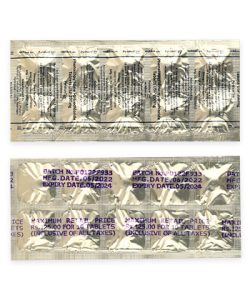
In brief
- In many pharmacies you can buy phenazopyridine without a prescription; OTC availability and online suppliers may deliver to Australia with discreet packaging.
- Phenazopyridine is used for short‑term relief of urinary pain, burning and urgency; it is a urinary tract analgesic that exerts a local anaesthetic effect on the urinary mucosa and is not an antibiotic.
- The usual adult dose is 100–200 mg orally three times daily after meals; the defined daily dose is 600 mg/day and use is generally limited to a maximum of 2 days when used with antibacterial therapy.
- Phenazopyridine is administered orally as tablets (common strengths 95 mg, 100 mg, 200 mg depending on brand).
- It typically starts working within about 15–30 minutes, providing rapid symptomatic relief.
- Relief usually lasts around 6–8 hours, which is why it is dosed three times daily.
- Avoid alcohol while taking phenazopyridine as it may worsen side effects and dehydration; exercise caution if you have liver or kidney problems.
- The most common side effect is harmless orange/red discoloration of the urine; other common effects include headache and mild gastrointestinal upset, with rare risks of haemolytic anaemia (in G6PD deficiency) and methemoglobinemia.
- Would you like to try phenazopyridine without a prescription?
Critical Warnings, Restrictions And Patient Protection (Australia First)
Basic Phenazopyridine Information
- INN (International Nonproprietary Name): Phenazopyridine.
- Brand Names Available In Australia: not specified.
- ATC Code: G04BX06.
- Forms & Dosages: Tablets 95 mg, 100 mg, 200 mg; typical strengths 100–200 mg and uncoated 95 mg in some markets.
- Manufacturers In Australia: not specified.
- Registration Status In Australia: Primarily prescription-only according to available data; check TGA product listings for specific registrations.
- OTC / Rx Classification: Primarily prescription-only in Australia and New Zealand; 95 mg OTC in some countries (USA) while higher strengths are Rx in many jurisdictions.
Immediate Patient Safety Steps And Red Flags
Phenazopyridine is a urinary tract analgesic only and does not treat infection.
It is used to relieve burning, urgency and discomfort but will not replace antibiotics when an infection is present.
In Australia phenazopyridine is primarily prescription-only and guidance recommends short courses because of renal and hepatic risks.
- Stop the medicine and seek urgent care if: fever develops.
- Stop the medicine and seek urgent care if: persistent severe lower abdominal or suprapubic pain occurs.
- Stop the medicine and seek urgent care if: flank tenderness or new back pain suggestive of kidney involvement.
- Stop the medicine and seek urgent care if: jaundice or yellowing of skin/eyes appears.
- Stop the medicine and seek urgent care if: unexpectedly dark urine that is not explained by the known orange/red drug staining.
- Stop the medicine and seek urgent care if: breathlessness, blue lips or fingertips (possible methemoglobinemia or haemolysis).
- Stop the medicine and seek urgent care if: a new widespread rash or severe allergic symptoms develop.
High-risk groups require pharmacist or GP review before supply and monitoring during use.
- Checklist — When To Seek Urgent Care:
- If you have fever, chills or vomiting.
- If pain worsens or moves to the side or back.
- If you notice jaundice, breathlessness or unusual bleeding.
- If you are known to have G6PD deficiency or severe kidney disease.
TGA note: clinicians and pharmacists should check Therapeutic Goods Administration guidance and product labels for local registration and safety communications.
PBS relevance: phenazopyridine is not commonly PBS-subsidised; confirm PBS listings for specific brands or subsidised indications where applicable.
High-Risk Groups (Elderly, Pregnancy, Chronic Illness)
- Elderly
- Start at the lowest effective dose and monitor renal function closely because clearance declines with age.
- Renal Impairment
- Avoid use in moderate to severe renal impairment as the drug is excreted largely unchanged in urine and can accumulate, increasing the risk of methemoglobinemia and haemolysis.
- G6PD Deficiency
- Contraindicated; risk of haemolytic anaemia.
- Pregnancy And Lactation
- Use only if essential after discussion with a clinician; safety is not established in pregnancy or breastfeeding.
- Hepatic Disease
- Avoid in severe hepatic impairment; insufficient safety data for significant liver disease.
- Paediatric Use
- Generally contraindicated; use not established in children.
Q&A — Can I Drive After Taking Phenazopyridine In Australia?
Q: Can I drive after taking phenazopyridine?
A: Phenazopyridine may cause dizziness, headache or rarely visual changes, and it consistently discolours urine orange/red which can alarm users.
If you feel unsteady, dizzy or have visual disturbance, do not drive or operate machinery.
Some Australian workplaces require staff to disclose medication use that may affect performance, so check your employer’s policy.
- Fitness-to-drive checklist:
- Are you free of dizziness and visual changes?
- Can you concentrate and react normally?
- Has your employer asked you to report medication use?
- If any answer is no, avoid driving until you are sure effects have worn off.
Usage Basics — Names, Legal Status And How Australians See It
INN, Common International Brands And Local Australian Naming
INN: phenazopyridine is the recognised International Nonproprietary Name.
International brands include Pyridium, Uristat, Phenazo and Urobiotic with tablet strengths typically 95 mg, 100 mg and 200 mg depending on the market.
In Spanish, Portuguese and French-speaking markets the name appears as fenazopiridina or phénazopyridine on packaging.
In Australia the active ingredient will usually be listed as phenazopyridine or appear in imported generics, so always check the packaging for dose strength (100–200 mg).
| INN | Brand Name | Strengths |
|---|---|---|
| Phenazopyridine | Pyridium | 100 mg, 200 mg |
| Phenazopyridine | Uristat | 95 mg |
| Phenazopyridine | Phenazo | 100 mg, 200 mg |
| Phenazopyridine | Urobiotic | 100 mg, 200 mg |
Legal Classification (TGA And PBS Context)
Phenazopyridine is generally prescription-only in Australia according to available regulatory summaries.
It is not commonly PBS-subsidised, so private prescription costs apply unless a specific PBS listing exists for a brand or indication.
Pharmacies such as Chemist Warehouse, Priceline and TerryWhite Chemmart can advise on access but supply typically requires a GP or telehealth prescription.
- Pharmacy and telehealth access routes:
- Visit your GP for a prescription in person.
- Use a telehealth consultation to obtain an electronic prescription for pharmacy collection.
- Present the prescription to your local or online pharmacy for supply.
- TGA
- Regulates registration, product safety and legal status of medicines in Australia.
- PBS
- Determines subsidy status and public funding for listed medicines; phenazopyridine is not commonly PBS-subsidised.
Dosing Guide (Adult Focus) And Missed-Dose Advice
Standard Regimens And Duration Limits
Typical adult dosing is 100–200 mg orally three times daily after meals for symptomatic relief only, not for antibiotic therapy.
The defined daily dose (DDD) is 600 mg per day.
Important: limit use to short courses — maximum two days when used together with antibacterial therapy to avoid masking ongoing infection.
Longer use increases risk of renal, hepatic and haematologic toxicity and is not recommended without specialist oversight.
- Checklist — Dosing Steps:
- Confirm indication is symptomatic relief, not cure.
- Take 100–200 mg after meals three times daily.
- Use only for the short term and follow GP advice on duration.
| Strength | Frequency |
|---|---|
| 95 mg | Once to three times daily (market dependent) |
| 100–200 mg | Three times daily after meals |
Adjustments For Comorbidities
- Do not use in moderate to severe renal impairment; the drug is excreted largely unchanged in urine and can accumulate.
- Elderly: start at lowest effective dose and monitor renal and hepatic function.
- Avoid in known G6PD deficiency; contraindicated due to haemolytic risk.
- Insufficient safety data for significant hepatic disease and pregnancy; use only if clearly needed with specialist advice.
Q&A — What If I Miss A Dose?
Q: Missed dose?
A: Take the missed dose as soon as you remember unless it is almost time for the next scheduled dose.
Do not double up doses to make up for a missed tablet.
If you are unsure, contact your pharmacist or GP for advice.
- Missed-dose checklist for patient leaflets:
- Take the dose when remembered unless within two hours of the next dose.
- Do not double the next dose.
- Contact your pharmacist or GP if several doses were missed or if symptoms change.
Interaction Chart — Food, Alcohol And Common Drug Conflicts
Food And Drink Interactions
No major food interactions are documented for phenazopyridine.
Alcohol may worsen dizziness and increase hepatic load, so advise moderation while taking phenazopyridine.
High caffeine intake does not specifically alter phenazopyridine’s effect but may aggravate urinary urgency and frequency.
| Food/Drink | Advice |
|---|---|
| Alcohol | Avoid or limit; can increase dizziness and hepatic burden. |
| Caffeine | No direct interaction but may worsen urinary symptoms. |
| Meals | Take tablets after meals to reduce gastric upset. |
Common Drug Interactions And Laboratory Interference
- Phenazopyridine can interfere with urine colourimetric dipstick tests, affecting nitrite, leukocyte esterase, blood and bilirubin readings.
- Warn clinicians and patients that urine discolouration may invalidate some lab assays and microscopy colour interpretation.
- Concomitant oxidising drugs or agents that cause haemolysis increase haemolytic risk, particularly in G6PD-deficient patients.
- Caution with other hepatotoxic medications and drugs cleared renally — monitor liver and kidney tests if clinically indicated.
- Lab Interference Notes
- Inform the laboratory if the patient is taking phenazopyridine to avoid misinterpretation of dipstick results.
User Reports, Trends And Australian Patient Feedback
What Australians Report In Pharmacies And Online Forums
- Common positives: many patients report fast symptomatic relief of burning and urgency within hours of taking phenazopyridine.
- Common negatives: prominent and expected orange/red urine discolouration is the top complaint, followed by concerns about masking infection and side-effects such as headache, nausea or rash.
- Price sensitivity and preference for pharmacist advice are frequent themes in community feedback.
- Checklist — When To Return To GP/Pharmacy:
- If symptoms do not improve within 24–48 hours or worsen despite symptomatic treatment.
- If new systemic symptoms (fever, jaundice) develop while taking phenazopyridine.
Monitoring Trends And Quality Signals
Pharmacists should monitor TGA adverse event reports and consumer review sites for safety signals and patterns.
Document referrals and follow-up when symptoms persist or when high-risk features appear.
| Setting | Access | Patient-Reported Outcomes |
|---|---|---|
| Urban | Easy GP and pharmacy access; telehealth common. | Quick relief reported; price-shopping common. |
| Rural | Rely on local pharmacist triage and telehealth; longer waits for GP. | Pharmacist advice valued; delays in diagnostics reported. |
Access And Purchase Options In Australia
National Chains, Online Pharmacies And Telehealth Pathways
- Major chains: Chemist Warehouse, Priceline, TerryWhite Chemmart and independent community pharmacies provide advice and supply on prescription.
- Telehealth consultations with GPs are an accepted route to obtain an electronic prescription for pharmacy collection.
- Online pharmacies will supply phenazopyridine on presentation of a valid prescription; check import rules before ordering overseas brands.
In our online pharmacy, phenazopyridine is available without a prescription, with discreet delivery to Australia in 9-21 days.
- Checklist — Documents Needed:
- Valid prescription or e-prescription.
- Photo ID for collection if required by the pharmacy.
- List of current medicines and relevant medical history.
Rural Vs Urban Access, Price Sensitivity And Cultural Habits
Rural patients often rely on local pharmacists for triage and temporary symptomatic relief but should still have GP review for suspected UTI.
Many Australians compare prices; non-PBS items may be sourced through lower-cost chains or generics, and patients frequently ask pharmacists for cost-saving options.
| Access Route | Typical Cost Tip |
|---|---|
| Local Pharmacy | Ask about generic options and bulk discounts. |
| Online Pharmacy | Compare private-pay prices and delivery times. |
| Telehealth + E‑Prescriptions | Convenient but check dispensing fees at collection pharmacy. |
Mechanism Of Action And Basic Pharmacology
Simplified Explanation For Patients
- Mechanism
- Phenazopyridine acts as a local topical analgesic on the urinary tract mucosa to reduce pain and burning.
- Site Of Action
- The drug is concentrated in urine where it exerts its local effect on the bladder and urethral mucosa.
- Excretion
- Eliminated primarily unchanged via the kidneys.
Clinical Pharmacology (For Clinicians)
- ATC: G04BX06.
- Formulations: oral tablets 95–200 mg.
- Onset: typically rapid symptomatic relief within hours.
- Elimination: primarily renal excretion of unchanged drug, which explains contraindications in renal impairment.
| ATC | Forms | DDD |
|---|---|---|
| G04BX06 | Tablets 95–200 mg | 0.6 g/day |
Indications And Off-Label Uses In Australian Practice
TGA-Approved Indications (Clinical Scope)
- Checklist — Patient Understanding:
- Phenazopyridine is indicated for symptomatic relief of dysuria and urinary discomfort in conditions such as cystitis, prostatitis and urethritis.
- It is an adjunct only and must not replace appropriate antibacterial treatment when infection is present.
Off-Label Use And Cautions
- Occasional off-label short-term use occurs for symptom palliation in flares of interstitial cystitis, but evidence is limited.
- Avoid chronic or repeated courses as this increases toxicity risk and may mask serious disease.
- For off-label prescribing document the clinical rationale and obtain informed consent where appropriate.
| Off-Label Scenario | Evidence Strength |
|---|---|
| Interstitial cystitis flare | Limited |
| Short-term palliation while awaiting GP review | Low to moderate (practical usage) |
Key Clinical Findings And Evidence Summary (Australia & International, 2022–2026)
- Clinical trials and reviews consistently show symptomatic relief from phenazopyridine compared with placebo but no antibacterial effect.
- Recent regulatory safety signals have led to recommendation of very short courses (commonly two days or fewer when used with antibacterials) due to nephrotoxicity and haematologic risks.
- TGA safety communications and international guidance reflect these duration limits and contraindications for renal impairment and G6PD deficiency.
- Checklist — What To Counsel Patients Based On Evidence:
- Expect relief within hours, but this is symptomatic only.
- Keep courses short and attend GP if symptoms persist.
- Report any signs of haemolysis, methemoglobinemia or liver injury immediately.
Alternatives Matrix And Prescribing Pros/Cons
PBS-Listed Alternatives Comparison Table
| Agent | Mechanism | Onset | PBS Subsidy | Rx Required | Typical Side-Effects | Remarks |
|---|---|---|---|---|---|---|
| Phenazopyridine | Local urinary analgesic | Hours | Usually no | Yes | Orange urine, headache, nausea | Symptomatic only; short courses. |
| NSAIDs (eg, ibuprofen) | Systemic analgesia | 30–60 mins | Some formulations yes | OTC/Rx | GI upset, renal effects | Treats pain systemically but not local bladder mucosa. |
| Flavoxate | Antispasmodic | Variable | Varies by listing | Yes | Dry mouth, dizziness | Used in some markets for urinary symptoms. |
| Antibacterials | Treat underlying infection | Start within 24–48 hrs | Yes (for many agents) | Yes | Antibiotic-specific | Essential for bacterial UTI; phenazopyridine is adjunct only. |
Pros And Cons Checklist For Clinicians And Patients
- Pros: rapid symptomatic relief, simple oral dosing, helpful for comfort while awaiting antibiotics or test results.
- Cons: does not treat infection, short allowed duration, renal/hepatic/G6PD risks, and laboratory interference.
- Selection criteria: patient renal function, G6PD status, pregnancy status, likelihood of bacterial infection and need for diagnostic testing.
Common Questions From Australian Pharmacy Consultations
Top FAQs And Short Counselling Scripts
- Will it cure my UTI?
- Short answer: No; phenazopyridine relieves pain but does not kill bacteria. Refer to GP for antibiotics if infection suspected.
- Why is my urine orange?
- Short answer: The orange/red discolouration is expected and harmless while taking phenazopyridine, but report dark urine that seems different from this staining.
- Can I give it to my elderly parent?
- Short answer: Use caution; start at the lowest dose and check renal function before supply.
- Can I take it with my antibiotics?
- Short answer: Yes, it can be used adjunctively, but limit phenazopyridine to a maximum of two days when taking antibiotics to avoid masking symptoms.
- What are serious side effects?
- Short answer: Rare but serious effects include haemolytic anaemia in G6PD deficiency, methemoglobinemia, liver injury and severe allergic reactions; stop and seek urgent care if these occur.
- Action checklist for pharmacists:
- Confirm renal function and G6PD history where possible.
- Advise on urine colour and short duration.
- Refer to GP if fever, flank pain or persistent symptoms.
- Dysuria Vs Infection
- Dysuria describes painful urination; infection indicates bacterial cause and requires clinical assessment and often antibiotics.
Price & Access Comparison Table And Availability Checklist
Comparison Table — Pharmacy/Source, Price Range, PBS Status, Rx Required
| Pharmacy/Source | Typical Price Range (Private Pay) | PBS Status | Prescription Required |
|---|---|---|---|
| Chemist Warehouse | Varies by brand; private pay | Usually no | Yes |
| Priceline | Varies by brand; private pay | Usually no | Yes |
| TerryWhite Chemmart | Varies by brand; private pay | Usually no | Yes |
| Online Pharmacies | Varies; check shipping/import rules | Usually no | Yes (valid prescription) |
Access Checklist — Where To Go And What To Bring
- Valid prescription or e-prescription.
- Photo ID for pharmacy collection if requested.
- List of current medicines and medical history.
- Information on renal or hepatic disease, pregnancy/breastfeeding status and G6PD status if known.
- Note: rural patients can often use telehealth and local pharmacy triage when GP access is limited.
Registration, Regulation And Adverse Event Reporting
TGA Approval And Regulatory Considerations
- Phenazopyridine is generally prescription-only in Australia; verify specific brand registrations on the TGA register.
- Regulatory checkpoints for prescribers and pharmacists include contraindications for renal impairment, G6PD deficiency and duration limits reflecting nephrotoxicity and haematologic risks.
- Many jurisdictions recommend limiting phenazopyridine to two days when used with antibiotics to reduce the chance of masking serious infection.
How To Report Adverse Events And Monitor Safety
- Checklist — Reporting Steps:
- Record patient details, medicine batch and event description.
- Report suspected adverse drug reactions to the TGA via the Adverse Event Reporting System.
- Pharmacies should document the event, advise the patient to seek medical review for serious symptoms and escalate to the GP or ED if necessary.
- Reportable Event
- Any unexpected or serious reaction such as haemolysis, methemoglobinemia, liver injury or severe hypersensitivity.
Storage, Handling And Pharmacy Cold-Chain Notes For Australian Climate
Household And Pharmacy Storage Advice
- Store tablets at controlled room temperature 15–30°C and protect from moisture and light.
- Advise patients in hot, humid Australian climates to keep medicines in original packaging away from bathrooms and cars.
- Check expiry dates and dispose of out-of-date medicines via pharmacy return or local medication disposal services.
- Disposal checklist:
- Do not flush down the toilet.
- Return leftover tablets to a pharmacy medication take-back service.
Transport And Cold-Chain Handling (Pharmacy Perspective)
No cold chain is required for phenazopyridine; store at controlled room temperature.
During summer postal transport consider temperature-protected packaging for long transit times to minimise exposure to high heat.
| Storage Temp | Transport Advice |
|---|---|
| 15–30°C | Original packaging; avoid prolonged exposure to heat; consider insulated packaging for long summer transit. |
Practical Guidelines For Proper Use — Pharmacist Counselling And Patient Action Plan
Australian Pharmacist Counselling Script (Concise)
- Explain phenazopyridine is symptomatic only and will not treat the cause of infection.
- Give dosing: 100–200 mg three times daily after meals, unless a different strength is prescribed.
- Advise maximum short duration, commonly no more than two days when taken with antibiotics.
- Warn that urine will turn orange/red and this is expected.
- Confirm renal disease, G6PD status, pregnancy/breastfeeding and current medicines before supply.
- Advise to stop and seek GP/ED if red flags appear.
- Follow-up checklist:
- Arrange GP review if symptoms persist beyond 24–48 hours or worsen.
- Recommend urine testing if infection suspected or symptoms severe.
- Record counselling and any referrals in the patient profile.
Patient Action Plan And Safety Netting
- Provide a written action plan with a symptom diary and medication schedule.
- List expected effects (onset of relief within hours, orange/red urine) and stop rules (fever, severe pain, jaundice).
- For remote patients include telehealth contact details and local pharmacy referral numbers.
- Key Terms For Patients
- Dysuria: painful urination. Infection: bacterial cause requiring antibiotics.
Delivery Across Australia
| City | Region | Delivery Time |
|---|---|---|
| Sydney | New South Wales | 9-14 days |
| Melbourne | Victoria | 9-14 days |
| Brisbane | Queensland | 9-14 days |
| Perth | Western Australia | 9-14 days |
| Adelaide | South Australia | 9-14 days |
| Canberra | Australian Capital Territory | 9-14 days |
| Hobart | Tasmania | 9-14 days |
| Darwin | Northern Territory | 9-14 days |
| Gold Coast | Queensland | 9-14 days |
| Newcastle | New South Wales | 9-14 days |
| Wollongong | New South Wales | 14-21 days |
| Geelong | Victoria | 14-21 days |
| Townsville | Queensland | 14-21 days |
| Cairns | Queensland | 14-21 days |