Piracetam
In brief
- In our pharmacy, you can buy piracetam without a prescription, with delivery in 9–21 days throughout Australia. Discreet and anonymous packaging.
- Piracetam is a nootropic (racetam-class) medication used for cognitive disorders, cortical myoclonus, dyslexia, vertigo and some haematologic indications; its exact mechanism is not fully understood but it is believed to modulate neurotransmission (glutamatergic and cholinergic systems), improve neuronal membrane function and microcirculation, and enhance neuroplasticity.
- Usual oral doses range from about 1.2 g to 4.8 g per day, typically divided into 2–3 doses; specific indications (and IV regimens) may require different, higher supervised doses.
- Available as film‑coated/plain tablets, capsules, oral solution (e.g. 1 g/5 ml) and injectable/IV infusion preparations for acute use.
- Oral cognitive effects are generally gradual and may take days to weeks; IV administration can produce effects within minutes to hours in acute settings.
- Piracetam’s plasma half‑life is around 4–6 hours in adults, so clinical effects after a single oral dose are generally of similar duration, while sustained benefits require repeated dosing.
- Avoid excessive alcohol while taking piracetam, as alcohol can increase central nervous system side effects and may reduce the drug’s effectiveness.
- The most common side effect is headache.
- Would you like to try piracetam without a prescription?
Safety, Warnings And Patient Protection
Basic Piracetam Information
- INN (International Nonproprietary Name): Piracetam
- Brand Names Available In Australia: Not specified
- ATC Code: N06BX03
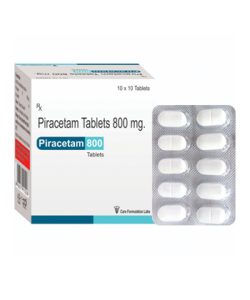
- Forms & Dosages: Film-coated/plain tablets 400 mg, 800 mg, 1200 mg; capsules 400 mg; oral solution typically 1 g/5 ml; injection/IV solutions such as 3 g ampoules (33% solutions)
- Manufacturers In Australia: Not specified
- Registration Status In Australia: Not specified
- OTC / Rx Classification: Prescription-only in many European countries; not approved as a drug in the United States
Are you thinking about starting piracetam or filling a prescription from overseas?
Always consult a GP or pharmacist before using piracetam.
Do not self-prescribe or import piracetam without confirming lawful access and regulatory clearance.
Check the Therapeutic Goods Administration (TGA) register and the Pharmaceutical Benefits Scheme (PBS) listings before obtaining medication.
Where TGA approval or PBS subsidy is unclear, use authorised pathways such as a valid prescription, the Special Access Scheme (SAS) or an authorised prescriber arrangement.
Pharmacists, hospital specialists and prescribers must verify legal supply routes before dispensing imported products.
- Key Precautions: allergy history, pregnancy and breastfeeding, renal impairment, bleeding disorders, anticoagulant use, seizure history, severe hepatic disease, elderly frailty.
- Monitoring Recommendations: baseline renal function and a full medication review for polypharmacy before starting therapy.
Stop the drug and seek urgent care for severe rash, swelling, difficulty breathing, new-onset severe headache, sudden neurological changes, bleeding or signs of a severe allergic reaction.
Checklist For Initial Consultation:
- Current medications (prescription, OTC and supplements)
- Allergies and previous adverse drug reactions
- Pregnancy or breastfeeding status
- Renal and liver disease history
- Driving, heavy machinery use or high-risk occupation
- Previous stroke or epilepsy history
High-Risk Groups, Activities And Legal/Workplace Considerations
Who Needs Extra Caution
Which patients should be especially careful with piracetam?
Older adults are higher risk because of fall and bleeding susceptibility and possible frailty.
Pregnant or breastfeeding people should avoid exposure unless a specialist advises otherwise.
Children require specialist paediatric guidance if piracetam is considered for an off-label indication.
Those with renal impairment may need dose adjustment or avoidance due to primary renal excretion.
People with seizure disorders require careful assessment because central nervous system agents can affect seizure threshold.
Patients on anticoagulation or with bleeding diatheses should be monitored closely for bleeding risk.
Those with significant cardiovascular disease must have a specialist review before starting treatment.
Interaction With Driving, Heavy Machinery And Workplace Safety
Can piracetam affect your ability to work safely?
CNS-active agents can impair coordination, alertness or vision in some people.
Employers and clinicians should consider Australian workplace safety obligations, including Safe Work Australia guidance, when evaluating fitness for work.
Temporary work adjustments or restriction from safety-sensitive tasks may be appropriate if cognitive side-effects occur.
Q&A — “Can I Drive After Taking It In Australia?”
Q: Can I drive after taking piracetam?
A: There is limited formal Australian guidance specific to piracetam.
A: If you experience dizziness, drowsiness, blurred vision, or cognitive slowing, do not drive or operate machinery.
A: Always assess your personal response before driving and report persistent effects to your prescriber.
Legal Status, TGA & PBS Considerations
How should clinicians and patients check whether piracetam can be supplied legally in Australia?
Do not assert approval status without checking the TGA.
Search the Australian Register of Therapeutic Goods (ARTG) and PBS schedules for current listings before prescribing or dispensing.
If piracetam is not ARTG-listed or PBS-subsidised, discuss lawful access options such as private prescription importation with TGA permission, the Special Access Scheme (SAS), or hospital supply under specialist authorisation.
Piracetam is prescription-only in many EU countries and is not approved as a drug in the United States, which highlights international sourcing risks.
Warn patients about unregulated online purchases given quality, legal and counterfeit risks.
Definitions:
- TGA: Therapeutic Goods Administration, Australia’s regulator for therapeutic goods.
- PBS: Pharmaceutical Benefits Scheme, the national subsidy program for medicines in Australia.
- ARTG: Australian Register of Therapeutic Goods, the database of approved medicines and devices.
- SAS: Special Access Scheme, a pathway for unapproved therapeutic goods in Australia under clinician oversight.
Stepwise Checklist For Lawful Sourcing:
- Search ARTG for piracetam registration status.
- Check PBS for any subsidy listings or restrictions.
- If not listed, consider SAS, authorised prescriber or TGA import permits and document the rationale.
- Verify cross-border prescriptions and telehealth e-prescriptions with pharmacist confirmation and keep written records.
INN, Chemical Class, ATC Code & Product Identity
What exactly is piracetam and how is it classified?
- INN: Piracetam (Latin: Piracetamum; sometimes styled PIRACETAM in regulatory listings).
- Chemical Class: 2-oxo-1-pyrrolidine acetamide, the first racetam synthesised by UCB in the late 1960s.
- Therapeutic Class: Nootropic / psychoanaleptic; used in cognitive and neuromuscular indications.
- ATC Code: N06BX03 (Nervous system → Psychoanaleptics → Other psychostimulants and nootropics → Piracetam).
| Identification | Value |
|---|---|
| INN | Piracetam |
| Chemical Class | 2-oxo-1-pyrrolidine acetamide |
| ATC Code | N06BX03 |
| Representative Brands | Nootropil, Lucetam, Memotal, Memotropil, Oikamid, Geratam, Biotropil, Nootropyl, Breinox, Dinagen (availability varies by country) |
Indications — Approved And Common Off-Label Uses
What is piracetam used for internationally?
- Cognitive disorders, including various dementia-related cognitive deficits.
- Cortical myoclonus, particularly where specialist neurology care is involved.
- Dyslexia in some clinical series and studies.
- Vertigo and balance disorders in selected settings.
- Certain haematologic adjuncts such as in sickle cell anaemia reported in limited data.
Licensed Versus Off-Label:
- Licensed: Many European states authorise piracetam for certain indications; local labels vary.
- Off-Label: Use outside local authorisation depends on prescriber judgement, evidence and regulatory status.
For specialist indications such as cortical myoclonus or acute stroke adjuvant therapy, treatment should be hospital-based with neurology or haematology involvement.
Forms, Dosage Strengths And Typical Packaging
| Form | Typical Strengths | Notes / Packaging Examples |
|---|---|---|
| Film-coated / Plain Tablets | 400 mg, 800 mg, 1200 mg | Common blister packs (e.g. boxes with multiple Al/PVC blisters × 10 tablets) |
| Capsules | 400 mg | Blister packaging in some markets |
| Oral Solution | Typically 1 g/5 ml | Memotal 1 g/5 ml presentation; useful for paediatric or dysphagic patients |
| Injection / IV Solution | e.g. 3 g ampoules; 33% solutions | Used in acute neurology such as ischaemic stroke or severe cortical myoclonus |
Pharmacy Counselling Checklist:
- Explain that many regimens use gram-level total daily doses, so tablet counts may be high.
- Offer the oral solution for children or patients with swallowing difficulties.
- Confirm whether IV ampoules are needed for an inpatient or acute setting.
Dosing Form Comparison — Pros and Cons:
- Tablets/capsules: convenient for long-term outpatient use but may require many tablets daily.
- Oral solution: easier for paediatric dosing and dysphagia, allows precise gram dosing.
- IV ampoules: rapid effect for acute care, requires hospital administration and monitoring.
Practical Dosing Guide And Missed-Dose Advice
Typical Regimens And Adjustments
How is piracetam usually dosed?
Dosing varies substantially by indication, with many regimens reaching multiple grams per day split across doses.
IV dosing differs and is reserved for acute care in hospital settings.
Adjust doses for renal impairment and consider lower starting doses or closer monitoring in the elderly.
Always follow the local product information or specialist advice when using imported product information, as labelled doses vary internationally.
Q&A — “What If I Miss A Dose?”
Q: Missed dose guidance
A: If you miss a dose, take it as soon as you remember unless it is nearly time for the next dose.
A: Do not double doses to make up for a missed dose.
A: For hospital IV regimens, follow clinician instructions and infusion records.
Checklist For Renal Dose Review:
- Confirm baseline creatinine and eGFR before starting where indicated.
- Re-assess dosing if eGFR declines or if new nephrotoxic drugs are added.
- Inform prescriber of any adverse effects that may suggest accumulation.
Interactions — Food, Alcohol, Medicines
Which medicines and foods can interact with piracetam?
High-quality interaction data are limited, so exercise clinical caution and perform a medication reconciliation.
| Drug / Food | Potential Effect | Clinical Action |
|---|---|---|
| Anticoagulants (warfarin, DOACs) | Reported potential increased bleeding risk | Monitor INR/bleeding signs; consult prescriber before starting |
| Antiplatelet Agents (aspirin, clopidogrel) | Possible additive bleeding tendency | Review bleeding risk and ongoing indications; consider monitoring |
| Anticonvulsants | Potential pharmacodynamic interactions; seizure threshold effects unclear | Coordinate with neurology; monitor seizure control |
| Sedatives / CNS Depressants | Alcohol may exacerbate dizziness or drowsiness | Avoid excess alcohol and advise caution with sedatives |
| NSAIDs, St John’s Wort, Ginkgo Biloba, High‑dose Omega‑3s | Herbals and NSAIDs may increase bleeding risk | Ask about OTC and herbal use; stop or monitor as needed |
Checklist For Medication Review:
- Ask about all prescription, OTC and herbal medicines.
- Perform a formal interaction check using clinical pharmacy software.
- Contact the prescriber if interaction risk affects therapy choice.
Mechanism Of Action And Pharmacology
How does piracetam work?
Piracetam belongs to the racetam family and its exact mechanism is not fully understood.
Proposed mechanisms include modulation of neuronal membrane fluidity and enhancement of certain neurotransmitter systems such as cholinergic pathways.
Additional hypotheses point to improved microcirculation and neuroprotective effects seen in some experimental models.
Piracetam is centrally active and classified under ATC N06BX03.
Pharmacokinetics:
- Generally well absorbed orally with primary renal excretion.
- IV formulations provide a rapid clinical effect in acute settings.
- Renal clearance is dose-dependent, so monitoring is essential in impairment.
Graphic Suggestion:
- Simple schematic: oral/IV administration → central nervous system effects → proposed actions (membrane modulation, neurotransmitter support, microcirculation).
Key Clinical Evidence And Guideline Snippets
What does the evidence say about piracetam?
Clinical trial data are heterogeneous and many studies pre-date modern methodological standards.
- Randomised trials exist in cognitive disorders with mixed outcomes and varying quality.
- Cortical myoclonus evidence includes case series and specialist reports demonstrating benefit in selected patients.
- Vertigo and dyslexia studies show variable results in small trials.
- Haematologic adjunct trials, for example in sickle cell anaemia, are limited and context-specific.
Evidence Strength Summary:
- High: limited — not many high-quality recent RCTs.
- Moderate: specialist indications like cortical myoclonus have consistent case data but fewer large RCTs.
- Low: cognitive and other uses show heterogenous outcomes and older trial methodology.
Clinicians in Australia should combine international trial data with TGA/PBS status and specialist advice before prescribing.
Suggested Evidence Table For Clinicians:
- List pivotal RCTs with year, population, outcome and level of evidence when preparing a local guideline summary.
Alternatives And Comparison
Therapeutic Alternatives
What other medicines might be considered instead of piracetam?
For cognitive symptoms, cholinesterase inhibitors and memantine are preferred options where clinically indicated and PBS-eligible.
Vestibular physiotherapy and symptom-directed treatments are alternatives for vertigo.
For cortical myoclonus, specific antiepileptic drugs may be more appropriate depending on the aetiology.
When considering alternatives, compare benefits, cost and PBS subsidy implications with the patient and document the discussion.
Clinician Checklist For Discussion:
- Compare efficacy evidence for piracetam versus PBS-listed alternatives.
- Discuss likely costs and whether a PBS option is available.
- Consider specialist referral for complex cases.
Access, Purchase Options And Telehealth Prescriptions
How do patients in Australia obtain piracetam lawfully?
Local community pharmacies, hospital supply for inpatients and telehealth e-prescriptions are standard access routes when the product is lawfully supplyable.
For products not ARTG-listed, lawful access may require SAS approval, an authorised prescriber or an import permit.
Rural patients can use pharmacy delivery, telehealth consults and coordinated supply via local hospital pharmacies or approved mail-order services.
In our online pharmacy, piracetam is available without a prescription, with discreet delivery to Australia in 9-21 days.
| Access Route | Pros | Cons / Legal Notes |
|---|---|---|
| Community Pharmacy | Local counselling, immediate supply if lawful | Only if product is lawfully supplyable; verify ARTG/SAS status |
| Hospital Pharmacy | Access to IV formulations and specialist oversight | Typically inpatient use or specialist outpatient clinics |
| Online Import / SAS | May allow access to unlisted products | Legal risk if done without TGA pathways; quality and counterfeit concerns |
Price, Subsidy And Patient Cost Considerations
How much will piracetam cost patients in Australia?
If piracetam is not on the PBS, out-of-pocket costs can be substantial due to gram-level dosing and frequent tablet use.
Compare pharmacy quotes and generic options if the product is legally obtainable to reduce costs.
If piracetam becomes PBS-listed, PBS co-payment tiers and concession card status will affect patient cost — patients must verify current PBS status.
| Pharmacy Type | Likely Price Range | Subsidy Status |
|---|---|---|
| Community Pharmacy | Variable; often higher if not PBS-listed | Depends on ARTG/PBS listing |
| Hospital Supply | Usually covered for inpatients | Not subject to PBS for inpatient use |
| Online Import | May appear cheaper but includes legal and quality risk | Not PBS-subsidised |
Patient Checklist Before Purchase:
- Ask for generic options and itemised quotes from the pharmacist.
- Check whether repeats or longer supplies can reduce dispensing fees.
- Confirm PBS status at the time of purchase.
Storage, Handling & Pharmacy Cold-Chain Notes
How should piracetam be stored and handled in Australia’s climate?
Store tablets and oral solutions at room temperature away from heat, moisture and direct sunlight.
Protect medicines from excessive humidity and keep them in a cool, dry place in the home.
IV ampoules and injectable stock should follow the manufacturer’s cold-chain or room-temperature guidance; confirm the product monograph for specific instructions.
Household Storage Checklist:
- Keep medicines in a childproof location out of reach and sight of children.
- Avoid storing in bathrooms or near heat sources.
- Dispose of unused medicines via pharmacy take-back or local council hazardous waste programs.
Pharmacy Cold-Chain Handling Checklist For Injectables:
- Follow manufacturer storage temperatures and expiry once opened.
- Document cold-chain breaks and quarantine affected stock pending advice.
- Use validated transport packaging for deliveries of injectable stock.
Extreme Heat Advice:
- In extreme heat, avoid prolonged storage in cars or direct sunlight.
- Temporary refrigeration may be acceptable only if manufacturer guidance permits it; otherwise seek pharmacy advice.
Pharmacist Counselling Points & Patient Advice
What should a pharmacist cover in a standard counselling session about piracetam?
Key counselling points include the reason for therapy, expected onset, common side-effects and what to do if adverse effects occur.
Common side-effects may include gastrointestinal upset, agitation, sleep disturbance and rare events such as bleeding or allergic reactions.
Advise patients when to seek urgent help and include driving and work cautions as needed.
Emphasise the importance of renal monitoring and medication reviews for those on multiple medicines.
Standard 5-Minute Counselling Script Checklist:
- Confirm patient identity and indication for therapy.
- Ask about allergies, current medicines, pregnancy/breastfeeding and renal history.
- Explain dosing form, how to take it and missed-dose actions.
- Discuss common side-effects and warning signs that require urgent care.
- Arrange a follow-up or advise when to see the prescriber for review.
Patient Handout Template (Short):
- Name of medicine, dose and how to take it.
- Why you were prescribed it and likely time to effect.
- Emergency signs: severe rash, swelling, breathing difficulty, sudden neurological changes, severe headache, unexplained bleeding.
- Contact details for the prescribing clinic and the dispensing pharmacy.
Document informed consent for off-label uses and refer to specialists when required to maintain E-E-A-T standards.
Delivery Across Australia
| City | Region | Delivery Time |
|---|---|---|
| Sydney | New South Wales | 9-14 days |
| Melbourne | Victoria | 9-14 days |
| Brisbane | Queensland | 9-14 days |
| Perth | Western Australia | 9-14 days |
| Adelaide | South Australia | 9-14 days |
| Canberra | Australian Capital Territory | 9-14 days |
| Hobart | Tasmania | 9-14 days |
| Darwin | Northern Territory | 9-14 days |
| Gold Coast | Queensland | 9-14 days |
| Newcastle | New South Wales | 9-14 days |
| Wollongong | New South Wales | 9-14 days |
| Geelong | Victoria | 9-14 days |
| Cairns | Queensland | 14-21 days |