Pletal
In brief
- Pletal is a prescription-only medicine in Australia and most major jurisdictions and should be obtained from a pharmacy with a valid prescription; it is supplied by licensed pharmacies and authorised online suppliers—note some e‑pharmacies or individual outlets may offer it without a prescription (this is unregulated and not recommended).
- Pletal (cilostazol) is used to treat intermittent claudication due to peripheral arterial disease; it is a phosphodiesterase‑III inhibitor that increases cAMP, producing antiplatelet effects and vasodilation to improve walking distance.
- The usual adult dose is 100 mg orally twice daily, taken about 30 minutes before or at least 2 hours after meals; treatment is assessed after 2–4 weeks and may take up to 12 weeks for full benefit—stop if no improvement after 3 months.
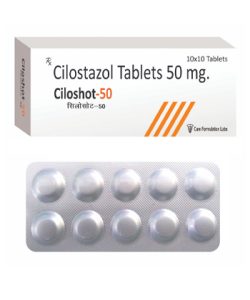
- Administered orally as a tablet (most commonly 100 mg tablets in blister packs; 50 mg tablets are rare in some regions).
- Some patients may notice improvement in walking distance within 2–4 weeks, but clinical benefit can take up to 12 weeks of continuous treatment to become evident.
- The pharmacological effect lasts roughly the dosing interval (around 12 hours); plasma half-life is approximately 11–13 hours, so twice‑daily dosing is required and therapeutic effects persist only with continued use.
- Avoid excessive alcohol while taking pletal—alcohol can worsen dizziness, hypotension and palpitations and increase risk of side effects; drink with caution and discuss alcohol use with your prescriber.
- The most common side effect is headache (other common effects include diarrhoea, palpitations/tachycardia, dizziness and peripheral oedema).
- Would you like to try “pletal” without a prescription?
Critical Warnings, Restrictions And Patient Protection
Basic Pletal Information
- INN (International Nonproprietary Name): Cilostazol
- Brand Names Available In Australia: Pletal (Tab. 100 mg)
- ATC Code: B01AC23
- Forms & Dosages: Tablet — 100 mg (round) in packs commonly of 20, 30 or 56; 50 mg tablets listed as rare in some Asian markets.
- Manufacturers In Australia: Aspen Pharma Pty Ltd
- Registration Status In Australia: TGA-registered
- OTC / Rx Classification: Prescription Only Medicine (Rx)
Main Safety Priorities For Australian Patients
Pletal is the brand name for cilostazol and it is a prescription-only medicine registered with the TGA in Australia.
The absolute contraindication to remember is any degree of heart failure (NYHA I–IV) due to an established increased risk with PDE‑III inhibitors.
Moderate to severe hepatic impairment is also a contraindication and patients with significant liver disease must not be given cilostazol.
Advise patients to report new or worsening chest pain, breathlessness, unexpected weight gain, fainting or near‑fainting, severe headache, bleeding or palpitations immediately.
- Red Flag — Heart Failure: Any degree (NYHA I–IV) is an absolute contraindication.
- Red Flag — Hepatic Disease: Moderate to severe hepatic impairment contraindicates use.
- Red Flag — Severe Renal Disease: Use with caution; monitor closely.
- Red Flag — Hypersensitivity: Known allergy to cilostazol or excipients is a contraindication.
- Red Flag — Bleeding Risk: Active bleeding or high bleeding risk requires careful assessment.
Pharmacists must check current medicines for interactions, review cardiovascular history including any heart failure, and confirm pregnancy and breastfeeding status before dispensing cilostazol.
High-Risk Groups
Elderly patients should be given cilostazol with caution and monitored for palpitations, dizziness and fall risk.
Pregnancy and breastfeeding have limited safety data for cilostazol, so use should be avoided unless essential and discussed with the prescriber.
Patients with chronic liver disease should have their liver function reviewed and cilostazol must not be used in moderate to severe hepatic impairment.
Interaction With Activities
Patients starting cilostazol should be advised to see how it affects alertness before driving or operating heavy machinery because palpitations, dizziness and headache are common adverse effects.
If palpitations, dizziness, light-headedness or any reduction in alertness occur, patients should not drive or use dangerous equipment until they are sure they are unaffected.
Q&A — “Can I Drive After Taking It In Australia?”
There is no blanket rule that covers every driver and every state.
If you feel dizzy, light‑headed, have palpitations, blurred vision or any reduction in alertness, do not drive or operate machinery.
Follow NSW, Victorian and Queensland road‑safety guidance on medicines and driving and declare any impairing side effects to your treating clinician.
If uncertain about symptoms after starting cilostazol, arrange alternative transport rather than risk a road safety incident.
Usage Basics: Names, Legal Classification And Labelling
INN, Brand Names Available In Australia
The International Nonproprietary Name (INN) is cilostazol.
The principal brand available in Australia is Pletal, supplied locally by Aspen Pharma Pty Ltd and presented as 100 mg tablets.
- INN → cilostazol
- Brand → Pletal
- Common Strengths → 100 mg tablet
Legal Classification (TGA-Approved, PBS Considerations)
Pletal (cilostazol) is TGA-registered and is classified as a prescription-only medicine in Australia.
PBS subsidy status can change over time; advise patients to check the current PBS Schedule or MyMedicare/NPS for any authority requirements.
- Checklist For Pharmacist Verification: Confirm TGA registration and ARTG if requested.
- Checklist For Pharmacist Verification: Check PBS code and authority requirements before dispensing a subsidised script.
- Checklist For Pharmacist Verification: Confirm sponsor/manufacturer (Aspen Pharma) on the pack.
Packaging commonly follows international presentations: 100 mg tablets in blister packs of 20, 30 or 56, with Australian supplies typically shown as 100 mg tablets.
Dosing Guide And Missed‑Dose Advice
Standard Regimens (Australian/PBS Reference Dosing)
The usual adult dose of cilostazol is 100 mg orally twice daily.
Tablets should be taken 30 minutes before a meal or at least two hours after a meal to optimise absorption.
Clinical benefit is generally assessed after two to four weeks, with maximal effect potentially taking up to twelve weeks.
- How To Take — Take 100 mg twice daily, approximately 12 hours apart.
- How To Take — Take 30 minutes before meals or two hours after meals for best absorption.
- How To Take — Allow 2–4 weeks to notice initial benefit and up to 12 weeks for full assessment.
Adjustments For Comorbidities
Cilostazol is not recommended in children as safety and efficacy have not been established.
Elderly patients do not require routine dose reduction but should be monitored for side effects including palpitations and dizziness.
Cilostazol is contraindicated in moderate to severe hepatic impairment and should be used with caution in severe renal impairment.
Concomitant use of strong CYP3A4 or CYP2C19 inhibitors should be avoided where possible or specialist advice sought because these agents can increase cilostazol exposure.
Q&A — “What If I Miss A Dose?”
If you remember a missed dose soon after the scheduled time, take the dose straight away.
If it is nearly time for your next dose, skip the missed dose and continue the usual schedule.
Do not double up doses to make up for a missed tablet.
If overdose is suspected, seek emergency medical attention; overdose symptoms may include severe headache, diarrhoea, low blood pressure and arrhythmias.
Interaction Chart: Food, Drink And Drug Conflicts
Food And Drinks (Alcohol, Caffeine, Australian Diet)
Alcohol can worsen dizziness and tachycardia and should be consumed in moderation, particularly during the first weeks of therapy.
Caffeine may amplify palpitations in people who are sensitive to stimulants while taking cilostazol.
For absorption reasons, take cilostazol 30 minutes before food or two hours after food, as per product information.
Common Drug Interactions
Strong CYP3A4 or CYP2C19 inhibitors, such as ketoconazole, clarithromycin and fluvoxamine, increase cilostazol exposure and should be avoided or monitored closely.
Combining cilostazol with antiplatelet or anticoagulant therapy increases the risk of bleeding and requires assessment of risks and benefits.
| Drug/Food | Effect/Clinical Action |
|---|---|
| Ketoconazole, Itraconazole | Strong CYP3A4 inhibitors — increase cilostazol levels; avoid or monitor. |
| Clarithromycin | Strong CYP3A4 inhibitor — increases exposure; consider alternatives. |
| Fluvoxamine | CYP2C19 inhibitor — may raise cilostazol levels; seek specialist advice. |
| Antiplatelets / Anticoagulants | Increased bleeding risk — assess, monitor and counsel on bleeding signs. |
| Alcohol | May worsen dizziness and tachycardia — advise moderation. |
- Medicines To Query At Screening: Azole antifungals (ketoconazole, itraconazole).
- Medicines To Query At Screening: Macrolide antibiotics (clarithromycin).
- Medicines To Query At Screening: SSRIs and SNRIs, particularly those that affect CYP2C19 or bleeding risk.
User Reports And Australian Patient Trends
Australian patient feedback gathered from pharmacy consultations and local review sites tends to report improvements in walking distance for intermittent claudication after a few weeks of therapy.
Early adverse effects commonly mentioned by patients include headache, diarrhoea, palpitations and sleep disturbance, which often settle with continued use.
- Patient-Reported Positives — Increased walking distance and reduced leg pain after weeks of regular use.
- Patient-Reported Negatives — Headache, tachycardia, stomach upset and sleep changes early in treatment.
- Access Themes — Price sensitivity and PBS subsidy concerns are recurring topics.
Rural patients often rely on local pharmacists and telehealth scripts, while urban patients may use large chains or online options; regardless of location, advise reporting adverse events to the prescriber and the TGA via the ADR reporting scheme.
| Common Patient Comment | Clinical Interpretation |
|---|---|
| “I can walk further after a few weeks.” | Cilostazol effect on walking distance typically appears within 2–12 weeks. |
| “I had headaches and felt palpitations at first.” | Common early adverse effects—monitor; often transient. |
| “It’s expensive and I’m unsure about PBS help.” | Confirm current PBS listing; private script costs may apply if not subsidised. |
Access And Purchase Options In Australia
National Chains And Pharmacies
Major pharmacy retailers such as Chemist Warehouse, Priceline and TerryWhite Chemmart commonly dispense cilostazol on prescription with stock levels varying by pack size (20, 30 or 56 tablets).
- What To Bring To The Pharmacy — Valid prescription or e‑prescription.
- What To Bring To The Pharmacy — Medicare card and personal ID if required for records.
- What To Bring To The Pharmacy — Current medication list and any recent ECG or cardiology notes if there is known heart disease.
Online Pharmacies And Telehealth E-Prescriptions
Telehealth e‑prescriptions are commonly accepted by Australian pharmacies and pharmacists should verify the prescriber and check contraindications such as heart failure before supply.
Online suppliers may list generics labelled as cilostazol; confirm TGA registration and the Australian sponsor (for example, Aspen Pharma) before purchase.
- Safety Steps When Buying Online — Check the TGA ARTG number where available and confirm packaging and dosage match the prescription.
- Safety Steps When Buying Online — Verify expiry dates and ensure the supplier will deliver within recommended temperature ranges.
- Safety Steps When Buying Online — Confirm the prescriber and pharmacy will screen for heart failure and hepatic impairment before dispatch.
In our online pharmacy, pletal is available without a prescription, with discreet delivery to Australia in 9-21 days.
Mechanism Of Action And Pharmacology (Plain English)
Simplified Explanation
Cilostazol is a phosphodiesterase III (PDE‑III) inhibitor that reduces platelet aggregation and causes vasodilation by increasing intracellular cyclic AMP.
The combined antiplatelet and vasodilator effects help improve blood flow in the legs and reduce platelet-mediated microthrombosis, which can improve walking distance in intermittent claudication.
Clinical Terms Simplified For Patients
Think of cilostazol as a medicine that helps reduce artery spasm and clotting in the legs so you can walk further over several weeks.
- PDE‑III — Enzyme blocked by cilostazol to raise cAMP in cells.
- Antiplatelet Action — Lowers platelet stickiness and small clot formation.
- Vasodilation — Widens small blood vessels in the legs to improve flow.
| Action | Patient Effect |
|---|---|
| Vasodilation | Improved blood flow to leg muscles — better walking distance. |
| Antiplatelet effect | Reduced microclotting — less interruption of blood flow in small vessels. |
Indications And Off‑Label Uses In Australian Practice
Approved Indications By TGA
The primary indication for cilostazol is intermittent claudication due to peripheral arterial disease, with the aim of improving maximal walking distance.
Clinical response should be assessed after two to four weeks and continued up to twelve weeks when judging full benefit.
Off‑Label Uses And Cautions
Occasional off‑label interest exists for cerebrovascular or microvascular indications, but evidence is limited and these are not routine practices in Australia.
- Do Not Attempt Off‑Label Use — In Patients With Heart Failure.
- Do Not Attempt Off‑Label Use — In Severe Hepatic Disease.
- Do Not Attempt Off‑Label Use — In Children, as safety is not established.
Any off‑label prescribing should be undertaken by a specialist with documented informed consent and monitoring arrangements in place.
Key Clinical Findings (Australian And International Evidence 2022–2026)
Clinical trials and older comparative studies show cilostazol produces a modest but consistent improvement in walking distance compared with placebo and some comparators, with benefits accruing over weeks up to twelve weeks.
A key safety signal is increased cardiovascular risk in patients with heart failure, which led to the absolute contraindication across regulators.
- Time To Benefit — Some patients notice improvement within 2–4 weeks; full effect may take up to 12 weeks.
- Magnitude Of Effect — Modest increase in maximal walking distance versus placebo in multiple trials.
- Common Adverse Effects — Headache, diarrhoea, palpitations, dizziness and peripheral oedema.
| Study/Year | Result | Implication |
|---|---|---|
| Multiple Trials (older) | Modest improvement in walking distance vs placebo | Useful option for intermittent claudication where not contraindicated |
| Regulatory Safety Reviews | Raised concern for patients with heart failure | Contraindicated in any degree of heart failure (NYHA I–IV) |
Pharmacists should check the latest Australian cardiology and vascular society guidance and TGA updates for any regulatory changes affecting use.
Alternatives Matrix And PBS-Listed Comparators
PBS-Listed Alternatives Comparison Table
| Drug | Class | Typical Effect | PBS Status (Check Current Schedule) |
|---|---|---|---|
| Pentoxifylline | Xanthine derivative (vasodilator) | Improves microcirculation; may help walking distance in some patients | May be PBS-listed; verify current Schedule |
| Naftidrofuryl Oxalate | 5‑HT antagonist vasodilator | Used in some countries for claudication; availability varies | Varies by market; check current Australian availability |
| Cilostazol Generics | PDE‑III inhibitor | Same class and effect as Pletal | Generic availability varies; check TGA listings |
Pros And Cons Checklist
- Pentoxifylline — Pros: often cheaper and better tolerated by some patients. Cons: evidence less consistent than cilostazol for walking distance in some studies.
- Naftidrofuryl — Pros: alternative vasodilator in some regions. Cons: not widely used in Australia and availability varies.
- Cilostazol Generics — Pros: same mechanism as Pletal, potential cost savings. Cons: ensure TGA registration and Australian sponsor details before supply.
When selecting an alternative, consider comorbidities, PBS access and side‑effect profiles and discuss options with the prescriber when necessary.
Common Pharmacy And Patient FAQs
Will it be subsidised?
Check the current PBS Schedule; subsidy status can change and authority requirements may apply.
How long until I notice improvement?
Initial improvement is usually seen within 2–4 weeks; judge full benefit after up to 12 weeks.
Can I take it with blood thinners?
Co‑administration with antiplatelets or anticoagulants raises bleeding risk and requires careful review and monitoring.
Is it safe for my elderly parent?
Elderly patients may tolerate cilostazol but should be monitored for palpitations, dizziness and falls; avoid in heart failure or significant hepatic impairment.
- Pharmacist Script — “I’ll check for heart failure, liver problems and interacting medicines before we supply this tablet.”
- Pharmacist Script — “Take 100 mg twice daily, 30 minutes before food or two hours after, and come back if you have palpitations or severe headache.”
- Documentation — Provide the Pletal Consumer Medicine Information (CMI) or a printout and advise on ADR reporting to the TGA.
Price And Access Comparison
When comparing prices, patients should confirm pack size (20/30/56) as unit cost varies by pack size and supplier.
| Pharmacy/Source | Typical Pack Size | Estimated Private Price (AUD) | PBS Subsidy Status | Prescription Required | Notes (Delivery, Rural Availability) |
|---|---|---|---|---|---|
| Chemist Warehouse | 20/30/56 | Check current website | Check current Schedule | Yes | National delivery; stock varies by store |
| Priceline | 20/30/56 | Check current price in-store | Check current Schedule | Yes | Urban and regional stores; call ahead for stock |
| TerryWhite Chemmart | 20/30/56 | Price varies by location | Check current Schedule | Yes | Often useful for rural patients; telehealth scripts accepted |
| Online Pharmacies | 20/30/56 | Varies; compare private script prices | Depends on PBS listing | Yes (e‑prescription accepted) | Confirm TGA registration and sponsor before purchase |
Sample Checklist For Best Value — Call local pharmacies for current private prices, ask about generic cilostazol, confirm concession or PBS authorisation and consider telehealth scripts to local pharmacies for convenience.
Registration And Regulation — TGA And Documentation
TGA Approval Specifics
Cilostazol (Pletal) is TGA-registered in Australia and is a prescription-only medicine.
Provide ARTG details at dispensing if requested and refer patients to official product information such as the TGA product page and the Pletal PI/CMI for authoritative information.
PBS Subsidy Details And Authority Scripts
Because PBS listings can change, pharmacists should verify the current PBS Schedule and any authority requirements before dispensing a subsidised script.
- Regulatory Checklist For Pharmacists — Confirm ARTG number and expiry.
- Regulatory Checklist For Pharmacists — Verify PBS code and whether an authority is required for subsidy.
- Regulatory Checklist For Pharmacists — Check sponsor (Aspen Pharma) and ensure labelling matches the TGA product information.
Storage, Handling And Pharmacy Cold/Heat Considerations
Household Storage In Australian Climate
Store cilostazol at room temperature, ideally between 15–30°C, in a dry place away from direct sunlight and moisture.
Keep tablets in their original blister packs and avoid storing them in bathrooms or other humid areas, especially during hot and humid Australian summers.
- Patient Instruction — Keep in original pack and discard after expiry.
- Patient Instruction — Avoid storing tablets in the glovebox of a car in summer.
Cold‑Chain And Pharmacy Handling
Cilostazol does not require refrigerated storage and can be kept in ambient conditions throughout the supply chain.
Pharmacies in very hot regions should avoid prolonged outdoor courier transfers and use same‑day dispatch or insulated packaging where transport temperatures could exceed recommended ranges.
| Storage Condition | Action |
|---|---|
| Ambient 15–30°C | Store in pharmacy stock area away from direct heat sources. |
| Hot Outdoor Delivery | Use insulated packaging or same‑day courier services. |
| Humidity | Keep in sealed blister until use; advise patients not to remove until taking. |
Guidelines For Proper Use: Pharmacist Counselling And Patient Handout
Australian Pharmacist Counselling Style (Practical Script)
Confirm the indication as intermittent claudication and explain the goal is to improve walking distance over weeks of treatment.
Check for contraindications including any history of heart failure or moderate to severe liver disease and review the current medicine list for CYP3A4/CYP2C19 inhibitors and anticoagulants.
Explain the dosing schedule: 100 mg twice daily, taken 30 minutes before food or two hours after, and advise that benefit is usually assessed at two to four weeks with up to twelve weeks for full effect.
Discuss common side effects such as headache, diarrhoea, palpitations and dizziness and provide clear actions for when to seek medical help.
Patient Advice Aligned With PBS And National Health Authorities
Encourage adherence for at least twelve weeks if tolerated to judge benefit and discuss stopping if no improvement by three months.
Advise patients to report adverse events to their prescriber and to the TGA via the ADR reporting scheme.
Offer referral to a vascular specialist or a supervised walking program as adjunct therapy where appropriate.
- Handout — How To Take: 100 mg twice daily; timing relative to meals.
- Handout — Watch For: Chest pain, new breathlessness, dizziness, severe headache or bleeding.
- Handout — When To Call: Any signs of heart failure, severe hepatic symptoms or serious adverse events.
Delivery Across Australia
| City | Region | Delivery Time |
|---|---|---|
| Sydney | New South Wales | 9-14 days |
| Melbourne | Victoria | 9-14 days |
| Brisbane | Queensland | 9-14 days |
| Perth | Western Australia | 9-14 days |
| Adelaide | South Australia | 9-14 days |
| Hobart | Tasmania | 9-14 days |
| Canberra | Australian Capital Territory | 9-14 days |
| Darwin | Northern Territory | 9-14 days |
| Gold Coast | Queensland | 9-14 days |
| Newcastle | New South Wales | 9-14 days |
| Wollongong | New South Wales | 9-14 days |
| Geelong | Victoria | 9-14 days |
| Townsville | Queensland | 14-21 days |
| Cairns | Queensland | 14-21 days |