Prandin
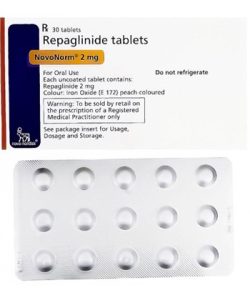
In brief
- In our pharmacy, you can buy prandin without a prescription, with delivery in 5–14 days throughout Australia. Discreet and anonymous packaging.
- Prandin (repaglinide) is used to treat type 2 diabetes as an adjunct to diet and exercise; it is a rapid‑acting insulin secretagogue (meglitinide) that stimulates pancreatic beta cells by closing ATP‑dependent potassium channels to increase insulin release and reduce postprandial blood glucose.
- The usual adult dose is 0.5 mg orally with each main meal if HbA1c <8% or 1 mg with each main meal if HbA1c ≥8%; dose may be titrated weekly up to a maximum single dose of 4 mg and a total daily maximum of 16 mg.
- The form of administration is oral tablets, taken just before meals (0–30 minutes prior).
- The effect of the medication begins within about 15–30 minutes after dosing.
- The duration of action is short, approximately 4–6 hours, primarily covering the post‑meal glucose rise (peak effect around 1 hour).
- Avoid alcohol while taking prandin; alcohol can increase the risk of hypoglycaemia and interfere with blood‑glucose control.
- The most common side effect is hypoglycaemia; other common adverse effects include headache, upper respiratory tract infection, back pain, gastrointestinal upset and arthralgia.
- Would you like to try prandin without a prescription?
Basic Prandin Information
- INN (International Nonproprietary Name): Repaglinide
- Brand Names Available In Australia: not specified
- ATC Code: A10BX02
- Forms & Dosages: Tablets 0.5 mg, 1 mg, 2 mg
- Manufacturers In Australia: not specified
- Registration Status In Australia: not specified
- OTC / Rx Classification: Prescription only (Rx) in all known territories
Critical Warnings & Restrictions
Are you worried about low blood sugar after a meal or missing food when taking prandin?
Repaglinide is an insulin secretagogue with a recognised risk of hypoglycaemia.
It must never be used in type 1 diabetes or diabetic ketoacidosis, and is contraindicated in people with hypersensitivity to repaglinide or its excipients.
Concomitant use of gemfibrozil is specifically contraindicated because of severe hypoglycaemia risk.
Exercise extra caution in elderly patients, and in those with hepatic or renal impairment, undernourishment, heavy alcohol use or irregular meals.
Pharmacist triage should flag any patient with previous severe hypoglycaemia or on multiple glucose‑lowering agents.
- High‑risk feature: Age over 75 years or frailty — higher hypoglycaemia risk and slower recovery.
- High‑risk feature: Severe liver disease — impaired metabolism and accumulation risk.
- High‑risk feature: Significant renal impairment — start low and monitor.
- High‑risk feature: Concomitant insulin or another secretagogue — additive hypoglycaemia risk.
- High‑risk feature: Irregular meals, missed meals or poor oral intake — increased hypoglycaemia episodes.
High‑Risk Groups (Elderly, Pregnancy, Chronic Illness)
Safety first: repaglinide carries a clear hypoglycaemia risk and should be prescribed and monitored accordingly.
There is limited data for pregnancy and breastfeeding; discuss risks with an obstetrician or specialist because alternatives with clearer safety data are usually preferred.
Chronic illnesses such as advanced liver disease are a precaution or contraindication depending on severity.
Interaction With Activities (Driving, Workplace Safety Under Australian Law)
Hypoglycaemia can impair concentration, reaction time and decision making, which affects driving and operating machinery.
A person taking repaglinide who experiences hypoglycaemia should not drive or operate heavy machinery until fully recovered and confident their blood glucose is stable.
Follow AustRoads guidance and workplace health and safety rules about reporting medical conditions that may affect driving or job safety.
Always carry a fast‑acting carbohydrate snack and check blood glucose before driving if there is any risk.
Q&A — “Can I Drive After Taking It In Australia?”
Q: Can I drive after taking repaglinide?
A: Only if you are confident you are not hypoglycaemic.
Check your blood glucose before driving; if you have symptoms or a low reading, treat it with fast‑acting carbohydrate and delay driving until recovered.
Report recurrent hypoglycaemic episodes to your treating clinician because Australian driving licence rules may require disclosure of medical conditions that affect safe driving.
Usage Basics
INN, Brand Names Available In Australia
INN: Repaglinide is the international nonproprietary name for the medication commonly known by brand names overseas such as Prandin and NovoNorm.
Global brands include Prandin, NovoNorm, Gluconorm and Surepost, with tablet forms of 0.5 mg, 1 mg and 2 mg listed in the product information.
In Australia the exact brands marketed vary and change over time, so check the TGA ARTG entry for current marketed brands and sponsors.
Legal Classification (TGA‑Approved, PBS‑Listed)
Repaglinide is a prescription‑only medicine in the territories listed in the product information.
For Australia, confirm registration and any PBS subsidy on the TGA ARTG and PBS search tools because listings and subsidy status can change.
- INN: Repaglinide
- Common Tablet Strengths: 0.5 mg, 1 mg, 2 mg
- Prescription Status: Prescription only (Rx) in known territories
- Action Point: Check TGA ARTG & PBS for current status and subsidy
Dosing Guide
Standard Regimens (PBS Reference Dosing)
Standard adult initiation is 0.5 mg with each main meal if HbA1c is under 8% and 1 mg with each main meal if HbA1c is 8% or higher.
Increase the dose weekly if needed to reach glycaemic targets, bearing in mind the maximum single dose is 4 mg and the total daily maximum is 16 mg.
Take repaglinide just before meals, typically 0–30 minutes prior, to target post‑prandial glucose spikes.
| Starting Dose | Titration Steps | Maximum Single/Daily Dose |
|---|---|---|
| 0.5 mg with each main meal (HbA1c <8%) | Increase weekly as required (0.5 → 1 → 2 → 4 mg single dose) | Max single dose 4 mg; max total 16 mg/day |
Adjustments For Comorbidities
Children: safety and efficacy have not been established, so repaglinide is not generally recommended for paediatric use.
Elderly: start low and titrate slowly with close monitoring for hypoglycaemia and interactions with other medicines.
Renal impairment: begin at 0.5 mg and titrate cautiously while monitoring blood glucose more frequently.
Hepatic impairment: contraindicated in severe hepatic impairment and use with caution in mild to moderate liver disease.
Q&A — “What If I Miss A Dose?”
Q: Missed meal or dose?
A: If you skip a meal, skip that dose of repaglinide.
Do not double the next dose to make up for a missed dose.
If you remember shortly before the meal, take the usual dose; if it is too late or the meal is missed, skip and resume at the next meal.
- Titration Monitoring Checklist: check SMBG before meals and at times of symptoms, review weekly dose changes, document hypoglycaemic episodes.
- Missed Dose Rules Checklist: skip dose if meal skipped, never double up, resume next scheduled meal dose.
Interaction Chart
Food And Drinks (Alcohol, Coffee, Australian Diet Context)
Alcohol potentiates hypoglycaemia and should be limited, and never consumed on an empty stomach when taking repaglinide.
Typical Australian patterns of late nights and irregular meals increase the risk of missed doses or hypoglycaemia, so advise routine mealtimes where possible.
- Carry a fast‑acting carbohydrate snack when out, especially if you have irregular meal schedules.
- Plan repaglinide doses to align with main meals and avoid dose adjustments on social drinking occasions.
- Be cautious with caffeinated beverages if they mask hypoglycaemia symptoms such as tremor or palpitations.
Common Drug Conflicts
The single strongest drug contraindication is gemfibrozil due to reports of severe hypoglycaemia when used with repaglinide.
Other agents that affect CYP3A4 or CYP2C8 can alter repaglinide metabolism and require dose adjustment or monitoring.
Combining repaglinide with other insulin secretagogues or insulin increases additive hypoglycaemia risk.
| Drug | Interaction Type | Action |
|---|---|---|
| Gemfibrozil | Severe interaction — marked increase in repaglinide levels and hypoglycaemia | Contraindicated — do not co‑prescribe |
| Strong CYP3A4 inhibitors (e.g. certain azoles) | May increase repaglinide exposure | Monitor closely; consider dose reduction |
| Other secretagogues or insulin | Additive hypoglycaemia | Reduce doses or increase monitoring |
User Reports & Trends
What patients commonly say about prandin in Australia and international forums is typically anecdotal but useful for counselling.
Common positive feedback highlights improved control of post‑meal glucose and the flexibility of meal‑timed dosing for people with irregular schedules.
Frequent negatives include episodes of hypoglycaemia, occasional gastrointestinal upset and concerns about cost or access to branded and generic products.
- Positive Comments: effective mealtime control, flexible dosing around meals, rapid onset for post‑prandial spikes.
- Negative Comments: hypoglycaemia risk especially when meals are skipped, some GI side effects, price and availability issues.
- Advice: encourage structured SMBG and clinical follow‑up rather than relying on forum anecdotes.
| Outcome | Common Patient Report |
|---|---|
| Efficacy | Good reduction in post‑meal glucose spikes |
| Side Effects | Occasional hypoglycaemia and GI upset |
| Cost/Access | Some patients report difficulty finding brands or paying for treatment |
Clinicians should collect structured adverse event feedback for pharmacovigilance and report serious events to the TGA.
Access & Purchase Options
National Chains (Chemist Warehouse, Priceline, TerryWhite Chemmart)
Repaglinide may be dispensed through major pharmacy chains and independent pharmacists in Australia, but brand and pack availability varies by supplier.
Pharmacists can advise on generic equivalents, supply alternatives and help check PBS eligibility where relevant.
Online Pharmacies And Telehealth E‑Prescriptions
Reputable Australian online pharmacies require a valid prescription and TGA‑compliant supply for prescription medicines.
Rural patients should consider delivery options and be advised on secure storage during summer heat or long delivery times.
| Access Type | Prescription Requirement | Delivery/Notes |
|---|---|---|
| Walk‑in Pharmacy | Yes | Immediate supply if in stock; pharmacist counselling available |
| Online Pharmacy | Yes | Requires valid prescription; discreet delivery; check accreditation |
| Telehealth + E‑Prescription | Yes | Prescription issued electronically; local dispensing or mail delivery |
In our online pharmacy, prandin is available without a prescription, with discreet delivery to Australia in 9-21 days.
Mechanism & Pharmacology
Simplified Explanation
Repaglinide belongs to the meglitinide or glinide class and is a rapid‑acting insulin secretagogue.
It stimulates pancreatic beta cells to release insulin in response to a meal, reducing post‑prandial glucose excursions.
Because onset is quick and duration short, repaglinide is dosed around meals rather than at fixed times independent of food.
Clinical Terms
ATC Code: A10BX02 identifies repaglinide in the anatomical therapeutic chemical classification system.
- Meglitinide
- A class of short‑acting oral agents that stimulate insulin release from pancreatic beta cells.
- Post‑Prandial Glucose
- Blood glucose level after eating; repaglinide targets these spikes.
- ATC Code
- A10BX02 — repaglinide’s classification for comparative and regulatory reference.
| Drug Class | Typical Onset | Duration |
|---|---|---|
| Repaglinide (Glinide) | Rapid (minutes) | Short (hours) |
| Sulfonylureas | Slower | Longer |
Indications & Off‑Label Uses
Approved Indications By TGA
Primary indication is treatment of type 2 diabetes mellitus as an adjunct to diet and exercise to control mealtime glucose spikes.
Confirm the registered Australian indication and product sponsor via the TGA ARTG for the specific product supplied.
Off‑Label Uses In Australian Clinical Practice
Off‑label use may include patients who cannot tolerate metformin or where specific post‑prandial control is needed.
Repaglinide must never be used for type 1 diabetes or diabetic ketoacidosis because the mechanism requires functioning pancreatic beta cells.
- Appropriate Candidate Features: adults with type 2 diabetes, irregular meals, predominant post‑prandial hyperglycaemia, intolerance to metformin.
- Red Flags For Referral: recurrent severe hypoglycaemia, unstable liver disease, unclear diagnosis between type 1 and type 2 diabetes.
Key Clinical Findings
Randomised trials and reviews show repaglinide reduces post‑prandial glucose and can lower HbA1c, with efficacy broadly comparable to some sulfonylureas for certain endpoints.
The shorter action profile generally offers more flexible dosing and lower risk of prolonged hypoglycaemia, although hypoglycaemia still occurs.
Australian clinicians should consult up‑to‑date national and international guidelines and recent systematic reviews for detailed effect size and comparative data.
| Endpoint | Finding | Relevance To Australian Practice |
|---|---|---|
| HbA1c Change | Reduction seen similar to some sulfonylureas | Useful when post‑prandial control is target |
| Post‑Prandial Glucose | Marked reduction with meal‑timed dosing | Good option for mealtime spikes |
| Hypoglycaemia Rate | Present risk, higher with combined therapies | Emphasise monitoring and patient education |
Alternatives Matrix
PBS‑Listed Alternatives Comparison Table
| Drug | Mechanism | Hypoglycaemia Risk | Weight Effect | Typical Place In Therapy |
|---|---|---|---|---|
| Metformin | Biguanide — reduces hepatic glucose output | Low | Weight neutral or loss | First‑line therapy |
| Sulfonylureas (e.g. gliclazide) | Secretagogue — stimulates insulin release | Moderate to high | Possible weight gain | Second‑line or add‑on |
| Nateglinide | Meglitinide — rapid insulin secretagogue | Moderate | Neutral to gain | Alternative for post‑prandial control |
| DPP‑4 Inhibitors | Increase incretins | Low | Weight neutral | Well tolerated, low hypoglycaemia risk |
| SGLT2 Inhibitors | Increase glucosuria | Low | Weight loss | Useful for CV/renal benefits in eligible patients |
Pros/Cons Checklist: metformin first‑line; repaglinide useful for mealtime spikes or metformin intolerance; assess renal function, weight goals and cost sensitivity when choosing alternatives.
Common Questions
Can I drink alcohol while taking repaglinide?
Avoid excessive alcohol; it increases the risk of hypoglycaemia and should not be consumed on an empty stomach.
Can I combine repaglinide with insulin?
Combining with insulin or another secretagogue increases hypoglycaemia risk and requires careful dose adjustment and monitoring.
Is repaglinide safe in the elderly?
Use with caution, start low and monitor closely due to increased hypoglycaemia risk and possible comorbidities.
What about pregnancy and breastfeeding?
Data are limited; discuss with an obstetrician or specialist and consider alternatives with better established safety profiles during pregnancy and lactation.
- Urgent Care: seek immediate medical help for severe hypoglycaemia with loss of consciousness or seizures.
- Report Adverse Events: report to the TGA via their Adverse Event Reporting system.
- Pharmacy Checklist: dose timing, hypoglycaemia recognition, carry carbohydrate, regular SMBG and follow‑up.
Price & Access Comparison Table
Price Comparison Template
| Source | Brand/Generic | PBS Status | Typical Out‑Of‑Pocket | Prescription Required |
|---|---|---|---|---|
| Chemist Warehouse | Generic Repaglinide (varies) | Check PBS | Varies by pack size — check pharmacy | Yes |
| Priceline | Generic/Brand as available | Check PBS | Varies — call for pricing | Yes |
| TerryWhite Chemmart | Generic/Brand | Check PBS | Varies by location | Yes |
| Online Pharmacy | Generic/Brand | Check PBS | Varies; delivery fees possible | Yes |
Access Checklist — Major Chains, Online Pharmacies, Rural Vs Urban Availability
- Call ahead for stock and specific brand availability.
- Ask about generic options to reduce cost.
- Seek delivery for rural patients and check storage instructions during transit.
- Use PBS concession card if eligible to reduce out‑of‑pocket costs.
- Verify online pharmacy accreditation before ordering.
Registration & Regulation
TGA Approval
Clinicians and pharmacists should refer to the TGA ARTG entry for repaglinide to confirm sponsor details, approved indications and product specifics.
Although repaglinide has regulatory approval in jurisdictions such as the USA and EU, Australian registration status must be checked via the TGA for the specific product intended for supply.
PBS Subsidy Details
PBS listing status can change over time, and if repaglinide is not PBS‑listed patients will need a private prescription and pay privately.
- Check PBS Online Search for current listing and subsidy status.
- Contact your local pharmacy to confirm cost and availability.
- Ask the GP about therapeutic alternatives if cost is a barrier for the patient.
Storage & Handling
Household Storage In Australian Climate (Heat/Humidity)
Store repaglinide at 25°C with permitted excursions between 15–30°C.
Avoid moisture and heat; keep tablets in the original packaging until use to protect against humidity common in many Australian regions.
Do not leave medicines in a hot car; use an insulated carrier for transport during summer or long trips.
Cold‑Chain Handling For Pharmacies
Repaglinide is not a cold‑chain medicine but should be stored at controlled room temperature in a dry area.
- Inspect packaging before supply and counsel patients on storage away from heat and humidity.
- For remote dispatch provide blister packs in protective containers to limit moisture exposure.
- Excursions
- Permitted short‑term deviations from recommended storage temperature (15–30°C).
- Original Packaging
- Packaging intended to protect tablets from moisture and light; keep until use.
- Blister Vs Bottle
- Blisters generally offer better moisture protection than bottles; advise accordingly.
Guidelines For Proper Use
Australian Pharmacist Counselling Style
Begin counselling by naming the medicine using INN: repaglinide, and mention any brand or strength supplied.
Explain dosing: take with each main meal, 0–30 minutes before eating, and do not take if the meal is skipped.
Demonstrate recognition and treatment of hypoglycaemia and advise carrying quick sugar sources at all times.
Highlight the important interaction with gemfibrozil and ask about all current medicines including OTCs and supplements.
- Pharmacist Counselling Checklist: dose timing, missed dose rules, hypoglycaemia action, interactions, storage instructions.
Patient Advice From PBS And National Health Authorities
Encourage regular HbA1c testing and self‑monitoring of blood glucose to assess response to therapy.
Discuss diet and exercise as essential adjuncts to medication for type 2 diabetes management.
Recommend a follow‑up schedule: safety check 1–2 weeks after initiation, glycaemic response review at 4–12 weeks, and annual medication review thereafter.
- Follow‑Up Schedule: 1–2 weeks for safety, 4–12 weeks for efficacy, then routine annual review and renal/hepatic monitoring as indicated.
Delivery Across Australia
| City | Region | Delivery time |
|---|---|---|
| Sydney | New South Wales | 9-14 days |
| Melbourne | Victoria | 9-14 days |
| Brisbane | Queensland | 9-14 days |
| Perth | Western Australia | 9-14 days |
| Adelaide | South Australia | 9-14 days |
| Canberra | Australian Capital Territory | 9-14 days |
| Hobart | Tasmania | 9-14 days |
| Darwin | Northern Territory | 9-14 days |
| Gold Coast | Queensland | 9-14 days |
| Newcastle | New South Wales | 9-14 days |
| Wollongong | New South Wales | 14-21 days |
| Geelong | Victoria | 14-21 days |
| Cairns | Queensland | 14-21 days |
| Townsville | Queensland | 14-21 days |