Telfast
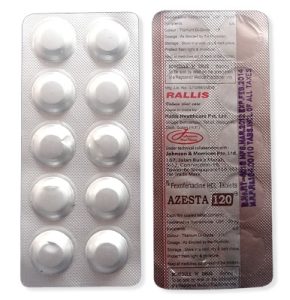
In brief
- In our pharmacy in Australia, telfast is available over the counter (no prescription or receipt required) and can also be purchased online with discreet delivery options.
- Telfast (fexofenadine) is used for seasonal allergic rhinitis (hay fever) and chronic idiopathic urticaria; it is a selective histamine H1‑receptor antagonist (non‑sedating antihistamine) that reduces allergic symptoms by blocking H1 receptors and has minimal penetration of the blood–brain barrier.
- Usual dosages: adults and adolescents (≥12 years) 60 mg twice daily or 120–180 mg once daily; children 6–11 years typically 30 mg twice daily (oral suspension or ODT); dosing adjustments advised for severe renal impairment.
- Administered orally as film‑coated tablets (30, 60, 120, 180 mg), oral suspension (30 mg/5 ml) and oral disintegrating tablets (30 mg) — taken by mouth.
- Telfast usually begins to work within about 1 hour of dosing (many people notice relief within an hour; peak effect often at 2–3 hours).
- Duration of action depends on dose: roughly 12 hours with 60 mg dosing; 120–180 mg once daily typically provides around 24 hours of symptom control.
- Alcohol warning: avoid or limit alcohol while taking telfast — although it is less sedating than older antihistamines, alcohol may increase drowsiness or dizziness in some people.
- The most common side effect is headache; other frequent effects include drowsiness (less common than with first‑generation antihistamines), dizziness, dry mouth, nausea and fatigue.
- Would you like to try telfast without a prescription?
Critical Warnings, Restrictions And Patient Protection (Australia)
Basic Telfast Information
- INN (International Nonproprietary Name): Fexofenadine (fexofenadine hydrochloride).
- Brand Names Available In Australia: Telfast (noted in EU, Asia, Australia) and other international brands such as Allegra may appear via imports or generics.
- ATC Code: R06AX26.
- Forms & Dosages: Film-coated tablets 30, 60, 120, 180 mg; oral suspension 30 mg/5 ml; oral disintegrating tablet 30 mg.
- Manufacturers In Australia: Sanofi-Aventis is the innovator globally; generic suppliers include international manufacturers such as Cipla, Mylan and Sandoz that supply regional markets.
- Registration Status In Australia: TGA registered under global or local brand names; status generally OTC for allergy indications.
- OTC / Rx Classification: Varies by formulation and pack size; many 60 mg and 120 mg products are available OTC while some presentations may require a prescription.
High-Risk Groups (Elderly, Pregnancy, Chronic Illness)
Patients allergic to fexofenadine or excipients must not take the medicine.
Pregnancy and breastfeeding: use only if clearly needed and under medical advice.
Severe renal impairment: exercise caution and consider dose reduction or specialist advice because exposure can increase.
Elderly patients do not require an automatic dose reduction but renal function should be reviewed and fall risk monitored.
People with a history of cardiac arrhythmia should have a clinical review before starting other antihistamines concurrently.
Interaction With Activities (Driving, Workplace Safety Under Australian Law)
Fexofenadine is a second-generation antihistamine with low blood–brain barrier penetration and generally less sedation than first-generation drugs.
Some users still report dizziness or drowsiness and should avoid safety-critical tasks until they know how they respond.
Australian workplaces may have specific impairment or drug-testing policies; check employer guidance before taking safety-sensitive roles.
Q&A — “Can I Drive After Taking It In Australia?”
Short answer: Usually yes for most people, but do not drive if drowsy or dizzy.
Always follow prescriber or pharmacist advice and obey workplace rules about impairment.
- Immediate action steps for suspected adverse reaction:
- Stop the drug.
- Seek your GP or call the Poisons Information Centre on 13 11 26.
- Go to the nearest emergency department if a severe allergic reaction or breathing difficulty occurs.
Usage Basics
INN, Brand Names Available In Australia
Fexofenadine is the INN and fexofenadine hydrochloride is the salt form noted in product information.
Telfast is a commonly recognised brand in Australia, and international brands such as Allegra are the familiar trade names in other markets.
Available forms include tablets, oral suspension and oral disintegrating tablets, but local pack strengths should be checked at the time of purchase.
Legal Classification (TGA‑Approved, PBS‑Listed)
Fexofenadine is TGA registered for allergy indications and appears under multiple ARTG entries depending on brand and formulation.
Scheduling varies by strength and pack size; many common strengths are available OTC while some presentations remain pharmacist‑only or prescription.
PBS listing is not universal and is subject to change; confirm current subsidy status on the PBS website or with your pharmacist.
| Brand | Form | Typical Strengths | OTC / Rx / PBS Note |
|---|---|---|---|
| Telfast | Film-coated tablet | 60 mg, 120 mg, 180 mg | Generally TGA registered; availability OTC or pharmacist-advised depending on pack. |
| Allegra | Tablets, ODT, suspension | 30 mg (ODT), 60 mg, 120 mg, 180 mg | Internationally OTC for many strengths; local availability varies. |
| Generic Fexofenadine | Tablets, suspension | 30–180 mg | Often lower-cost alternatives; PBS status varies by product and indication. |
Dosing Guide
Standard Regimens (PBS Reference Dosing)
Adults and teens 12 years and older commonly take 60 mg twice daily or 120–180 mg once daily for seasonal allergic rhinitis.
For chronic idiopathic urticaria, adults and teens ≥12 years typically use 60 mg twice daily or 180 mg once daily according to product information.
Children aged 6–11 years commonly use 30 mg twice daily as an oral suspension or ODT depending on formulation.
Adjustments For Comorbidities
No routine hepatic dose change is required because fexofenadine is minimally metabolised hepatically.
In severe renal impairment use the lowest effective dose and monitor clinically since renal clearance affects exposure.
Elderly patients warrant review of renal function and concomitant medications rather than automatic dose change.
Q&A — “What If I Miss A Dose?”
Take the missed dose as soon as you remember.
If it is nearly time for the next dose, skip the missed dose and do not double up.
- Dosing Schedule Checklist:
- Adults/Teens ≥12 years: 60 mg twice daily or 120–180 mg once daily depending on product.
- Children 6–11 years: 30 mg twice daily using oral suspension or ODT.
- Do not take with fruit juices as they reduce absorption.
- If a paediatric dose vomits within a short time, seek pharmacist advice about repeating the dose.
Interaction Chart
Food And Drinks (Alcohol, Coffee, Australian Diet Context)
Do not take fexofenadine with fruit juices such as apple, orange or grapefruit around dosing because these reduce absorption.
Alcohol can increase dizziness or drowsiness in susceptible people and should be limited while taking antihistamines.
Caffeine from coffee does not change fexofenadine pharmacokinetics but may mask minor sedation in some users.
Common Drug Conflicts
Fexofenadine is not significantly metabolised by cytochrome P450 enzymes and has relatively few drug interactions.
Potent P-glycoprotein inhibitors may alter plasma levels and warrant pharmacist review.
Combining with other CNS depressants can increase sedation risk and should be checked with a pharmacist or GP.
Review concurrent QT‑prolonging agents if there is a cardiac history, although significant cardiac signals are rare.
| Interaction | Effect | Clinical Advice |
|---|---|---|
| Fruit juices (apple, orange, grapefruit) | Reduced absorption | Avoid within 2–4 hours of dosing. |
| Alcohol | May increase dizziness or drowsiness | Limit alcohol until individual response known. |
| P-glycoprotein inhibitors | Potentially increased fexofenadine levels | Seek pharmacist review when starting new meds. |
- If You Suspect An Interaction:
- Stop the new drug if advised and contact your pharmacist or GP.
- Bring your full medication list to the pharmacy for review.
- Call Poisons Information Centre on 13 11 26 for urgent guidance.
User Reports & Trends (Australian Patient Feedback)
Patients commonly report that fexofenadine provides effective relief for hay fever and urticaria with low daytime drowsiness.
Some users notice variable effectiveness between brands and strengths and compare Telfast, Allegra and generics for price and availability.
Parents caring for children often prefer oral disintegrating tablets or oral suspension for easier dosing.
Reported adverse events most frequently include headache, mild dizziness and dry mouth, consistent with product safety information.
- Top Five Patient Sentiments:
- Efficacy for sneezing, runny nose and itching.
- Non-drowsy claim appreciated but individual response varies.
- Price sensitivity and comparison shopping between chains.
- Formulation preference: tablets for adults, ODT/suspension for children.
- Side-effects: headache, mild dizziness, dry mouth.
Access & Purchase Options In Australia
National Chains (Chemist Warehouse, Priceline, TerryWhite Chemmart)
Telfast and generic fexofenadine products are stocked by major pharmacy chains and independent pharmacies across Australia.
Availability of the full range of strengths and paediatric suspensions is higher in metropolitan stores than in remote locations.
Online Pharmacies And Telehealth E‑Prescriptions
Online pharmacies that are accredited can supply OTC strengths and accept e-prescriptions for strengths that require a prescription.
Telehealth consultations with an accredited GP can produce e-prescriptions for prescription-only presentations when clinically appropriate.
In our online pharmacy, telfast is available without a prescription, with discreet delivery to Australia in 9-21 days.
| Purchase Route | Likely Availability | Typical Wait Time |
|---|---|---|
| In-store (Chemist Warehouse, Priceline) | Full range in metros; limited in some regional stores | Immediate to 2 days |
| Independent Pharmacy | Common strengths; order for specials | Same-day to several days |
| Online Pharmacy | Wide range; home delivery | 2–14 days depending on stock and location |
| Telehealth + E-prescription | Prescription-only strengths supplied | Same-day to 3 days |
- What To Bring To Buy:
- Photo ID if requested for pharmacist‑only or prescription items.
- List of current medications and any allergy history.
- Details of symptoms and previous antihistamine responses.
Mechanism & Pharmacology
Simplified Explanation
Fexofenadine is a second-generation H1-antihistamine that blocks peripheral histamine H1 receptors to reduce sneezing, itching and hives.
It has low penetration of the blood–brain barrier, so sedation is less frequent than with older first‑generation antihistamines.
Clinical Terms
ATC code R06AX26 classifies the drug as an antihistamine for systemic use in the H1-receptor antagonist subgroup.
Pharmacokinetics: fexofenadine is minimally metabolised hepatically and is primarily excreted unchanged, with renal clearance influencing exposure.
- Definitions:
- INN: International Nonproprietary Name for the active substance.
- ATC code: Anatomical Therapeutic Chemical classification used for drug indexing.
- ODT: Oral Disintegrating Tablet designed for paediatric or swallowing‑difficulty use.
- Oral suspension: liquid formulation for children and dosing flexibility.
- Main Pharmacological Points:
- Non-sedating H1 antagonist for peripheral allergic symptoms.
- Minimal hepatic metabolism.
- Renal impairment may increase drug exposure.
Indications & Off‑Label Uses
Approved Indications By TGA
TGA-registered products are indicated for symptomatic treatment of seasonal allergic rhinitis and chronic idiopathic urticaria in appropriate age groups.
Dosage and age limits depend on the specific product insert and formulation.
Off‑Label Uses In Australian Clinical Practice
Clinicians sometimes use fexofenadine off‑label for other histamine-mediated pruritic conditions and as adjunctive therapy for allergic conjunctivitis.
Off‑label use should be documented with a discussion of risks and benefits between clinician and patient.
- Indications By Age Group:
- Adults/Teens ≥12 years: 60 mg twice daily or 120–180 mg once daily for allergic rhinitis and urticaria.
- Children 6–11 years: 30 mg twice daily in oral suspension or ODT.
- Children under 6 years: use specific paediatric products only if the product insert allows.
Key Clinical Findings (Australian & International Evidence Summary 2022–2026)
Randomised controlled trials and real-world data continue to show that fexofenadine is effective for allergic rhinitis and chronic urticaria with a favourable safety profile.
Once‑daily 120–180 mg dosing is supported for adult convenience while paediatric 30 mg formulations are validated for children.
Safety signals remain low in post-marketing surveillance; the most common adverse effects are headache and mild dizziness.
- Top Clinical Takeaways:
- Consistent efficacy for nasal and skin allergy symptoms.
- Lower sedation rates than first-generation antihistamines.
- Once-daily dosing may improve adherence.
- Exercise renal caution in severe impairment.
Alternatives Matrix
PBS‑Listed Alternatives Comparison Table
| Drug | Typical Adult Dose | Sedation Risk | Once-Daily Option | PBS Notes |
|---|---|---|---|---|
| Cetirizine | 10 mg once daily | Low to moderate | Yes | Often PBS-listed for specific indications; check PBS. |
| Loratadine | 10 mg once daily | Low | Yes | PBS listing varies by indication and product. |
| Desloratadine | 5 mg once daily | Low | Yes | May be PBS-listed in some circumstances. |
Pros And Cons Checklist
- Considerations:
- Efficacy for nasal versus skin symptoms.
- Sedation risk for shift workers and drivers.
- Paediatric formulation availability for children.
- Cost and PBS coverage influencing choice.
- Switch or up‑dose under GP or pharmacist supervision when response is inadequate.
Common Questions (Frequent Pharmacy Consultation Topics)
Is fexofenadine non-drowsy? Generally less sedating than older antihistamines but some users report drowsiness.
Can children take it? Yes in age-appropriate formulations such as 30 mg ODT or 30 mg/5 ml suspension for children 6–11 years as per product information.
Can I combine with other antihistamines? Not routinely; seek GP or pharmacist advice before combining antihistamines.
Can I drink fruit juice or alcohol? Avoid fruit juices around dosing and limit alcohol because it can worsen dizziness.
What about pregnancy and breastfeeding? Use only if necessary and under medical advice from your GP or obstetrician.
- Referral Advice:
- See your GP or pharmacist for ongoing symptoms or medication questions.
- Call Poisons Information Centre on 13 11 26 for urgent concerns about reactions or overdose.
Price & Access Comparison
Comparison Table — Pharmacy/Source, Typical Price Range, PBS Subsidy Status, Prescription Required
| Source | Typical Pack/Strength | Approx Price Range (AUD) | PBS Subsidy | Prescription Required |
|---|---|---|---|---|
| Chemist Warehouse | Telfast 120 mg 10/20 tabs | Varies; generics often cheaper | Usually none for uncomplicated hay fever | Often OTC for common strengths |
| Priceline | Fexofenadine tablets/suspension | Varies by brand and pack size | Check PBS | Depends on formulation |
| TerryWhite Chemmart | Various strengths | Varies | Check PBS | Depends on product |
Access Checklist — Major Chains, Online Pharmacies, Rural Vs Urban Availability
- Compare online prices and ask about generic fexofenadine to reduce cost.
- Ask your pharmacist about current promotions or lower-cost alternatives.
- Order early for rural delivery of paediatric suspensions which can be limited in stock.
Registration & Regulation
TGA Approval
Fexofenadine is TGA registered with ARTG entries for specific brands and formulations for allergy indications.
Scheduling determines whether a product is OTC, pharmacist-only or prescription depending on pack strength and presentation.
PBS Subsidy Details
PBS listings change and are indication-dependent, so clinicians and pharmacists should consult the PBS schedule when prescribing for subsidised therapy.
Not all fexofenadine products are universally PBS-listed for uncomplicated hay fever, so check up-to-date PBS information before advising on subsidy.
- Definitions:
- ARTG: Australian Register of Therapeutic Goods where TGA registration records are held.
- Scheduling terms: S2 (Pharmacy Medicine), S3 (Pharmacist Only), Rx (Prescription Only).
Storage & Handling (Household & Pharmacy)
Household Storage In Australian Climate (Heat/Humidity)
Store fexofenadine in its original packaging at 20–25°C, protected from moisture and light.
Do not keep medicines in bathrooms or cars where heat and humidity fluctuate.
Oral suspensions may require refrigeration after opening—follow the local pack insert.
Cold‑Chain Handling For Pharmacies
Pharmacies should monitor ambient temperatures, rotate stock and follow manufacturer guidance for suspensions requiring refrigeration.
If a product is exposed to extreme heat or freezing, consult the product information and consider replacement to ensure efficacy.
- Household Storage Tips:
- Keep in a cool, dry place away from direct sunlight.
- Carry in hand luggage when travelling to avoid heat in checked baggage.
- If exposed to extremes, return to pharmacy for advice and possible replacement.
Guidelines For Proper Use (Pharmacist Counselling & Patient Advice)
Australian Pharmacist Counselling Style
Confirm the indication and check for hypersensitivity before recommending fexofenadine.
Review renal function and current medications to identify potential interactions or dose considerations.
Advise on correct dosing and formulation for the patient’s age and explain the fruit juice interaction and safety advice for driving.
Patient Advice From PBS And National Health Authorities
Provide a plain-English handout that lists dose, formulation, signs of adverse reaction and when to seek care.
Offer follow-up and note previous antihistamine responses to guide future therapy choices.
- Dispensing Checklist:
- Verify prescription or pharmacist supply rules before dispensing.
- Counsel on interactions and supply a patient information leaflet.
- Offer advice on when to seek medical review for severe allergic reactions or unexplained sedation.
Delivery Across Australia
| City | Region | Delivery Time |
|---|---|---|
| Sydney | New South Wales | 9-14 days |
| Melbourne | Victoria | 9-14 days |
| Brisbane | Queensland | 9-14 days |
| Perth | Western Australia | 9-14 days |
| Adelaide | South Australia | 9-14 days |
| Canberra | Australian Capital Territory | 9-14 days |
| Hobart | Tasmania | 9-14 days |
| Darwin | Northern Territory | 14-21 days |
| Gold Coast | Queensland | 9-14 days |
| Newcastle | New South Wales | 9-14 days |
| Wollongong | New South Wales | 9-14 days |
| Geelong | Victoria | 9-14 days |
| Cairns | Queensland | 14-21 days |
| Townsville | Queensland | 14-21 days |
| Toowoomba | Queensland | 14-21 days |