Uroxatral
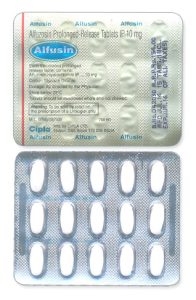
In brief
- In our pharmacy, you can buy uroxatral without a prescription, with nationwide delivery across Australia and discreet packaging.
- Uroxatral is used to treat symptoms of benign prostatic hyperplasia (BPH); it works by selectively blocking alpha‑1 adrenoceptors in the prostate and bladder neck to relieve urinary symptoms (it does not shrink the prostate).
- The usual dose of uroxatral is 10 mg extended‑release tablet once daily, taken after the same meal each day; not approved for children or for routine use in women.
- The form of administration is an oral extended‑release tablet.
- Many patients notice symptom improvement within a few days (some within 24–48 hours), although full benefit may take several weeks.
- The duration of action is approximately 24 hours, which supports once‑daily dosing.
- Avoid excessive alcohol — alcohol can increase dizziness and the risk of low blood pressure and fainting while taking uroxatral.
- The most common side effect is dizziness.
- Would you like to try uroxatral without a prescription?
Basic Uroxatral Information
- INN (International Nonproprietary Name): Alfuzosin
- Brand Names Available In Australia: Uroxatral; Xatral; Alfuzosin Teva; Alfuzosin Mylan; Alfuzosin Sandoz
- ATC Code: G04CA01
- Forms & Dosages: Extended‑release tablet, commonly 10 mg (also seen as 5 mg in some markets); packaging includes blister strips or bottles
- Manufacturers In Australia: Not specified
- Registration Status In Australia: TGA‑listed
- OTC / Rx Classification: Prescription‑only (Rx)
Critical Warnings & Restrictions
Worried about fainting, dizziness or other safety issues when starting a prostate medicine?
High‑Risk Groups (Elderly, Pregnancy, Chronic Illness)
Alfuzosin is prescription‑only and may cause symptomatic hypotension, syncope and dizziness.
It is contraindicated in moderate to severe hepatic insufficiency and should be used with caution in elderly patients and those with orthostatic hypotension.
- Elderly patients with fall risk or frailty.
- Known liver disease, especially moderate to severe hepatic impairment.
- Severe renal impairment or patients under specialist renal care.
- Patients taking multiple antihypertensive medicines.
- Anyone with a history of syncope or recurrent fainting.
- Patients due for cataract surgery because of the risk of intraoperative floppy iris syndrome (IFIS).
Not approved for use in females or children, so pregnancy is not an indication and safety in pregnancy is not established.
Protect patients by performing a baseline blood pressure check before starting alfuzosin.
Review all other blood pressure medications and nitrates prior to initiation to reduce hypotension risk.
Advise patients to take the first doses after a meal and to monitor for dizziness or light‑headedness during the first days of treatment.
Interaction With Activities (Driving, Workplace Safety Under Australian Law)
If dizziness, light‑headedness or syncope occurs after taking alfuzosin, patients should not drive or operate heavy machinery.
Workplace safety obligations in Australia may require employees to report temporary impairment from medicines that affect alertness.
Advise workers in safety‑critical roles to check with their prescriber or pharmacist before starting alfuzosin.
Q&A — “Can I Drive After Taking It In Australia?”
If you feel well and do not experience dizziness, driving is usually acceptable.
If you experience dizziness, syncope or blurred vision after taking alfuzosin, do not drive and seek medical advice.
Usage Basics
INN, Brand Names Available In Australia
Alfuzosin is the International Nonproprietary Name (INN) for this alpha‑blocker.
International brands include Uroxatral and Xatral, and generics are marketed under labels such as Alfuzosin Teva, Alfuzosin Mylan and Alfuzosin Sandoz.
At Australian pharmacies you will commonly see the medicine labeled as alfuzosin or under an imported brand formulation depending on supplier stock.
- Check packaging for 10 mg extended‑release tablets and blister packs when collecting your supply.
- Confirm whether the product is listed as modified‑release or extended‑release on the carton.
- Verify batch and expiry details if receiving an imported brand.
Legal Classification (TGA‑Approved, PBS‑Listed)
Alfuzosin is TGA‑listed and is strictly prescription‑only in Australia.
PBS subsidy status can vary by brand and over time, so always check the current PBS schedule before advising on cost or subsidy.
| INN | TGA | PBS Status | Prescription Required |
|---|---|---|---|
| Alfuzosin | Listed | Varies by formulation (check PBS) | Yes |
Pharmacists at major chains such as Chemist Warehouse, Priceline and TerryWhite Chemmart can advise on availability and subsidy options.
Rural pharmacies may need ordering lead time for specific brands or imported batches.
Dosing Guide
Standard Regimens (PBS Reference Dosing)
Patients commonly ask how quickly they will notice improvement in urinary flow after starting alfuzosin.
The standard adult dose for benign prostatic hyperplasia is 10 mg extended‑release tablet once daily, taken after the same meal each day to optimise absorption and reduce the risk of hypotension.
- Take the tablet with or after the same main meal every day for consistent absorption.
- Swallow the tablet whole; do not chew or crush extended‑release formulations.
- Do not split modified or extended‑release tablets unless the product information permits it.
Adjustments For Comorbidities
No routine dose change is required in elderly patients, but increased sensitivity to hypotension should be considered.
Mild to moderate renal impairment usually does not require dose adjustment, but severe renal failure should prompt specialist input.
Alfuzosin is contraindicated in moderate to severe hepatic impairment and should be used cautiously or avoided in mild hepatic impairment.
Q&A — “What If I Miss A Dose?”
Take the missed dose as soon as you remember unless it is nearly time for the next dose.
Do not take a double dose to make up for a missed tablet.
If you are unsure after missing doses, contact your pharmacist or prescriber for advice.
At follow‑up, review blood pressure, symptom score and any side‑effects using a checklist to confirm continued suitability.
Interaction Chart
Food And Drinks (Alcohol, Coffee, Australian Diet Context)
Take alfuzosin after a meal to improve bioavailability and reduce the chance of sudden drops in blood pressure.
Alcohol can increase dizziness and hypotension with alfuzosin, so advise moderation especially during the first weeks of treatment.
Large caffeinated drinks may mask symptoms of low blood pressure, so counsel patients to be mindful of symptoms rather than relying on caffeine alone.
Common Drug Conflicts
Potent CYP3A4 inhibitors such as ketoconazole and ritonavir raise alfuzosin levels and are contraindicated or require specialist review.
Concomitant use of other antihypertensives, nitrates, PDE5 inhibitors and other alpha‑blockers increases the risk of hypotension.
| Interacting Drug/Class | Effect | Action |
|---|---|---|
| Potent CYP3A4 inhibitors (ketoconazole, ritonavir) | Increased alfuzosin concentrations | Avoid or consult specialist |
| Other alpha‑blockers (terazosin, doxazosin) | Added hypotension risk | Avoid combination |
| Antihypertensives / Nitrates / PDE5 inhibitors | Enhanced blood pressure lowering | Monitor blood pressure; adjust dose or avoid concurrent use |
- Top warnings for a patient card: avoid strong CYP3A4 inhibitors, watch for dizziness, do not mix with similar alpha‑blockers, check other BP meds.
User Reports & Trends
What do Australian patients say about alfuzosin on forums and review sites?
- Many report quick improvement in urinary flow and reduced nocturia within days to weeks.
- Dizziness and light‑headedness are commonly reported in the first days of treatment.
- Sexual side‑effects are reported variably, with mixed experiences on libido and ejaculation.
- Price sensitivity is common, with many preferring generic alfuzosin tablets when available.
Urban patients typically have faster access to specific brands than rural patients, who may report delays obtaining particular formulations.
Rural patients often rely on telehealth scripts and community pharmacists to arrange suitable substitutions when a brand is out of stock.
- Consultation checklist: probe onset of benefit, frequency and timing of dizziness, any falls, relation of symptoms to meals, eye surgery history (IFIS), and current medicines.
Clinicians are reminded to report serious adverse events such as syncope or suspected IFIS to the TGA.
Access & Purchase Options
National Chains (Chemist Warehouse, Priceline, TerryWhite Chemmart)
Chemist Warehouse, Priceline and TerryWhite Chemmart commonly dispense alfuzosin or can arrange supply from wholesalers.
Pricing and brand availability vary between chains and local stores, and pharmacists can advise on generic alternatives and PBS status.
Patients with concession cards should ask about reduced pricing or subsidy options where applicable.
Online Pharmacies And Telehealth E‑Prescriptions
Telehealth e‑prescriptions are commonly used to obtain alfuzosin, with pharmacists verifying the script and patient identity before dispensing.
- Verify the online pharmacy is an accredited Australian supplier and that prescriptions are required.
- Check stock availability and delivery times before placing an order.
- Avoid overseas import websites that sell prescription medicines without a valid script.
In our online pharmacy, uroxatral is available without a prescription, with discreet delivery to Australia in 9‑21 days.
Rural patients should allow extra delivery days and may request local pharmacy ordering; many community pharmacies can order generics within 24–72 hours.
Mechanism & Pharmacology
Simplified Explanation
Alfuzosin is an alpha‑1 adrenoceptor antagonist that relaxes smooth muscle in the prostate and bladder neck to relieve urinary symptoms of BPH.
The drug improves urine flow and reduces obstruction symptoms but does not reduce prostate size.
Clinical Terms
- Alpha‑1 adrenoceptor — receptor that mediates smooth muscle tone in the prostate and urethra.
- IFIS — intraoperative floppy iris syndrome, a surgical complication associated with prior alpha‑blocker use.
- Extended‑release — formulation that releases drug slowly to reduce peak concentrations and hypotension risk.
Pharmacokinetic notes: the extended‑release 10 mg tablet is taken once daily after a meal to ensure predictable exposure and better tolerability.
| Mechanism | Clinical Effect | Implication For Counselling |
|---|---|---|
| Alpha‑1 blockade | Relaxes prostatic/bladder neck smooth muscle, improves flow | Expect symptom relief; does not shrink prostate |
Indications & Off‑Label Uses
Approved Indications By TGA
Alfuzosin is TGA‑listed for symptomatic benign prostatic hyperplasia (BPH) in adult males.
Standard dosing is 10 mg extended‑release tablet once daily after the same meal.
Off‑Label Uses In Australian Clinical Practice
Some clinicians may trial alfuzosin for lower urinary tract symptoms secondary to bladder outlet obstruction under specialist guidance.
It is not approved for children or females, and any off‑label use should be justified and documented.
- Off‑label documentation checklist: state indication, obtain informed consent, set a monitoring plan and record rationale in medical notes.
Contraindications and triggers for specialist referral include moderate to severe hepatic impairment, significant hypotension, or planned cataract surgery.
Key Clinical Findings
Patients often ask how effective alfuzosin is compared with other BPH options.
Pivotal randomised trials and systematic reviews show alpha‑blockers like alfuzosin provide rapid symptomatic improvement in urinary flow and symptom scores but do not reduce prostate volume.
Safety signals consistently reported include dizziness, hypotension and rare syncope.
Recent reviews up to mid‑2024 continue to emphasise balancing symptom relief with fall and hypotension risk in older patients.
- Main efficacy points: improved IPSS score and increased peak urine flow (Qmax) within days to weeks.
- Main safety points: dizziness, hypotension and rare syncope; watch for IFIS if cataract surgery is planned.
- Monitoring recommendations: baseline blood pressure, review at 4–6 weeks and periodic reassessment thereafter.
| Endpoint | Typical Change | Clinical Note |
|---|---|---|
| IPSS Score | Improvement within days to weeks | Useful patient‑reported outcome |
| Qmax (Peak Flow) | Modest increase | Reflects improved urinary flow but not prostate shrinkage |
Alternatives Matrix
PBS‑Listed Alternatives Comparison Table
| Name | Class | Typical Dose | PBS Subsidy? | Pros | Cons |
|---|---|---|---|---|---|
| Tamsulosin | Alpha‑1A selective | 400 mcg once daily | Often PBS‑listed | Less systemic hypotension | May cause ejaculatory dysfunction |
| Terazosin / Doxazosin | Non‑selective alpha‑blockers | Various doses | Varies | Also lowers BP (helpful if hypertensive) | Higher risk of systemic hypotension |
| Silodosin | Alpha‑1A selective | Selective dosing | Varies | Prostate‑selective effect | Higher rate of ejaculatory issues |
| Finasteride / Dutasteride | 5‑alpha‑reductase inhibitors | Daily dosing | Often PBS for certain indications | Reduces prostate size over months | Slow onset; sexual side‑effects more common |
- Pros and cons checklist for conversation: speed of onset, sexual side‑effects, blood pressure effects and PBS cost.
Encourage shared decision‑making based on symptoms, comorbidities and PBS cost considerations.
Common Questions
These are the quick answers customers often want during a pharmacy consultation.
- When does it start working? Often within days to weeks for symptom relief.
- Sexual side‑effects? Some patients report reduced libido or ejaculatory changes; these are less frequent than with 5‑ARIs but should be discussed.
- Can it cause dizziness/falls? Yes — especially early in treatment or when combined with other blood pressure medicines; monitor closely.
- Eye surgery implications? Inform the ophthalmologist prior to any cataract surgery because of the risk of IFIS.
- Is it safe long‑term? Generally used long‑term with periodic review of benefits and side‑effects.
Printout checklist for patients: emergency signs (severe dizziness, fainting, chest pain), storage advice, missed dose instructions and contact details for the pharmacy.
Price & Access Comparison Table
Cost and access depend on brand, PBS listing and whether the patient holds a concession card.
| Source | Typical Price Range (AUD) | PBS Subsidy | Prescription |
|---|---|---|---|
| Retail Pharmacy (in‑store) | Varies by brand (check local pharmacy) | Varies | Yes |
| Online Australian Pharmacy | Varies; often competitive | Varies | Yes |
| Imported Generic | Often cheaper but varies | Rarely | Yes |
- Typical price drivers: brand vs generic, pack size, concession card status and pharmacy promotions.
- Where to ask: your local pharmacist or telehealth prescriber for current PBS schedule and pricing.
Registration & Regulation
TGA Approval
Alfuzosin is TGA‑listed as a prescription medicine for BPH in Australia.
Brand availability and packaging depend on the supplier and importer.
PBS Subsidy Details
PBS listing can change, so clinicians and pharmacists should consult the current PBS schedule for subsidy status of specific alfuzosin brands.
- TGA — regulatory approval for safety and quality.
- PBS — the subsidy mechanism that reduces patient cost for listed medicines.
- Rx — prescription required for supply.
Prescribers should record indication, consider concession status and provide clear directions such as 10 mg once daily after the same meal.
Storage & Handling
Household Storage In Australian Climate (Heat/Humidity)
Store alfuzosin at room temperature, approximately 20–25°C, away from excessive heat.
Protect the product from moisture and heat and keep it in the original packaging.
Avoid leaving medicine in hot cars or humid bathrooms, especially during hot Australian summers.
Cold‑Chain Handling For Pharmacies
Alfuzosin is not a cold‑chain product, but pharmacies should store it at controlled room temperature and monitor stock expiry dates.
- Avoid direct sunlight and extreme heat.
- Keep out of reach of children and dispose of expired medicines via the pharmacy return program.
- When travelling in summer, keep the medicine in your carry‑on and out of direct heat.
Guidelines For Proper Use
Key Counselling Points
- Confirm indication is benign prostatic hyperplasia (BPH) before supply.
- Dose: 10 mg extended‑release once daily, taken after the same meal each day.
- Warn about dizziness and the need to stand up slowly from sitting or lying positions.
- Advise on missed dose action and never doubling up doses.
- Ask about cataract surgery history and other blood pressure drugs.
- Counsel patients to avoid excessive alcohol while getting used to the medicine.
Patient Advice From PBS And National Authorities
Encourage adherence and arrange a review at 4–6 weeks, with periodic monitoring thereafter.
Advise patients to report severe adverse effects to their prescriber or the TGA.
- Checklist for patient understanding: dosing, side‑effect actions, safe storage, where to obtain repeats and pharmacy contact details.
Delivery Across Australia
| City | Region | Delivery Time |
|---|---|---|
| Sydney | New South Wales | 9–14 days |
| Melbourne | Victoria | 9–14 days |
| Brisbane | Queensland | 9–14 days |
| Perth | Western Australia | 9–14 days |
| Adelaide | South Australia | 9–14 days |
| Canberra | Australian Capital Territory | 9–14 days |
| Hobart | Tasmania | 9–14 days |
| Darwin | Northern Territory | 9–14 days |
| Gold Coast | Queensland | 9–14 days |
| Newcastle | New South Wales | 14–21 days |
| Wollongong | New South Wales | 14–21 days |
| Geelong | Victoria | 14–21 days |
| Townsville | Queensland | 14–21 days |
| Cairns | Queensland | 14–21 days |
| Toowoomba | Queensland | 14–21 days |