Xalatan
In brief
- In our pharmacy, you can buy xalatan without a prescription, with Australia‑wide delivery and discreet packaging.
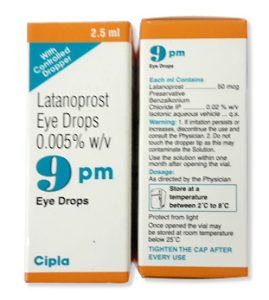
- Xalatan (latanoprost) is used to lower elevated intraocular pressure in open‑angle glaucoma and ocular hypertension; it is a prostaglandin analogue that increases uveoscleral outflow of aqueous humour to reduce IOP.
- The usual dose is 1 drop of 0.005% (0.05 mg/mL) in the affected eye once daily, preferably in the evening; more frequent dosing does not increase efficacy.
- The form of administration is a topical ophthalmic solution (eye drops), available as multidose dropper bottles or preservative‑free single‑dose vials.
- The effect typically begins within about 3–4 hours after instillation, with peak IOP reduction around 8–12 hours and full effect developing over days to weeks.
- Duration of action is approximately 24 hours, allowing once‑daily dosing.
- There is no specific interaction with alcohol; moderate alcohol use is not expected to alter efficacy, but avoid alcohol if it worsens eye irritation and consult a clinician if concerned.
- The most common side effect is increased iris pigmentation (darkening of the coloured part of the eye); other common effects include eyelash growth, periocular skin darkening and mild conjunctival hyperaemia.
- Would you like to try xalatan without a prescription?
Critical Warnings & Restrictions (Safety First For Australian Patients)
Basic Xalatan Information
- INN (International Nonproprietary Name): Latanoprost
- Brand Names Available In Australia: Xalatan and multiple generic latanoprost products; preservative‑free options marketed internationally include Monoprost and Iyuzeh.
- ATC Code: S01EE01
- Forms & Dosages: Ophthalmic solution 0.005% (0.05 mg/mL) in 2.5 mL and 5 mL multidose dropper vials; preservative‑free single‑dose containers also available.
- Manufacturers In Australia: Not specified; global suppliers include Viatris (Xalatan), Théa (Monoprost, Iyuzeh), Glenmark and Sun Pharma for generics.
- Registration Status In Australia: Not specified; verify inclusion on the Australian Register of Therapeutic Goods (ARTG) and sponsor details before procurement.
- OTC / Rx Classification: Prescription only medicine (Rx) in most countries according to available data.
High‑Risk Groups (Elderly, Pregnancy, Chronic Illness)
Patients worry about safety: who needs extra checks before starting latanoprost?
Latanoprost is a prescription medicine and should be started under ophthalmologist or GP supervision for glaucoma or ocular hypertension.
The standard formulation is 0.005% (0.05 mg/mL) in topical ophthalmic solution.
Immediate safety and monitoring are essential for high‑risk groups listed below.
- Absolute Contraindications: Known hypersensitivity to latanoprost or any component of the formulation.
- Absolute Contraindications: History of herpetic keratitis.
- Relative Risks Requiring Specialist Input: Active intraocular inflammation such as uveitis.
- Relative Risks Requiring Specialist Input: Aphakia or pseudophakia with torn posterior capsule, due to increased risk of macular oedema.
- Relative Risks Requiring Specialist Input: Severe asthma — rare bronchospasm reactions have been reported, so monitor respiratory status.
- Children: Limited data; specialist consult required before use in paediatric patients.
- Elderly: No routine dose adjustment is required, but monitor for comorbidities and polypharmacy.
High‑Risk Monitoring Checklist
- Confirm indication: open‑angle glaucoma or ocular hypertension.
- Assess allergy or prior prostaglandin intolerance.
- Exclude active ocular infection or herpetic disease.
- Document lens status (phakic, aphakic, pseudophakic) and recent posterior capsule integrity.
- Check respiratory history, especially severe asthma or active reactive airways disease.
- Arrange baseline ophthalmology review and IOP monitoring schedule.
- Provide patient counselling on cosmetic and ocular side effects.
Interaction With Activities (Driving, Workplace Safety Under Australian Law)
Patients often ask whether eye drops affect their ability to drive or work safely.
Latanoprost can cause transient blurred vision or visual disturbance after instillation.
Advise patients not to drive, ride a bike or operate heavy machinery until vision is clear following a dose.
Document counselling about transient blurred vision and activity restrictions in the pharmacy or clinic notes to meet Australian workplace safety expectations.
Where workplace tasks require visual acuity or safety checks, recommend postponing those tasks until the patient confirms their vision has returned to baseline after dosing.
Q&A — “Can I Drive After Taking It In Australia?”
No, do not drive immediately if your vision is blurred after putting latanoprost in your eye.
Most people experience any blurring for a short time only, but individual response varies.
Wait until your vision has returned to normal before driving or operating machinery.
Record this advice in patient notes during counselling to satisfy workplace safety documentation.
Usage Basics
INN, Brand Names Available In Australia
Patients ask what xalatan actually is and what else it might be called.
The INN is latanoprost.
Internationally the innovator product is Xalatan, manufactured by Viatris (Pfizer).
Preservative‑free options such as Monoprost and Iyuzeh are available in some markets and are preferred by patients with ocular surface disease.
In Australia multiple generic latanoprost products circulate and brand availability varies by supplier and pharmacy stocklists.
Packaging commonly references the concentration 0.005% (0.05 mg/mL) and is sold in 2.5 mL and 5 mL dropper vials or single‑dose preservative‑free packs.
Legal Classification (TGA‑Approved, PBS‑Listing Considerations)
Latanoprost is regulated by national authorities and is a prescription‑only medicine in most countries according to available data.
In Australia clinicians and pharmacists must check the Therapeutic Goods Administration (TGA) and the Australian Register of Therapeutic Goods (ARTG) for product registration and sponsor details.
Pharmacists should also verify current PBS subsidy and listing details since PBS eligibility and authority requirements vary by formulation and clinical indication.
| INN | Common Brands | Packaging | PBS Status |
|---|---|---|---|
| Latanoprost | Xalatan; generics; preservative‑free brands (Monoprost, Iyuzeh) | 2.5 mL, 5 mL dropper vials; single‑dose packs for preservative‑free | Check current PBS Schedule for brand/formulation and patient eligibility |
Dosing Guide
Standard Regimens (PBS Reference Dosing)
One common question is “how often do I put the drops in?”.
The typical dose for open‑angle glaucoma and ocular hypertension is one drop of 0.005% latanoprost in the affected eye once daily, preferably in the evening.
Dosing more frequently than once daily does not increase efficacy and may decrease the intraocular pressure‑lowering effect.
Treatment is chronic and long term, continued as long as IOP control is required.
Counselling points include applying the drop at the same time each evening and waiting at least five minutes before instilling other ocular drops.
Adjustments For Comorbidities
People with other conditions need tailored advice before starting latanoprost.
Children have limited data available, so specialist paediatric ophthalmology input is required before use in those under 18.
Elderly patients generally do not require dose adjustment, but monitor tolerance and interactions with concurrent medicines.
Active ocular inflammation, aphakia, or recent ocular surgery require ophthalmologist consultation before prescribing due to risks such as macular oedema.
Q&A — “What If I Miss A Dose?”
If you remember on the same day, administer the missed dose when convenient.
If it is close to the time for your next scheduled dose, skip the missed dose and return to your normal dosing schedule.
Do not double the dose to make up for a missed application.
Evening Dosing Routine Checklist
- Wash and dry hands before handling the bottle.
- Tilt head back, pull down lower eyelid to form a pocket, and instil one drop.
- Close eye gently for 1–2 minutes and apply nasolacrimal occlusion to limit systemic absorption.
- Wait five minutes before using any other eye drops.
- Record dose time and any immediate side effects.
Missed Dose / Overdose Flow
- Missed dose same day: give dose when remembered.
- Missed dose near next dose: skip and continue usual schedule.
- Overdose (multiple drops): rinse eye with water and seek medical advice if symptoms persist.
Interaction Chart
Food And Drinks (Alcohol, Coffee, Australian Diet Context)
Patients commonly worry whether food, alcohol or caffeine affect their eye drops.
Systemic interactions with food or drink are negligible due to minimal systemic absorption after topical ocular use.
Alcohol and caffeine do not alter the ocular effect of latanoprost according to available data.
Advise patients that alcohol can impair medication routines and general eye‑health behaviours, so counsel on adherence where relevant.
Common Drug Conflicts
Topical ocular interactions are the most relevant in routine practice.
If patients use multiple topical eye drops, space products by at least five minutes to avoid dilution or washout.
Combining more than one prostaglandin analogue is not recommended.
Systemic interactions are uncommon but monitor patients with prostaglandin‑sensitive conditions such as severe asthma.
Use caution and document concurrent use of ocular NSAIDs or steroids, and consult specialist input if uncertainty exists.
| Drug/Class | Interaction Type | Recommended Action |
|---|---|---|
| Other Topical IOP Lowering Drops | Local interaction, potential dilution or additive effects | Space drops by 5+ minutes; avoid combining prostaglandin analogues |
| Topical Steroids | May mask inflammation | Monitor inflammation; consult ophthalmologist |
| Ocular NSAIDs | Possible altered ocular surface effects | Document concurrent use and monitor symptoms |
| Systemic Respiratory Drugs (Severe Asthma) | Rare bronchospasm reported | Use with caution and monitor respiratory status |
User Reports & Trends (Australian Patient Experience)
What do Australians say about using xalatan or latanoprost?
Consumer feedback sources include pharmacy counselling notes, Healthdirect forums and general review sites.
Common patient‑reported effects include eyelash growth, periocular skin darkening and gradual increased iris pigmentation.
Mild eye irritation and conjunctival hyperaemia are commonly reported, while many patients praise the once‑daily dosing and effective IOP control.
Complaints often relate to cosmetic changes and sensitivity to preservatives, which is why preservative‑free options are increasingly preferred.
- Top Patient Concern 1: Changes in eye colour or iris pigmentation.
- Top Patient Concern 2: Eyelash growth and cosmetic changes to lashes.
- Top Patient Concern 3: Periocular skin darkening near the treated eye.
- Top Patient Concern 4: Mild eye irritation or burning on application.
- Top Patient Concern 5: Transient blurred vision immediately after dosing.
- Top Patient Concern 6: Preservative sensitivity and dry eye symptoms.
- Top Patient Concern 7: Concerns about long‑term use and monitoring.
- Top Patient Concern 8: Cost and access to branded vs generic products.
- Top Patient Concern 9: Questions about driving and workplace safety.
- Top Patient Concern 10: Worries about interactions with other eye drops.
Sample Anonymised Quote:
“I use one drop each evening and my pressure is better, but my left eye lashes are noticeably longer and the skin by my eye is darker after months of use.” — Patient feedback, anonymised.
Access & Purchase Options (Australia)
National Chains And Community Pharmacies
Where to get latanoprost in Australia and what to expect at the pharmacy counter.
Major chains such as Chemist Warehouse, Priceline and TerryWhite Chemmart, as well as independent community pharmacies, dispense latanoprost on presentation of a prescription.
Stock and brand availability vary by location and supplier; generics are commonly stocked and may reduce out‑of‑pocket cost.
Pharmacist Dispensation Checklist:
- Verify patient identity and prescription validity.
- Check PBS eligibility and concession status where applicable.
- Confirm brand and preservative status requested by the patient.
- Provide storage advice and counselling on dosing and side effects.
- Document counselling and any special delivery instructions.
Online Pharmacies And Telehealth E‑Prescriptions
Many Australians use telehealth and online pharmacies to obtain repeat prescriptions for glaucoma medicines.
Telehealth e‑prescriptions are valid for dispensing by TGA‑compliant Australian online pharmacies when accompanied by a valid prescription or electronic token.
Caution patients against purchasing latanoprost from overseas websites that are not TGA‑approved due to risks of counterfeit products and improper storage during transit.
| Channel | Pros | Cons | Verification Steps |
|---|---|---|---|
| In‑Store Pharmacy | Immediate counselling, pharmacy cold storage, PBS dispensing | May have limited stock of specific generics or preservative‑free brands | Check prescription, PBS entitlement, inspect ARTG/sponsor details if unsure |
| Australian Online Pharmacy | Convenience, home delivery, telehealth support | Possible delivery delay to rural areas | Confirm pharmacy is registered, TGA‑compliant and requires valid prescription |
| Overseas Websites | Potentially lower price | Higher risk of counterfeit, storage issues, regulatory non‑compliance | Avoid unless ARTG entry and approved sponsor are confirmed |
In our online pharmacy, xalatan is available without a prescription, with discreet delivery to Australia in 9-21 days.
Mechanism & Pharmacology
Simplified Explanation
Patients ask how xalatan actually lowers eye pressure.
Latanoprost is a prostaglandin F2α analogue that increases uveoscleral outflow of aqueous humour, lowering intraocular pressure.
The drug is applied topically and onset of action is within hours, with maximal IOP‑lowering effect observed after several weeks of regular use.
Clinical Terms (For Clinicians)
Prodrug: Latanoprost is a prodrug that is converted to its active acid in the cornea.
Uveoscleral Outflow: The pathway by which aqueous humour exits the eye; latanoprost increases flow through this route.
IOP: Intraocular pressure, the therapeutic target for glaucoma and ocular hypertension management.
Pharmacokinetics: Minimal systemic absorption after topical ocular administration; standard formulations are 0.005% (0.05 mg/mL).
Preservative‑Free Options: Single‑dose containers reduce ocular surface toxicity risk for patients with preservative sensitivity.
Indications & Off‑Label Uses
Approved Indications By TGA
Primary approved uses include lowering elevated intraocular pressure in open‑angle glaucoma and ocular hypertension.
Standard regimen for these indications is 1 drop of 0.005% latanoprost in the affected eye once daily, preferably in the evening.
| Indication | Standard Dose | PBS Eligibility |
|---|---|---|
| Open‑Angle Glaucoma | 1 drop of 0.005% once daily (evening) | Check current PBS Schedule for brand/formulation |
| Ocular Hypertension | 1 drop of 0.005% once daily (evening) | Check current PBS Schedule for brand/formulation |
Off‑Label Uses In Australian Clinical Practice
Occasionally clinicians trial preservative‑free latanoprost formulations for patients with ocular surface disease where an IOP‑lowering prostaglandin is needed.
Off‑label paediatric use exists in specialist centres under specialist protocols due to limited data in children.
All off‑label prescribing should be documented with informed consent and appropriate specialist oversight.
Key Clinical Findings (Australian & International Studies 2022–2026)
Clinicians ask whether recent evidence changes how latanoprost is used.
- Prostaglandin analogues remain first‑line agents for lowering IOP in open‑angle glaucoma and ocular hypertension.
- Latanoprost demonstrates comparable efficacy to other prostaglandin analogues with the convenience of once‑daily dosing.
- Recent studies from 2022–2026 highlight reduced ocular surface disease with preservative‑free latanoprost formulations while maintaining similar IOP control.
- Safety signals continue to emphasise common cosmetic effects such as iris pigmentation and eyelash changes, and rare risks such as macular oedema in aphakic/pseudophakic eyes.
- Preservative‑free single‑dose presentations are favourable for patients with dry eye or preservative sensitivity.
| Endpoint | Latanoprost | Bimatoprost / Travoprost |
|---|---|---|
| IOP Reduction | Comparable efficacy; once‑daily dosing | Comparable efficacy; similar dosing frequency |
| Ocular Surface Tolerability | Improved with preservative‑free options | Varies by formulation; preservative‑free travoprost available |
| Cosmetic Effects | Iris pigmentation, eyelash growth reported | Similar class effects with variable incidence |
Alternatives Matrix
PBS‑Listed Alternatives Comparison Table
| Active Ingredient | Example Brand | Dosing Frequency | Preservative Options | Common Side Effects | Cost Range |
|---|---|---|---|---|---|
| Latanoprost | Xalatan, generics | Once daily (evening) | Multidose and preservative‑free single‑dose options | Iris pigmentation, eyelash growth, mild irritation | Varies by brand/generic; check pharmacy pricing |
| Bimatoprost | Lumigan | Once daily | Usually multidose; check specific product | Lash changes, ocular irritation | Varies; check PBS status |
| Travoprost | Travatan Z | Once daily | Preservative‑free formulations available | Iris pigmentation, ocular irritation | Varies; check PBS status |
| Tafluprost | Saflutan | Once daily | Preservative‑free option available | Mild irritation, similar class effects | Varies; check PBS status |
Pros And Cons Checklist
- Efficacy: Compare IOP reduction data across prostaglandins and patient response.
- Side‑Effect Profile: Consider pigmentation, lash changes and ocular irritation.
- Preservative Status: Prefer preservative‑free in ocular surface disease.
- Patient Preference: Cosmetic concerns may guide choice.
- PBS Eligibility: Check current listings and patient entitlements.
- Cost And Availability: Generics may improve affordability.
Common Questions (Pharmacy Consultation FAQs)
Patients ask clear practical questions at the counter; answer them simply.
- How quickly will it work? You may see IOP lowering within hours, but maximal effect typically takes several weeks.
- Will my eye colour change? Increased iris pigmentation can occur over months and is usually gradual and permanent.
- Can I use mascara/makeup? Yes, but avoid contaminating the dropper tip and remove makeup before instillation if possible.
- What are long‑term risks? Cosmetic changes (pigmentation, eyelash changes) are common; rare risks include uveitis or macular oedema in high‑risk eyes.
- Can I stop once IOP is controlled? Do not stop without consulting your ophthalmologist; latanoprost is usually continued while pressure control is required.
Printable Pharmacist‑to‑Patient Checklist
- Confirm once‑daily evening dosing and show instillation technique.
- Advise on storage (refrigerated unopened; room temperature after opening) and discard timeline.
- Explain common side effects and when to seek urgent review (see red flags).
- Schedule ophthalmology follow‑up for IOP monitoring.
Price & Access Comparison Table
Comparison Table — Pharmacy/Source, Typical Price Range, PBS Subsidy Status, Prescription Required
| Pharmacy/Source | Typical Price Range | PBS Subsidy Likely | Prescription Required |
|---|---|---|---|
| Chemist Warehouse | Varies by brand/generic; check store | Depends on product and PBS listing | Yes |
| Priceline | Varies by brand/generic; check store | Depends on product and PBS listing | Yes |
| TerryWhite Chemmart | Varies by brand/generic; check store | Depends on product and PBS listing | Yes |
| Independent Pharmacy | Varies; generics may be cheaper | Depends on product and PBS listing | Yes |
| Approved Australian Online Pharmacy | Often similar to in‑store prices; delivery fees may apply | Depends on product and PBS listing | Yes |
Access Checklist — Major Chains, Online Pharmacies, Rural Vs Urban Availability
- Check local stock and ask for alternatives if specific brand is unavailable.
- Request PBS authority or concession assistance if patient appears eligible.
- Consider mail order and pharmacy delivery for rural patients and allow extra delivery time.
- Verify cold‑chain for recent shipments and advise patients on home storage after receipt.
Registration & Regulation
TGA Approval
Australian clinicians should confirm that latanoprost products are included on the Australian Register of Therapeutic Goods (ARTG) before procurement of non‑standard formulations.
Products marketed internationally include Xalatan and multiple generics and preservative‑free brands, but local ARTG entries and sponsor details must be checked for Australian supply.
PBS Subsidy Details
PBS listing varies by brand, formulation and patient criteria such as concession status and clinical indication.
When PBS listing is uncertain, clinicians and pharmacists should consult the current PBS Schedule for authority requirements and patient entitlements.
- TGA: Therapeutic Goods Administration
- ARTG: Australian Register of Therapeutic Goods
- PBS: Pharmaceutical Benefits Scheme
- PBS Authority: Special authority requirements for subsidy where applicable
Storage & Handling
Household Storage In Australian Climate (Heat/Humidity)
Storage guidance matters for efficacy, especially in hot Australian summers.
Store unopened bottles refrigerated at 2°C–8°C where possible.
After opening, store at room temperature below 25°C and protect from light.
Discard remaining solution after 4–6 weeks or per local product labelling.
Advise patients not to leave bottles in cars or direct sunlight and to avoid storing with hot items.
For rural deliveries, recommend insulated packaging or pharmacy cold‑chain options when available.
Cold‑Chain Handling For Pharmacies
Pharmacy Checklist For Handling Shipments
- Receive cold shipments and verify temperature logs on delivery.
- Store unopened stock in a pharmacy refrigerator at 2°C–8°C.
- Rotate stock by expiry date and keep a record of dispensing dates.
- Counsel patients on home storage and discard timing after opening.
Guidelines For Proper Use (Australian Pharmacist Counselling Style)
Practical Counselling Points
Use this pharmacist‑friendly script at the counter to ensure safe use and adherence.
Confirm the prescription and reason for treatment.
Demonstrate instillation: tilt head back, pull lower lid, instil one drop, close eye 1–2 minutes, perform nasolacrimal occlusion for 60 seconds to reduce systemic absorption.
Advise evening dosing and emphasise not to double up on missed doses.
Warn about common cosmetic effects such as iris pigmentation and eyelash changes and explain that these may be gradual.
Advise that transient blurred vision can occur and to avoid driving until vision is clear.
Patient Advice From PBS And National Health Authorities
Document advice in patient records and provide a written handout referencing TGA and PBS resources where appropriate.
Encourage ophthalmology follow‑up for routine IOP monitoring and to report adverse events promptly.
| Red Flag | Action |
|---|---|
| Severe ocular pain or sudden vision loss | Urgent ophthalmology review or emergency department referral |
| New floaters or central visual distortion | Arrange urgent ophthalmology assessment for possible macular oedema |
| Signs of uveitis (photophobia, pain, redness) | Stop medication and seek specialist review |
Delivery Across Australia
| City | Region | Delivery Time |
|---|---|---|
| Sydney | New South Wales | 9-14 days |
| Melbourne | Victoria | 9-14 days |
| Brisbane | Queensland | 9-14 days |
| Perth | Western Australia | 9-14 days |
| Adelaide | South Australia | 9-14 days |
| Canberra | Australian Capital Territory | 9-14 days |
| Hobart | Tasmania | 9-14 days |
| Gold Coast | Queensland | 9-14 days |
| Newcastle | New South Wales | 14-21 days |
| Wollongong | New South Wales | 14-21 days |
| Sunshine Coast | Queensland | 14-21 days |
| Townsville | Queensland | 14-21 days |
| Cairns | Queensland | 14-21 days |
| Geelong | Victoria | 14-21 days |