
Alcoholism

Naltrexone
from
Revia
from
Sinequan
from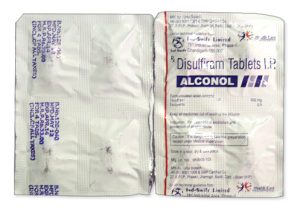
Antabuse
from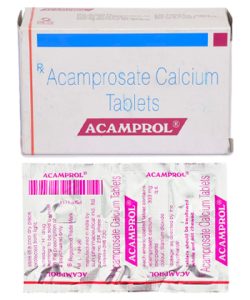
Campral
from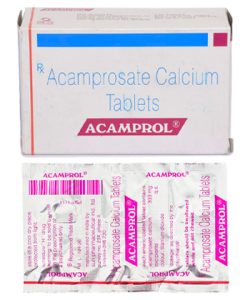
Acamprosate
from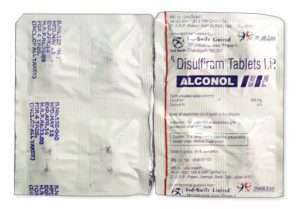
Disulfiram
fromUnderstanding Alcohol Dependence
Alcohol dependence, commonly referred to as alcoholism, is a chronic medical condition characterised by an inability to control alcohol consumption despite knowing the negative consequences. This condition affects millions of Australians across all demographics and socioeconomic backgrounds. Alcoholism involves both physical and psychological dependence, where the body develops tolerance and experiences withdrawal symptoms when alcohol consumption ceases.
The brain chemistry changes significantly in individuals with alcohol dependence. Alcohol affects neurotransmitters responsible for pleasure and reward, creating a cycle where individuals require increasing amounts to achieve the same effect. Understanding alcoholism as a medical condition rather than a moral failing is crucial for seeking appropriate treatment and support. Many Australians struggle silently with this condition, unaware that effective treatment options are available through healthcare providers and pharmaceutical interventions.
Medications for Alcohol Dependence in Australia
Several medications are approved and available in Australia to assist in managing alcohol dependence and reducing cravings. These pharmaceuticals work through different mechanisms and are prescribed based on individual patient needs and medical history.
Available Treatment Medications
Naltrexone is one of the most commonly prescribed medications in Australia for alcohol dependence. This opioid antagonist works by blocking the rewarding effects of alcohol, thereby reducing cravings and helping individuals maintain abstinence. Naltrexone is available in oral form and must be prescribed by a healthcare professional.
Acamprosate is another key medication available in the Australian market. This medication helps restore the balance of neurotransmitters in the brain that have been affected by chronic alcohol use. Acamprosate is particularly useful for individuals who have already stopped drinking and wish to maintain abstinence.
Disulfiram, commonly known by the brand name Antabuse, works differently by causing unpleasant reactions when alcohol is consumed. This medication creates a strong deterrent by producing flushing, nausea, and headaches if alcohol is ingested whilst taking the medication. It requires high patient motivation and commitment.
Benzodiazepines such as diazepam are sometimes prescribed during the acute withdrawal phase to manage symptoms and reduce seizure risk. These medications are used short-term under close medical supervision due to their own dependency potential.
Treatment Approaches and Management Strategies
Effective treatment of alcoholism in Australia typically combines medication with psychological and behavioural interventions. A comprehensive approach addresses both the physical aspects of dependence and the underlying psychological factors contributing to alcohol misuse.
Therapeutic Interventions
Cognitive behavioural therapy has proven highly effective in helping individuals identify triggers, develop coping strategies, and build resilience against relapse. This therapeutic approach helps patients understand the relationship between thoughts, feelings, and behaviours related to alcohol consumption. Many Australian treatment centres and private practitioners offer this evidence-based therapy.
Motivational interviewing is another valuable therapeutic technique used by Australian healthcare professionals. This approach helps individuals explore their ambivalence about changing drinking behaviour and builds intrinsic motivation for recovery. It respects individual autonomy whilst gently guiding towards positive change.
Support groups such as Alcoholics Anonymous operate throughout Australia and provide peer support, accountability, and practical strategies for maintaining sobriety. These community-based resources complement pharmaceutical and professional psychological interventions, offering ongoing support networks essential for long-term recovery.
Withdrawal Symptoms and Medical Management
Alcohol withdrawal can be a serious medical condition requiring professional supervision and pharmaceutical intervention. When individuals with alcohol dependence suddenly reduce or stop drinking, their bodies experience significant physiological changes that can range from uncomfortable to life-threatening.
Recognising and Managing Withdrawal
Common withdrawal symptoms include tremors, sweating, anxiety, insomnia, and headaches. More severe withdrawal syndrome can include seizures and delirium tremens, a condition characterised by confusion, hallucinations, and severe agitation. In Australia, medical professionals assess withdrawal severity and prescribe appropriate medications to manage these symptoms safely.
Thiamine and other B-vitamin supplements are often provided during withdrawal management, as chronic alcohol use depletes these essential nutrients. Proper nutritional support helps prevent serious complications such as Wernicke-Korsakoff syndrome.
Medical supervision during withdrawal is strongly recommended, particularly for individuals with long-term heavy alcohol use or significant medical comorbidities. Australian hospitals and specialised detoxification centres provide safe environments where patients receive monitoring and pharmaceutical support throughout the withdrawal process.
Prevention and Reducing Relapse Risk
Long-term recovery from alcoholism requires ongoing commitment and strategies to prevent relapse. Australian healthcare providers work with patients to develop personalised relapse prevention plans that address individual risk factors and triggers.
Strategies for Maintaining Recovery
Lifestyle modifications play a crucial role in recovery. Regular exercise, improved sleep hygiene, stress management techniques, and nutritional support strengthen physical health and resilience. Many individuals find that engaging in new hobbies and activities helps fill time previously occupied by alcohol consumption.
Social support networks are invaluable for maintaining sobriety. Maintaining connections with supportive family members, friends, and support group members provides accountability and encouragement. Some individuals benefit from distancing themselves from environments or social circles where alcohol use is prevalent.
Regular follow-up appointments with healthcare providers ensure that medications remain effective and appropriate, and that any emerging issues are addressed promptly. Many Australian general practitioners and addiction specialists monitor patients through regular consultations, medication reviews, and assessment of psychological wellbeing.
Key Elements of Relapse Prevention
- Developing a personalised relapse prevention plan with your healthcare provider
- Identifying personal triggers and high-risk situations
- Establishing healthy coping mechanisms and stress management techniques
- Maintaining regular contact with support groups and counsellors
- Adhering to prescribed medication regimens
- Attending regular medical appointments and medication reviews
- Building and nurturing a supportive social network
- Engaging in regular physical activity and self-care practices
Seeking Help and Support Resources in Australia
Taking the first step towards addressing alcoholism is often the most challenging but most important decision. Australia provides numerous resources and support services to assist individuals struggling with alcohol dependence.
Access to Treatment and Support
The National Alcohol and Other Drugs Hotline (1800 250 015) provides confidential information, support, and referrals to treatment services throughout Australia. General practitioners serve as an excellent starting point, offering assessment, advice, and referrals to appropriate specialists and treatment programs.
Specialised addiction medicine clinicians throughout Australia can provide comprehensive assessment and prescribe appropriate medications for alcohol dependence. These professionals understand the complexities of alcoholism and work collaboratively with patients to develop individualised treatment plans.
Online resources and telehealth services have expanded access to support, particularly for individuals in rural and remote areas. Many Australians find that accessing information online, attending virtual support groups, or consulting with healthcare providers through telehealth increases treatment accessibility and reduces barriers to seeking help.
Recovery from alcoholism is achievable with the right combination of medical support, psychological intervention, and community resources. If you or someone you know is struggling with alcohol dependence, reaching out to a healthcare provider or support service is an important first step towards recovery and improved wellbeing.