
Antibacterial
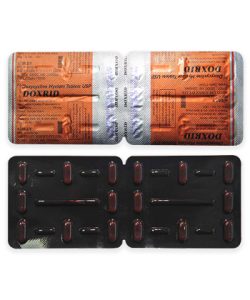
Vibramycin
from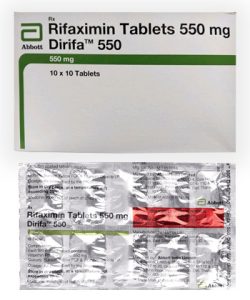
Xifaxan
from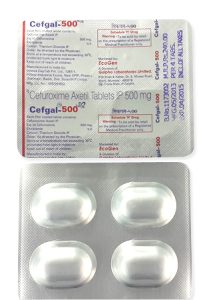
Ceftin
from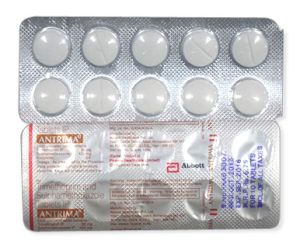
Bactrim
from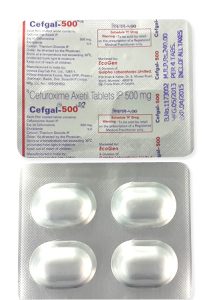
Cefuroxime
from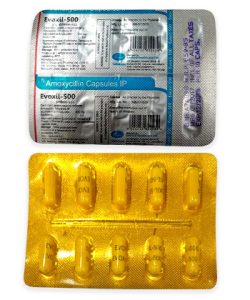
Levofloxacin
from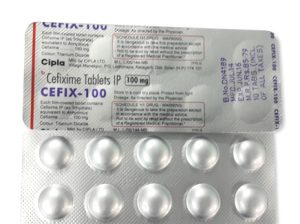
Suprax
from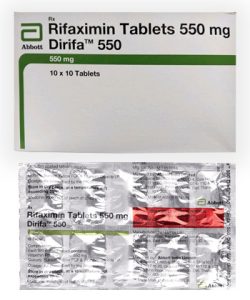
Rifaximin
from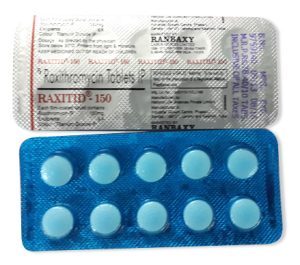
Rulide
from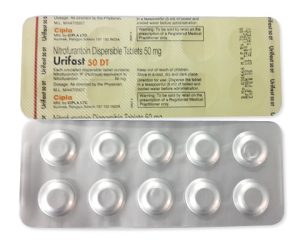
Furadantin
from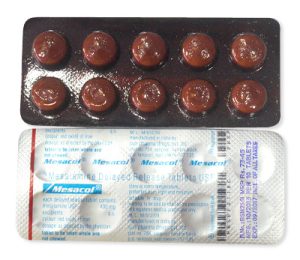
Mezavant
from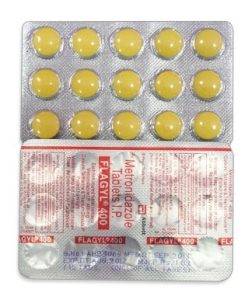
Flagyl
from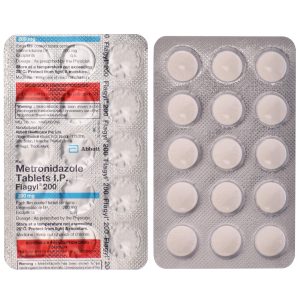
Metronidazole
fromUnderstanding Antibacterial Products
Antibacterial products are specially formulated medications and treatments designed to eliminate or inhibit the growth of bacteria on the skin and in wounds. These products play a crucial role in preventing infections and maintaining proper hygiene standards. Antibacterial agents work by disrupting bacterial cell walls, interfering with their metabolic processes, or preventing their reproduction. They are used extensively in both medical and domestic settings throughout Australia.
The importance of antibacterial products cannot be overstated, as bacterial infections can range from minor skin irritations to serious systemic conditions. When used appropriately, these products help reduce the risk of infection in cuts, grazes, and other minor wounds. They also serve as preventative measures in healthcare facilities and are essential components of first aid kits in Australian homes and workplaces.
Different types of antibacterial products are available, each suited to specific applications. Some are designed for topical application on skin, whilst others are formulated for use on wounds or surgical sites. Understanding which product to use for different situations is important for achieving the best outcomes and avoiding unnecessary complications.
Topical Antibacterial Creams and Ointments
Topical antibacterial creams and ointments are among the most commonly used antibacterial products available in Australian pharmacies. These preparations are applied directly to the skin surface and are ideal for treating minor cuts, grazes, burns, and insect bites. The creams provide a protective barrier whilst actively working against bacterial growth.
Popular antibacterial ointments available in Australia include Neosporin, which contains neomycin, bacitracin, and polymyxin B, making it highly effective for general wound care. Bepanthen Plus is another widely used option that combines antibacterial properties with skin-healing benefits. Savlon antiseptic cream remains a trusted choice for many Australian households, offering both antibacterial and antifungal properties.
These topical products are particularly useful for minor wounds that require protection from contamination. They should be applied to clean, dry skin, typically two to three times daily or as directed on the packaging. Most topical antibacterial creams are available without prescription and can be purchased directly from pharmacies across Australia.
When selecting a topical antibacterial product, consider any personal sensitivities or allergies to specific ingredients. Some people may experience mild irritation or allergic reactions, in which case an alternative product should be chosen. Always read the product information provided and follow application instructions carefully for optimal results.
Antibacterial Washes and Cleansers
Antibacterial washes and cleansers are essential products for daily hygiene and wound management. These liquid formulations are designed to remove bacteria from the skin whilst gently cleansing the affected area. They come in various strengths, from gentle daily-use products to stronger clinical-grade cleansers used in healthcare settings.
Common antibacterial wash products in Australia include Dettol antiseptic liquid, which has been a staple in Australian homes for decades. Savlon antiseptic wash is another popular choice, suitable for general cleansing and wound preparation. Hydrogen peroxide-based cleansers are also available and are particularly effective for deeper cleaning of contaminated wounds.
Antibacterial washes are typically diluted with water before use on the skin or wounds. They effectively remove dirt, bacteria, and dead tissue from affected areas. These products are particularly useful before applying other antibacterial treatments, as they create a clean surface for medication to work effectively.
Healthcare workers and individuals with frequent wound exposure often rely on antibacterial washes as part of their daily routine. These products are suitable for all ages and can be used multiple times daily without significant risk of adverse effects when used as directed. They represent a first line of defence in preventing bacterial infections in minor injuries.
Antibiotic Ointments and Prescribed Medications
Prescription antibiotic ointments represent a more intensive approach to antibacterial treatment, typically prescribed by healthcare professionals for specific bacterial infections or high-risk wounds. These medications contain specific antibiotics chosen based on the type of bacteria present and the severity of the infection.
Mupirocin ointment is commonly prescribed in Australia for treating bacterial skin infections, particularly those caused by Staphylococcus aureus. Fucidic acid creams are another prescription option frequently used for infected skin conditions and impetigo. These stronger formulations are reserved for confirmed bacterial infections rather than preventative use.
Oral antibiotics may also be recommended for more serious infections that require systemic treatment. Common options prescribed in Australia include amoxicillin, cephalexin, and azithromycin, depending on the infection type and individual patient factors. These medications work throughout the body to eliminate bacterial infections from within.
When prescribed antibiotics, it is essential to complete the full course of treatment as directed, even if symptoms improve before the medication is finished. This approach helps prevent antibiotic resistance and ensures complete elimination of the infection. Always discuss potential side effects and interactions with your pharmacist or doctor.
Specialised Antibacterial Products for Specific Conditions
Certain antibacterial products are formulated specifically for particular bacterial conditions common in Australia. Acne treatments often contain antibacterial ingredients such as benzoyl peroxide or clindamycin, which help control the bacteria responsible for acne formation. Products like Epiduo and Dalacin are popular prescribed options for managing bacterial acne.
Antibacterial products for fungal and bacterial infections are also available, addressing mixed microbial conditions. These combination products offer broader spectrum protection and are particularly useful when both bacterial and fungal elements are present. Many Australian pharmacies stock these products for common conditions like infected athlete’s foot.
Wound dressings with embedded antibacterial agents provide extended protection for serious wounds. These advanced products contain silver ions or iodine compounds that continuously release antibacterial agents throughout the healing process. They are particularly valuable for burns, surgical wounds, and chronic non-healing ulcers.
Intimate hygiene antibacterial products are formulated specifically for delicate areas, offering gentle but effective antibacterial protection. These products maintain natural flora balance whilst preventing problematic bacterial overgrowth. Products in this category must meet stringent safety standards for use in sensitive areas.
Safe Use and Storage of Antibacterial Products
Proper use and storage of antibacterial products ensures their effectiveness and safety. Always read the product information leaflet before application, paying particular attention to concentration, frequency of use, and any contraindications. Never exceed recommended doses or application frequencies, as this may lead to skin irritation or other adverse effects.
Storage conditions significantly impact product efficacy. Most antibacterial creams and ointments should be stored in cool, dry places away from direct sunlight. Check expiration dates regularly and discard expired products, as their antibacterial properties may diminish over time. Keep all antibacterial products out of reach of children and pets.
Seek professional advice from your pharmacist or doctor if symptoms persist beyond one week of treatment or worsen despite antibacterial use. Some bacterial infections require specialist diagnosis and prescription medications rather than over-the-counter treatments. Signs of allergic reaction or unusual irritation warrant immediate consultation with healthcare professionals.
Be aware of antibiotic resistance issues and use antibacterial products appropriately. Here are key guidelines for responsible use:
- Avoid using prescription antibiotics for viral infections, as this contributes to resistance development
- Complete the full course of prescribed antibiotics as directed
- Use antibacterial products judiciously and only when necessary
- Follow healthcare professional guidance carefully for optimal personal and community health outcomes
- Store products correctly to maintain their effectiveness over time
Supporting public health efforts through responsible antibacterial use helps protect both personal health and the broader Australian community from emerging antibiotic-resistant strains.