
Antiparasitic
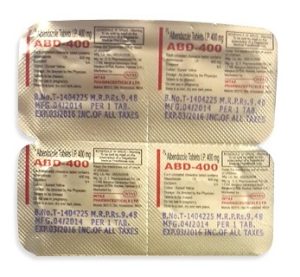
Albenza
from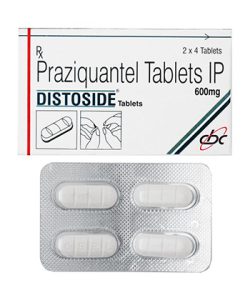
Biltricide
from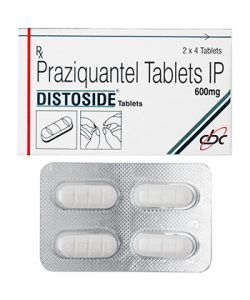
Praziquantel
from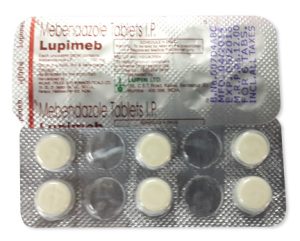
Vermox
from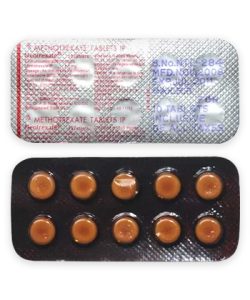
Rheumatrex
from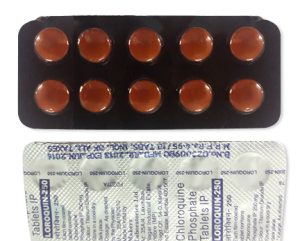
Chloroquine
from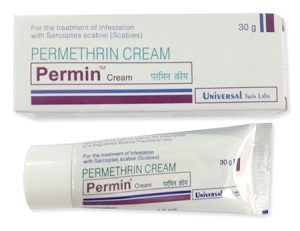
Lyclear
from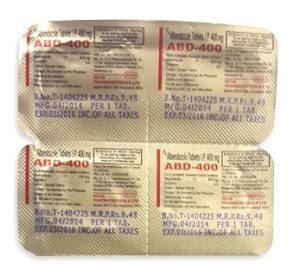
Albendazole
from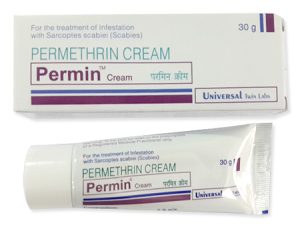
Permethrin
from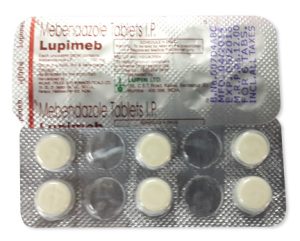
Mebendazole
fromUnderstanding Parasitic Infections
Parasitic infections occur when unwanted organisms invade the human body and cause illness. These microscopic or visible creatures live inside or on the body, feeding off nutrients and causing various health problems. Parasites are more common than many Australians realise, affecting people of all ages and backgrounds.
Parasitic infections can develop through contaminated food, water, insect bites, or poor hygiene. Symptoms often include digestive upset, fatigue, skin irritation, and unexplained weight loss. Some infections may not show obvious signs immediately, making early detection and treatment important for maintaining good health.
Different parasites require different treatment approaches. Understanding the type of infection is crucial for effective management. Australian healthcare providers can test for parasites through blood work, stool samples, or other diagnostic methods. Once identified, antiparasitic medications can eliminate the infection and restore wellbeing.
Common Types of Parasitic Infections
Intestinal Parasites
Intestinal parasites are among the most frequently diagnosed parasitic infections in Australia. These include roundworms, hookworms, and tapeworms that inhabit the digestive system. Symptoms include abdominal discomfort, diarrhoea, constipation, and nutritional deficiencies. Children and travellers returning from overseas are particularly susceptible to these common infections.
Protozoan Infections
Protozoan infections such as giardiasis and cryptosporidiosis spread through contaminated water sources. Giardia causes severe diarrhoea and bloating, whilst cryptosporidium affects immunocompromised individuals severely. These infections commonly occur after camping trips or consuming untreated water.
Helminthic Infections
Helminthic infections involve parasitic worms of various types. Threadworms are extremely common in Australian households, particularly affecting children. Schistosomiasis, though rare in Australia, affects travellers who’ve visited affected regions. Each type requires specific antiparasitic treatment tailored to the particular parasite.
Ectoparasites
Ectoparasites live on the skin surface rather than internally. Head lice, body lice, and scabies mites cause itching and skin inflammation. These conditions spread easily in schools and close-contact settings. Treatment involves topical antiparasitic preparations applied directly to affected areas.
Popular Antiparasitic Medications Available in Australia
Albendazole
Albendazole is a broad-spectrum antihelmintic widely used across Australia. It effectively treats roundworms, hookworms, whipworms, and certain tapeworm infections. Albendazole works by disrupting the parasite’s glucose metabolism, immobilising and eliminating them. Most treatments involve a single dose or short course lasting several days. Common brand names include Zentel, available through Australian pharmacies with prescription.
Mebendazole
Mebendazole is another trusted antihelmintic particularly effective against threadworms. It’s often the first choice for household threadworm infestations affecting multiple family members. Mebendazole is available over-the-counter at Australian pharmacies under names like Vermox. Treatment typically requires two doses separated by two weeks to ensure complete eradication.
Metronidazole
Metronidazole targets protozoan infections, particularly giardiasis. This medication disrupts the parasite’s DNA, preventing reproduction and growth. Available under brands like Flagyl, metronidazole requires prescription in Australia. Treatment courses usually last five to ten days depending on infection severity.
Ivermectin
Ivermectin treats a wide range of parasitic infections including scabies and threadworms. This powerful antiparasitic works by paralyzing the parasite’s nervous system. Ivermectin availability has expanded in Australia for specific approved indications. It’s particularly valuable for severe or resistant infections.
Permethrin
Permethrin is the gold standard for scabies and lice treatments in Australia. Available as creams and shampoos, permethrin kills parasites on contact. Products like Nix and Lyclear are commonly found in Australian pharmacies. Most applications require overnight treatment followed by washing and reapplication after one week.
Treatment Considerations and Protocols
Effective antiparasitic treatment in Australia follows established medical guidelines ensuring safety and efficacy. Healthcare providers assess the type of parasite, infection severity, patient age, and any existing health conditions before recommending specific medications.
Dosing and Duration
Dosing and duration vary considerably depending on the parasite type and individual circumstances. Some infections require single-dose treatments whilst others need courses lasting up to two weeks. Completing the full prescribed course is essential even if symptoms improve earlier, as incomplete treatment allows parasites to survive and reinfect.
Household and Contact Treatment
Household and contact treatment is crucial for parasitic infections like threadworms and scabies. Entire households often require simultaneous treatment to prevent reinfection cycles. Close contacts including schoolfriends and workplace associates may need preventative treatment or screening.
Timing of Treatment
Timing of treatment matters significantly. Some medications work best taken with food whilst others require empty stomach consumption. Certain antiparasitics require follow-up doses at specific intervals. Australian pharmacists provide detailed instructions ensuring patients take medications correctly for optimal results.
Monitoring and Follow-up
Monitoring and follow-up helps confirm successful treatment. Doctors may request repeat testing after treatment completion to verify parasite elimination. Persistent symptoms might indicate treatment failure or reinfection, requiring alternative approaches or repeat courses.
Prevention Strategies and Hygiene Practices
Preventing parasitic infections is more effective than treating established ones. Practising excellent hygiene significantly reduces infection risks for Australian families and communities.
Food and Water Safety
Food and water safety prevents most parasitic infections. Thorough cooking of meat eliminates parasites, whilst boiling water kills protozoans. Handwashing before eating and after bathroom visits removes parasite transmission. Avoiding unpeeled raw vegetables in high-risk regions protects travellers.
Personal Hygiene
Personal hygiene routines should emphasise regular handwashing, especially for young children. Keeping fingernails trimmed short reduces parasite transmission through scratching. Regular bathing and clean clothing minimise ectoparasite persistence. Teaching children proper toilet hygiene prevents faecal-oral parasite transmission.
Environmental Cleanliness
Environmental cleanliness matters considerably. Regularly washing bedding in hot water kills parasites and eggs. Disinfecting bathroom surfaces, particularly toilet seats, reduces parasite spread. Vacuuming carpets and upholstered furniture removes parasite stages from household environments.
Awareness for Travellers
Awareness for travellers heading to endemic regions should include consideration of antiparasitic prophylaxis and protective measures. Using insect repellent prevents mosquito-borne parasite infections. Staying in accommodation with screened windows and sleeping under mosquito nets provides additional protection. Key prevention tips include:
- Drinking only bottled or boiled water in high-risk areas
- Avoiding street food and uncooked meals
- Wearing protective clothing in tropical regions
- Consulting your doctor before travelling to endemic regions
- Taking prescribed antimalarial or antiparasitic prophylaxis as directed
When to Seek Professional Advice
Consulting healthcare professionals ensures accurate diagnosis and appropriate treatment selection. Persistent digestive symptoms, unexplained skin conditions, or concerning rashes warrant medical evaluation.
Symptoms Requiring Medical Attention
Symptoms requiring medical attention include severe abdominal pain, bloody stools, persistent vomiting, or signs of malnutrition. Skin infections showing signs of secondary bacterial infection need professional assessment. Immunocompromised individuals experiencing any parasitic symptoms require urgent medical attention.
Pharmacy Consultation
Pharmacy consultation helps determine whether infections need prescription medications or over-the-counter treatments suffice. Australian pharmacists can recommend appropriate antiparasitic products, advise on proper usage, and identify potential drug interactions. They also counsel on prevention strategies specific to individual circumstances.
Medical Testing
Medical testing confirms parasitic infections before treatment begins. Australian healthcare providers access pathology services offering comprehensive parasitic screening. Accurate diagnosis ensures appropriate medication selection and dosing, preventing unnecessary treatments with potential side effects. Your GP can arrange the necessary tests and refer you to specialists if required for complex parasitic infections.