
Asthma
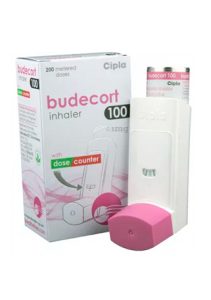
Rhinocort
from
Theophylline
from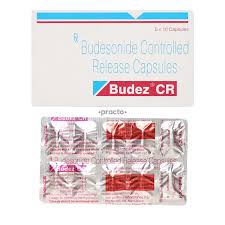
Budesonide Caps
from
Clenbuterol
from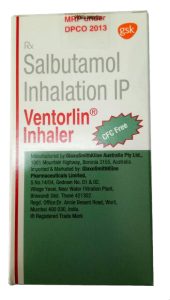
Proventil
from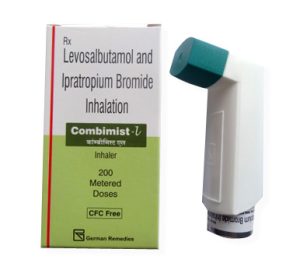
Atrovent
from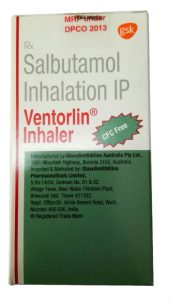
Ventolin Inhaler
fromUnderstanding Asthma
Asthma is a chronic respiratory condition that affects the airways in the lungs, causing them to narrow and swell. This inflammation makes it difficult to breathe and can trigger coughing, wheezing, and shortness of breath. The condition varies greatly between individuals – some people experience mild symptoms occasionally, whilst others face severe, life-threatening attacks. Asthma can develop at any age, though it often begins in childhood.
Understanding your asthma triggers and recognising warning signs is essential for effective management. Common triggers include allergens like pollen and dust mites, respiratory infections, exercise, cold air, and stress. By identifying your personal triggers, you can take steps to avoid them and reduce the frequency of symptoms. Asthma affects millions of Australians and is one of the most common chronic conditions in the country. Regular monitoring and appropriate treatment can help most people with asthma lead normal, active lives.
Types of Asthma Medications
Reliever Medications
Reliever medications, also called rescue or quick-relief inhalers, provide immediate relief during asthma attacks. These medications work by relaxing the muscles around the airways, allowing them to open quickly. The most common reliever in Australia is salbutamol (also known as albuterol), available under brand names like Asmol and Ventolin. These blue inhalers are fast-acting and should be used as soon as symptoms appear. If you find yourself using your reliever inhaler more than twice a week, it’s important to speak with your doctor about better long-term control.
Preventer Medications
Preventer medications are taken regularly to reduce inflammation in the airways and prevent symptoms from occurring. These are typically inhaled corticosteroids like fluticasone and beclomethasone, available in Australia under brands such as Flovent and Qvar. Preventer medications work gradually and must be used consistently, even when you feel well. Combination inhalers that contain both a corticosteroid and a long-acting bronchodilator, such as Seretide and Symbicort, are also widely prescribed in Australia for better asthma control.
Popular Asthma Medications Available in Australia
Commonly Prescribed Inhalers
Australia has several trusted asthma medications available through pharmacies and on prescription. Ventolin remains the most recognised reliever inhaler across the country. For preventer therapy, Flovent (fluticasone propionate) is frequently prescribed due to its effectiveness in reducing airway inflammation. Symbicort (budesonide and formoterol) is a popular combination inhaler used for moderate to severe asthma, offering both anti-inflammatory and bronchodilator benefits in one device. Seretide (fluticasone and salmeterol) is another combination option favoured by many Australian doctors for step-up therapy. Newer medications like Ellipta devices have also become available, offering convenient once-daily dosing for certain preventer medications.
Oral Medications
Whilst inhalers are the primary treatment, some patients require oral medications. Montelukast (Singulair) is a popular tablet option that helps prevent asthma symptoms by blocking substances that cause inflammation. Theophylline, though less commonly used now, is still prescribed in certain cases. These oral options are particularly useful for patients who struggle with inhaler technique or have difficulty using inhalers regularly.
Using Your Asthma Inhaler Correctly
Proper Inhaler Technique
Correct inhaler technique is crucial for medication to work effectively. Many people don’t use their inhalers properly, reducing the amount of medication that reaches their lungs. For metered-dose inhalers, follow these steps:
- Shake the device well before use
- Exhale completely
- Place your lips around the mouthpiece
- Press down whilst breathing in slowly and deeply
- Hold your breath for 10 seconds
- Exhale slowly
If using a spacer – which most Australian health professionals recommend – attach it to your inhaler and follow similar steps, as spacers help deliver more medication directly to the lungs. For dry powder inhalers like Ellipta, you’ll need to breathe in quickly and forcefully after loading the medication. It’s worth asking your pharmacist or doctor to watch you use your inhaler and provide feedback on your technique during each visit.
Maintenance and Cleaning
Clean your inhaler regularly, particularly the mouthpiece, to prevent blockages and ensure proper medication delivery. Most inhalers should be cleaned weekly with warm water and dried thoroughly before use. Check expiry dates regularly and keep track of how many doses you’ve used, as inhalers don’t always indicate when they’re empty. Store inhalers at room temperature, away from extreme heat or cold, and never leave them in direct sunlight or in hot cars.
Asthma Action Plans and When to Seek Help
Developing Your Personal Asthma Action Plan
An asthma action plan, developed with your doctor, outlines what to do daily and during asthma attacks. Your plan should clearly identify your trigger factors and include instructions on which medications to take during different situations. The plan typically uses a green-yellow-red system: green means asthma is well controlled, yellow indicates caution with increasing symptoms, and red signals a medical emergency. Keep a copy of your plan at home, at work, and give one to people around you who might need to help during an attack. Review your plan annually or whenever your symptoms change significantly.
When to Seek Medical Attention
Contact your doctor if you experience increasing wheezing, persistent cough, or if you’re using your reliever inhaler more frequently than usual. Seek emergency help if you experience severe difficulty breathing, blue lips or fingernails, severe chest tightness, or no improvement after using your reliever inhaler. In Australia, call 000 for life-threatening asthma emergencies. Regular check-ups with your GP or respiratory specialist help ensure your asthma remains well-controlled and your medications are appropriate for your needs.
Managing Asthma Long-Term
Lifestyle Modifications
Beyond medication, several lifestyle changes support better asthma control. Regular exercise, despite asthma, actually strengthens your lungs and improves overall health – swimming is particularly beneficial. Avoid known triggers where possible, maintain good indoor air quality by reducing dust and allergens, and use air conditioning during high pollen days. Managing stress through relaxation techniques helps, as stress can trigger asthma symptoms. Maintaining a healthy weight reduces strain on the respiratory system. Ensure vaccinations are current, including flu and pneumococcal vaccines, as respiratory infections can worsen asthma.
Monitoring and Follow-Up
Keep a symptom diary to track when symptoms occur and identify patterns. This information helps your healthcare provider adjust medications if needed. Regular appointments with your doctor – typically twice yearly for well-controlled asthma – ensure your treatment remains effective. Spirometry tests measure lung function and help assess whether your current management strategy is working. With proper management, most Australians with asthma can participate fully in school, work, sports, and social activities without limitations.