
Birth Control
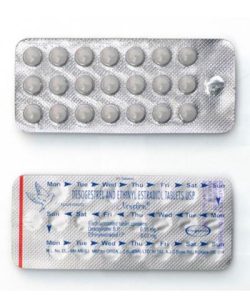
Desogen
from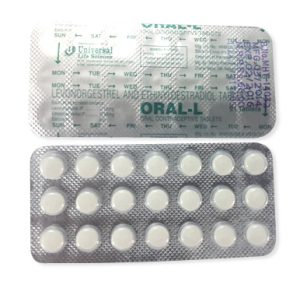
Loette
from
Yasmin
from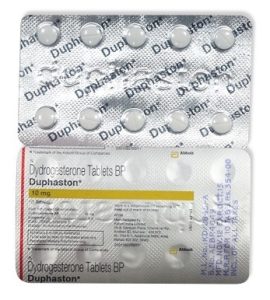
Utrogestan
from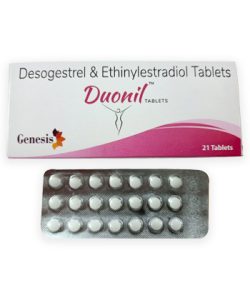
Marvelon
fromUnderstanding Birth Control Options
Birth control, also known as contraception, refers to methods used to prevent pregnancy. There are numerous options available to Australian women, each with different effectiveness rates, benefits, and considerations. Choosing the right birth control method depends on your lifestyle, health history, and personal preferences.
The effectiveness of birth control methods varies significantly. Some methods, like intrauterine devices (IUDs) and implants, are over 99% effective, whilst others, such as condoms, are around 85% effective with typical use. It’s important to discuss your options with your healthcare provider to find the most suitable method for your circumstances.
Birth control methods can be temporary or permanent, reversible or irreversible. Understanding the differences between these categories helps you make an informed decision about your reproductive health. Many women use different methods at various stages of their lives depending on their changing needs.
Hormonal Contraceptives
Hormonal contraceptives work by preventing ovulation or thickening cervical mucus to prevent sperm from reaching an egg. These methods are popular in Australia and come in various forms to suit different preferences.
The Contraceptive Pill
The contraceptive pill is one of the most commonly used hormonal methods in Australia. There are two main types: the combined oral contraceptive pill, which contains oestrogen and progestin, and the progestin-only pill, also known as the mini-pill. Popular brands available in Australia include Microgynon, Levora, Yasmin, and Diane. The combined pill is typically taken daily for 21 days, followed by a seven-day break, whilst the mini-pill is taken continuously. The pill is approximately 91% effective with typical use and offers additional benefits like reduced period pain and lighter periods.
The Contraceptive Patch
The contraceptive patch is a small adhesive patch worn on the skin that releases hormones. It’s changed weekly for three weeks, with a hormone-free week following. It’s approximately 91% effective and offers convenience for those who prefer not to take daily pills.
The Contraceptive Ring
The contraceptive ring is a flexible plastic ring inserted into the vagina that releases hormones. It remains in place for three weeks and is removed for one week to allow menstruation. The NuvaRing is available in Australia and is approximately 91% effective with typical use.
The Contraceptive Injection
The contraceptive injection (Depo-Provera) is administered every 12 weeks and is over 99% effective. It’s a progestin-only method that prevents pregnancy and is convenient for women who prefer not to take daily medication.
Long-Acting Reversible Contraceptives
Long-acting reversible contraceptives (LARCs) are highly effective methods that require minimal maintenance once inserted. These methods are increasingly popular in Australia due to their effectiveness and convenience.
Intrauterine Devices (IUDs)
Intrauterine devices are small T-shaped devices inserted into the uterus by a healthcare professional. There are two types available in Australia: copper IUDs and hormonal IUDs. Copper IUDs, such as the Paragard, work by creating an environment toxic to sperm and can remain effective for up to 10 years. Hormonal IUDs, including Mirena and Skyla, release small amounts of progestin and are over 99% effective whilst lasting three to five years. IUDs are suitable for most women and can be removed at any time if you decide to become pregnant.
Contraceptive Implants
Contraceptive implants are small flexible rods inserted under the skin of the upper arm. The Nexplanon, available in Australia, releases progestin and is over 99% effective for up to three years. The implant is a discreet option that requires no daily maintenance and can be removed whenever you choose to stop using it.
These methods are particularly beneficial for women who want long-term contraception without the need to remember daily medication. They’re also ideal for those who cannot use oestrogen-containing methods due to health concerns.
Barrier Methods and Natural Contraception
Barrier methods physically prevent sperm from reaching an egg and include various options suitable for different needs and preferences.
Condoms
Condoms are available in male and female varieties and offer protection against both pregnancy and sexually transmitted infections (STIs). Male condoms are the most commonly used and are approximately 85% effective with typical use. They’re readily available in Australia without a prescription and are an affordable option. Female condoms provide an alternative for women who want to take an active role in contraception.
Diaphragms and Cervical Caps
Diaphragms and cervical caps are dome-shaped devices inserted into the vagina to cover the cervix. They must be used with spermicide to be effective and offer approximately 88% effectiveness with typical use. These methods require fitting by a healthcare professional.
Natural Family Planning Methods
Natural family planning methods involve tracking your menstrual cycle to identify fertile days and avoiding intercourse during these times. This method requires commitment and education but appeals to those seeking non-hormonal options. However, it’s less reliable than other methods, with approximately 76% typical use effectiveness.
Permanent Contraceptive Methods
For those who are certain they don’t want future pregnancies, permanent methods offer highly effective long-term solutions.
Female Sterilisation (Tubal Ligation)
Female sterilisation involves surgically blocking or removing the fallopian tubes to prevent eggs from reaching the uterus. This procedure is over 99% effective and is generally considered permanent, though reversal is sometimes possible. It requires a surgical procedure and recovery time.
Male Sterilisation (Vasectomy)
Male sterilisation is a surgical procedure that blocks the tubes carrying sperm. It’s over 99% effective and is less invasive than female sterilisation. Both partners should be counselled thoroughly before choosing this option.
These permanent methods are suitable only for those absolutely certain about their decision, as reversal isn’t always successful or available.
Choosing and Managing Your Birth Control
Selecting the right birth control method requires careful consideration of several factors. When discussing contraception with your doctor, be honest about your lifestyle, sexual activity, and any health conditions. Your healthcare provider can recommend suitable options and ensure you don’t have any contraindications. Some methods aren’t suitable for women with certain medical conditions or who take specific medications.
Several important considerations should guide your choice:
- Effectiveness rates and how they align with your needs
- Potential side effects and how they may impact your daily life
- Convenience and ease of use for your lifestyle
- Cost and whether subsidies are available through the Pharmaceutical Benefits Scheme (PBS)
- Health history and any contraindications with existing conditions or medications
- Reversibility if you may want to change methods or become pregnant in the future
Cost is an important consideration for many Australians. Some methods, like the pill, require ongoing prescriptions, whilst others, like IUDs and implants, have higher upfront costs but lower long-term expenses. Many methods are subsidised through the Pharmaceutical Benefits Scheme (PBS) in Australia.
Side effects vary between methods. Hormonal contraceptives may cause nausea, headaches, or mood changes in some women, whilst barrier methods have minimal systemic side effects. It’s important to give your chosen method time to work, as some side effects diminish after the first few months.
Regular check-ups with your healthcare provider ensure your contraception is working effectively and remains suitable for your needs. If you experience concerning side effects or your circumstances change, discuss alternative options with your doctor. Remember that contraception is a personal choice, and what works for others may not work for you. Your healthcare team is there to support you in finding the method that best suits your individual situation and reproductive goals.