
Hormones
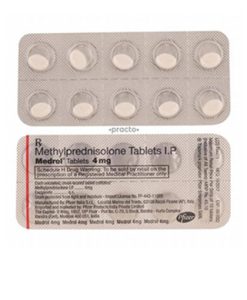
Medrol Active
from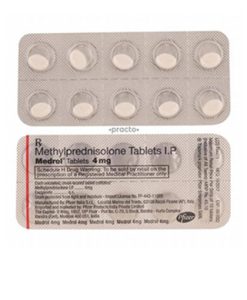
Medrol
from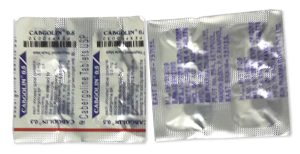
Dostinex
from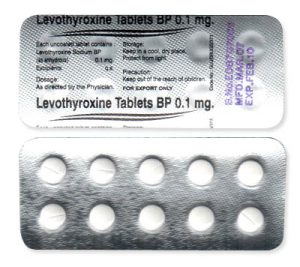
Eltroxin
from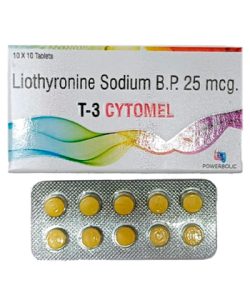
Cytomel
from
Conjugated Estrogens
fromUnderstanding Hormone Therapy
Hormone therapy involves using medications that contain hormones to treat various medical conditions. These treatments work by replacing hormones that your body doesn’t produce in sufficient quantities or by regulating hormone levels that have become imbalanced. Hormone therapy can be prescribed for different age groups and conditions, from menopause in women to testosterone deficiency in men. In Australia, hormone therapies are carefully regulated by the Therapeutic Goods Administration (TGA) to ensure safety and efficacy.
Before starting any hormone treatment, it’s important to have a thorough consultation with your healthcare provider who can assess your individual needs and medical history. Different types of hormone therapy work in different ways—some replace missing hormones whilst others help your body use hormones more effectively. The decision to use hormone therapy should be based on a careful evaluation of potential benefits and risks specific to your situation.
Hormone Replacement Therapy for Women
Hormone Replacement Therapy (HRT) is commonly prescribed to manage symptoms of menopause, including hot flushes, night sweats, mood changes, and vaginal dryness. HRT typically combines oestrogen and progestin, though some women may use oestrogen-only therapy depending on their medical history. In Australia, popular HRT medications include Premarin, Estraderm patches, and Progynova tablets.
These medications come in various forms such as tablets, patches, gels, and creams, allowing women to choose the delivery method that best suits their lifestyle. HRT can significantly improve quality of life during menopause by reducing uncomfortable symptoms and helping maintain bone density. However, HRT is not suitable for everyone, and your doctor will assess factors like your age, medical history, and risk of certain conditions before recommending treatment.
Some women may benefit from lower doses or alternative therapies if HRT isn’t appropriate. Regular monitoring and follow-up appointments are essential when using HRT to ensure the treatment remains beneficial and safe for your individual circumstances.
Testosterone and Male Hormone Treatments
Testosterone replacement therapy is prescribed for men with low testosterone levels, a condition known as hypogonadism. Low testosterone can cause fatigue, reduced muscle mass, decreased libido, and mood changes. In Australia, testosterone treatments are available in multiple forms including injections, gels, patches, and capsules. Common Australian brands include Sustanon, Testogel, and Andriol.
These medications help restore testosterone to normal levels, improving energy, muscle strength, and sexual function. Testosterone therapy requires careful monitoring through regular blood tests to ensure hormone levels remain within the therapeutic range. Men starting testosterone treatment should be aware that it may take several weeks to notice improvements in symptoms.
This type of therapy is not recommended for men with certain medical conditions, such as prostate cancer, so comprehensive medical evaluation is necessary before starting treatment. Your healthcare provider will determine the appropriate dose and delivery method based on your specific health profile and treatment goals.
Thyroid Hormone Treatments
Thyroid hormones regulate metabolism and are essential for proper body function. When the thyroid doesn’t produce enough hormones, hypothyroidism develops, causing fatigue, weight gain, cold sensitivity, and sluggishness. Levothyroxine is the primary thyroid hormone replacement used in Australia, available under brand names such as Oroxine and Eutroxsig. This synthetic thyroid hormone effectively replaces the hormone your body isn’t producing naturally.
Thyroid medication is typically taken as a daily tablet on an empty stomach for optimal absorption. Regular blood tests are necessary to monitor thyroid hormone levels and adjust your dose accordingly. Most people with hypothyroidism can manage their condition very well with consistent thyroid replacement therapy, allowing them to maintain normal energy levels and metabolism. Some patients may also require additional iodine supplementation depending on their individual circumstances. It’s important to take your thyroid medication consistently and have regular check-ups to ensure your dose remains appropriate as your body’s needs may change over time.
Contraceptive Hormones and Birth Control
Oral contraceptives contain hormones that prevent pregnancy by suppressing ovulation and thickening cervical mucus. Beyond contraception, birth control pills are often prescribed to regulate menstrual cycles, reduce heavy bleeding, and manage conditions like polycystic ovary syndrome. Australia offers numerous contraceptive options including combined oral contraceptives containing oestrogen and progestin, progestin-only pills, and extended-cycle formulations. Popular brands include Yasmin, Microgynon, and Micronor.
These medications provide flexible dosing schedules, allowing women to have periods monthly or less frequently depending on the formulation chosen. Different pill types suit different women, so your healthcare provider will help you find the most appropriate option based on your health history and preferences. Side effects are generally mild and often improve after the first few months of use.
Regular medical reviews are important to ensure your chosen contraceptive remains suitable and effective for your needs. Some women may experience changes in mood, weight, or blood pressure, and these should be discussed with your doctor to explore alternative options if needed.
Other Hormone Medications and Treatments
Beyond the major categories, several other hormone medications treat specific conditions. Each of these specialised treatments addresses particular health needs and requires careful assessment by healthcare professionals:
- Insulin is a crucial hormone medication for people with diabetes, regulating blood sugar levels through injections or pumps
- Corticosteroids like prednisone reduce inflammation and suppress immune responses for various inflammatory and autoimmune conditions
- Growth hormone is prescribed for children with growth disorders and some adults with growth hormone deficiency
- Parathyroid hormone medications help treat osteoporosis by stimulating bone formation
- Antithyroid medications like propylthiouracil and methimazole treat hyperthyroidism by reducing excess thyroid hormone production
- Hormone antagonists block hormone action and are used in treating certain cancers
- Melatonin supplements help regulate sleep-wake cycles for people with sleep disorders
In Australia, these specialised hormone treatments require careful medical supervision and regular monitoring. The choice of hormone medication depends entirely on your diagnosis, medical history, and individual health circumstances, making professional medical guidance essential for safe and effective treatment.