
Muscle Relaxants
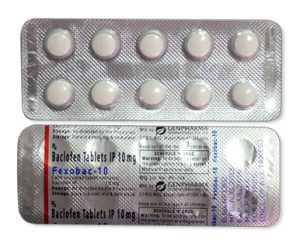
Baclofen
from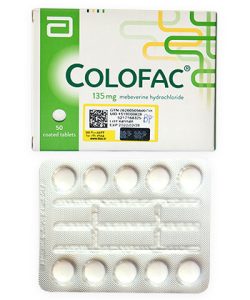
Colofac
from
Robaxin
from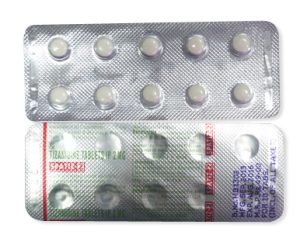
Zanaflex
fromWhat Are Muscle Relaxants and How Do They Work?
Muscle relaxants are medications designed to alleviate muscle tension, stiffness, and spasms throughout the body. These pharmaceuticals work by either depressing the central nervous system or by acting directly on muscle fibres to reduce involuntary contractions. When muscles become overly tense or go into spasm, they can cause significant discomfort and limit your ability to move freely. Muscle relaxants help to interrupt the communication between nerves and muscles, thereby reducing the intensity of muscle contractions and providing relief from pain and discomfort.
The mechanism of action varies depending on the type of muscle relaxant. Some medications work by calming the signals sent from the brain and spinal cord to the muscles, whilst others directly affect the muscle tissue itself. This dual approach allows healthcare professionals to select the most appropriate medication based on your specific condition and medical history. Most muscle relaxants are prescribed for short-term use, typically ranging from a few weeks to several months, as they are most effective when combined with physiotherapy and other treatment methods.
Common Conditions Treated with Muscle Relaxants
Muscle relaxants are prescribed for various conditions that involve muscle tension and spasms. One of the most common reasons for prescription is acute muscle strain, which often occurs following sports injuries, motor vehicle accidents, or sudden physical exertion. These acute injuries can cause significant pain and restrict movement, making muscle relaxants an essential part of the recovery process.
Chronic conditions such as fibromyalgia and multiple sclerosis also benefit from muscle relaxant therapy. Patients with these conditions often experience persistent muscle stiffness and discomfort that can severely impact their quality of life. Muscle relaxants help manage these symptoms and allow individuals to maintain greater mobility and functionality.
Back pain and neck strain are additional common indications for muscle relaxant use. Whether caused by poor posture, degenerative disc disease, or muscle injury, these conditions frequently present with muscle spasms that respond well to relaxant medications. The following conditions also commonly require muscle relaxant therapy:
- Cerebral palsy and spinal cord injuries as part of comprehensive pain management
- Torticollis, which causes involuntary neck muscle contractions
- Tension headaches associated with neck and shoulder muscle tension
- Whiplash injuries from motor vehicle accidents
- Post-operative muscle spasms following surgery
Available Muscle Relaxant Medications in Australia
Australia’s pharmaceutical market includes several effective muscle relaxant options, each with distinct characteristics and benefits. Baclofen is one of the most widely prescribed muscle relaxants and works by reducing signals in the spinal cord that cause muscles to contract. It is available in tablet form and is commonly used for conditions ranging from muscle spasms to multiple sclerosis-related symptoms.
Diazepam, whilst primarily known as an anti-anxiety medication, is also prescribed as a muscle relaxant due to its ability to reduce muscle tension and spasms. This benzodiazepine is available in various strengths and is typically reserved for short-term use due to potential dependency concerns.
Tizanidine is another popular option available in Australian pharmacies. This medication works by blocking nerve impulses that trigger muscle contractions, making it particularly effective for acute muscle spasms and chronic muscle tightness. It is available in tablet form with various dosage strengths.
Cyclobenzaprine is prescribed in Australia for short-term relief of muscle spasms associated with acute, painful musculoskeletal conditions. This medication helps to relieve muscle tension without significantly affecting muscle strength, allowing patients to continue physiotherapy and rehabilitation exercises.
Methocarbamol is available in Australia and is commonly used for acute musculoskeletal pain and muscle spasms. This medication has a longer history of use and is considered relatively safe for most patients when used as directed.
Orphenadrine is another muscle relaxant available in the Australian market, often combined with analgesics to provide both muscle relaxation and pain relief. This medication is frequently used for acute muscle injuries and strains.
Dosage, Administration, and Safety Considerations
Proper dosage and administration of muscle relaxants are crucial for achieving therapeutic benefits whilst minimising potential side effects. The typical starting dose for most muscle relaxants is relatively low, with gradual increases based on your response to the medication and tolerance levels. Your healthcare provider will determine the most appropriate dosage based on factors including your age, weight, overall health status, and the severity of your condition.
Most muscle relaxants are taken orally, typically three to four times daily, although some extended-release formulations may only require once or twice daily dosing. It is essential to take these medications exactly as prescribed and not to exceed the recommended dose without consulting your healthcare provider.
Safety considerations are paramount when using muscle relaxants. These medications can cause drowsiness, dizziness, and reduced alertness, so you should avoid operating heavy machinery or driving until you understand how the medication affects you. Alcohol consumption should be avoided, as combining muscle relaxants with alcohol can significantly increase drowsiness and impair cognitive function.
Muscle relaxants may interact with other medications, including antihistamines, opioid painkillers, and other central nervous system depressants. Always inform your healthcare provider of all medications and supplements you are currently taking before starting muscle relaxant therapy.
Certain populations require special consideration. Elderly patients may experience increased sensitivity to these medications, pregnant women should only use muscle relaxants under strict medical supervision, and individuals with liver or kidney dysfunction may require dose adjustments.
Potential Side Effects and When to Seek Medical Advice
Like all medications, muscle relaxants can produce side effects, though many people tolerate them well. Common side effects include drowsiness, dizziness, dry mouth, and fatigue. These effects are often mild and tend to decrease as your body adjusts to the medication.
Less common side effects may include headache, nausea, upset stomach, and blurred vision. Some individuals may experience difficulty concentrating or memory issues whilst taking muscle relaxants. Allergic reactions, whilst rare, can occur and may present as rash, itching, swelling of the face or throat, or difficulty breathing.
You should contact your healthcare provider or seek immediate medical attention if you experience severe dizziness, confusion, difficulty breathing, chest pain, or signs of an allergic reaction. Additionally, if you develop yellowing of the skin or eyes, unusual bruising, or signs of liver problems, medical evaluation is necessary. It is important to report any persistent or bothersome side effects to your healthcare provider, as dose adjustments or alternative medications may be more suitable for your situation.
Complementary Approaches and Treatment Duration
Muscle relaxants are most effective when used as part of a comprehensive treatment approach. Physiotherapy is a crucial complement to medication, helping to restore muscle strength, flexibility, and function. Regular exercise, stretching routines, and targeted rehabilitation exercises enhance the benefits of muscle relaxant therapy.
Heat and cold therapy can provide additional relief from muscle tension and spasms. Ice packs are particularly helpful immediately after injury, whilst heat therapy may be more beneficial for chronic muscle tightness. Massage therapy, acupuncture, and other complementary therapies may also provide supplementary benefit.
Rest and proper posture are fundamental to recovery. Ensuring adequate sleep and maintaining correct ergonomics during work and daily activities can significantly impact your recovery trajectory.
Most muscle relaxants are prescribed for short-term use, typically two to three weeks, though some chronic conditions may warrant longer-term therapy. Your healthcare provider will monitor your progress and determine the appropriate duration of treatment based on your response to medication and overall recovery. Before starting any muscle relaxant medication, consult with your healthcare provider or pharmacist to ensure it is appropriate for your specific situation and medical history.