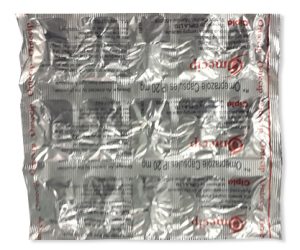
Acimax
In brief
- In our pharmacy, you can buy acimax without a prescription in Australia — 20 mg short-course packs are available OTC; higher strengths or long‑term treatment usually require a prescription. Australia‑wide delivery and discreet packaging available.
- Acimax (omeprazole) is used for symptomatic heartburn/GERD, erosive oesophagitis, peptic and duodenal ulcers, H. pylori eradication (with antibiotics) and hypersecretory conditions; it is a proton pump inhibitor that suppresses gastric acid by blocking the H+/K+ ATPase in stomach parietal cells.
- The usual dose is 20 mg once daily for OTC heartburn (14 days, max one course every 4 months); for erosive oesophagitis 20–40 mg once daily for 4–8 weeks; for H. pylori typically 20 mg twice daily with antibiotics for 10–14 days; Zollinger–Ellison treatment starts higher (eg 60 mg) and is titrated; paediatric dosing is weight‑based.
- Forms of administration: delayed‑release capsules or tablets, oral suspension (powder packets), dispersible/dry powder formulations and a limited IV formulation (40 mg vial); normally taken orally.
- Onset time: acid secretion is reduced within 1–3 hours, but noticeable symptom relief may take 1–4 days for many people.
- Duration of action: one dose suppresses acid for about 24 hours; the pharmacological effect can persist 48–72 hours because pumps are irreversibly inhibited until new ones are synthesised.
- Alcohol warning: avoid excessive alcohol as it can worsen reflux and stomach irritation; there is no specific acute contraindication with moderate alcohol but limit intake and be cautious if you have liver disease.
- The most common side effect is headache; other frequent effects include stomach pain/cramps, nausea, diarrhoea or constipation, flatulence and dizziness.
- Would you like to try acimax without a prescription?
Critical Warnings & Restrictions
Basic Acimax Information
- INN (International Nonproprietary Name): Omeprazole (INN: oméprazole, омепразол, 奥美拉唑, أوميبرازول).
- Brand Names Available In Australia: not specified.
- ATC Code: A02BC01 (Drugs for acid-related disorders; proton pump inhibitors).
- Forms & Dosages: Delayed-release capsule/tablet 10mg, 20mg, 40mg; oral suspension powder packets 2.5mg, 10mg; dispersible/dry powder 10mg, 20mg, 40mg; IV formulation 40mg per vial.
- Manufacturers In Australia: not specified.
- Registration Status In Australia: not specified.
- OTC / Rx Classification: 20mg short-term low-count packs are classified OTC in some jurisdictions; 10mg, 20mg and 40mg chronic or higher-dose preparations are prescription-only.
High‑Risk Groups
Patients often ask what could make omeprazole unsafe for them.
Immediately confirm any known hypersensitivity to omeprazole or other substituted benzimidazoles before supply.
Check for severe liver disease because dose reduction is recommended and maximal daily doses may be lower.
Ask about previous Clostridioides difficile infection because acid suppression may increase risk of recurrence in susceptible people.
Review bone health and fracture history since long‑term PPI use has been linked with increased osteoporosis‑related fracture risk.
Consider the risk of long‑term hypomagnesaemia and plan monitoring if therapy extends beyond months.
Refer people who are pregnant, breastfeeding or planning conception to their GP or specialist and use the lowest effective dose where needed.
- Checklist: allergy check, current medicines, pregnancy/breastfeeding status, liver disease, prior GI infections, bone health.
- Absolute Contraindications: Known hypersensitivity to omeprazole or other substituted benzimidazoles; concomitant use with nelfinavir.
- Relative Contraindications: Significant liver dysfunction (dose reduction advised); osteoporosis/history of fractures; risk of hypomagnesaemia; prior C. difficile infection.
Interaction With Activities
Dizziness or drowsiness can occur in some people taking omeprazole.
Avoid driving, operating heavy machinery or doing safety‑sensitive work until you know how omeprazole affects you.
Workers in safety‑critical roles should check SafeWork Australia guidance and inform their employer if impaired.
Q&A — “Can I Drive After Taking It In Australia?”
Short answer: Usually yes, provided you feel alert and clear‑headed.
If you experience dizziness, lightheadedness, drowsiness or blurred vision, do not drive or operate machinery.
Check SafeWork Australia guidance if you have safety‑critical duties and notify your employer if impairment occurs.
Usage Basics
INN, Brand Names Available In Australia
The active ingredient is omeprazole (ATC A02BC01) and appears in many branded and generic products worldwide.
International brands include Prilosec/Prilosec OTC, Losec, Omeprazole Sandoz, Mylan Omeprazole, Omeprazole Hikma and many generics supplied by AstraZeneca, Sandoz, Teva, Mylan and Dr Reddy’s.
In Australian pharmacies you will commonly see generic packs and labels from local suppliers and pharmacy brands alongside internationally recognised names.
| Brand | Common Pack Sizes / Formulations |
|---|---|
| Prilosec / Prilosec OTC | 20mg delayed‑release capsules, 14×20mg or 28×20mg blisters or bottles (internationally typical). |
| Losec / Omeprazole Sandoz | 10mg, 20mg, 40mg tablets or capsules in blister packs. |
| Generic Omeprazole (AstraZeneca, Mylan, Sandoz) | 10mg, 20mg, 40mg delayed‑release capsules/tablets; oral suspension packets; 40mg IV vial (limited). |
Legal Classification (TGA‑Approved, PBS‑Listed)
The Therapeutic Goods Administration regulates omeprazole registration and labelling in Australia.
Availability and PBS subsidy depend on formulation, strength and pack size and may vary between OTC short‑course packs and prescription products.
- TGA: Therapeutic Goods Administration – responsible for product registration and labelling in Australia.
- PBS: Pharmaceutical Benefits Scheme – determines subsidy eligibility and listing conditions.
Check the TGA ARTG and the PBS schedule for the current approval and subsidy status for specific brands and packs.
Dosing Guide
Standard Regimens (PBS Reference Dosing)
Many patients want a clear, practical dosing plan for heartburn and acid disease.
For OTC‑style short‑course heartburn relief, 20mg once daily for 14 days is the common course and usually the maximum one‑course interval for nonprescription packs.
For erosive oesophagitis or peptic ulcer disease, prescriptions typically run 20–40mg once daily for 4–8 weeks, with maintenance dosing as advised by a specialist.
For H. pylori eradication, omeprazole 20mg twice daily is used as part of combination antibiotic therapy for 10–14 days.
Zollinger‑Ellison syndrome requires much higher starting doses (often 60mg daily) and individual titration, sometimes up to 120mg/day.
- Checklist: Indication → Typical Dose → Duration → Review Date.
Adjustments For Comorbidities
Hepatic impairment requires dose reduction with a usual maximum of 10–20mg/day and the lowest effective dose should be used.
Elderly patients generally do not need routine dose reductions but should be monitored for increased sensitivity and adverse effects.
Renal impairment rarely requires dose adjustment, but exercise caution in severe renal disease and monitor clinically.
Q&A — “What If I Miss A Dose?”
Take the missed dose as soon as you remember unless it is nearly time for the next dose.
Do not double up doses to make up for a missed tablet.
If you are on an intermittent or weekly regimen follow the prescriber or pharmacist instructions for that schedule.
Interaction Chart
Food And Drinks (Alcohol, Coffee, Australian Diet Context)
Omeprazole reduces stomach acid but some foods and drinks may still trigger reflux symptoms despite therapy.
Alcohol can worsen reflux and delay healing, so advise moderation while taking omeprazole.
Common Australian dietary triggers include fatty barbecue foods, spicy takeaway dishes and strong coffee that may provoke heartburn.
- Local dietary triggers: barbecue/charred meats, strong coffee, spicy curries, greasy takeaway meals, late‑night heavy dinners.
Common Drug Conflicts
Key drug interactions that pharmacies must flag are clinically important.
Omeprazole can reduce activation of clopidogrel leading to possible decreased antiplatelet effect; alternative strategies may be required.
PPIs can increase warfarin levels or the effect of some antifungals and antivirals; INR monitoring or alternative therapy may be necessary.
Atazanavir and nelfinavir are affected by reduced gastric acidity and potent interactions exist; nelfinavir is contraindicated with omeprazole.
Long‑term PPI use can affect absorption of vitamins/minerals such as vitamin B12 and magnesium.
| Drug | Interaction Type | Action |
|---|---|---|
| Clopidogrel | Reduced clopidogrel activation via CYP2C19 competition | Assess CV risk; consider alternative PPI or antiplatelet strategy and consult prescriber. |
| Warfarin | Potential increased INR | Monitor INR closely after starting or stopping omeprazole. |
| Nelfinavir / Atazanavir | Reduced antiviral absorption; contraindication (nelfinavir) | Avoid coadministration; seek specialist advice. |
| Methotrexate | Possible increased methotrexate levels | Monitor for toxicity; consult prescriber. |
Always check with your pharmacist, NPS Prescribing Decision Support or TGA safety notices when starting new medicines.
User Reports & Trends
Australian patients typically report fast symptom relief and increasing interest in deprescribing where appropriate.
- Most Reported Benefits: Effective relief of heartburn and reflux symptoms, improved sleep, reduced antacid use.
- Most Reported Side Effects: Headache, diarrhoea, nausea, flatulence and dizziness are commonly described.
- Common Reasons For Re‑presentation: Persistent or recurrent symptoms after stopping, alarm symptoms, concerns about long‑term safety.
There is a clear emerging trend in Australia toward reviewing long‑term PPI use and stepping down therapy when clinically appropriate.
Rebound acid hypersecretion after abrupt cessation is commonly reported and patients may need a gradual reduction plan.
- Checklist For Evaluating Anecdotes: Source credibility, timeframe of symptoms, concurrent medications, duration of use, clear outcome.
Access & Purchase Options
National Chains
Community pharmacies — major chains and independents — routinely stock generic omeprazole and offer pharmacist counselling at point of sale.
Some strengths or pack sizes may require a prescription depending on TGA classification and PBS rules.
- Typical In‑Pharmacy Steps: Consult pharmacist → check allergy and current medications → supply or refer to GP if needed.
Online Pharmacies And Telehealth E‑Prescriptions
Legitimate online pharmacies and telehealth services supply omeprazole in Australia via e‑prescription workflows where required.
Verify pharmacy registration, ARTG listings and pharmacy accreditation when buying online and avoid unregulated overseas importers.
| Pathway | Pros | Cons |
|---|---|---|
| In‑Store Purchase | Immediate supply, face‑to‑face counselling, easy PBS claiming | May be pricier than online specials for some brands |
| Online With Prescription / E‑Script | Convenient delivery, pharmacist counselling by phone, supports PBS where applicable | Delivery delay; ensure pharmacy accreditation |
| Telehealth E‑Prescription | Access for remote patients, prescriber care plan | May require local dispensing; prescription rules apply |
| International Import | Potential cost savings | Regulatory risk; ARTG compliance uncertain; avoid unverified suppliers |
- Checklist For Safe Online Purchase: Verify pharmacy registration, require a prescription where needed, confirm active ingredient (omeprazole), check batch and expiry details, review returns and privacy policy.
In our online pharmacy, acimax is available without a prescription, with discreet delivery to Australia in 9-21 days.
Mechanism & Pharmacology
Simplified Explanation
Omeprazole is a proton pump inhibitor that irreversibly blocks the gastric H+/K+ ATPase (the proton pump) in stomach parietal cells.
The result is marked reduction in gastric acid secretion and time for acid‑related lesions to heal.
The full clinical effect builds over several days and provides stronger acid suppression than H2 receptor antagonists.
Clinical Terms
- PPI: Proton Pump Inhibitor — class of medicines that block the proton pump to reduce acid secretion.
- Enteric‑Coated: A formulation that protects omeprazole from stomach acid so it reaches the intestine for absorption.
- Proton Pump: The H+/K+ ATPase enzyme in parietal cells responsible for acid secretion.
- CYP2C19: A hepatic enzyme important in omeprazole metabolism; genetic differences can alter response.
Indications & Off‑Label Uses
Approved Indications By TGA
Omeprazole is approved for symptomatic GERD/heartburn, erosive oesophagitis, gastric and duodenal ulcers, adjunctive therapy for H. pylori eradication and hypersecretory conditions such as Zollinger‑Ellison.
Typical durations include a 14‑day OTC heartburn course, 4–8 weeks for ulcer healing and up to 12 months for maintenance where clinically indicated.
Off‑Label Uses In Australian Clinical Practice
Off‑label uses often include NSAID‑ulcer prophylaxis in at‑risk patients, functional dyspepsia in selected cases and stress ulcer prophylaxis for some inpatients.
Off‑label prescribing should be explained and documented by the clinician and include patient consent where appropriate.
| Indication | Usual Dose | Typical Duration |
|---|---|---|
| GERD / Heartburn (OTC) | 20mg once daily | 14 days |
| Erosive Oesophagitis | 20–40mg once daily | 4–8 weeks |
| H. pylori Eradication (adjunct) | 20mg twice daily + antibiotics | 10–14 days |
Key Clinical Findings
Evidence shows that PPIs such as omeprazole are superior to H2 antagonists for healing erosive oesophagitis and controlling moderate to severe GERD symptoms.
When combined with appropriate antibiotics, PPIs increase H. pylori eradication rates.
Recent meta‑analyses and pharmacovigilance data have identified associations — not proven causation — between long‑term PPI use and small increases in risks of fractures, hypomagnesaemia, C. difficile infection and acute interstitial nephritis.
For most patients the absolute risk is small, and benefits of symptom control and ulcer healing usually outweigh these signals when therapy is appropriate and reviewed.
- Major Benefits: Rapid symptom relief for many patients, mucosal healing, reduced need for antacids.
- Long‑Term Safety Signals To Monitor: Bone fracture risk, low magnesium, C. difficile recurrence, renal effects.
- Monitoring Checklist: Consider magnesium checks, bone health assessment and renal function monitoring for prolonged therapy.
Alternatives Matrix
PBS‑Listed Alternatives Comparison Table
| Drug | Typical Dose | Pros | Cons | PBS / Subsidy Note |
|---|---|---|---|---|
| Esomeprazole | 20–40mg once daily | Marketed for longer control in some studies | Often more expensive; interaction profile similar | Check PBS for current listing and restrictions. |
| Pantoprazole | 20–40mg once daily | Fewer CYP2C19 interactions reported | Cost and availability vary | Check PBS for subsidy details. |
| Lansoprazole | 15–30mg once daily | Good efficacy for many patients | Interaction profile and cost differ | Check PBS for current listing. |
| Rabeprazole | 20mg once daily | Alternative metabolic profile | Less commonly stocked in some pharmacies | Check PBS for subsidy information. |
Pros And Cons Checklist
- Efficacy vs Omeprazole: Comparable acid suppression across PPIs, individual response varies.
- Side‑Effect Profile: Similar across class, monitor individual tolerability.
- Interaction Potential: Esomeprazole and pantoprazole may differ slightly in CYP interactions; pantoprazole often preferred with clopidogrel concerns.
- Cost/Subsidy: PBS listings vary — check current schedule to guide choice for concession patients.
- Paediatric Availability: Check product formulations for child‑friendly options like suspensions.
Common Questions
These are the short answers customers often want when they visit a pharmacy counter.
- How Quickly Will It Work? Symptom relief can begin within days; mucosal healing may take weeks.
- Can I Stop When Better? Step‑down approaches are advised rather than abrupt stopping to avoid rebound symptoms.
- Is It Safe Long‑Term? Regular review is recommended and monitoring for magnesium, bone and renal issues may be needed for prolonged use.
- Can Children Take It? Yes, dosing is weight and age based and paediatric formulations or suspensions should be used.
- Can I Take With Antacids? Yes, but space dosing if using enteric‑coated or delayed‑release formulations to avoid reduced absorption.
- What About Pregnancy? Seek GP or specialist advice and use the lowest effective dose where required.
- Can It Cause Weight Changes? Not commonly; report significant unexplained weight loss to a GP.
- Can I Drink Alcohol While Taking It? Moderate alcohol avoids worsening reflux and supports healing.
- Do I Need Blood Tests? Consider magnesium and renal monitoring if therapy is long term or if symptoms suggest an issue.
- When To See Urgent Care? See urgent care for vomiting blood, black stools, severe abdominal pain, marked weight loss or difficulty swallowing.
- Urgent Care Checklist: Vomiting blood, melaena, severe abdominal pain, progressive dysphagia, unintentional weight loss.
Price & Access Comparison Table
| Source | Typical Pack | Approx Price (AUD) | PBS Subsidy? | Prescription Required? |
|---|---|---|---|---|
| Chemist Warehouse | 14 × 20mg | Approx range to be updated live | Conditional | Depends on pack/strength |
| Priceline | 14 × 20mg | Approx range to be updated live | Conditional | Depends on pack/strength |
| TerryWhite Chemmart | 14 × 20mg | Approx range to be updated live | Conditional | Depends on pack/strength |
| Online Pharmacy (Australian) | 14 × 20mg | Approx range to be updated live | Conditional | Depends on pack/strength |
| GP Prescription Dispensed | 14 × 20mg or larger | Approx range to be updated live | Yes, if PBS criteria met | Yes |
- Access Checklist: Call ahead in rural areas to confirm stock, ask about generic alternatives for lower cost, consider telehealth e‑script for remote access, verify PBS concession eligibility, use pharmacist counselling and generic substitution where appropriate.
Note: Live prices change frequently and editors should update the table using current retailer and PBS database checks.
Registration & Regulation
TGA Approval
Omeprazole products are registered with the TGA for acid‑related disorders and labelling follows Australian regulatory requirements.
Specific brands, strengths and pack sizes may have differing ARTG entries and PBS listings — consult the TGA ARTG and product information for details.
PBS Subsidy Details
PBS subsidy depends on formulation, indication and pack size and may be conditioned on approved indications and prescriber authority.
- How To Check ARTG: Use the TGA public ARTG search to find registered product entries.
- How To Check PBS: Consult the PBS schedule or the Electronic PBS listings for current subsidy rules and criteria.
- How To Claim PBS: Present a valid prescription at an Australian pharmacy and provide concession card details if eligible.
Storage & Handling
Household Storage In Australian Climate (Heat/Humidity)
Store omeprazole at room temperature, typically 20–25°C, protected from moisture and light.
In hot or humid Australian homes keep the medicine in its original blister or bottle and avoid bathrooms or near‑kitchen steam.
Do not refrigerate capsules or suspensions unless the product information specifically instructs otherwise.
- Household Storage Checklist: Keep in original packaging, store in a dry cool place, keep away from children, check expiry dates, do not split enteric capsules.
Cold‑Chain Handling For Pharmacies
| Product Type | Storage Temperature | Action For Excursions |
|---|---|---|
| Standard Capsules/Tablets | 20–25°C room temperature | Quarantine if exposed to excessive heat or moisture; consult manufacturer guidance. |
| IV Formulation / Reconstituted Suspension | Follow manufacturer instructions; some require controlled temperatures | Document excursions and return to supplier or discard per protocol. |
Guidelines For Proper Use
Australian Pharmacist Counselling Style
Begin by confirming the indication and intended duration of therapy with the patient.
Review allergies, current medicines and potential interactions such as with clopidogrel or antiretrovirals.
Explain onset of action, expected duration and what to do if symptoms persist or worsen.
Advise on missed doses, recommend a step‑down plan for stopping long‑term therapy and warn about common side effects.
Discuss lifestyle measures such as weight loss, not eating late at night, reducing alcohol and avoiding trigger foods.
Document counselling in the patient record and schedule a follow‑up review date.
Patient Advice From PBS And National Health Authorities
Use the lowest effective dose for the shortest required duration and attend routine reviews with the GP or pharmacist.
Seek medical review promptly for alarm symptoms including dysphagia, unexplained weight loss or gastrointestinal bleeding.
Long‑term users should consider bone health assessment and periodic checks for magnesium and renal function where clinically indicated.
- Follow‑Up Checklist: Set a review date, keep a symptom diary, watch for red flags, provide an updated medication list for pharmacist review.
Delivery Across Australia
| City | Region | Delivery Time |
|---|---|---|
| Sydney | New South Wales | 9-14 days |
| Melbourne | Victoria | 9-14 days |
| Brisbane | Queensland | 9-14 days |
| Perth | Western Australia | 9-14 days |
| Adelaide | South Australia | 9-14 days |
| Canberra | Australian Capital Territory | 9-14 days |
| Hobart | Tasmania | 9-14 days |
| Darwin | Northern Territory | 9-14 days |
| Gold Coast | Queensland | 9-14 days |
| Newcastle | New South Wales | 9-14 days |
| Wollongong | New South Wales | 14-21 days |
| Geelong | Victoria | 14-21 days |
| Sunshine Coast | Queensland | 14-21 days |
| Townsville | Queensland | 14-21 days |
| Cairns | Queensland | 14-21 days |
Final Notes
Omeprazole is an effective PPI for many acid‑related conditions when used appropriately and reviewed regularly.
Pharmacists should counsel on safety checks, interactions and deprescribing strategies for long‑term users.
For specific product availability, pricing and PBS subsidy details consult local pharmacy records, the TGA ARTG and the PBS schedule.