
Gastrointestinal Tract

Acimax
from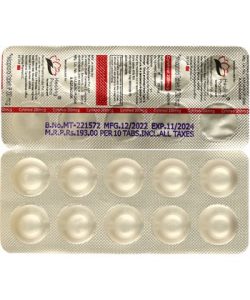
Cytotec
from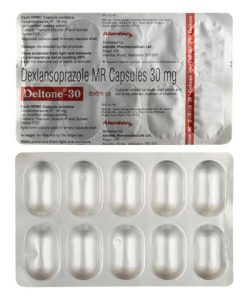
Dexilant
from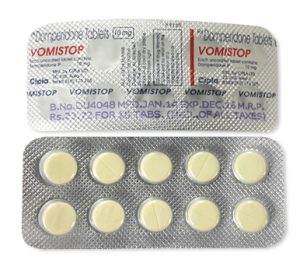
Domperidone
from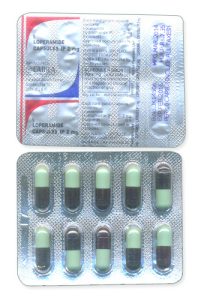
Imodium
from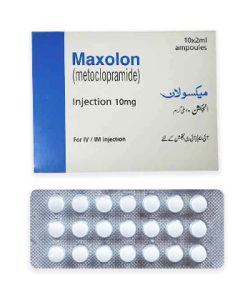
Maxolon
from
Mezavant
from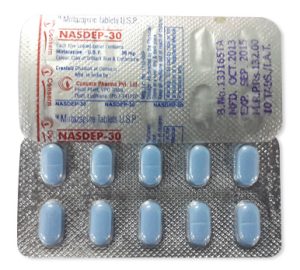
Mirtazapine
from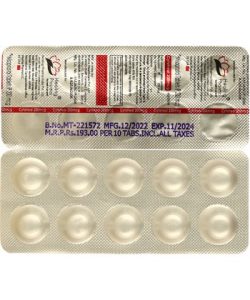
Misoprostol
from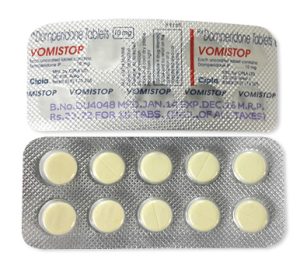
Motilium
from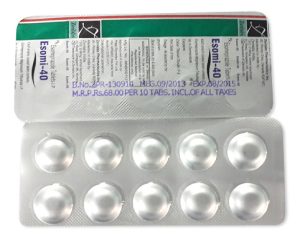
Nexium
from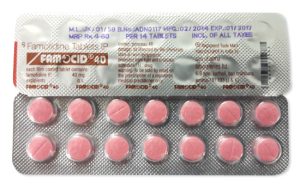
Pepcid
from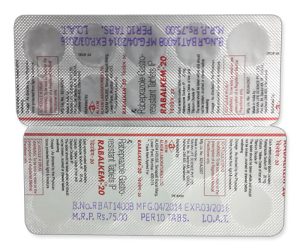
Rabeprazole
from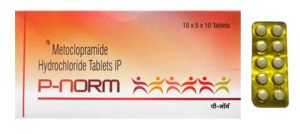
Reglan
from
Zantac
fromAcid Reflux and Heartburn Relief
Acid reflux occurs when stomach acid flows back into the oesophagus, causing discomfort and burning sensations. This common condition affects many Australians and can range from occasional heartburn to chronic gastro-oesophageal reflux disease (GORD).
What It’s Used For
Acid reflux medications help neutralise stomach acid or reduce its production, providing relief from heartburn, regurgitation, and chest discomfort. These treatments are essential for preventing long-term complications and improving quality of life.
Available Medications in Australia
Popular antacids include Gaviscon, Rennie, and Quickeze, which provide rapid relief by neutralising acid. Proton pump inhibitors such as Omeprazole and Pantoprazole reduce acid production and are available both over-the-counter and on prescription. H2-receptor antagonists like Ranitidine offer another option for acid suppression. Many of these medications are listed on the Pharmaceutical Benefits Scheme (PBS), making them affordable for eligible patients.
- Antacids for immediate relief
- Proton pump inhibitors for long-term management
- H2-receptor antagonists as an alternative option
- PBS-listed medications for cost-effective treatment
Additional Information
Lifestyle modifications alongside medication significantly improve outcomes. Avoiding trigger foods, eating smaller meals, and not lying down immediately after eating can reduce symptoms. If heartburn persists despite medication, consult your healthcare provider for further evaluation.
Constipation and Digestive Support
Constipation is a prevalent digestive issue characterised by infrequent or difficult bowel movements. It can result from dietary factors, dehydration, sedentary lifestyle, or certain medications.
What It’s Used For
Constipation treatments work by softening stool, increasing bowel movements, or lubricating the digestive tract. These products help restore regular bowel function and alleviate discomfort associated with straining and blockages.
Available Medications in Australia
Stool softeners like Coloxyl and liquid paraffin provide gentle relief, whilst osmotic laxatives such as Movicol and Polyethylene Glycol draw water into the bowel. Stimulant laxatives including Senokot work more rapidly for acute cases. Fibre supplements like Metamucil and Benefibre add bulk to stools naturally. Probiotic products such as Culturelle and Bio-K+ support healthy gut bacteria and improve digestive regularity.
- Stool softeners for gentle relief
- Osmotic laxatives to increase bowel movement
- Stimulant laxatives for acute constipation
- Fibre supplements for natural bulk
- Probiotic products for gut health
Additional Information
Prevention is better than treatment. Increasing fibre intake gradually, drinking adequate water, and regular physical activity can prevent constipation naturally. Chronic constipation may indicate underlying health issues, so persistent symptoms warrant medical consultation.
Diarrhoea and Stomach Upset Management
Diarrhoea can be acute or chronic and may result from infections, food intolerances, medications, or inflammatory bowel conditions. Quick treatment helps prevent dehydration and restores digestive comfort.
What It’s Used For
Anti-diarrhoeal medications reduce intestinal movement, decrease fluid loss, and restore normal bowel function. These treatments are crucial during acute episodes to prevent complications and maintain electrolyte balance.
Available Medications in Australia
Imodium, containing loperamide, is widely used for acute diarrhoea relief. Bismuth subsalicylate products like Pepto-Bismol reduce inflammation and bacterial activity. Oral rehydration solutions such as Hydralyte and Gastrolyte replace lost fluids and electrolytes effectively. Probiotics help restore beneficial gut bacteria disrupted by infection or antibiotics.
- Loperamide-based products for acute diarrhoea
- Bismuth subsalicylate for inflammation reduction
- Oral rehydration solutions for electrolyte replacement
- Probiotics to restore healthy gut bacteria
Additional Information
Mild diarrhoea often resolves independently with proper hydration and rest. However, severe or persistent diarrhoea lasting more than a few days requires medical attention. Avoid dairy and high-fibre foods during recovery, and gradually reintroduce normal foods as symptoms improve.
Nausea, Vomiting, and Motion Sickness
Nausea and vomiting can arise from various causes including infections, medications, pregnancy, chemotherapy, or motion sickness. These symptoms significantly impact daily functioning and nutritional intake.
What It’s Used For
Anti-nausea medications work by blocking signals in the brain that trigger vomiting or by calming stomach movement. These treatments prevent dehydration, allow medication absorption, and enable proper nutrition maintenance.
Available Medications in Australia
Metoclopramide improves stomach emptying and reduces nausea effectively. Ondansetron, available on prescription, works well for chemotherapy-induced nausea and post-operative sickness. Prochlorperazine is effective for general nausea management. Over-the-counter options include ginger supplements and peppermint products, which provide natural relief. Travel sickness patches containing scopolamine prevent motion-induced nausea before travel begins.
- Metoclopramide for stomach emptying
- Ondansetron for chemotherapy-related nausea
- Prochlorperazine for general nausea
- Natural options including ginger and peppermint
- Scopolamine patches for motion sickness prevention
Additional Information
Ginger tea, small frequent meals, and fresh air provide natural relief alongside medications. Pregnant women should consult healthcare providers before using anti-nausea medications, as safety varies. Persistent vomiting lasting more than a few hours needs medical evaluation.
Inflammatory Bowel Conditions
Inflammatory bowel diseases including Crohn’s disease and ulcerative colitis cause chronic inflammation of the digestive tract. These conditions require ongoing management to control symptoms and prevent complications.
What It’s Used For
Anti-inflammatory medications reduce gut inflammation, suppress immune responses, and promote tissue healing. These treatments manage painful symptoms, reduce flare-ups, and improve nutritional absorption and quality of life.
Available Medications in Australia
Mesalamine preparations like Pentasa and Asacol reduce bowel inflammation directly. Corticosteroids including prednisolone control acute inflammation, though long-term use requires careful monitoring. Immunosuppressants such as azathioprine help maintain remission. Biological therapies including TNF-alpha inhibitors represent newer treatment options available through PBS for eligible patients. 5-ASA compounds address mild to moderate inflammation effectively.
- Mesalamine preparations for direct inflammation reduction
- Corticosteroids for acute inflammation management
- Immunosuppressants for remission maintenance
- Biological therapies as newer treatment options
- 5-ASA compounds for mild to moderate cases
Additional Information
Inflammatory bowel disease management requires ongoing specialist care and regular monitoring. Dietary modifications, stress reduction, and medication adherence significantly improve outcomes. Support groups and educational resources help patients manage their condition effectively and cope with psychological impacts.
Bloating, Gas, and Digestive Comfort
Bloating and excessive gas cause discomfort, distension, and embarrassment. These symptoms result from food intolerances, swallowing air, or bacterial fermentation in the intestines.
What It’s Used For
Anti-bloating products reduce gas production, improve digestion, and ease uncomfortable abdominal distension. These treatments enhance comfort and allow normal social functioning without digestive distress.
Available Medications in Australia
Simethicone products like Mylanta Gas break down gas bubbles for easy elimination. Lactase supplements help digest dairy products when lactose intolerance causes bloating. Beano and similar alpha-galactosidase products reduce gas from complex carbohydrates. Peppermint oil capsules relax intestinal muscles and improve gas movement. Probiotics restore digestive bacteria balance naturally. Activated charcoal absorbs excess gas before it causes discomfort.
- Simethicone products to break down gas bubbles
- Lactase supplements for dairy digestion
- Alpha-galactosidase products for carbohydrate-related gas
- Peppermint oil capsules for intestinal muscle relaxation
- Probiotics for bacteria balance restoration
- Activated charcoal for gas absorption
Additional Information
Identifying trigger foods through diet journals helps prevent bloating naturally. Eating slowly, chewing thoroughly, and avoiding carbonated drinks reduce gas intake. Regular meals and physical activity support healthy digestion. Persistent bloating may indicate food intolerances or underlying conditions requiring investigation.