Imodium
In brief
- In our pharmacy you can buy imodium without a prescription; it is available over the counter at pharmacies in Australia (TGA: Pharmacy-Only) and commonly sold in discreet packaging.
- Imodium is used to treat acute nonspecific diarrhoea, chronic diarrhoea (eg. IBS-related) and to reduce ileostomy output; it works peripherally at gut μ‑opioid receptors to slow intestinal motility and increase stool consistency.
- Usual dose for adults: 4 mg initially, then 2 mg after each loose stool (maximum 16 mg/day). Children (age-dependent): usually 2 mg initially then 1 mg after each loose stool (maximum about 6 mg/day); contraindicated under 2 years.
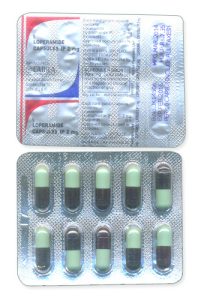
- Oral administration: tablets and capsules (typically 2 mg), oral solution (1 mg/5 mL) and orally disintegrating films are available.
- Onset: typically begins to work within about 1–2 hours after taking a dose.
- Duration of action: each dose reduces bowel motility for several hours and effects may persist for up to 24 hours depending on dose and individual response.
- Alcohol warning: avoid excessive alcohol while taking imodium as it can increase dizziness and worsen side effects; use caution with other CNS depressants.
- The most common side effects are constipation, abdominal cramps and nausea; rarer but serious effects include severe constipation/toxic megacolon and cardiac arrhythmias in overdose.
- Would you like to try imodium without a prescription?
Critical Warnings, Restrictions And Patient Protection (Australia)
Basic Imodium Information
- INN (International Nonproprietary Name): Loperamide
- Brand Names Available In Australia: Imodium; Gastro-Stop; generic loperamide from suppliers such as Perrigo and Teva
- ATC Code: A07DA03
- Forms & Dosages: Tablets 2 mg; Capsules 2 mg; Oral solution 1 mg/5 mL; Orally disintegrating film 2 mg (market dependent)
- Manufacturers In Australia: Johnson & Johnson (Imodium brand internationally), Perrigo and Teva supply generics; local suppliers vary
- Registration Status In Australia: Registered With The TGA As A Pharmacy Medicine (Pharmacy‑Only)
- OTC / Rx Classification: Pharmacy‑Only OTC for most adult packs; certain paediatric packs or larger/special packs may have additional controls or require pharmacy counselling
Patients often ask: is loperamide safe for everyone?
Prioritise safety first when recommending or using loperamide.
Loperamide is TGA‑registered as a Pharmacy Medicine, but it is absolutely contraindicated in a number of situations and carries serious overdose risks.
Do not give loperamide to children under 2 years because of documented respiratory and cardiac risks in that age group.
Avoid loperamide if there is bloody diarrhoea, a high fever, suspected invasive bacterial enterocolitis, acute ulcerative colitis, or suspected Clostridioides difficile infection.
Recent regulatory advisories recommend limiting access to large unit‑dose blister packs to reduce intentional overdose risk.
- Checklist — Absolute Contraindications: Age under 2 years; bloody stools; high fever; suspected invasive bacterial enterocolitis; acute ulcerative colitis; suspected C. difficile infection; known hypersensitivity to loperamide.
| Red Flag | Action |
|---|---|
| Severe abdominal pain | Stop loperamide and seek urgent medical review or ED |
| Persistent high fever | Urgent medical assessment; do not treat with loperamide alone |
| Bloody stools | Do not use loperamide; arrange urgent review |
| Marked abdominal distension or signs of ileus | Stop drug and seek urgent care |
| Severe vomiting, fainting or breathlessness | Emergency Department |
Safety actions for patients include stopping loperamide and seeking urgent medical review if any red flags appear.
Store medicines out of reach of children and keep below 25°C, and do not freeze oral liquids.
Pharmacy staff should document counselling, verify the patient’s age and comorbidities, and advise when Emergency Department care is required.
High‑Risk Groups (Elderly, Pregnancy, Chronic Illness)
Who should take extra care when using loperamide?
Elderly patients are at increased risk of severe constipation, paralytic ileus and confusion when taking loperamide.
Consider lower dosing and close monitoring of bowel function in older adults.
Loperamide is mainly excreted in faeces but undergoes hepatic metabolism, so accumulation can occur in liver impairment; use lower dosing in hepatic disease.
Pregnancy and breastfeeding data are limited in humans.
Use loperamide in pregnancy only if benefits outweigh risks and after discussion with a GP or obstetrician.
During breastfeeding there is small systemic exposure; monitor the infant for sedation or changes in feeding.
Chronic illness: avoid loperamide during inflammatory bowel disease flares such as acute ulcerative colitis and in invasive bacterial enterocolitis.
Patients with cardiac rhythm disorders or those taking QT‑prolonging medicines need cardiology or pharmacist review because high plasma levels or interactions can cause arrhythmias.
- Monitoring Steps: Check age, liver disease, cardiac history, concurrent medicines (especially CYP3A4/CYP2C8/P‑gp inhibitors), bowel movements and signs of infection.
- High‑Risk Conditions
- Age under 2 years; hepatic impairment; known cardiac arrhythmia or prolonged QT; active IBD flare; recent antibiotic use with diarrhoea suggesting C. difficile.
Interaction With Activities (Driving, Workplace Safety Under Australian Law)
Can loperamide affect my ability to drive or work?
Loperamide can cause dizziness, drowsiness and blurred vision in some people.
Australian workplace safety laws require employees to be fit for safety‑critical tasks, so avoid heavy machinery or driving until you know how loperamide affects you.
Concurrent central nervous system depressants such as alcohol, benzodiazepines and opioids may increase sedation and respiratory depression risk.
- Checklist For Patient Handout: Do not drive if you feel dizzy, drowsy or have blurred vision.
- Wait to perform safety‑critical work until you are certain you are unimpaired.
- Avoid alcohol while taking loperamide.
- Inform your employer if you perform safety‑sensitive duties and have been advised to avoid operating machinery.
Q&A — “Can I Drive After Taking It In Australia?”
Short answer: Only if you feel fully alert and unimpaired.
If you experience dizziness, drowsiness or blurred vision, do not drive or operate heavy machinery.
When in doubt, wait until symptoms resolve and consult your pharmacist or GP.
Usage Basics
What forms of loperamide are commonly used and how is it classified?
INN: Loperamide.
Common brands include Imodium globally and Gastro‑Stop in Australia, with products typically as 2 mg tablets or capsules and a 1 mg/5 mL oral solution for children where permitted.
Orally disintegrating films exist in some international markets.
ATC code is A07DA03 (antipropulsives).
The TGA registers loperamide as a Pharmacy Medicine (Pharmacy‑Only) in Australia.
Some paediatric packs or unusual pack sizes may have specific age restrictions or require pharmacist counselling.
Most OTC loperamide products are not routinely PBS‑subsidised; check PBS listings for special circumstances.
| Trade Name | Form | Typical Australian Availability |
|---|---|---|
| Imodium | Capsules/Tablets 2 mg; Oral solution 1 mg/5 mL | Major pharmacies, OTC Pharmacy‑Only |
| Gastro‑Stop | Capsules 2 mg | Australian pharmacy brands, OTC |
| Generic Loperamide | Tablets/Capsules 2 mg | Wide availability through chains and independents |
- Regulatory Points: TGA status — Pharmacy‑Only; PBS — generally not subsidised; packing variants include blisters of 6, 12 or 24 units and oral solution bottles.
INN, Brand Names Available In Australia
Which brands will pharmacists commonly see?
Key Australian names and forms include Imodium and Gastro‑Stop, mainly as 2 mg capsules or tablets and an oral solution 1 mg/5 mL for paediatric use where allowed.
Packaging commonly comes in blisters of 6, 12 or 24 units; pharmacies also stock generic loperamide supplied by Perrigo, Teva and other manufacturers.
Pharmacists should confirm product strength — 2 mg per tablet/capsule and 1 mg/5 mL for the oral solution — before advising dosing.
- Chains that commonly stock Imodium and generics: Chemist Warehouse, Priceline, TerryWhite Chemmart and independent community pharmacies.
- Online pharmacy availability and telehealth e‑prescriptions increase access for regional patients.
Dosing Guide
How should loperamide be dosed for common conditions?
Adult acute diarrhoea: initial dose 4 mg (two 2 mg tablets), then 2 mg after each loose stool, maximum 16 mg in 24 hours.
For chronic diarrhoea or IBS, start at about 4 mg/day and titrate to effect under clinician supervision, with a usual maximum of 16 mg/day.
Paediatric dosing is reduced by age and weight; typical older‑child regimen is 2 mg initial then 1 mg after each loose stool with lower maximums depending on age and pack labelling.
Do not use in children under 2 years.
| Condition | Starting Dose | Maintenance | Max/Day |
|---|---|---|---|
| Acute Adult Diarrhoea | 4 mg initially | 2 mg after each loose stool | 16 mg |
| Chronic Diarrhoea / IBS | 4 mg/day then titrate | Titrate to effect under supervision | 16 mg |
| Older Children (where permitted) | 2 mg initially | 1 mg after each loose stool | Age‑dependent lower maxima |
- Stop / Reassess Criteria: No improvement within 48 hours; blood in stool; high fever; worsening symptoms.
Standard Regimens (PBS Reference Dosing)
What should pharmacists tell customers in counselling?
For acute adult diarrhoea advise an initial 4 mg dose, then 2 mg after each loose stool with a maximum of 16 mg in 24 hours.
If there is no improvement within 48 hours or symptoms worsen, discontinue and seek medical review.
For chronic diarrhoea document the indication (for example IBS) and start at a low dose, titrating with clinician follow up.
For ileostomy patients dosing commonly begins at 4 mg then is titrated to reduce stoma output under clinical supervision.
In paediatrics follow national and state guidance and pack labelling for age cutoffs and weight‑based dosing.
Q&A — “What If I Miss A Dose?”
Take the missed dose as soon as you remember if diarrhoea persists.
Do not double up doses.
For as‑needed use, resume the usual regimen but do not exceed 16 mg in 24 hours for adults.
Dosing Adjustments For Comorbidities
How do age, liver or kidney disease and interactions change dosing?
Children under 2 years are contraindicated from using loperamide due to safety risks.
Ages 2–12 require weight‑based reductions and pharmacy or GP oversight according to local guidance.
Elderly patients have no formal pharmacokinetic adjustment but are at higher risk of constipation and ileus; consider lower dosing and monitoring.
Hepatic impairment requires dose reduction and increased monitoring because reduced metabolism may increase systemic exposure.
Renal impairment generally does not need adjustment because faecal excretion predominates.
Concomitant P‑gp, CYP3A4 or CYP2C8 inhibitors — such as certain azole antifungals, macrolide antibiotics or protease inhibitors — can raise loperamide plasma levels and increase cardiac and CNS risk; avoid or monitor closely.
- Interacting Drug Classes: Strong CYP3A4 inhibitors (e.g. ketoconazole), macrolides (e.g. clarithromycin), protease inhibitors (e.g. ritonavir), strong P‑gp inhibitors, and other QT‑prolonging medicines.
| Comorbidity | Adjustment |
|---|---|
| Children <2 years | Contraindicated |
| Liver Impairment | Use lower dose and monitor |
| Renal Impairment | No routine adjustment |
| Elderly | Start low, monitor bowel function |
Interaction Chart
Which medicines increase risk when taken with loperamide?
Inhibitors of CYP3A4, CYP2C8 and P‑glycoprotein can raise systemic loperamide levels and increase the risk of cardiac arrhythmias and central effects.
Examples include clarithromycin, ketoconazole, ritonavir and other strong P‑gp inhibitors.
Alcohol and other CNS depressants increase sedation and the risk of respiratory depression.
| Interacting Agent | Mechanism | Clinical Advice |
|---|---|---|
| Clarithromycin | CYP3A4 inhibitor | Avoid combination; seek specialist/pharmacist advice |
| Ketoconazole | CYP3A4 + P‑gp inhibitor | Avoid or monitor closely; reduce dose |
| Ritonavir | Protease inhibitor, CYP and P‑gp interaction | Do not co‑administer without specialist input |
| Alcohol | CNS depressant | Avoid while taking loperamide |
- Common OTC Interactions: Sedating antihistamines and sleep aids can add to drowsiness; counsel patients to avoid these with loperamide until they know their reaction.
- Pharmacist Screening Checklist: Check current medicines for macrolides, azoles, protease inhibitors, P‑gp inhibitors and QT‑prolonging agents.
Food And Drinks (Alcohol, Coffee, Australian Diet Context)
Are there food or drink considerations while using loperamide?
Avoid alcohol while taking loperamide because of additive CNS and respiratory depression effects.
Caffeine or coffee does not change loperamide levels but caffeine can aggravate diarrhoea depending on the cause.
For travellers, emphasise rehydration with oral rehydration solutions, food safety and early GP review for persistent symptoms.
In tropical or traveller’s diarrhoea, warn that loperamide can mask severity and should not be used when febrile or if bloody diarrhoea is present.
- Traveller Checklist: Carry oral rehydration salts, practise hand and food hygiene, use loperamide for symptom relief in appropriate non‑febrile cases, seek medical care if fever or blood in stool.
User Reports & Trends (Australian Perspective)
What do Australian users say about loperamide?
Online consumer channels such as ProductReview, pharmacy feedback and health forums report effective short‑term control of travel and acute diarrhoea as a common positive outcome.
Common complaints include constipation and occasional dizziness, and consumers often compare prices between brand and generic loperamide.
Price sensitivity in Australia drives preference for generics and pharmacy specials.
Rural patients report access differences where smaller community pharmacies and telehealth e‑prescribing help but stock choices may be narrower.
Major chains like Chemist Warehouse, Priceline and TerryWhite Chemmart typically carry both branded and generic options and promotions influence selection.
- Common Patient Complaints: Constipation, delayed onset in some cases, concerns about interactions with other meds.
- Positive Outcomes: Rapid symptom relief when used appropriately for non‑infective diarrhoea.
| Setting | Access | Typical Behaviour |
|---|---|---|
| Urban | Wide availability, many brand/generic choices | Price comparison, brand loyalty |
| Rural | Variable stock, telehealth helpful | May order online or use local pharmacy alternatives |
Access & Purchase Options In Australia
Where can patients buy loperamide and what checks apply?
Loperamide is available over‑the‑counter via pharmacies as a TGA Pharmacy‑Only medicine.
Major chains stock Imodium, Gastro‑Stop and generic loperamide and online pharmacies also supply OTC packs with age verification at purchase.
Telehealth can provide e‑prescriptions for prescription‑only formulations if required, and many online pharmacies ship within Australia subject to pharmacy checks.
Most OTC loperamide products are not PBS‑subsidised; check PBS for any specific listings or special authority supplies.
In our online pharmacy, imodium is available without a prescription, with discreet delivery to Australia in 9-21 days.
| Purchase Route | Pros | Cons |
|---|---|---|
| In‑store Pharmacy | Immediate supply, pharmacist counselling | Limited to store hours |
| Online Pharmacy | Convenience, discreet delivery | Delivery time, age verification required |
| GP Prescription | Useful for special formulations or documentation | Requires appointment, may not be necessary for OTC packs |
- Pharmacist Checklist When Dispensing: Verify age, confirm indication, ask about pregnancy/breastfeeding and check recent antibiotics or symptoms that suggest C. difficile.
Mechanism & Pharmacology (Clear, Consumer‑Friendly)
How does loperamide work in plain language?
Loperamide acts on peripheral mu‑opioid receptors in the gut to slow intestinal movement and increase fluid absorption, which firms stools and reduces frequency.
At usual doses it has minimal central opioid effects because P‑glycoprotein pumps prevent significant entry into the brain.
It is a synthetic phenylpiperidine related to diphenoxylate and is primarily excreted in faeces after hepatic metabolism.
- Quick Definitions:
- Mechanism: Peripheral μ‑opioid receptor agonist in the gut.
- Onset: Often within hours for acute diarrhoea symptom relief.
- Peak Effect: Varies with form; tablets and capsules act rapidly after absorption.
- Excretion: Mainly faecal; hepatic metabolism important for dosing in liver disease.
Consider adding a simple diagram in patient leaflets showing slowed transit and increased absorption as an aid to understanding.
Indications & Off‑Label Uses (Australian Clinical Practice)
When is loperamide appropriate and when is it not?
Approved indications include acute nonspecific diarrhoea in appropriate age groups, chronic diarrhoea in adults including IBS, and reduction of ileostomy output.
Off‑label uses may include symptomatic control in selected chronic diarrhoeal conditions under specialist guidance.
Avoid loperamide in suspected invasive bacterial diarrhoea, C. difficile colitis or acute ulcerative colitis — these are absolute contraindications.
| Indication | Typical Regimen | Australian Note |
|---|---|---|
| Acute Nonspecific Diarrhoea | 4 mg initially, then 2 mg after loose stool | OTC for eligible ages; stop if febrile or bloody stool |
| Chronic Diarrhoea / IBS | Start 4 mg/day and titrate | Use under clinician supervision |
| Ileostomy Output Reduction | 4 mg initial then titrate | Prescriber oversight recommended |
- Red Flags That Preclude Use: Fever, bloody diarrhoea, severe abdominal pain without diarrhoea, recent antibiotic‑associated diarrhoea suggestive of C. difficile.
Key Clinical Findings (Australia & International, 2022–2026)
What does recent evidence and regulation say?
Loperamide remains supported for short‑term symptomatic relief of acute nonspecific diarrhoea and for symptom control in chronic diarrhoea and IBS when used correctly.
Safety signals since 2018 have emphasised misuse and cardiac risk at very high doses or when combined with interacting drugs.
Regulatory advisories recommend packaging and access controls such as restricting large unit‑dose blister packs to reduce overdose risk.
Australian clinical practice highlights the pharmacist counselling role and regional differences in access.
- Key advisories have focused on overdose, cardiac arrhythmias and limiting pack sizes.
- Clinical trials continue to support symptomatic benefit when used appropriately.
| Year | Safety Warning / Finding |
|---|---|
| 2018–2026 | Regulatory advisories on overdose risk and packaging controls; reaffirmed contraindications for invasive or febrile diarrhoea |
Alternatives Matrix
What else can be used instead of loperamide?
| Drug | OTC / Rx | Pros | Cons |
|---|---|---|---|
| Diphenoxylate/Atropine (Lomotil) | Rx | Effective antidiarrhoeal | Opioid effects, prescription only |
| Racecadotril (Hydrasec) | Rx/OTC overseas | Antisecretory, less constipating | Not widely available OTC in Australia |
| Bismuth Subsalicylate | OTC (varies by market) | Useful for traveller’s diarrhoea | Not always available OTC in Australia; salicylate caution |
| Probiotics | OTC | Supportive, helpful in some infectious diarrhoeas | Variable evidence and product quality |
- Checklist For Choice: Speed of action, constipation risk, prescription requirement, suitability for children, interaction profile.
Price & Access Comparison (Table & Checklist)
Who usually has the best price and how should consumers decide?
| Source | Typical Price Range | PBS Subsidy | Prescription Requirement |
|---|---|---|---|
| Chemist Warehouse | Lower (brand promotions, generics) | Usually none | OTC packs — no |
| Priceline | Mid range | Usually none | OTC packs — no |
| TerryWhite Chemmart | Varies by pack | Usually none | OTC packs — no |
| Independent Pharmacy | Varies | Usually none | OTC packs — no |
| Online Pharmacy | Competitive, may include delivery | Usually none | OTC packs — no; prescription forms via e‑prescription |
- Access Checklist For Pharmacy Staff: Verify age, pregnancy status, symptoms, recent antibiotics (C. difficile risk), and concurrent medications.
Registration, Regulation And Pharmacy Practice (TGA & PBS)
What are the regulatory responsibilities for pharmacists in Australia?
The TGA classifies loperamide as a Pharmacy Medicine (Pharmacy‑Only) with product labels that may specify age cutoffs and pack sizes.
Most OTC loperamide is not listed on the PBS; hospital or special supplies may be covered in specific circumstances.
Pharmacists must screen for contraindications, counsel on dosing and red flags, document supply when indicated and escalate to a GP or ED if red flags are present.
- Pharmacist Responsibilities: Check age, ask about fever/blood in stool, verify liver disease and cardiac meds, advise on maximum daily dose and when to seek care.
Storage, Handling And Disposal (Australian Climate)
How should patients and pharmacies store loperamide in Australia’s climate?
Store below 25°C and protect from moisture and heat.
Do not freeze oral liquids and keep all forms out of reach of children.
In hot or humid Australian summers, advise patients to keep medicines in cool, dry places and not in cars or gloveboxes.
Pharmacies should check oral solution integrity and follow local requirements for storage conditions.
Disposal: return expired or unused medicines to a pharmacy for appropriate pharmaceutical waste handling; do not flush medicines down the toilet.
- Household Storage Checklist: Keep in original container, cool spot away from direct sunlight, out of reach of children, do not store in bathrooms.
Guidelines For Proper Use & Pharmacist Counselling (PBS/National Bodies)
What should pharmacists cover during counselling?
Confirm age, symptoms and duration, ask about fever or blood in the stool, check pregnancy/breastfeeding status, liver disease, cardiac history and current medicines especially CYP3A4, CYP2C8 and P‑gp inhibitors.
Provide clear dosing instructions: initial 4 mg then 2 mg after each loose stool; maximum 16 mg/day for adults.
Advise on rehydration and when to stop and seek review — no improvement in 48 hours or appearance of red flags.
Warn about constipation and interactions and provide written information when possible.
- Sample Pharmacist Script: “This product is loperamide 2 mg tablets. Take two tablets now, then one tablet after each loose stool up to a maximum of eight tablets in 24 hours. Stop and see a GP if you have a fever, blood in the stool, or no improvement in 48 hours.”
Document the supply in patient records when required and align advice with PBS and national guidance.
Delivery Across Australia
| City | Region | Delivery Time |
|---|---|---|
| Sydney | New South Wales | 9-14 days |
| Melbourne | Victoria | 9-14 days |
| Brisbane | Queensland | 9-14 days |
| Perth | Western Australia | 9-14 days |
| Adelaide | South Australia | 9-14 days |
| Canberra | Australian Capital Territory | 9-14 days |
| Hobart | Tasmania | 9-14 days |
| Darwin | Northern Territory | 14-21 days |
| Gold Coast | Queensland | 9-14 days |
| Newcastle | New South Wales | 14-21 days |
| Wollongong | New South Wales | 14-21 days |
| Geelong | Victoria | 14-21 days |
| Cairns | Queensland | 14-21 days |
| Townsville | Queensland | 14-21 days |