Rabeprazole
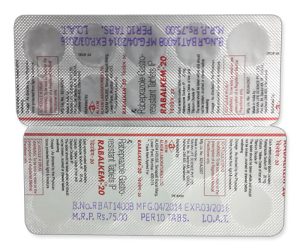
In brief
- In our pharmacy, you can buy rabeprazole without a prescription, available for delivery across Australia in 3–10 days with discreet, anonymous packaging.
- Rabeprazole is used to treat gastro-oesophageal reflux disease (GERD), duodenal and gastric ulcers, H. pylori eradication (as part of combination therapy) and Zollinger–Ellison syndrome; it is a proton pump inhibitor prodrug that is activated in gastric parietal cells and irreversibly inhibits the H+/K+ ATPase to reduce gastric acid secretion.
- The usual adult dose is 20 mg once daily for GERD and most ulcers; for H. pylori eradication 20 mg twice daily with antibiotics for 7–14 days; Zollinger–Ellison often starts at 60 mg daily and is titrated individually.
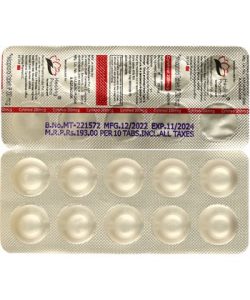
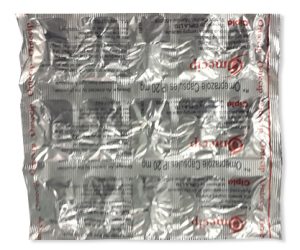
- Administered orally as enteric‑coated tablets (commonly 10 mg and 20 mg); granules/suspensions are available in some markets for paediatric use and co‑pack kits may be used for H. pylori therapy.
- Rabeprazole begins to reduce stomach acid within about 1 hour and often has a faster onset of acid suppression than some other PPIs, though symptomatic relief may take longer.
- The duration of action is approximately 24 hours per dose; maximal antisecretory effect develops over several days of continuous dosing.
- There is no specific alcohol contraindication, but avoid heavy alcohol use because it can worsen reflux and gastric irritation and may impede healing.
- The most common side effect is diarrhoea.
- Would you like to try rabeprazole without a prescription?
Basic Rabeprazole Information
- INN (International Nonproprietary Name): Rabeprazole
- Brand Names Available In Australia: Rabeprazole is marketed globally under names such as AcipHex, Pariet and Rabicip, with typical 10 mg and 20 mg enteric‑coated tablet presentations mentioned in international product listings.
- ATC Code: A02BC04 for rabeprazole monotherapy and A02BD12/13 where used in H. pylori eradication combinations.
- Forms & Dosages: Enteric‑coated tablets 10 mg and 20 mg are the most common forms; granules or suspensions exist in some markets for paediatric use; co‑packaged kits for H. pylori eradication are available in select regions.
- Manufacturers In Australia: Specific Australian sponsors and local manufacturers should be checked via TGA ARTG; global manufacturers with rabeprazole products include Eisai, Janssen, Dr Reddy’s, Sun Pharma, Sandoz, Torrent, Hikma and Mylan.
- Registration Status In Australia: Rabeprazole is a prescription medicine in most regulatory jurisdictions; confirm current Australian TGA ARTG entries and sponsor details before publication.
- OTC / Rx Classification: Prescription only (Rx) in nearly all regulatory agencies due to proton pump inhibitor class safety considerations.
Critical Warnings And Restrictions
Who Should Be Cautious About Rabeprazole?
Rabeprazole is a prescription proton pump inhibitor and patient safety must be the priority.
Do not use rabeprazole in anyone with known hypersensitivity to rabeprazole or substituted benzimidazoles.
Use specialist input and careful consideration for people who are pregnant or breastfeeding, and only use if benefits outweigh risks.
Elderly patients can be more sensitive to effects and require closer monitoring for some adverse events.
Severe hepatic impairment may require dose reduction and closer monitoring of adverse effects and exposure.
Patients who are immunocompromised or who have recently used antibiotics have a higher risk of Clostridioides difficile infection and should be flagged.
Baseline checks for long‑term therapy should include magnesium, vitamin B12 and an assessment of bone health.
Rural and remote patients need clear plans for local pathology access and follow‑up when starting long‑term therapy.
- Document baseline magnesium, B12 and bone health if continuing therapy long term.
- Arrange local pathology access for rural patients before initiating prolonged treatment.
- Consider specialist or GP review for dose reduction in severe hepatic impairment.
- Review immunocompromised status and recent antibiotic use prior to starting therapy.
- Monitor elderly patients for hypomagnesaemia, B12 deficiency and fracture risk during prolonged use.
Consent And Safety Counselling Checklist
- Confirm history of drug allergy to PPIs or benzimidazole derivatives.
- Discuss pregnancy and breastfeeding status and document clinician advice.
- Outline the need for baseline blood tests (magnesium, B12) for long‑term use.
- Advise on signs of serious adverse effects (severe diarrhoea, rash, jaundice) and how to report them.
- Ensure a follow‑up plan is documented, especially in rural or remote settings.
High‑Risk Groups
Elderly patients require regular review even when standard dosing is used because sensitivity and cumulative risk for hypomagnesaemia, bone fracture and B12 deficiency increase with age.
Pregnant or breastfeeding people should only use rabeprazole if the prescriber judges benefits outweigh the limited safety data; specialist advice is recommended.
People with chronic liver disease need dose adjustments or alternative therapy and should have specialist review.
Immunocompromised patients and those recently treated with antibiotics should be counselled on the increased risk of C. difficile infection.
Interaction With Activities
Concerned About Driving Or Workplace Safety?
Rabeprazole may cause dizziness or blurred vision in some people, which can affect the ability to drive or operate machinery.
Under Australian workplace and road safety laws, employees and drivers must not perform safety‑critical tasks while impaired by medication.
Pharmacists should counsel patients to trial the medication at home and document the advice in patient records.
Safety‑critical workers should seek immediate GP review before continuing work if they experience adverse effects that could impair performance.
- Safety‑Critical Roles
- Heavy vehicle drivers.
- Pilots and aircrew.
- Operators of high‑risk industrial machinery.
- People working at heights or in confined spaces.
Workplace Advice Checklist
- Counsel the patient to observe for dizziness or blurred vision when starting treatment.
- Advise avoiding driving or heavy machinery until the effect of the dose is known.
- Document the counselling in the patient record.
- Recommend GP or occupational health review for safety‑critical workers before resuming duties if symptoms occur.
Q&A — Can I Drive After Taking It In Australia?
Most people can drive normally after taking rabeprazole, but if you experience dizziness, drowsiness or blurred vision, do not drive or operate machinery.
If you hold a commercial licence or work in a safety‑critical job, check with your GP or employer before driving.
Usage Basics
INN And Brand Names Available In Australia
What Names Might You See On A Prescription?
INN: rabeprazole.
Global brand names include AcipHex, Pariet and Rabicip, and many generics from manufacturers such as Eisai, Janssen, Dr Reddy’s and others are listed in international product information.
Tablets are typically enteric‑coated and most commonly supplied as 10 mg and 20 mg strengths.
| Brand | Typical Strengths |
|---|---|
| AcipHex | 10 mg, 20 mg enteric‑coated tablets |
| Pariet | 10 mg, 20 mg tablets |
| Rabicip / Generic | 10 mg, 20 mg tablets |
- Check local pharmacy stocklists at Chemist Warehouse, Priceline and TerryWhite Chemmart for availability.
- Use keywords such as “Rabeprazole tablets Australia” and “Rabeprazole 20mg Australia” for consumer content and SEO.
Legal Classification
Rabeprazole is a prescription‑only medicine across major regulators and is classified as Rx in product literature.
Confirm the current TGA ARTG entry and sponsor details before publishing patient information.
PBS subsidy status for rabeprazole products can vary and may be restricted to specific indications or authority requirements.
For telehealth and e‑prescriptions, counsel patients about local dispensing limits and rural access differences.
Pre‑Publication Checklist For TGA And PBS
- Verify TGA ARTG entry and product sponsor via the TGA database.
- Check PBS listing status and any authority or restriction codes.
- Confirm current product information (PI) for formulation and dosing.
Dosing Guide
Standard Regimens
What Dose Will The GP Usually Prescribe?
| Indication | Dose | Duration |
|---|---|---|
| GERD | 20 mg once daily | 4–8 weeks |
| Duodenal Ulcer | 20 mg once daily | 4 weeks |
| H. pylori Eradication (Triple Therapy) | 20 mg twice daily with antibiotics | 7–14 days |
| Zollinger‑Ellison Syndrome | Starting 60 mg daily and titrate | Individualised |
- Tablets are enteric‑coated; swallow whole and follow prescriber instructions.
- Complete the full antibiotic course for H. pylori when prescribed with rabeprazole.
- If symptoms persist or recur, the prescriber may repeat an 4–8 week course or adjust therapy.
Adjustments For Comorbidities
Renal impairment does not usually require routine dose adjustment for mild to moderate disease, but assess individual risk in severe cases.
Reduce the dose in severe hepatic impairment and monitor more closely due to increased exposure.
Paediatric use is not widely approved and requires paediatric specialist consultation for off‑label considerations.
Elderly patients generally use standard doses but need increased monitoring for adverse effects on long‑term therapy.
Q&A — What If I Miss A Dose?
Take the missed dose as soon as you remember unless it is nearly time for the next dose.
Do not double up doses.
If on twice‑daily dosing for H. pylori therapy, focus on finishing the full antibiotic and PPI course and contact your GP or pharmacist if unsure.
Interaction Chart
Food And Drinks
Do Food Or Drinks Change How Rabeprazole Works?
Because rabeprazole tablets are enteric‑coated and activated in acidic parietal cells, absorption is not significantly food‑dependent.
Alcohol does not directly interact pharmacologically, but alcohol increases gastric irritation and can worsen reflux symptoms.
High coffee intake or late heavy meals are common lifestyle contributors to reflux and may reduce symptom control despite medication.
- Advise moderation of alcohol and caffeine to improve reflux control.
- Avoid large late‑night meals and reduce spicy or fatty foods that trigger symptoms.
Lifestyle Modifications Checklist
- Elevate head of bed and avoid late meals within three hours of sleep.
- Lose weight if overweight, as weight reduction reduces reflux symptoms.
- Stop smoking and reduce alcohol intake for better symptom control.
Common Drug Conflicts
Rabeprazole has a relatively low interaction potential compared with some other PPIs, but reduced gastric acidity can affect absorption of drugs that require low pH.
Examples include some antifungals and certain antiretrovirals where gastric acidity is important for absorption; check product information for specifics.
Be cautious with clopidogrel, methotrexate and some anticoagulants and review up‑to‑date interaction databases if these drugs are co‑prescribed.
| Drug | Effect | Action |
|---|---|---|
| Clopidogrel | Potential reduced activation with some PPIs | Assess risk/benefit and consider alternatives if clinically relevant |
| Certain Azole Antifungals | May need low gastric pH for absorption | Check PI and consider timing or alternative agents |
| Antiretrovirals | Some require acidic environment for absorption | Consult specialist guidance and review interactions |
- Pharmacists should check interaction databases for patient‑specific combinations.
- When prescribing H. pylori triple therapy, standard antibiotics include amoxicillin and clarithromycin alongside rabeprazole.
User Reports And Trends
What Do Australian Patients Say?
Common themes from Australian review sites and forums reflect rapid symptom relief for many patients, occasional gastrointestinal upset and periodic headaches or dizziness.
Price sensitivity and questions about PBS subsidies are frequent concerns among patients visiting community pharmacies.
Patients commonly ask about rebound acid hypersecretion when stopping PPIs and are uncertain about how to switch between branded and generic products.
- Rapid symptom relief is often reported within days for many patients.
- Concerns about long‑term safety (magnesium, B12, fracture risk) are commonly raised.
- Requests for pharmacist advice and PBS eligibility checks are frequent in consultations.
Adverse Event Reporting Checklist
- Document and monitor adverse events in the patient record.
- Report severe or unexpected reactions to the TGA Adverse Event Monitoring System.
- Advise patients to seek urgent medical review for severe diarrhoea, rash or jaundice.
Access And Purchase Options
National Chains
Where Can Patients Collect Their Medicine?
Community pharmacies and national chains such as Chemist Warehouse, Priceline and TerryWhite Chemmart can dispense rabeprazole on presentation of a valid prescription.
Availability varies by brand and pack size, but generic 10 mg and 20 mg enteric‑coated tablets are commonly stocked in many pharmacies.
| Pharmacy Chain | In‑Store Services | Likely Stock |
|---|---|---|
| Chemist Warehouse | Prescription dispensing, price comparisons, extended hours | Generic 10 mg/20 mg tablets likely |
| Priceline | Pharmacist counselling, PBS checks, private scripts | Generic and some branded options likely |
| TerryWhite Chemmart | Clinical pharmacist services, medication reviews | Generic 10 mg/20 mg tablets likely |
In our online pharmacy, rabeprazole is available without a prescription, with discreet delivery to Australia in 9-21 days.
Online Pharmacies And Telehealth E‑Prescriptions
E‑prescriptions and telehealth increase access but always ensure the online supplier is TGA‑registered and that a valid prescription is presented.
For rural or remote patients plan for local dispensing or courier delivery that protects the product from heat and humidity.
Store rabeprazole below 25°C and protect blister packs from moisture and light during transit and storage.
Avoid unregulated or suspicious online sellers to reduce the risk of counterfeit medicines.
Safe Online Purchase Checklist
- Confirm a valid prescription and a TGA‑registered pharmacy supplier.
- Request protected couriering conditions and tracking for remote deliveries.
- Inspect blister packs on receipt for compromise and return if integrity is doubtful.
Mechanism And Pharmacology
Simplified Explanation
How Does Rabeprazole Reduce Acid?
- Prodrug
- Rabeprazole is administered in an inactive form that is converted to the active species in an acidic environment.
- Parietal Cell
- The active metabolite concentrates in gastric parietal cell canaliculi where acid is produced.
- Proton Pump
- Rabeprazole irreversibly inhibits the H+/K+‑ATPase proton pump, reducing gastric acid secretion.
Rabeprazole has a relatively rapid onset of acid suppression compared with some other PPIs and is metabolised in the liver, so severe hepatic impairment increases exposure.
Clinical Terms
Acid suppression is measured by raising intragastric pH and symptom relief timelines vary from days for symptom control to weeks for mucosal healing.
Abrupt cessation of prolonged PPI therapy can lead to rebound acid hypersecretion; tapering and reassessment is recommended.
| Drug | Onset | Interaction Profile |
|---|---|---|
| Rabeprazole | Relatively rapid onset | Low interaction potential compared with some PPIs |
| Omeprazole | Standard onset | Higher CYP‑mediated interactions |
Indications And Off‑Label Uses
Approved Indications By TGA
Approved uses commonly include gastro‑oesophageal reflux disease, duodenal and gastric ulcers, Zollinger‑Ellison syndrome and H. pylori eradication when used in combination therapy.
| Indication | Dose | Usual Duration |
|---|---|---|
| GERD | 20 mg once daily | 4–8 weeks |
| Duodenal Ulcer | 20 mg once daily | 4 weeks |
| H. pylori Eradication | 20 mg twice daily with antibiotics | 7–14 days |
Follow TGA‑approved indications and local formularies when prescribing and when making PBS claims.
Off‑Label Uses In Australian Clinical Practice
Specialist uses may include refractory functional dyspepsia and prophylaxis for NSAID‑induced ulcers in high‑risk patients, always with informed consent.
Short‑term trials for suspected eosinophilic oesophagitis are possible but diagnosis requires endoscopy and biopsy and management is specialist led.
Paediatric use is limited and specialist paediatric gastroenterology input is required for off‑label dosing.
Off‑Label Consent And Documentation Checklist
- Document the clinical rationale for off‑label use.
- Obtain and record informed consent from the patient or caregiver.
- Plan follow‑up and monitoring details in the record.
Key Clinical Findings
What Do Recent Studies Say?
Recent audits and international studies indicate rabeprazole often delivers a faster onset of acid suppression compared with some comparator PPIs while achieving similar healing rates for erosive oesophagitis and ulcer management.
Rabeprazole remains an effective component of H. pylori triple therapy when combined with appropriate antibiotics.
Safety monitoring continues to focus on hypomagnesaemia, B12 deficiency, Clostridioides difficile risk and potential fracture risk with long‑term use.
- Faster onset of acid suppression versus some PPIs.
- Comparable healing rates for erosive oesophagitis and peptic ulcers.
- Requires periodic review for long‑term safety signals.
| Endpoint | Finding |
|---|---|
| Onset | Relatively rapid acid suppression |
| Healing Rate | Similar to other PPIs for erosive disease |
| Safety Signals | Hypomagnesaemia, C. difficile, B12 deficiency, fracture risk |
Alternatives Matrix
PBS‑Listed Alternatives Comparison Table
| Drug | Typical Dose | Onset | Interaction Potential | PBS Commonality |
|---|---|---|---|---|
| Omeprazole (A02BC01) | 20 mg once daily | Standard | Higher CYP interactions | Commonly PBS‑listed |
| Esomeprazole (A02BC05) | 20–40 mg once daily | Standard | Moderate | Commonly PBS‑listed |
| Pantoprazole (A02BC02) | 40 mg once daily | Standard | Lower interaction potential | Commonly PBS‑listed |
| Lansoprazole (A02BC03) | 15–30 mg once daily | Standard | Moderate | Commonly PBS‑listed |
Pros And Cons Checklist
- Pros — Rapid acid suppression and a relatively low interaction profile compared with some other PPIs.
- Cons — Shared class risks with long‑term PPI therapy, hepatic dose considerations and limited paediatric approvals.
- When switching between PPIs, document clinical rationale, check equivalent dosing and monitor for symptom recurrence or adverse effects.
Common Questions
How Long Before It Works?
Symptom relief can begin in days, though mucosal healing may take several weeks.
Stopping A PPI — Withdrawal?
Tapering and reassessment helps reduce rebound acid hypersecretion risk after prolonged use.
What Are Long‑Term Risks?
Monitor magnesium, vitamin B12, bone health and watch for infection risks such as C. difficile with prolonged use.
When To Seek Urgent Care?
Seek urgent medical review for severe diarrhoea, jaundice or a severe rash such as Stevens‑Johnson syndrome.
Top 8 FAQs For Patient Handouts
- How fast will my reflux improve?
- Can I take rabeprazole with other medicines?
- What if I miss a dose?
- How long can I stay on this medicine?
- Does it affect fertility, pregnancy or breastfeeding?
- Are there monitoring blood tests I need?
- Can I stop suddenly?
- How do I report a side effect?
Price And Access Comparison Table
Where To Buy And What To Expect About Cost
| Pharmacy/Source | Typical Price Range | PBS Subsidy Status | Prescription Required |
|---|---|---|---|
| Chemist Warehouse (In‑Store) | Varies by brand and pack; price sensitive | Check current PBS schedule | Yes |
| Priceline (In‑Store) | Varies by brand and pack; competitive | Check current PBS schedule | Yes |
| TerryWhite Chemmart (In‑Store) | Varies; includes clinical pharmacist advice | Check current PBS schedule | Yes |
| Online Pharmacy | Varies; often offers discreet home delivery | Check current PBS schedule | Yes |
| Hospital Discharge Supply | Usually provided as part of discharge | Not usually PBS charged at point of discharge | Yes |
Rural Access Checklist
- Consider local dispensing options or mail order with temperature‑protected couriering.
- Check local pharmacy stock before travel or relocation.
- Plan follow‑up pathology access for ongoing monitoring.
Registration And Regulation
TGA Approval
Rabeprazole is regulated as a prescription medicine and confirm the TGA ARTG entry and product sponsor details before publishing consumer information.
Align safety content with TGA guidance and reference product information when available.
Regulatory Verification Checklist
- Confirm ARTG listing number and current sponsor.
- Check the current product information (PI) on the TGA website.
- Ensure any subsidy claims align with PBS rules.
PBS Subsidy Details
PBS listings and restrictions are subject to change and practitioners should check the PBS schedule for current subsidy status, authority codes and quantity limits.
Different cost outcomes may apply for concession cardholders and veterans.
Where To Check PBS Updates
- PBS website and schedule search.
- Prescriber software and PBS online tools.
- TGA ARTG and product information pages.
Storage And Handling
Household Storage In Australian Climate
Store rabeprazole below 25°C and protect it from moisture and light.
Keep tablets in the original blister packs to limit humidity exposure and avoid storing medication in bathrooms.
Do not refrigerate unless the product PI specifically advises otherwise.
For rural mail delivery request heat‑protected courier options or local pickup to maintain product integrity.
Household Storage Checklist
- Keep in original blister until use.
- Store below 25°C and out of direct sunlight.
- Avoid the bathroom cabinet and high humidity areas.
- Check blister integrity before use—return compromised packs.
Cold‑Chain Handling For Pharmacies
Pharmacies should store rabeprazole per the product PI at standard room temperature below 25°C with humidity control and stock rotation.
For non‑standard formulations such as granules or suspensions, follow manufacturer instructions carefully.
Document temperature excursions and advise patients to return compromised packs for replacement.
Pharmacy SOP Checklist
- Maintain storage below 25°C with humidity control where possible.
- Rotate stock and check expiry dates regularly.
- Record and manage temperature excursions per SOP.
Guidelines For Proper Use
Australian Pharmacist Counselling Style
Provide clear, written and verbal counselling covering indication, dose, duration and missed‑dose rules.
Explain common side effects such as diarrhoea, headache or rash and signs that require urgent care.
For long‑term users outline monitoring plans for magnesium, B12 and bone health and arrange appropriate blood tests.
Reinforce lifestyle measures such as weight loss, avoiding late meals and reducing alcohol intake.
Counselling Checklist
- Explain the reason for therapy and expected timeline for symptom relief.
- Advise how to take the enteric‑coated tablet and missed dose rules.
- List common side effects and urgent warning signs.
- Document advice and supply written patient information.
Patient Advice From PBS And National Health Authorities
Align consumer leaflets with TGA and PBS guidance and remind patients to report adverse events to the TGA.
Encourage follow‑up with a GP for reviews of ongoing therapy and advise patients to use accredited health websites for reliable information.
Authoritative Links To Include On Leaflets
- TGA product information and ARTG searches.
- PBS schedule and subsidy information pages.
- NPS MedicineWise for consumer‑facing medicine summaries.
Delivery Across Australia
| City | Region | Delivery time |
|---|---|---|
| Sydney | New South Wales | 9–14 days |
| Melbourne | Victoria | 9–14 days |
| Brisbane | Queensland | 9–14 days |
| Perth | Western Australia | 9–14 days |
| Adelaide | South Australia | 9–14 days |
| Canberra | Australian Capital Territory | 9–14 days |
| Hobart | Tasmania | 9–14 days |
| Gold Coast | Queensland | 9–14 days |
| Newcastle | New South Wales | 9–14 days |
| Wollongong | New South Wales | 9–14 days |
| Geelong | Victoria | 9–14 days |
| Townsville | Queensland | 14–21 days |
| Darwin | Northern Territory | 14–21 days |
| Launceston | Tasmania | 14–21 days |
Final Notes
Rabeprazole is a useful option for acid suppression with typical strengths of 10 mg and 20 mg enteric‑coated tablets and established roles in GERD, peptic ulcer disease and H. pylori eradication regimens when combined with antibiotics.
Ensure any patient information, subsidy claims and regulatory statements are checked against current TGA and PBS sources prior to publication.
Report significant adverse events to the TGA and document counselling and monitoring plans in the patient record.