Addyi
In brief
- Addyi (flibanserin) is a prescription-only medicine in jurisdictions where it is approved (notably the US and Canada) and should normally be obtained from a pharmacy with a valid prescription; however, some pharmacies or online sellers may offer it without a prescription — such purchases can be unsafe or illegal and are not recommended.
- It is used to treat acquired, generalized hypoactive sexual desire disorder (HSDD) in premenopausal women; flibanserin acts on brain neurotransmitters (notably as a 5‑HT1A agonist and 5‑HT2A antagonist) to increase dopamine and norepinephrine and reduce serotonin in certain brain regions, which can improve sexual desire.
- The usual dose is 100 mg taken orally once daily at bedtime, with clinical benefit assessed after about 8 weeks.
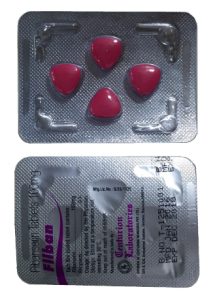
- Form of administration: oral tablet (100 mg tablets, typically supplied in blister packs).
- Onset time: effects are not immediate — clinical trials assess benefit over weeks, with efficacy typically evaluated at around 8 weeks; some individuals may notice changes earlier, but it is not a fast‑acting, on‑demand medication.
- Duration of action: flibanserin is taken daily at bedtime; its pharmacological effects require continued daily dosing (plasma half‑life supports once‑daily dosing) and benefits persist only while treatment continues.
- Alcohol warning: do not drink alcohol while taking addyi — concomitant alcohol use is contraindicated due to a significant risk of severe hypotension and syncope.
- The most common side effect is dizziness; other frequent side effects include sleepiness (somnolence), nausea, insomnia and dry mouth.
- Would you like to try addyi without a prescription?
Basic Addyi Information
- INN (International Nonproprietary Name): Flibanserin.
- Brand Names Available In Australia: Not specified; Addyi is marketed in the United States and Canada according to available records.
- ATC Code: G02CX02.
- Forms & Dosages: Tablet, oral, 100 mg strength in blister packs (usually 30-tablet supply per carton) as marketed by Sprout Pharmaceuticals in the US and Canada.
- Manufacturers In Australia: Not specified.
- Registration Status In Australia: No confirmation of TGA marketing authorisation in the provided record; check the TGA ARTG register for current status.
- OTC / Rx Classification: Prescription only (Rx) where authorised.
Critical Warnings & Restrictions
High‑Risk Groups (Elderly, Pregnancy, Chronic Illness)
Flibanserin is intended for premenopausal women and is not recommended for the elderly population or for children.
Pregnant or breastfeeding women should not use flibanserin unless a prescriber has explicitly justified it after careful risk assessment.
Severe hepatic impairment is an absolute contraindication because liver disease increases drug exposure and risk of adverse effects.
Patients with a history of hypotension or syncopal episodes are high risk and should not be prescribed flibanserin without specialist review.
Heavy alcohol users and people with significant chronic illness, especially major hepatic or unstable cardiovascular disease, are at increased risk and require thorough assessment and counselling.
Interaction With Activities (Driving, Workplace Safety Under Australian Law)
Flibanserin can cause dizziness and somnolence, which may impair driving and the safe operation of machinery.
Australian workplace health and safety expectations require employers and clinicians to advise workers with potential impairment to avoid safety-critical tasks until they know how the medicine affects them.
Document patient counselling about driving and workplace safety in clinical or pharmacy records as part of risk management.
Q&A — “Can I Drive After Taking It In Australia?”
No one should drive or operate heavy machinery until they know how flibanserin affects them because dizziness, sleepiness and syncope have been reported.
Alcohol co-administration can cause severe hypotension and greatly increase the risk of fainting, so avoid drinking alcohol around dosing times.
If a patient reports morning drowsiness, dizziness or any syncope after starting flibanserin, advise immediate cessation and urgent medical review.
- High‑risk checklist for counselling: Pregnant or breastfeeding women, elderly, severe liver disease, history of hypotension or syncope, heavy alcohol use, concomitant moderate/strong CYP3A4 inhibitors, and concurrent CNS depressants.
- Contraindications: Severe hepatic impairment, use with moderate or strong CYP3A4 inhibitors, known hypersensitivity to flibanserin or excipients, and concurrent heavy alcohol consumption.
Usage Basics
INN, Brand Names Available In Australia
The INN is flibanserin.
The main brand name recorded internationally is Addyi, marketed in the United States and Canada as 100 mg oral tablets.
There is no confirmed brand listing for Australia in the provided data, so check local registers before assuming availability.
Legal Classification (TGA‑Approved, PBS‑Listed)
Where authorised, flibanserin is a prescription-only medication.
The provided records confirm FDA approval in the United States and Health Canada approval, but do not confirm TGA approval or PBS listing for Australia.
Clinicians and pharmacists should verify TGA ARTG registration and PBS status before prescribing or supplying flibanserin in Australia.
- Definition List: INN = Flibanserin.
- Definition List: Brand = Addyi (100 mg tablet where marketed).
- Definition List: ATC Code = G02CX02.
| Jurisdiction | Regulatory Status |
|---|---|
| United States | FDA-approved, prescription only. |
| Canada | Approved, prescription only. |
| Australia | Check TGA ARTG register (no confirmed approval in provided data). |
Counselling note: The indication is acquired, generalized Hypoactive Sexual Desire Disorder in premenopausal women only, and flibanserin is not for men or postmenopausal women.
Dosing Guide
Standard Regimens (PBS Reference Dosing)
The recommended dose where flibanserin is authorised is 100 mg orally once daily at bedtime.
Efficacy should be assessed after eight weeks, and if there is no benefit the drug should be discontinued.
Pack sizes where marketed commonly contain 30 tablets per carton for a month’s supply at the once-daily dose.
Adjustments For Comorbidities
Flibanserin is contraindicated in severe hepatic impairment due to increased exposure and risk of adverse effects.
There are insufficient data in the provided record to support use in severe renal impairment and caution is advised.
The drug is not approved for children and elderly patients are not the target population for this indication.
Q&A — “What If I Miss A Dose?”
If a dose is missed, the patient should skip the missed dose and take the next dose at the usual time.
Patients must not double up to make up for a missed tablet.
- Dosing checklist for prescribers and pharmacists: Confirm premenopausal status and diagnosis of acquired, generalized HSDD; check liver function; review current medicines for CYP3A4 inhibitors and CNS depressants; advise bedtime dosing; plan assessment at eight weeks.
| Population | Guidance |
|---|---|
| Children | Not approved; safety and efficacy not established. |
| Elderly | Not recommended; not target population for premenopausal indication. |
| Liver | Contraindicated in severe hepatic impairment. |
| Renal | Insufficient data; avoid in severe renal impairment. |
Interaction Chart
Food And Drinks (Alcohol, Coffee, Australian Diet Context)
Alcohol co-administration significantly increases the risk of severe hypotension and syncope and is contraindicated where this risk has been documented.
Patients should be specifically counselled to avoid alcohol around dosing times and to consider alcohol intake patterns when assessing suitability for therapy.
Caffeine has no major documented interaction in the provided data, but counsel patients that stimulants and sleep-depriving habits may mask sedative adverse effects.
Common Drug Conflicts
Moderate and strong CYP3A4 inhibitors increase flibanserin exposure and are contraindicated due to higher risk of hypotension and syncope.
Concomitant use with other central nervous system depressants increases somnolence and sedation risk.
Clinicians should screen prescription, OTC and herbal medicines for interactions prior to supply.
| Drug Class | Example Drugs | Interaction Severity |
|---|---|---|
| Azole Antifungals | Fluconazole, Ketoconazole | Moderate to severe — contraindicated with strong inhibitors. |
| Macrolide Antibiotics | Clarithromycin, Erythromycin | Moderate — increased flibanserin levels possible. |
| HIV Protease Inhibitors | Ritonavir-containing regimens | Severe — contraindicated due to strong CYP3A4 inhibition. |
| CNS Depressants | Benzodiazepines, Opioids, Some Antipsychotics | Moderate — increased somnolence and dizziness risk. |
- Immediate counselling points: Avoid alcohol, review all current medicines including OTC and herbal products, and delay driving or safety-critical work until the patient’s response is known.
- Pharmacy step: Run medicine-binding checks in the PMR and document a pharmacist‑led medicines review where polypharmacy or CYP3A4 inhibitors are present.
User Reports & Trends
Community feedback in Australian forums and product review sites shows mixed reports of efficacy for flibanserin when used for HSDD.
Some patients report modest improvement in sexual desire after four to eight weeks, while others stop treatment due to dizziness, sleepiness or perceived lack of benefit.
Media labels such as “female Viagra” are misleading because flibanserin’s mechanism is central and it does not act like PDE5 inhibitors.
- Common patient comments include improved desire, increased frustration at access or cost, sleepiness, and nausea.
- Patients also express confusion about who is eligible and how long therapy should continue.
| Reported Benefit | Reported Side Effects | Frequency (Community Sources) |
|---|---|---|
| Improved desire scores | Dizziness, somnolence | Modest and variable |
| More satisfying sexual encounters (some) | Nausea, dry mouth | Occasional |
Clinicians should ask about expectations, relationship or psychosocial contributors, and concurrent therapies before starting pharmacologic options.
Anecdotal reports are helpful for counselling but are not a substitute for clinical trial evidence, and adverse events should be reported to the TGA if the product is used in Australia under import or specialist pathways.
Access & Purchase Options
National Chains (Chemist Warehouse, Priceline, TerryWhite Chemmart)
If flibanserin is not registered with the TGA, supply in Australia would be via import pathways, authorised prescribers or specialist clinics rather than routine pharmacy stock.
Check stock and prescription handling with major chains, and always verify TGA registration or authorised supply pathway before dispensing.
Online Pharmacies And Telehealth E‑Prescriptions
Telehealth consultations and e-prescriptions are commonly used in Australia, but pharmacists must validate prescriber details and record counselling.
Buying from dubious overseas online vendors carries counterfeit risk and is strongly discouraged.
In our online pharmacy, addyi is available without a prescription, with discreet delivery to Australia in 9-21 days.
- Verification checklist: Confirm TGA registration or Special Access/Authorised Prescriber pathway, confirm valid prescription, document counselling, and report adverse events as required.
- Safe purchasing steps: Use recognised Australian pharmacy chains for supplies, validate prescriber credentials, avoid unknown online resellers, and check packaging and batch details on receipt.
| Supply Route | Pros | Cons |
|---|---|---|
| In‑store pharmacy (major chain) | Face-to-face counselling and verification | May be unavailable if not TGA registered. |
| Online pharmacy with telehealth | Convenience and discreet delivery | Verify legitimacy; import requirements may apply. |
Mechanism & Pharmacology
Simplified Explanation
Flibanserin acts on central serotonin receptors and modulates neurotransmitter systems including serotonin and dopamine to increase sexual desire in some premenopausal women.
It targets brain chemistry associated with desire rather than increasing genital blood flow.
It is not an erectile dysfunction drug and should not be conflated with PDE5 inhibitors.
Clinical Terms
Flibanserin is classified under ATC G02CX02.
Its pharmacologic effects include modulation of central neurotransmitters with sedative potential that can present as somnolence and dizziness.
- Mechanism: Central serotonergic modulation affecting desire pathways.
- ATC: G02CX02.
- INN: Flibanserin.
Clinicians can use a simple diagram contrasting central CNS action with peripheral vasodilators when explaining how flibanserin differs from male ED treatments.
A patient-facing counselling phrase: “It targets brain chemistry linked to desire, not erection or physical arousal.”
Indications & Off‑Label Uses
Approved Indications By TGA
Where authorised, flibanserin’s approved indication is acquired, generalized Hypoactive Sexual Desire Disorder in premenopausal women.
There is no approved indication for men or postmenopausal women in the provided data.
Off‑Label Uses In Australian Clinical Practice
The provided records do not confirm TGA approval, so any Australian use should be based on confirmed registration or managed under import or specialist protocols with informed consent.
Off-label uses reported elsewhere include investigational or compassionate uses for other libido complaints, but these lack strong approval-based evidence.
Alternative pharmacologic options clinicians may consider include off-label testosterone therapy for selected women after endocrine assessment, or injectable options such as bremelanotide where available internationally.
| Use | Evidence/Notes |
|---|---|
| Approved HSDD in Premenopausal Women | Moderate trial evidence where authorised; prescription only. |
| Off‑Label Libido Complaints | Variable evidence; consider endocrine and psychosexual assessment first. |
- Informed‑consent checklist: Document diagnosis of HSDD, discuss limited efficacy, detail safety concerns (hypotension, syncope, somnolence), explain alcohol risk, and confirm understanding before initiating treatment under special pathways.
Key Clinical Findings (2022–2026 Overview)
Pivotal trials demonstrated a modest improvement in desire scores and in the number of satisfying sexual events for premenopausal women treated with flibanserin.
Safety concerns repeatedly highlighted in regulatory reviews include hypotension, syncope, somnolence and a significant alcohol interaction.
The regulatory history shows earlier FDA rejections in 2010 and 2013 followed by approval in 2015 after further review and data submission.
- Principal endpoints used in trials include validated desire scales and the number of sexually satisfying events.
- Benefit size was modest and should be balanced against safety risks in shared decision making.
| Benefit | Risk |
|---|---|
| Modest increase in desire scores | Hypotension, syncope, somnolence; alcohol interaction |
Australian-specific trials are not cited in the provided data, so clinicians should appraise international randomized controlled trials and post-marketing surveillance when advising patients.
Alternatives Matrix
PBS‑Listed Alternatives Comparison Table
| Therapy | Route | Evidence For HSDD | PBS Status | Key Risks/Benefits |
|---|---|---|---|---|
| Bremelanotide (Vyleesi) | Injectable | Evidence for HSDD where authorised; different mechanism | Not specified for PBS in provided data | Benefit for some women; injection site reactions and cardiovascular considerations. |
| Testosterone Therapy (e.g., AndroFeme or compounded) | Topical or systemic | Some evidence for hypoactive desire related to hormonal deficiency; off-label approaches common | Variable; check PBS listings and formulations | Requires endocrine assessment; risks include virilisation and lipid changes. |
| Psychosexual Therapy / CBT | Non-pharmacologic | Strong evidence for managing psychosocial contributors | Not applicable | No medication risks; often used in combination with drug therapy. |
Pros And Cons Checklist
- Screen for hormonal deficiency and refer for endocrine testing where indicated.
- Assess relationship and psychological contributors and offer psychosexual therapy or CBT as first-line or adjunctive options.
- Consider multidisciplinary management involving GP, gynaecologist, psychologist and pharmacist.
- Discuss pros and cons of off‑label testosterone therapy in selected women after specialist review.
Patient-facing advice should stress non-pharmacologic options first or in combination with medication when appropriate.
Common Questions
- Who Is Eligible? Premenopausal women with acquired, generalized HSDD who do not have contraindications such as severe hepatic impairment or interacting medicines.
- How Long To See Effect? Assess for benefit at eight weeks and discontinue if no meaningful improvement.
- Can I Drink Alcohol? Patients should avoid alcohol due to the risk of severe hypotension and syncope.
- Is It Available On PBS? No PBS listing is confirmed in the provided data; check current PBS schedules and the TGA ARTG.
- Who Should Not Take It? Those with severe liver disease, on moderate/strong CYP3A4 inhibitors, or with known hypersensitivity to flibanserin or excipients.
- Pharmacist Pre-Supply Checklist: Confirm pregnancy/breastfeeding status, review liver disease history, check for CYP3A4 inhibitors and CNS depressants, and document alcohol use.
- If used in Australia under special pathways, encourage reporting of suspected adverse events to the TGA’s Adverse Event Management System.
Searchable terms to help patients find accurate information include addyi, HSDD medication, and female sexual desire medication.
Price & Access Comparison Table
| Pharmacy / Source | Typical Price Range | PBS Subsidy Status | Prescription Required |
|---|---|---|---|
| United States (Addyi via retail) | Varies by supplier (not specified in provided data) | Not applicable | Yes |
| Canada (Addyi via retail) | Varies by supplier (not specified in provided data) | Not specified | Yes |
| Australia | Unknown / Check TGA and supplier | Check PBS (no confirmed listing in provided data) | Yes where authorised; special pathways may apply |
- Access checklist for rural patients: Validate prescriber via telehealth, confirm legal import or authorised supply pathway, use tracked shipping, and advise on storage during transit.
- Avoid purchasing from unverified overseas retailers to reduce counterfeit risk.
Registration & Regulation
TGA Approval
The provided data confirms FDA and Health Canada approvals but does not confirm a TGA marketing authorisation in Australia.
Prescribers and pharmacists must consult the TGA ARTG register for current Australian registration status before prescribing, importing or supplying flibanserin.
PBS Subsidy Details
There is no PBS listing confirmed in the provided record, so any supply to Australian patients is likely to be at private expense unless special arrangements or subsidies exist.
- Prescriber checklist: Check ARTG number, confirm PBS schedule if applicable, document informed consent for unregistered or imported use, and justify clinical need for special access.
- Special pathways: Consider Special Access Scheme or Authorised Prescriber routes if TGA registration is not present, and document counselling and follow-up plans.
Storage & Handling
Household Storage In Australian Climate (Heat/Humidity)
Store flibanserin at 20–25°C and protect from moisture and excessive heat.
In hot or humid Australian conditions, advise storing the tablets in a cool, dry place away from bathroom steam and direct sunlight.
Keep the medicine in its original blister packaging until use to protect from humidity.
Cold‑Chain Handling For Pharmacies
Flibanserin does not require cold‑chain handling and ambient pharmacy storage is acceptable.
For rural dispatch in hot weather, recommend insulated packaging and prompt delivery to avoid prolonged exposure to high temperatures.
| Storage Aspect | Recommendation |
|---|---|
| Temperature | 20–25°C; avoid excessive heat. |
| Moisture | Keep in original blister pack; avoid humid locations. |
| Transport | Insulated packaging if exposed to high temperatures during transit. |
Return unused tablets to the pharmacy for safe disposal.
Guidelines For Proper Use
Australian Pharmacist Counselling Style
Start with open-ended questions about why the patient is seeking treatment and what they expect to achieve.
Review current medications for CYP3A4 inhibitors and CNS depressants and ask about alcohol consumption patterns.
Check liver history and pregnancy/breastfeeding status before supply and document consent and the counselling provided in patient records.
Patient Advice From PBS And National Health Authorities
Advise patients to take 100 mg at bedtime and not to double doses if a dose is missed.
Warn patients to avoid alcohol and to stop the medicine and seek urgent care for severe hypotension, fainting or hypersensitivity reactions.
Arrange a follow-up review at four to eight weeks to assess efficacy and adverse effects and record outcomes.
- Pharmacist counselling checklist: Confirm diagnosis, premenopausal status, review liver function, check medicines for interactions, counsel on alcohol avoidance, advise bedtime dosing, and plan 4–8 week review.
- Patient handout template: Purpose of medication, dosing schedule, common side effects, when to stop, and contact details for urgent care and reporting to TGA.
Encourage patients to report side effects and to keep their GP updated on treatment progress.
Delivery Across Australia
| City | Region | Delivery time |
|---|---|---|
| Sydney | New South Wales | 9-14 days |
| Melbourne | Victoria | 9-14 days |
| Brisbane | Queensland | 9-14 days |
| Perth | Western Australia | 9-14 days |
| Adelaide | South Australia | 9-14 days |
| Canberra | Australian Capital Territory | 9-14 days |
| Hobart | Tasmania | 9-14 days |
| Darwin | Northern Territory | 9-14 days |
| Gold Coast | Queensland | 9-14 days |
| Newcastle | New South Wales | 9-14 days |
| Wollongong | New South Wales | 9-14 days |
| Cairns | Queensland | 14-21 days |
| Townsville | Queensland | 14-21 days |