Betamethasone
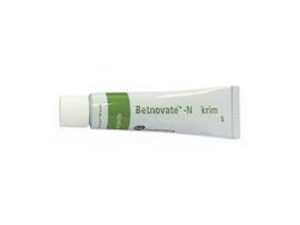
In stock
0.1%
from A$51.69
In brief
- In our pharmacy, you can buy betamethasone without a prescription, with delivery in 9–21 days throughout Australia. Discreet and anonymous packaging.
- Betamethasone is used for inflammatory and allergic conditions (eg. eczema, psoriasis, contact dermatitis), rheumatic diseases, severe asthma/COPD exacerbations, certain autoimmune and haematological disorders, and to accelerate fetal lung maturation in threatened preterm birth. It is a potent glucocorticoid that binds glucocorticoid receptors to suppress inflammation and immune responses (reduces cytokine production, inhibits phospholipase A2 and downstream prostaglandin/leukotriene synthesis).
- Usual doses vary by indication: oral 0.5–5 mg daily (individualised); IM for fetal lung maturation two doses of 12 mg given 24 hours apart; IV/IM for acute asthma 4–8 mg (repeat as needed); topical formulations (0.05–0.1%) applied as a thin layer 1–2 times daily.
- Forms of administration include tablets, injectable (IM/IV) ampoules or vials, topical creams/ointments/lotions/foams, nasal and ophthalmic preparations, and enemas; combination topical products (eg. with antifungals) are also available.
- Onset time: systemic IV/IM effects often begin within hours with noticeable symptomatic relief commonly within 24 hours; topical relief may be seen within 24–48 hours; fetal lung maturation effects begin within about 24 hours of dosing.
- Duration of action: betamethasone is long‑acting — a single systemic dose typically suppresses inflammation for ~24–72 hours; topical effects persist while treatment continues (typical topical courses 1–2 weeks); systemic endocrine effects can last days to weeks and may require tapering to stop suppression.
- Alcohol warning: avoid excessive alcohol — there is no specific absolute contraindication, but alcohol can worsen corticosteroid side effects (eg. GI bleeding risk, impaired glucose control, increased immunosuppression) so consumption should be limited, especially in diabetes, hypertension or peptic ulcer disease.
- The most common side effects include increased appetite, mood changes and insomnia with systemic use; for topical use the most common effects are local skin thinning, striae and irritation.
- Would you like to try “betamethasone” without a prescription?
Basic Betamethasone Information
- INN (International Nonproprietary Name): Betamethasone (also referred to as betamethasonum or β-метазон in certain regions).
- Brand Names Available In Australia: Celestone, Diprosone.
- ATC Code: H02AB01.
- Forms & Dosages: Tablets 0.5 mg, 1 mg, 4 mg, 5 mg; injectable 4 mg/mL, 6 mg/mL, 7 mg/mL (suspension); cream/ointment 0.05%, 0.1%, 0.12%; lotion/foam 0.05%, 0.12%; enema 5 mg, 8 mg; nasal/ophthalmic 0.1%, 0.2%.
- Manufacturers In Australia: not specified.
- Registration Status In Australia: Prescription status is prescription only (Rx) in reviewed markets; specific ARTG entries for individual products are not specified here.
- OTC / Rx Classification: Prescription only (Rx).
Critical Warnings And Restrictions (Safety First)
Betamethasone is a potent steroid and is prescription-only in reviewed markets, so safe use starts with prescriber direction.
High-risk groups include older people, pregnant or breastfeeding women, children and patients with chronic illnesses such as diabetes, hypertension or osteoporosis.
Absolute contraindications from product information are known hypersensitivity to betamethasone or excipients and systemic fungal infections.
Relative contraindications that require monitoring include active infections, diabetes, hypertension, osteoporosis, peptic ulcer disease and glaucoma when using ocular formulations.
Children are at risk of growth suppression with prolonged systemic therapy and of skin thinning with potent topical products, so specialist input is recommended.
Use in pregnancy should be limited to situations where benefits outweigh risks and antenatal use for fetal lung maturation is a specialist single-course regimen.
- Immediate Red Flags Checklist:
- Uncontrolled infection or signs of sepsis.
- Recent live vaccine given or planned while immunosuppressed.
- New vision changes such as blurred vision or eye pain.
- Severe unexplained hyperglycaemia.
High-Risk Groups
Elderly patients often need lower starting doses and closer monitoring for hypertension, hyperglycaemia and osteoporosis.
Pregnancy: antenatal corticosteroid use for threatened preterm labour is a specialist single-course regimen (two 12 mg IM doses 24 hours apart) and otherwise should only be used when clearly indicated.
Chronic illness: people with diabetes or hypertension should have blood glucose and blood pressure monitored while taking systemic steroids.
Paediatrics: systemic dosing must be specialist‑directed with careful weight-based calculation because of growth suppression risk.
Interaction With Activities (Driving, Workplace Safety)
Mood changes, dizziness or insomnia can occur with systemic steroids and may affect driving or operation of heavy machinery.
Australian workplace health and safety rules require fitness for high-risk tasks, so discuss any new symptoms with a pharmacist or GP before returning to safety‑critical roles.
If topical therapy causes local irritation or systemic symptoms, avoid tasks that need constant concentration until symptoms settle.
Q&A — Can I Drive After Taking It In Australia?
Short answer: usually yes for topical preparations and standard oral doses, but do not drive if you feel drowsy, dizzy or otherwise unwell.
- Avoid driving if you experience sudden acute mood swings, severe insomnia or dizziness after taking betamethasone.
- Discuss persistent side effects with your pharmacist or GP before driving heavy vehicles or working in high‑risk environments.
- If in doubt, do not drive and seek medical advice.
Usage Basics
INN And Australian Brand Names
The International Nonproprietary Name is betamethasone; common Australian brands listed in product information include Celestone and Diprosone.
Different esters are used in topical and systemic products and change potency and absorption, with dipropionate generally more potent than valerate and sodium phosphate being more water‑soluble for injectables.
| Brand | Ester | Common Form | Typical Strength |
|---|---|---|---|
| Celestone | Not specified / base | Tablets, injection | Tablets 0.5–5 mg; injectable 4–7 mg/mL |
| Diprosone | Dipropionate | Cream / Ointment | 0.05%–0.12% |
| Betnovate (international) | Valerate | Cream / Ointment | 0.05%–0.1% |
Legal Classification (TGA Approval, PBS)
Betamethasone products are prescription-only and TGA registration is required for products marketed in Australia.
Some formulations may be PBS-listed for specific indications, but not all brands or forms are subsidised.
- Check the TGA ARTG entry for a specific product before supply.
- Confirm PBS status on the PBS search tool for subsidy eligibility.
- Verify prescription requirements with your prescriber or community pharmacist.
Useful links: TGA ARTG search and PBS search.
Dosing Guide
Standard Regimens (PBS Reference Dosing)
Typical adult systemic dosing is 0.5–5 mg daily orally, titrated to the condition and response.
The antenatal regimen for fetal lung maturation is two 12 mg intramuscular doses given 24 hours apart as a single course.
Topical regimens generally advise applying a thin layer once or twice daily for inflammatory dermatoses, with duration commonly 1–2 weeks for potent products.
Injectable dosing for acute asthma or severe inflammation is often 4–8 mg IV or IM, repeated as needed short term.
Adjustments For Comorbidities
Reduce dose or use the lowest effective dose in people with diabetes, hypertension, osteoporosis, or hepatic/renal impairment.
Children require specialist, weight-based dosing for systemic therapy, and topical potency and duration should be conservative to avoid growth and skin effects.
Elderly patients often start at the lower end of the adult dose range with close monitoring.
Q&A — What If I Miss A Dose?
Short answer: take the missed dose as soon as you remember unless it is near the next scheduled dose; do not double up.
For tapering regimens always follow the prescriber’s instructions to avoid adrenal insufficiency.
| Indication | Typical Route | Typical Dose |
|---|---|---|
| Severe inflammation | Oral | 0.5–5 mg daily |
| Fetal lung maturation | IM | Two 12 mg doses 24 hrs apart (one course) |
| Dermatoses | Topical | Thin layer 1–2× daily |
- Tapering Checklist:
- Follow prescriber taper schedule carefully.
- Monitor blood pressure, blood glucose and mood during taper.
- Report symptoms of weakness, dizziness or fatigue which may signal adrenal insufficiency.
Interaction Chart
Food And Drinks (Alcohol, Caffeine, Australian Diet Context)
Alcohol increases the risk of gastric irritation and can worsen mood changes associated with systemic steroids.
A high‑sugar diet or regular alcohol use can exacerbate steroid-induced hyperglycaemia and weight gain.
Coffee and other caffeinated drinks may aggravate insomnia in people taking systemic steroids, so counsel moderation for those with sleep disturbance.
Common Drug Conflicts
CYP3A4 inhibitors, such as some macrolide antibiotics and certain antifungals, can increase systemic steroid levels and risk toxicity with interacting products.
Concurrent NSAID use increases the risk of gastrointestinal bleeding when combined with systemic steroids.
Anticoagulant activity (for example warfarin) may be altered by systemic steroids and requires monitoring.
Live vaccines are contraindicated if the patient is immunosuppressed by systemic corticosteroids.
| Interacting Agent | Effect | Action |
|---|---|---|
| CYP3A4 inhibitors (e.g., erythromycin, ketoconazole) | Increased steroid levels | Monitor; consider dose adjustment or alternative therapy |
| NSAIDs | Increased GI bleed risk | Avoid combination where possible; gastroprotection if required |
| Warfarin | Altered anticoagulant effect | Monitor INR closely |
| Live vaccines | Risk of vaccine‑related infection | Avoid if immunosuppressed; consult specialist |
Quick pharmacist counselling points:
- Ask about antibiotics and antifungals before dispensing systemic steroids.
- Advise patients with bleeding risk or on anticoagulants to seek monitoring.
- Check vaccination history and delay live vaccines if on immunosuppressive doses.
User Reports And Trends (Australian Patient Feedback)
Community feedback collected from Australian forums and product reviews shows betamethasone is widely regarded as effective for controlling flares of eczema and psoriasis.
Common patient concerns include skin thinning with prolonged topical use and rebound flares when potent products are stopped abruptly.
Cost sensitivity appears in comments, with many patients preferring PBS-subsidised alternatives where available and seeking pharmacist advice on cheaper generics.
Patients frequently rely on their local pharmacist for correct potency selection, duration of use and monitoring advice.
| Patient Concern | Pharmacist Response |
|---|---|
| Skin thinning | Reduce potency, limit duration, review diagnosis |
| Rebound on stopping | Provide tapering plan or alternative maintenance therapy |
| Cost | Recommend PBS alternatives or generics where appropriate |
- Brief Counselling History Checklist:
- Prior steroid use and response.
- Current infection status and diabetes history.
- Pregnancy intent or breastfeeding.
- Occupation and safety‑critical tasks.
Always balance anecdotal reports with formal guidelines and evidence when advising patients.
Access And Purchase Options Australia
National Chains And Community Pharmacies
Major Australian retailers that commonly stock Celestone and Diprosone topical forms include Chemist Warehouse, Priceline and community pharmacy groups such as TerryWhite Chemmart.
Community pharmacists provide free counselling and confirm PBS eligibility when needed.
Online Pharmacies And Telehealth E-Prescriptions
Telehealth e‑prescriptions are accepted by Australian online pharmacies and legitimate sites will dispense on a valid prescription.
Watch out for unregulated overseas sellers and always confirm TGA ARTG and supplier details.
In our online pharmacy, betamethasone is available without a prescription, with discreet delivery to Australia in 9-21 days.
| Source | Pros / Cons |
|---|---|
| Chemist Warehouse | Low price; prescription required for systemic products; widespread stock of topical brands |
| Community Pharmacy | In‑person counselling; PBS checks; may have higher price |
| Online Pharmacy (Australia) | Convenient delivery; must verify ARTG/PBS; safe when regulated |
| Overseas Sellers | Risk of unapproved products; avoid unless ARTG verified |
- Questions to ask online sellers: Do you have the TGA ARTG number for this product?
- Is a valid Australian prescription required and verifiable?
- What is your cold‑chain policy for injectables?
Mechanism And Pharmacology
Simplified Explanation
Betamethasone is a synthetic glucocorticoid that binds intracellular glucocorticoid receptors and alters gene transcription.
Clinically it suppresses pro‑inflammatory cytokines, reduces leukocyte infiltration, lowers capillary permeability and decreases vasodilation, which reduces redness, swelling and itching.
Clinical Terms And Ester Differences
Different esters such as dipropionate, valerate and sodium phosphate alter lipophilicity and skin penetration.
Dipropionate is generally more lipophilic and potent for topical use, while sodium phosphate is more water‑soluble and commonly used for injectable formulations.
- Glucocorticoid: steroid class that reduces inflammation and immune activity.
- Ester: chemical modification affecting potency and absorption.
- HPA Axis: hypothalamic–pituitary–adrenal axis; suppression risk with systemic steroids.
| Ester | Impact On Potency/Absorption |
|---|---|
| Dipropionate | Higher topical potency, greater skin penetration |
| Valerate | Moderate potency for topical formulations |
| Sodium Phosphate | Water‑soluble; used for injectable products |
Indications And Off‑Label Uses
Approved Indications By TGA (Summary)
Betamethasone is approved for inflammatory and allergic conditions including certain rheumatic diseases, severe asthma or COPD exacerbations, dermatological conditions such as eczema and psoriasis, and antenatal therapy for threatened preterm birth when specialist directed.
Topical forms are commonly used for inflammatory skin conditions, while systemic and injectable forms manage more severe or systemic disease.
Off‑Label Uses In Australian Practice
Off‑label examples include adjunctive therapy in specific autoimmune haematological disorders or complex dermatological regimens; these uses should be specialist‑directed with documented rationale and consent.
| Indication | Typical Route | Evidence Level |
|---|---|---|
| Eczema / Psoriasis | Topical | Randomised trials / clinical experience |
| Asthma Exacerbation | IV/IM | RCT / guideline‑based |
| Fetal Lung Maturation | IM | Strong evidence; specialist protocol |
- Confirm diagnosis before prescribing.
- Consider alternatives and document informed consent for off‑label use.
Key Clinical Findings (Evidence Synthesis 2022–2026)
High‑level evidence continues to support a single course of antenatal corticosteroid for reducing neonatal respiratory distress in threatened preterm labour.
Short systemic courses are effective at reducing duration and severity of acute inflammatory exacerbations in a number of conditions.
Topical betamethasone esters provide effective short‑term control of many inflammatory dermatoses but prolonged use increases local side effects such as skin thinning.
| Outcome | Finding | Evidence Level |
|---|---|---|
| Neonatal respiratory distress reduction | Single antenatal course reduces RDS | Systematic review / RCTs |
| Eczema clearance | Topical esters speed recovery of flares | RCTs / clinical trials |
| Acute inflammatory relief | Short systemic courses effective | Randomised trials |
- Monitoring endpoints commonly used in trials: blood glucose, blood pressure and skin assessment for atrophy.
- Refer to local guidelines such as RACP or NHMRC‑linked state pathways for indication‑specific advice.
Alternatives Matrix
PBS‑Listed Alternatives Comparison Table
| Molecule | Typical Potency | PBS Status | Usual Indications |
|---|---|---|---|
| Prednisolone | Systemic, intermediate | Varies by indication | Inflammatory conditions, easier tapering |
| Dexamethasone | Systemic, long‑acting | Varies | Severe inflammation, specific protocols |
| Hydrocortisone | Systemic, low potency | Varies | Adrenal insufficiency, mild inflammation |
| Clobetasol (topical) | Very potent topical | Varies | Severe plaque psoriasis, limited duration |
Pros And Cons Checklist
- Clobetasol: very potent topically but high local atrophy risk.
- Dexamethasone: long half‑life, greater adrenal suppression risk with systemic use.
- Prednisolone: intermediate duration and often preferred for tapering regimens.
- Consider PBS subsidy, comorbidities, pregnancy/breastfeeding and monitoring burden when choosing an alternative.
Common Questions (Pharmacy Consultation FAQs)
Patients commonly ask how long they can use the cream, whether steroids affect diabetes, and whether topical steroids are safe for face or children.
- How long can I use the cream? — Use potent topical steroids for the shortest effective course, typically 1–2 weeks for potent esters; reassess if longer use is considered.
- Will it affect my diabetes? — Systemic steroids can raise blood glucose; arrange glucose monitoring and liaise with the GP.
- Can I use it on my face or children? — Avoid potent products on the face; use low‑potency options for children and seek prescriber guidance.
- Is there a cheaper brand on PBS? — Ask the pharmacist to check PBS listings and generic availability for subsidy options.
Downloadable checklist for pharmacists: patient name, product name/strength, indication, duration, monitoring plan, PBS details.
Price And Access Comparison Table
Comparison Table — Pharmacy / Source, Typical Price Range, PBS Subsidy Status, Prescription Required
| Pharmacy / Source | Typical Price Range (Indicative) | PBS Subsidy Status | Prescription Required |
|---|---|---|---|
| Chemist Warehouse | Low to moderate | Depends on formulation | Yes (systemic); topical may require script |
| Priceline | Moderate | Depends | Yes |
| Community Pharmacy | Variable | Depends | Yes |
| Online Pharmacy (Australia) | Variable | Depends | Yes (unless provided as noted earlier) |
- Access checklist: confirm ARTG number, check PBS item code, ask about generics and local discount programs.
- Price sensitivity: compare pharmacist‑recommended generics and ask about local price matching or loyalty discounts.
Registration And Regulation
TGA Approval
All products marketed in Australia should be listed on the TGA ARTG and clinicians and pharmacists should confirm product specifics—ester, strength and pack size—via ARTG prior to supply.
Not all international brands or formulations are authorised for supply in Australia.
PBS Subsidy Details
PBS listings are formulation‑ and indication‑specific and must be checked on the PBS schedule for current subsidy status.
For off‑label uses PBS subsidy rarely applies and prescribers should document rationale when necessary.
- ARTG: Australian Register of Therapeutic Goods; check for authorised products.
- PBS: Pharmaceutical Benefits Scheme; lists subsidised medicines and conditions.
- S4: prescription‑only classification for betamethasone products.
Use the TGA ARTG search and the PBS Schedule search when verifying supplies.
Storage And Handling
Household Storage In Australian Climate
Store most betamethasone forms at room temperature below 25°C and protect from light and moisture.
Avoid storing medicines in bathrooms or cars, especially during hot Australian summers, and keep topical containers tightly capped.
- Home storage checklist: cool dry place, away from children, in original packaging, check expiry before use.
Cold‑Chain Handling For Pharmacies
Some injectable betamethasone preparations may require refrigerated transport and storage depending on the product label and SPC.
Pharmacies should follow TGA guidance and state cold‑chain policies and keep transport and storage records where required.
| Formulation | Typical Storage | Transport Note |
|---|---|---|
| Tablets / Topicals | Room temperature <25°C | No special cold chain |
| Injectables | Check product label (may require refrigeration) | Follow cold‑chain if specified |
Guidelines For Proper Use (Pharmacist Counselling Priorities)
Australian Pharmacist Counselling Style
Confirm the indication, expected duration and delivery form before dispensing and document counselling in the patient record.
For topical products instruct to apply a thin layer and avoid occlusion unless specifically directed by the prescriber.
Stress short courses for potent topical steroids and the need to monitor for systemic side effects such as mood changes, glucose rise and hypertension when systemic therapy is used.
Tailor counselling to cultural context and rural access issues and discuss affordability and local supply options where relevant.
Patient Advice From PBS And National Health Authorities
Provide a patient checklist: read the patient information leaflet or SPC, keep follow‑up appointments, report infections or severe side effects, store medicines safely and do not stop systemic steroids abruptly without medical advice.
Recommend printable patient leaflets and links to TGA and PBS resources for additional reading and local adaptation.
Delivery Across Australia
| City | Region | Delivery Time |
|---|---|---|
| Sydney | New South Wales | 9-14 days |
| Melbourne | Victoria | 9-14 days |
| Brisbane | Queensland | 9-14 days |
| Perth | Western Australia | 9-14 days |
| Adelaide | South Australia | 9-14 days |
| Canberra | Australian Capital Territory | 9-14 days |
| Hobart | Tasmania | 9-14 days |
| Darwin | Northern Territory | 9-14 days |
| Gold Coast | Queensland | 9-14 days |
| Newcastle | New South Wales | 9-14 days |
| Wollongong | New South Wales | 9-14 days |
| Geelong | Victoria | 9-14 days |
| Alice Springs | Northern Territory | 14-21 days |