Retin-a Gel
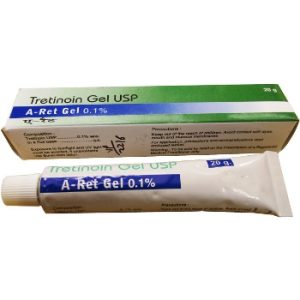
In brief
- In Australia retin-a gel (tretinoin) is generally a prescription-only medicine, but it is also available from some pharmacies and online suppliers without a prescription or receipt depending on the seller — availability and legality vary by supplier and jurisdiction.
- Retin‑A (tretinoin) is used mainly for acne and off‑label for photoaging/wrinkles; it is a topical retinoid that binds retinoic acid receptors to increase skin cell turnover, promote desquamation of comedones and reduce inflammation.
- Usual dosage for acne is a thin layer applied once daily at bedtime; common concentrations are 0.01%, 0.025% and higher (0.05%–0.1% for creams in some indications); start with a lower strength if you have sensitive skin.
- Form of administration is topical — gel or cream (typically supplied in tubes), with lotions or compounded solutions less commonly used.
- Onset: some irritation or transient worsening of acne may occur in the first 2–4 weeks; visible clinical improvement is commonly seen after 6–12 weeks of regular use.
- Duration of action: benefits are maintained only with ongoing regular use; skin cell turnover is about 28 days, and sustained improvement usually requires continued application over months.
- Alcohol warning: avoid alcohol‑containing or harsh astringent topical products on treated areas and be aware gels can be flammable — avoid open flames and do not smoke while using; also protect treated skin from sun exposure with sunscreen.
- The most common side effect is skin irritation — redness, peeling, dryness and stinging/tingling at the application site.
- Would you like to try retin-a gel without a prescription?
Basic Retin-A Gel Information
- INN (International Nonproprietary Name): Tretinoin
- Brand Names Available In Australia: Not specified
- ATC Code: D10AD01 — D = Dermatologicals; D10 = Anti-acne preparations for topical use; D10AD = Retinoids for topical use; D10AD01 = Tretinoin.
- Forms & Dosages: Gel 0.01% and 0.025%; Cream 0.025%, 0.05%, 0.1%; lotion and solution forms vary by market or may be compounded.
- Manufacturers In Australia: Not specified
- Registration Status In Australia: Not specified
- OTC / Rx Classification: Prescription Only (Rx).
Critical Warnings & Restrictions
High-Risk Groups (Elderly, Pregnancy, Chronic Illness)
Tretinoin is a prescription topical retinoid with clear safety restrictions.
Do not use tretinoin in pregnancy or while breastfeeding despite low systemic absorption because topical retinoids are generally contraindicated.
People with a known allergy to tretinoin or to any excipient in the formulation must not use it.
Avoid application to sunburned, eczema‑affected or otherwise damaged skin.
High‑risk groups in Australia include pregnant or breastfeeding people, anyone planning pregnancy, children under 12 (not approved), and older adults with fragile or thin skin.
People with significant comorbidities such as severe liver disease, extensive dermatitis or those on systemic retinoids need specialist review before starting tretinoin.
Pregnancy testing and reliable contraception should be confirmed for those of childbearing potential before initiating treatment.
Pharmacists and GPs should document pregnancy status and counsel on strict photoprotection with broad‑spectrum SPF 30+.
Avoid waxing, abrasive cosmetic treatments and chemical peels while using tretinoin.
Begin treatment stepwise for sensitive skin: choose a lower strength and consider alternate‑night application.
Use a pre‑treatment checklist: pregnancy status, allergies, current topical products, recent cosmetic procedures.
Stop tretinoin immediately and seek urgent medical review if severe blistering, pronounced swelling or systemic hypersensitivity signs occur.
Interaction With Activities (Driving, Workplace Safety Under Australian Law)
Topical tretinoin does not cause sedation or cognitive impairment and should not impair driving or machinery operation with normal use.
Severe local reactions such as intense pain, blistering, or rare systemic allergic reactions that cause dizziness or syncope can transiently affect fitness to drive or work safely.
Safe Work Australia requires employers and clinicians to manage any condition that compromises fitness for work and to advise temporary restrictions when necessary.
Some tretinoin gels have flammable vehicles; avoid smoking or open flames during application and until product is fully absorbed.
Frontline workers exposed to heat, open flame or heavy machinery should be counselled about application timing and workplace safety.
Keep documentation of counselling and any temporary work restrictions in the pharmacy counselling record or GP notes for medico‑legal clarity.
- Avoid driving or work if you develop severe skin reaction, syncope or systemic allergy.
- Report any safety‑critical impairment to employer or clinician promptly.
Q&A — “Can I Drive After Taking It In Australia?”
Short answer: Yes — topical tretinoin does not impair driving in normal use.
Avoid driving if you develop severe local or systemic reactions such as blistering or dizziness and seek urgent care for signs of systemic allergy.
Usage Basics
INN, Brand Names Available In Australia
International Nonproprietary Name (INN): tretinoin.
Tretinoin is commonly known worldwide under brands such as Retin‑A as well as numerous generics and may be supplied in different packaging and strengths depending on the market.
Typical global formulations include gels (0.01%, 0.025%) and creams (0.025%, 0.05%, 0.1%).
Australian pharmacies may stock creams or can arrange special orders or compounding where clinically justified.
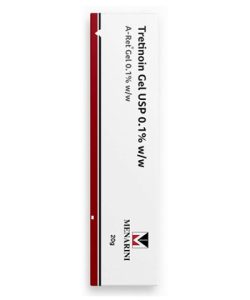
Always confirm the active ingredient and concentration on the product label before dispensing or using tretinoin.
- INN = tretinoin.
- Common Topical Forms = gel, cream, lotion/solution (market dependent).
- Typical Strengths = 0.01%–0.1%.
Legal Classification (TGA‑Approved, PBS‑Listed)
Tretinoin is a prescription‑only medicine in regulated markets and supply in Australia is subject to TGA requirements for registered products.
PBS listings for tretinoin are limited and subsidy eligibility depends on the product and its registered indication on the PBS schedule.
Most patients will need a private prescription from their GP or dermatologist to obtain tretinoin locally.
Telehealth e‑prescriptions and e‑scripts are commonly accepted by Australian pharmacies, urban and rural.
Pharmacists may only supply repeats or PBS‑subsidised packs where authority and product listing permit.
- Checklist: confirm product TGA registration (ARTG number), check current PBS schedule, obtain a valid prescription and verify the required strength and formulation.
Dosing Guide
Standard Regimens (PBS Reference Dosing)
The usual starting regimen for acne is a pea‑sized amount applied as a thin layer to the affected areas once nightly using a 0.025% cream or gel.
For photoageing or off‑label anti‑wrinkle use, clinicians may consider 0.05%–0.1% creams under specialist supervision.
Apply to clean, dry skin and wait 20–30 minutes after washing if the skin is damp before applying tretinoin.
Moisturiser can be used either before (as a buffer) or after application depending on patient tolerance and clinician advice.
An initial acne flare or “purge” can occur for 2–4 weeks and full benefit is often seen at 6–12 weeks with maximal improvements by 3–6 months.
For sensitive skin begin with a lower strength and consider alternate‑night use, increasing frequency as tolerated.
- Stepwise initiation: start low strength → alternate nights → daily use once tolerated → consider stronger formulation if needed under supervision.
| Typical Strength | Starting Frequency |
|---|---|
| 0.01% Gel | Nightly or every second night for sensitive skin |
| 0.025% Gel/Cream | Nightly (common starting dose) |
| 0.05%–0.1% Cream | Every second night initially, then increase to nightly if tolerated |
Q&A — “What If I Miss A Dose?”
If you miss one night, apply tretinoin when you remember and then resume the normal schedule the next night.
Do not double up doses to make up for a missed application and if overuse causes irritation, skip applications and seek pharmacist or GP advice.
Adjustments For Comorbidities
Because topical tretinoin has minimal systemic absorption, routine dose adjustment for liver or kidney impairment is not usually required.
Older adults and patients with very sensitive or thin skin should start at lower concentrations such as 0.01%–0.025% or use alternate‑night dosing.
When combined with other topical therapies like benzoyl peroxide or exfoliating acids, stage initiation to reduce irritation and stagger application times if advised by the prescriber.
Children aged 12 and over may use lower concentrations with close follow‑up; tretinoin is not approved for younger children.
Document current skin conditions, systemic medications and any recent dermatologic procedures before starting tretinoin.
- Pre‑treatment checklist: age, pregnancy status, current topicals, recent procedures, immunosuppression.
Interaction Chart
Food And Drinks (Alcohol, Coffee, Australian Diet Context)
Topical tretinoin has negligible systemic interactions with food, alcohol or caffeine.
Alcohol intake does not change the topical activity of tretinoin but excessive alcohol can worsen skin dryness and slow recovery from irritation.
Outdoor lifestyle and frequent sun exposure common in Australia make photoprotection essential while using tretinoin.
Avoid sunbeds and intentional UV exposure and use broad‑spectrum SPF 30+ daily, plus hats and protective clothing.
- Avoid sunbeds and tanning booths while using tretinoin.
- Use SPF 30+ daily and reapply as indicated during outdoor activities.
Common Drug Conflicts
Topical interactions are the main concern: concurrent use with other retinoids or strong keratolytics like salicylic acid and high‑strength alpha hydroxy acids increases irritation risk.
Benzoyl peroxide can be used with tretinoin but often requires staggered timing or buffering to reduce irritation.
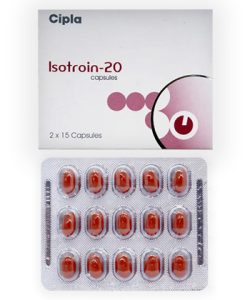
Systemic drug interactions are rare, but do not use topical tretinoin concurrently with systemic retinoids such as isotretinoin because of additive adverse effects and teratogenic risk.
Some systemic photosensitising agents may theoretically increase sun sensitivity when combined with tretinoin; counsel patients accordingly.
| Topical Agent | Recommended Action |
|---|---|
| Benzoyl Peroxide | Use with caution; consider alternate timing (AM/PM) or lower concentrations |
| High‑strength AHAs / Salicylic Acid | Stagger use or avoid simultaneous application to reduce irritation |
| Other Topical Retinoids | Avoid concurrent application without specialist advice |
User Reports & Trends
Australian patient feedback from product reviews, forums and pharmacy counselling echoes clinical data: initial irritation, dryness and a short acne “purge” are common before improvement.
Many Australians are price‑sensitive and ask about PBS coverage, choosing generics or pharmacy specials when possible.
Rural patients often rely on telehealth and mail‑order pharmacies for continuity of supply while urban patients use in‑store counselling more frequently.
Patients commonly report needing moisturisers and sunscreen alongside tretinoin to manage side effects.
- Common experiences: initial irritation, skin sensitivity, need for sunscreen, cost concerns and use of telehealth or mail order for rural access.
| Reported Onset Of Benefit | Common Side Effects | Typical Care Persistence |
|---|---|---|
| 6–12 Weeks | Redness, peeling, dryness | Months (ongoing skin maintenance) |
Access & Purchase Options
National Chains (Chemist Warehouse, Priceline, TerryWhite)
Tretinoin requires a prescription and major pharmacy chains in Australia commonly dispense TGA‑approved brands or generics and can advise on PBS status.
Prices vary by brand, strength and whether PBS subsidy applies.
Pharmacists offer counselling on storage, application and strategies to manage irritation.
- Checklist for purchasing: obtain a valid prescription, confirm TGA registration or ARTG number, check strength and formulation, ask about PBS subsidy and request the consumer information leaflet.
Generics from reputable suppliers are often the most cost‑effective option; verify sponsor details on the pack.
Online Pharmacies And Telehealth E‑Prescriptions
E‑prescriptions and telehealth consultations are widely used across Australia and many online pharmacies accept e‑scripts for dispatch.
Rural patients commonly use mail‑order delivery; store tretinoin at room temperature on receipt and avoid exposure to excessive heat during transit.
Do not purchase from unregulated overseas e‑shops without verifying TGA registration or Pharmacy Board registration.
| Access Route | Pros | Cons |
|---|---|---|
| In‑Person Pharmacy | Immediate counselling and supply | May be higher price than online specials |
| Australian Online Pharmacy (e‑script) | Convenience, delivery to rural areas | Delivery time and need to confirm product on receipt |
| International E‑Shops | Lower sticker prices | Regulatory risk; verify sponsor and registration |
In our online pharmacy, retin-a gel is available without a prescription, with discreet delivery to Australia in 9‑21 days.
Mechanism & Pharmacology
Simplified Explanation
Tretinoin is a topical retinoid that alters gene expression in epidermal cells to normalise follicular desquamation and increase cell turnover.
The comedolytic action helps clear plugged follicles and reduces new comedo formation, while longer‑term use stimulates dermal collagen synthesis for some anti‑ageing benefits.
Topical application produces primarily local effects in the epidermis and upper dermis with minimal systemic absorption.
- Mechanism: retinoid‑mediated gene regulation.
- Primary Effects: comedolytic action, increased keratinocyte turnover, collagen stimulation over months.
Clinical Terms
Comedolytic means the drug prevents formation or promotes clearance of comedones (blackheads and whiteheads).
Keratolytic refers to agents that aid shedding of the outer skin layer and can increase irritation when combined with tretinoin.
Photosensitivity is increased risk of sun damage while using tretinoin, so daily sunscreen is essential.
Teratogenicity is the potential to cause foetal malformations — topical tretinoin is contraindicated in pregnancy despite low systemic absorption.
Topical tretinoin differs from systemic retinoids such as isotretinoin in that systemic exposure is much lower, but pregnancy avoidance still applies.
Indications & Off‑Label Uses
Approved Indications By TGA
Tretinoin is primarily approved for acne vulgaris under registered product information; check the specific product PI for formal indications and strengths.
Typical approved use is for comedonal and inflammatory acne when first‑line topical measures are inadequate.
Dosing and formulation choice depend on clinician judgement and the registered product strength.
PBS subsidy, where available, will reference approved indications and authority requirements.
Off‑Label Uses In Australian Clinical Practice
Off‑label uses include treatment of photoageing, fine wrinkles and as an adjunct for pigmentation disorders under dermatologist supervision.
Stronger creams such as 0.05%–0.1% may be used off‑label for photoageing but require informed consent and strict photoprotection.
Dermatologists often combine tretinoin with moisturisers and sunscreen and may sequence other topical agents to reduce irritation.
- Pros/Cons checklist for off‑label use: potential cosmetic benefit vs regulatory status, higher irritation risk and need for monitoring.
Key Clinical Findings
Major studies and reviews show tretinoin reduces comedones and inflammatory acne lesions over 6–12 weeks with maximal effect by 3–6 months.
Newer retinoids such as adapalene may be better tolerated in sensitive skin, but tretinoin remains effective for refractory acne and certain photoageing indications.
Adverse events are mainly local irritation; serious systemic effects with topical use are rare.
Australian prescribing patterns favour stepwise initiation and patient education to improve adherence and outcomes.
| Outcome | Typical Timing |
|---|---|
| Initial Purge / Irritation | 2–4 Weeks |
| Meaningful Response | 6–12 Weeks |
| Common Adverse Events | Redness, Peeling, Dryness |
Alternatives Matrix
PBS‑Listed Alternatives Comparison Table
| Active Ingredient | Mechanism | Typical Strength | PBS Subsidy Status | Pros | Cons |
|---|---|---|---|---|---|
| Adapalene (Differin) | Retinoid (third‑generation topical) | 0.1% gel | Varies by formulation and listing | Good tolerability, effective for comedonal acne | May be less potent in some photoageing uses |
| Tazarotene | Topical retinoid | 0.05%–0.1% cream/gel | Varies | Potent, useful for photoageing and psoriasis | More irritating, not for pregnancy |
| Benzoyl Peroxide | Antimicrobial with mild keratolytic action | 2.5%–10% | Often available OTC or Rx depending on strength | Reduces C. acnes bacteria, inexpensive | Can bleach fabrics and increase irritation with retinoids |
| Azelaic Acid | Antimicrobial and comedolytic | 15%–20% cream/gel | Varies | Good for sensitive skin and pigmentation issues | May cause mild irritation, slower onset |
Pros And Cons Checklist
Pros: effective for comedonal acne, long‑term improvement in skin texture and quality with adherence.
Cons: initial irritation, photosensitivity and absolute contraindication in pregnancy.
Cost considerations: generics are usually cheaper than brand formulations and PBS subsidy varies by product.
Monitoring plan: review at 6–12 weeks and adjust therapy if intolerance or inadequate response occurs.
- Decision prompts: previous topical failures, degree of skin sensitivity and pregnancy planning status.
Common Questions (Pharmacy Consultations)
How long to see results? Expect meaningful changes at 6–12 weeks and maximal benefit at 3–6 months.
Can I use while pregnant? No — tretinoin is contraindicated in pregnancy and breastfeeding.
Can I combine with benzoyl peroxide? Often yes, but stagger application times or follow prescriber advice to reduce irritation.
How to reduce irritation? Start with a lower strength, use a non‑comedogenic moisturiser, buffer with moisturiser and try alternate‑night dosing.
Key counselling points at dispensing: use a pea‑sized amount, avoid eyes, lips and nostrils, apply at night, use daily sunscreen and stop for severe reactions.
Price & Access Comparison Table
Comparison Table — Pharmacy/Source, Typical Price Range, PBS Subsidy Status, Prescription Required
| Source | Typical Price Range | PBS Subsidy Status | Prescription Required | Pros / Cons |
|---|---|---|---|---|
| Chemist Warehouse (In‑Store) | Varies by brand and strength | Check PBS for product | Yes | Wide stock, face‑to‑face counselling; price varies |
| Priceline / TerryWhite (In‑Store) | Varies by brand and strength | Check PBS for product | Yes | Professional counselling available; may be higher cost |
| Australian Online Pharmacies | Similar to in‑store plus delivery | Check PBS | Yes (e‑script accepted) | Convenience and delivery; confirm product on arrival |
| International E‑Shops | Often lower sticker price | Unlikely | Varies | Regulatory risk; verify registration and sponsor |
Access Checklist — Major Chains, Online Pharmacies, Rural Vs Urban Availability
Confirm you have a valid prescription or e‑script before ordering.
Verify the product label lists tretinoin and the correct concentration.
Ask the pharmacist about generic options, price and any PBS subsidy eligibility.
Request written instructions and a consumer information leaflet at dispensing.
For rural patients, arrange mail delivery and plan for follow‑up via telehealth if necessary and avoid unverified international suppliers.
Registration & Regulation
TGA Approval
Tretinoin products supplied in Australia should be TGA‑approved and listed on the ARTG; clinicians and pharmacists should confirm the sponsor and ARTG number.
Regulatory oversight covers labelling, product information and adverse event reporting to the TGA.
Report any suspected adverse reactions through the TGA reporting system and document counselling and indication in clinical records.
PBS Subsidy Details
PBS subsidy for tretinoin is product‑ and indication‑dependent and clinicians should check the latest PBS schedule for authority items and eligibility before prescribing for subsidy.
If a tretinoin product is not PBS‑listed patients will pay private rates and should be counselled on cheaper generic options or pharmacy discount programs.
Storage & Handling
Household Storage In Australian Climate (Heat/Humidity)
Store tretinoin tightly closed at room temperature and avoid refrigeration or freezing.
Do not expose the product to temperatures above 49°C (120°F) and keep it away from direct sunlight, which is important in hot Australian climates.
In hot, humid homes place the tube in a cool shaded cupboard away from heaters and direct sunlight.
Some gel vehicles are flammable — avoid smoking or open flames during application and until the product is fully absorbed.
- Household handling checklist: keep out of reach of children, keep tube capped, do not store in bathroom steam, do not mix products unless advised by a pharmacist or prescriber.
Cold‑Chain Handling For Pharmacies
Pharmacies should store stock as per the product information and avoid heat exposure during transport and on display.
For mail orders during heatwaves consider insulated packaging or delayed dispatch and provide clear guidance to patients to store immediately at room temperature on receipt.
Maintain stock rotation and inspect shipments delayed by transport for integrity before supply.
Guidelines For Proper Use
Australian Pharmacist Counselling Style
Start counselling by confirming the indication and pregnancy status and by explaining the expected timeline for results and side effects.
Demonstrate pea‑sized dosing and emphasise that overuse increases irritation without improving outcomes.
Recommend a gentle cleanser and a non‑comedogenic moisturiser and show how to apply moisturiser before or after tretinoin depending on tolerance.
Stress daily sunscreen SPF 30+ and photoprotective measures and provide a written handout or consumer information leaflet.
- Dispensing checklist: confirm prescription, provide handout, demonstrate application, explain side‑effect action plan and supply referral pathway to GP or dermatologist.
Patient Advice From PBS And National Health Authorities
Follow conservative prescribing, monitor for adverse effects and supply written instructions including contraception counselling for those of childbearing potential.
Encourage patients to report adverse events to the TGA and offer telehealth follow‑up or pharmacist review where available.
Review patients at 6–12 weeks to assess adherence and tolerance and consider switching to an alternative retinoid like adapalene if intolerance persists.
- Ongoing monitoring checklist: follow‑up at 6–12 weeks, document tolerance and outcomes, consider alternative therapy if needed.
Delivery Across Australia
| City | Region | Delivery Time |
|---|---|---|
| Sydney | New South Wales | 9–14 days |
| Melbourne | Victoria | 9–14 days |
| Brisbane | Queensland | 9–14 days |
| Perth | Western Australia | 9–14 days |
| Adelaide | South Australia | 9–14 days |
| Canberra | Australian Capital Territory | 9–14 days |
| Hobart | Tasmania | 9–14 days |
| Darwin | Northern Territory | 9–14 days |
| Gold Coast | Queensland | 9–14 days |
| Newcastle | New South Wales | 9–14 days |
| Wollongong | New South Wales | 9–14 days |
| Geelong | Victoria | 9–14 days |
| Cairns | Queensland | 14–21 days |
| Townsville | Queensland | 14–21 days |
| Sunshine Coast | Queensland | 14–21 days |
Closing Notes
Tretinoin (retin‑a gel or cream) is an effective prescription treatment for acne and has proven benefits for some photoageing uses when used appropriately and under supervision.
Safety steps are simple but essential: confirm pregnancy status, counsel on sunscreen and gentle skin care, start low and increase slowly to reduce irritation.
Pharmacists should document counselling, provide written instructions and arrange timely follow‑up to support adherence and minimise side effects.
For questions about price, PBS subsidy or product availability contact your local pharmacist or use trusted Australian online pharmacy services that accept e‑scripts.