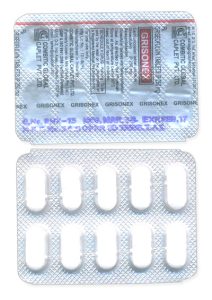
Fluconazole

In brief
- In pharmacies and online pharmacies, fluconazole is often available in Australia, and in some places it may be purchased without a prescription; however, it is normally a prescription-only medicine (Rx) and should be used under medical advice.
- Fluconazole is an antifungal medicine used to treat and prevent fungal infections such as vaginal candidiasis, oral and oesophageal candidiasis, cryptococcal meningitis, and systemic Candida infections. It works by inhibiting fungal ergosterol synthesis, which disrupts the fungal cell membrane and stops the fungus from growing.
- The usual dose depends on the infection: vaginal candidiasis is often treated with a single 150 mg dose; oropharyngeal candidiasis with 100 mg daily; oesophageal candidiasis with 200–400 mg daily; and more serious systemic infections may require 400–800 mg daily. Doses are adjusted for children, older adults, and people with kidney problems.
- Fluconazole is taken by mouth as capsules, tablets, or oral suspension, and it can also be given by intravenous infusion in hospital settings.
- Fluconazole usually starts working within a few hours, although symptom improvement may take 1–3 days depending on the type and severity of the infection.
- The duration of action is long, allowing once-daily dosing in most cases; treatment length ranges from a single dose to several weeks, depending on the infection.
- Alcohol is best avoided or limited while taking fluconazole, especially if you have liver disease or feel unwell, as alcohol may worsen side effects and put extra strain on the liver.
- The most common side effects are nausea, vomiting, abdominal pain, diarrhoea, rash, itching, headache, dizziness, and raised liver enzymes.
- Would you like to try fluconazole without a prescription?
Safety First: Who Should Not Take Fluconazole, And When To Seek Urgent Help
Fluconazole is a prescription-only antifungal in Australia, so the safest place to start is with the people who should avoid it or get medical advice first.
This matters because fluconazole can interact with other medicines, affect the liver and kidneys, and cause heart rhythm problems in some people.
If a GP has prescribed it through telehealth, or the script has arrived as an e-prescription, a pharmacist should still check the medicine list before it is started.
- Do not take it if you have had a previous allergy to fluconazole or another azole antifungal.
- Avoid it with severe QT-prolonging medicines, including cisapride and erythromycin.
- Get medical advice first if you have liver disease, reduced kidney function, arrhythmia risk, or a history of QT prolongation.
- Do not use high-dose or prolonged treatment in pregnancy without specialist advice.
- Seek urgent help for blistering rash, facial swelling, breathing trouble, jaundice, dark urine, palpitations, fainting, or severe dizziness.
If you are unsure, a pharmacist can help decide whether the prescription is appropriate or whether a GP review is needed.
Can I Take Fluconazole If I’m Pregnant?
High-dose or prolonged treatment is contraindicated, so speak to your GP or midwife first.
What Fluconazole Is And How It Fits Australian Medicine Use
People often know fluconazole by the brand Diflucan, but the medicine name on the box is the important part.
It is the WHO-recognised International Nonproprietary Name, or INN, for a triazole antifungal used for infections caused mainly by Candida and Cryptococcus.
In Australia, that usually means a once-daily fluconazole oral tablet or capsule, which is one reason it is a common prescription for busy adults who want a simple dosing schedule.
- INN: Fluconazole
- ATC code: J02AC01
- Drug class: Triazole antifungal
- Main uses: Treatment and prevention of fungal infections, especially Candida and Cryptococcus
WHO Essential Medicines status adds to its credibility, because it is recognised globally as an important antifungal option.
Australian Availability: Brands, Forms, And How To Recognise The Pack
Which box is the right one can be confusing when packs look different from pharmacy to pharmacy.
That is why the active ingredient name matters more than colour, size, or shape.
Australian supply may include Diflucan, APO-Fluconazole, or Fluconazole Sandoz depending on stock and brand availability.
| Dosage Form | Strengths Available | Selected Brands |
|---|---|---|
| Capsules/Tablets | 50 mg, 100 mg, 150 mg, 200 mg | Diflucan, Teva, Zentiva |
| Oral Suspension | 10 mg/mL, 40 mg/mL | Local and generic products |
| IV Solution | 2 mg/mL, 200 mg/100 mL | Teva, Baxter, Hospira, Pfizer |
| Infusion Vial | 200 mg, 400 mg | Pfizer, Teva, generic suppliers |
- Check the box for fluconazole, not just the brand.
- Match the strength with the prescription label.
- Confirm whether it is a tablet, capsule, suspension, or infusion product.
- Ask the pharmacist if the pack looks different from the last supply.
Local manufacturers can include Alphapharm in Australia, while global supply may come from Pfizer, Teva, Sandoz, Baxter, and others.
Tga Approval And Pbs Subsidy: What Australian Patients Need To Know
In Australia, fluconazole is regulated by the TGA and is commonly supplied on prescription.
That prescription requirement is not just a formality, because dose, indication, and interaction checks matter.
PBS pricing can help with affordability, but subsidy depends on the indication, the PBS item rules, and whether the prescriber has used the right authority where relevant.
| Topic | What It Means | Why It Matters |
|---|---|---|
| TGA approval | The medicine is regulated for Australian use | Supports quality, safety, and supply standards |
| PBS subsidy | Government support for eligible prescriptions | May reduce the out-of-pocket cost |
| Prescription required | Fluconazole is not an OTC medicine | Helps prevent misuse and dangerous interactions |
- Check whether the prescription is PBS-eligible.
- Ask if brand substitution is suitable.
- Confirm the form and strength match the script.
- Make sure the medicine list is up to date before ordering online.
Many Australians use online pharmacies and telehealth scripts now, but the prescription still needs to be valid and clinically appropriate.
Common Uses: When Fluconazole Is Prescribed In Australia
Is it for thrush, a vaginal yeast infection, or something more serious?
That is the key question, because fluconazole is useful for fungal infections, but it is not the right answer for every symptom that feels like thrush.
Doctors commonly prescribe it for vaginal candidiasis, oral thrush, oesophageal candidiasis, cryptococcal meningitis, and prevention or treatment of systemic candidiasis.
| Indication | Usual Adult Dose | Typical Duration |
|---|---|---|
| Vaginal candidiasis | Single 150 mg oral dose | 1 day |
| Oropharyngeal candidiasis | 100 mg daily | 7 to 14 days |
| Oesophageal candidiasis | 200 to 400 mg daily | 14 to 30 days |
| Cryptococcal meningitis | 400 mg on day one, then 200 to 400 mg daily | 6 to 8 weeks or longer |
| Systemic candidiasis or prophylaxis | 400 to 800 mg daily | Variable |
Diagnosis matters because bacterial vaginosis, sexually transmitted infections, dermatitis, or simple irritation can mimic a fluconazole yeast infection.
Does Fluconazole Treat Every Type Of Thrush?
No. It is used for fungal infections, mainly Candida, and the right diagnosis matters.
How Fluconazole Works: Simple Explanation And Clinical Terms
In plain language, fluconazole stops fungi from building a healthy cell membrane, which slows their growth and helps clear the infection.
Think of it like stopping a builder from finishing the walls of a house.
Clinically, it is a systemic azole antifungal with high oral bioavailability, so the medicine gets into the bloodstream well after swallowing.
- Systemic: Working throughout the body, not just on the skin or surface.
- Oral bioavailability: How much of the swallowed dose reaches the bloodstream.
- Azole: A class of antifungal medicines.
This is why fluconazole can be used for both surface infections and deeper infections.
Standard Dosing Guide: Adults, Children, Renal Impairment
How much should be taken?
The answer depends on the infection, age, kidney function, and sometimes liver function.
Adults often use a straightforward once-daily schedule, while children are dosed by weight and kidney function can require a lower frequency or dose.
| Group | Usual Approach | Key Point |
|---|---|---|
| Adults | Dose depends on indication | Follow the script exactly |
| Children | 6 to 12 mg/kg/day | Must not exceed adult maximum dose |
| Elderly | Adult dose, with closer monitoring | Renal function matters |
| Renal impairment | Standard first dose, then adjustment | Based on creatinine clearance |
| Hepatic impairment | Use caution and monitor | Liver enzymes may need checking |
- Take the dose as soon as remembered if one is missed.
- If it is nearly time for the next dose, skip the missed one.
- Never double up.
- Keep repeat e-scripts handy if ongoing treatment is planned.
That missed-dose advice is especially useful for patients managing thrush treatment with a repeat script from a telehealth consult.
What If I Miss A Dose?
Take it when you remember unless it’s nearly time for the next one. Don’t double the dose.
Side Effects: What Is Common, What Is Serious, And When To Call For Help
Most people tolerate fluconazole well, but side effects can happen.
The common ones are usually stomach related or mild and short-lived, but the serious ones need prompt review.
- Nausea.
- Vomiting.
- Abdominal pain.
- Diarrhoea.
- Rash.
- Pruritus.
- Headache.
- Dizziness.
- Raised liver enzymes.
| Urgent Symptom | Why It Matters | What To Do |
|---|---|---|
| Jaundice or dark urine | Possible liver problem | Seek medical review urgently |
| Severe rash or blistering | Could be a serious allergy | Stop and get urgent help |
| Palpitations, fainting, severe dizziness | Possible heart rhythm issue | Seek urgent care |
| Confusion, hallucinations, paranoia | Possible overdose or toxicity | Get urgent medical help |
A pharmacist can often help with mild nausea, timing questions, or a brand check, but chest symptoms, fainting, or serious rash need a doctor or emergency care.
Interactions: Medicines, Alcohol, And Practical Australian Lifestyle Issues
Fluconazole interaction checks matter because the medicine can affect how other drugs work, and some combinations are unsafe.
That is especially true with severe QT-prolonging medicines such as cisapride and erythromycin.
It is also worth reviewing any supplements, because a current medication list helps pharmacists spot issues quickly.
| Interaction Category | Examples | Practical Advice |
|---|---|---|
| Severe QT-prolonging medicines | Cisapride, erythromycin | Do not combine without specialist advice |
| Liver strain | Alcohol, other hepatically active medicines | Use caution if nausea or liver issues are present |
| Kidney or heart conditions | Existing renal impairment or arrhythmia risk | Need closer monitoring |
- Tell your doctor or pharmacist if you take heart medicines.
- Tell them about antibiotic courses, even recent ones.
- Bring a full medication list, including vitamins and supplements.
- Ask before combining with alcohol if you already feel unwell.
Alcohol is not the biggest issue for everyone, but it can worsen nausea or liver strain in some people.
That is a practical concern for Australians who may still be working, travelling, or socialising while taking a course.
Food, Drinks, And How To Take It Correctly
Fluconazole can generally be taken with or without food, which makes it easy to fit into a normal routine.
If the stomach feels off, taking it after food can sometimes be easier.
- Do take it exactly as prescribed.
- Do finish the full course, even if symptoms improve early.
- Do ask if you are unsure about a suspension or capsule form.
- Don’t stop early just because symptoms settle.
- Don’t share it with someone else.
If the product is an oral suspension, shake or reconstitute it exactly as directed on the label or by the pharmacist.
Storage And Handling For Australian Homes And Pharmacies
Australian heat can be hard on medicines, especially if they are left in the car on a hot day.
That matters for fluconazole tablets, suspensions, and IV products.
| Product | Storage | Handling Note |
|---|---|---|
| Tablets/capsules | Below 25°C, protected from moisture | Keep in the original pack |
| Oral suspension | Refrigerate after reconstitution | Use within the recommended period |
| IV solution | Check clarity and expiry; avoid freezing | Usually stored between 2°C and 30°C |
- Store medicines somewhere cool and dry.
- Keep the pack closed tightly.
- Check expiry dates before use.
- Never leave medicine in a hot car.
That warning is especially important for FIFO workers, rural patients, and anyone travelling long distances.
Access In Australia: Pharmacy Chains, Local Pharmacies, And Online Ordering
Can fluconazole be ordered online in Australia?
Yes, but only with a valid prescription, because it is prescription-only medicine.
Many people use national pharmacy chains such as Chemist Warehouse, Priceline, or TerryWhite, while others prefer a local community pharmacy where the pharmacist knows their history.
For rural and remote patients, telehealth and e-prescriptions can make it easier to get care without waiting for an in-person appointment.
In our online pharmacy, fluconazole is available without a prescription, with discreet delivery to Australia in 9-21 days.
| Access Option | Best For | What To Check |
|---|---|---|
| In-store pharmacy | Face-to-face counselling | Prescription, strength, and interactions |
| Online pharmacy | Convenience and home delivery | Prescription validity and secure checkout |
| Telehealth | Fast GP review and e-scripts | Clinical suitability and follow-up |
- Use a reputable pharmacy.
- Check that the site asks for a valid script where required.
- Make sure the delivery address is correct.
- Keep a copy of the medicine label and order details.
Pharmacists are often the first person Australians ask about brand substitution, price, or how to take the medicine safely.
Alternatives And Comparisons: When Another Antifungal May Be Used
Sometimes fluconazole is the right choice, and sometimes another antifungal is better.
The decision can depend on infection type, resistance, organ function, or interaction risk, and PBS rules can also influence what is supplied.
| Medicine | Typical Use | Key Point |
|---|---|---|
| Fluconazole | Candida and selected systemic fungal infections | Simple once-daily dosing |
| Itraconazole | Alternative systemic antifungal | May be chosen for different infection patterns |
| Voriconazole | Broader specialist antifungal use | Often more interaction monitoring |
| Posaconazole | Specialist treatment or prevention | Used in selected higher-risk cases |
| Ketoconazole | Less commonly used | Less used due to hepatic toxicity |
| Amphotericin B | Severe infections | Reserved for more serious cases |
- Fluconazole pros: Familiar, simple dosing, broad clinical use.
- Fluconazole cons: Interaction and pregnancy cautions.
- Alternative pros: May suit resistant or specialist infections.
- Alternative cons: Can be more complex or less convenient.
For many Australians, the final choice comes down to the prescriber’s judgement, the infection type, and what is subsidised or available.
Evidence And Clinical Confidence: What Supports Fluconazole Use
Fluconazole is widely established in medicine and pharmacy practice.
It is on the WHO List of Essential Medicines, and it is approved in major jurisdictions around the world.
- Long clinical history.
- Predictable pharmacology.
- Standard dosing patterns.
- Strong pharmacy familiarity.
- Broad use for common Candida infections and selected systemic fungal infections.
That long experience is one reason it remains a trusted antifungal, while specialist-only cases are usually managed with other agents.
Patient Counselling In Australia: How Pharmacists And GPs Should Explain It
A good counselling check starts with confirming why the medicine was prescribed.
After that comes dose, duration, interactions, pregnancy status, kidney and liver history, and missed-dose advice.
That approach helps stop avoidable problems before they start.
- Take exactly as prescribed.
- Do not share the medicine.
- Tell the pharmacist about all medicines and supplements.
- Ask if a brand substitution is suitable.
- Seek review if symptoms persist or worsen.
- Get medical advice before starting if pregnant or trying to conceive.
Patients sometimes self-diagnose thrush and delay proper treatment, which can mean the real problem is missed.
That is why fluconazole should be used with medical advice, even when the symptoms seem familiar.
Can I Switch Brands Like Diflucan, APO-Fluconazole, Or Fluconazole Sandoz?
Usually only with pharmacist or prescriber advice, especially if the form or strength differs.
Delivery Across Australia
| City | Region | Delivery time |
|---|---|---|
| Sydney | New South Wales | 9-14 days |
| Melbourne | Victoria | 9-14 days |
| Brisbane | Queensland | 9-14 days |
| Perth | Western Australia | 9-14 days |
| Adelaide | South Australia | 9-14 days |
| Canberra | Australian Capital Territory | 9-14 days |
| Hobart | Tasmania | 9-14 days |
| Darwin | Northern Territory | 9-14 days |
| Gold Coast | Queensland | 14-21 days |
| Newcastle | New South Wales | 14-21 days |
| Wollongong | New South Wales | 14-21 days |
| Geelong | Victoria | 14-21 days |
| Townsville | Queensland | 14-21 days |
| Cairns | Queensland | 14-21 days |