Clotrimazole
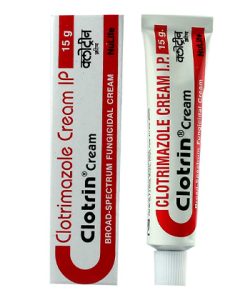
In brief
- In our pharmacy you can buy clotrimazole without a prescription in Australia; it is widely available OTC as 1% creams, lotions, powders and as vaginal preparations — discreet packaging and delivery options are available.
- Clotrimazole is an antifungal (imidazole) used to treat superficial fungal infections; it works by inhibiting the fungal enzyme 14α‑demethylase, disrupting ergosterol synthesis and damaging the fungal cell membrane.
- Usual dosages: for skin infections apply 1% cream 2–3 times daily for 2–4 weeks (continue at least 2 weeks after symptoms resolve); vulvovaginal candidiasis 100 mg vaginal tablet nightly for 6 nights or a single 500 mg tablet; oral lozenge 10 mg to dissolve 5 times daily for oropharyngeal thrush (where available).
- Forms of administration include topical cream, lotion or powder, vaginal tablet/ovule, and oral lozenge (local/topical administration only in most markets).
- Onset time: symptom relief (reduced itching/burning) is often noticed within 24–72 hours, though visible improvement may take several days.
- Duration of action: the antifungal effect is local and depends on formulation and course — topical treatment is continued daily for 2–4 weeks for cure; a single 500 mg vaginal tablet gives sustained activity for several days; lozenges are used for up to 14 days as directed.
- Alcohol warning: no specific interaction with alcohol for topical or vaginal use, but avoid heavy alcohol use if using oral formulations or if you have liver disease — consult a healthcare professional if unsure.
- The most common side effects are local reactions such as skin irritation, burning, redness, itching or rash; vaginal use can cause local burning, pelvic cramps or discharge.
- Would you like to try clotrimazole without a prescription?
Critical Warnings & Restrictions
Basic Clotrimazole Information
- INN (International Nonproprietary Name): Clotrimazole
- Brand Names Available In Australia: Canesten, Lotrimin, Clotrimaderm and various generics (brands listed in international product data such as Canesten and Lotrimin)
- ATC Code: D01AC01 (topical); G01AF02 (vaginal)
- Forms & Dosages: 1% and 2% creams; 100 mg and 500 mg vaginal tablets/pessaries; 1% solutions, lotions and powders
- Manufacturers In Australia: not specified
- Registration Status In Australia: not specified
- OTC / Rx Classification: 1% topical creams, solutions and dusting powders are commonly OTC; some vaginal or higher‑strength combination products may require a prescription depending on local rules
Stop use and seek immediate advice if you have signs of a serious allergic reaction such as hives, facial swelling or breathing difficulty.
People in high‑risk groups should get pharmacist or GP review before using clotrimazole.
High‑Risk Groups (Elderly, Pregnancy, Chronic Illness)
Pregnant or breastfeeding people should check with their clinician before treatment.
Topical and vaginal clotrimazole are generally considered safe in pregnancy but clinical confirmation is recommended.
Infants and children under 2 years need prescriber oversight before topical or vaginal use.
People who are immunocompromised (for example, HIV or receiving chemotherapy) should see a GP as infections may be atypical or require systemic therapy.
Severe liver disease is a reason for specialist review if systemic antifungals are being considered.
Frail elderly with skin fragility need assessment because thin skin can increase absorption and irritancy.
Interaction With Activities (Driving, Workplace Safety Under Australian Law)
Topical and vaginal clotrimazole produce negligible systemic effects and are not expected to impair driving or operating machinery.
If an oral systemic formulation is used (rare in Australia), monitor for dizziness or other CNS effects and follow medical advice about driving.
Workers in safety‑critical roles should report any new dizziness, drowsiness or visual disturbance to their clinician and employer as required under workplace safety rules.
Q&A — Can I Drive After Taking It In Australia?
Short answer: Yes for topical and vaginal use — no impairment is expected.
If you experience dizziness, severe local reaction or breathing problems do not drive and seek medical advice immediately.
Record symptoms and report them to your pharmacist or GP.
| Route | Risk To Activities | Action |
|---|---|---|
| Topical/Vaginal | Minimal systemic exposure | Safe for driving unless dizziness or severe reaction occurs |
| Oral/Systemic (rare) | Moderate risk of systemic interactions and dizziness | Do not drive if affected; review concomitant medicines |
Usage Basics
What is the product called and where it comes from are common first questions.
INN, Brand Names Available In Australia
The International Nonproprietary Name (INN) is clotrimazole.
Common retail brands you’ll see in Australia include Canesten and Lotrimin plus many generics and private label creams and pessaries.
Available presentation types include clotrimazole cream (typically 1% or 2%), clotrimazole vaginal pessaries or tablets (100 mg and 500 mg) and topical solutions or powders.
Legal Classification (TGA‑Approved, PBS‑Listed)
Topical and many vaginal clotrimazole products are registered medicines in international registers and similar formulations are commonly available OTC in many countries.
In Australia many low‑strength topical and some vaginal products are sold over the counter, while some higher strength or combination products may be prescription only.
PBS subsidy status varies by formulation and indication, so check the PBS Schedule or ask your pharmacist for current subsidy details.
| INN | Common Brands / Formulations |
|---|---|
| Clotrimazole | Canesten cream 1%, Lotrimin cream 1%, clotrimazole 100 mg pessaries, clotrimazole 500 mg single dose tablet |
Dosing Guide
People ask how often and for how long to use clotrimazole for different infections.
Standard Regimens (PBS Reference Dosing)
For tinea (athlete’s foot, ringworm, jock itch) apply 1% cream to the affected area two to three times daily for two to four weeks.
Continue treatment for at least two weeks after visible symptoms resolve to reduce relapse.
For vulvovaginal candidiasis common OTC regimens are a 100 mg vaginal tablet nightly for six nights or a single 500 mg pessary/tablet depending on product choice.
Oropharyngeal lozenges (10 mg) are less common in Australia and where used are typically dosed five times daily for 14 days and are usually prescription only.
Adjustments For Comorbidities
Topical formulations generally require no dose adjustment for elderly people or those with renal impairment.
Caution is advised if applied to broken or inflamed skin because systemic absorption can increase.
Vaginal topical use in pregnancy is commonly used but discuss with your obstetric team if concerned.
Children under two years should only use clotrimazole under healthcare provider supervision.
Q&A — What If I Miss A Dose?
Apply the missed topical or vaginal dose as soon as you remember.
If it is almost time for the next application, skip the missed dose and continue as normal.
Do not double up applications.
If a single‑dose pessary/tablet is missed consult your pharmacist or GP for guidance.
- Checklist: Tinea — apply cream 2–3 times daily, 2–4 weeks.
- Checklist: Vaginal thrush — 100 mg nightly for 6 nights or single 500 mg dose.
- Checklist: Children under 2 and severe liver disease — seek prescriber advice.
| Indication | Typical Dose | Duration |
|---|---|---|
| Tinea (skin) | 1% cream 2–3 times daily | 2–4 weeks |
| Vulvovaginal Candidiasis | 100 mg nightly x6 or single 500 mg dose | 1–6 days depending on product |
Interaction Chart
People often ask if clotrimazole interacts with food, alcohol or other medicines.
Food And Drinks (Alcohol, Coffee, Australian Diet Context)
Topical and vaginal clotrimazole give minimal systemic exposure so food and drink interactions are not clinically relevant.
There is no documented acute interaction between alcohol and topical clotrimazole.
For oral systemic antifungals avoid heavy alcohol because of potential liver stress, but oral clotrimazole is uncommon in Australia.
Coffee, tea and typical Australian diets do not interact with topical or vaginal use.
Common Drug Conflicts
Topical clotrimazole rarely interacts with other medicines.
Systemic clotrimazole can inhibit cytochrome P450 enzymes such as CYP3A4 and may raise levels of medicines metabolised by these enzymes, including some statins and warfarin.
Do not combine topical azole preparations with other topical azoles — there is no benefit to duplication.
Avoid unnecessary concurrent use with potent topical corticosteroids unless prescribed, due to risk of skin thinning.
| Route | Interaction Risk | Action |
|---|---|---|
| Topical/Vaginal | Minimal | Monitor local irritation; no major drug interactions expected |
| Oral/Systemic | Moderate | Check CYP3A4 interactions (statins, warfarin); monitor liver function |
- High‑risk medicines to check with prescriber: warfarin, certain statins, some benzodiazepines.
User Reports & Trends (Australian Patient Feedback)
Customers commonly ask which product is most effective and whether single‑dose options are worth the extra cost.
Reviewers on Australian retail platforms and pharmacy consultations commonly report that clotrimazole creams and pessaries are effective first‑line options for fungal skin infections and thrush.
Price sensitivity is frequent with shoppers comparing national chains and online retailers for the best deal.
Many consumers prefer single‑dose vaginal pessaries for convenience and adherence.
Occasional local irritation or burning is reported and prompts early discontinuation in some users, which can increase recurrence risk.
- Pros From Reviews: effective for mild infections, widely available, low cost options.
- Cons From Reviews: local irritation, some cases of recurrence, price comparison shopping.
| Top Complaint | Recommended Action |
|---|---|
| Persistent or recurrent thrush | Refer to GP for investigation and prescription options |
| Local irritation or burning | Stop product and consult pharmacist or GP |
Access & Purchase Options
Readers want to know where to buy clotrimazole and how fast they can get it delivered.
National Chains (Chemist Warehouse, Priceline, TerryWhite)
Major Australian pharmacy chains routinely stock clotrimazole creams and pessaries in multiple brands and generics.
Local community pharmacies also supply OTC options and provide pharmacist counselling and substitution where appropriate.
Rural pharmacies generally keep core formulations in stock though brand range may be narrower than in metro centres.
Online Pharmacies And Telehealth E‑Prescriptions
Many Australian online pharmacies sell OTC clotrimazole and telehealth services can issue e‑prescriptions for prescription‑only antifungals when required.
Choose TGA‑registered suppliers and Australian retailers for warranty, returns and pharmacist contact details.
In our online pharmacy clotrimazole is available without a prescription, with discreet delivery to Australia in 9–21 days.
| Source | Availability | Speed | Pharmacist Advice |
|---|---|---|---|
| In‑Store (Major Chain) | OTC | Same day / next day collection | In‑person pharmacist available |
| Online Pharmacy | OTC / Rx via e‑script | 3–14 days depending on delivery | Pharmacist contact by phone or chat |
| Telehealth + E‑Prescription | Rx only products | Collection from local pharmacy or delivery | Clinician consultation available online |
- Checklist For Safe Online Purchase: TGA listing, expiry date, batch number, clear pharmacist contact details.
Mechanism & Pharmacology
People want a simple explanation of how clotrimazole works and what to expect physiologically.
Simplified Explanation
Clotrimazole is an imidazole antifungal that damages fungal cell membranes by inhibiting ergosterol synthesis.
Loss of ergosterol destabilises the fungal membrane and impairs cell growth, producing fungistatic and fungicidal effects depending on organism and concentration.
The medication is effective against Candida species and many dermatophytes that cause tinea infections.
Clinical Terms
ATC codes for clotrimazole reflect topical (D01AC01) and vaginal (G01AF02) use.
Topical and vaginal formulations show minimal systemic absorption, while oral lozenges or systemic forms lead to higher systemic levels and need hepatic monitoring.
Common adverse effects are local and include irritation, burning, redness and rash.
| Mechanism | Clinical Effect | Typical Formulations |
|---|---|---|
| Ergosterol Inhibition | Fungal membrane damage; reduced growth | Topical creams, vaginal pessaries, lozenges |
- Definition: Ergosterol inhibition → membrane destabilisation → antifungal effect.
- Spectrum: Candida spp. and dermatophytes causing athlete’s foot and ringworm.
Indications & Off‑Label Uses
Customers ask which infections clotrimazole will reliably treat and when to see a GP.
Approved Indications By TGA
Clotrimazole is licensed for topical treatment of superficial mycoses such as athlete’s foot, tinea corporis and jock itch.
Vaginal formulations are used for vulvovaginal candidiasis and lozenges are used for oropharyngeal candidiasis where licenced.
Off‑Label Uses In Australian Clinical Practice
Off‑label topical uses include mild pityriasis versicolor and local management of fungal overgrowth in intertrigo when oral therapy is unsuitable.
Veterinary ringworm treatment is sometimes undertaken with human formulations, but veterinary advice should be sought.
Systemic off‑label oral use is uncommon in Australia and should only be used under specialist supervision.
| Indication | Recommended Formulation/Duration |
|---|---|
| Tinea (athlete’s foot, ringworm) | 1% cream, 2–4 weeks |
| Vulvovaginal candidiasis | 100 mg x6 nights or single 500 mg dose |
- Refer To GP/Dermatologist If: recurrent infections, widespread disease, immunosuppression or failed OTC therapy.
Key Clinical Findings (Australian And International Up To 2026)
Pharmacists and prescribers rely on trial data and reviews when recommending antifungals.
Systematic reviews and RCTs show topical clotrimazole 1% is effective versus placebo for uncomplicated tinea and candidal skin infections.
Vaginal clotrimazole regimens such as 100 mg for six nights or a single 500 mg pessary achieve clinical cure rates similar to other azoles in many trials.
Comparative studies often find terbinafine acts faster for dermatophytes, while clotrimazole remains effective for Candida‑driven infections.
Recent trends 2022–2026 include interest in single‑dose pessaries for adherence and ongoing local surveillance for antifungal resistance among Candida species.
Recurrent vulvovaginal candidiasis is increasingly recognised as requiring specialist investigation and tailored management.
| Study Type | Year | Outcome |
|---|---|---|
| RCTs / Systematic Reviews | Various | Topical clotrimazole effective for tinea and candidal skin infections |
- Clinical Takeaways: ensure adequate duration, encourage adherence and refer recurrent cases for further workup.
Alternatives Matrix
When clotrimazole is unsuitable or ineffective, other antifungals may be preferred.
PBS‑Listed Alternatives Comparison Table
| Agent | Typical Formulations | Spectrum | Time To Relief | PBS Listed? |
|---|---|---|---|---|
| Clotrimazole | Creams, pessaries, lozenges | Candida, dermatophytes | Days to weeks | Varies by formulation |
| Miconazole | Creams, pessaries | Similar to clotrimazole | Days to weeks | Varies |
| Terbinafine | Creams, oral | Better for dermatophytes | Often quicker for tinea | Varies |
| Econazole | Creams, pessaries | Candida and dermatophytes | Days to weeks | Varies |
Pros And Cons Checklist
- Clotrimazole: OTC availability, effective for Candida and dermatophytes, well tolerated.
- Terbinafine: often faster against dermatophytes but less active against Candida.
- Miconazole: similar spectrum to clotrimazole and a common alternative.
- Ketoconazole: systemic risks limit routine use; topical use less common due to alternatives.
Decision Checklist For Pharmacists: identify likely organism, assess severity, ask about pregnancy status and prior failures, check PBS eligibility, then recommend agent or refer.
Common Questions (Australian Pharmacy Consultations)
Here are the short answers pharmacists give in everyday consultations.
- Is it safe in pregnancy? — Topical and vaginal clotrimazole are commonly used in pregnancy but confirm with the GP or obstetric team.
- How long until I feel better? — Topical infections often improve within days but may take weeks; vaginal single‑dose products may ease symptoms quickly though full cure can take days.
- Can I use it with condoms? — Creams can weaken latex; avoid sex until cream is absorbed. Pessaries may be less likely to affect condoms but check the product leaflet.
- When to see a GP? — Severe, spreading, systemic symptoms, recurrence (four or more episodes per year) or immunosuppression require GP review.
Red Flags Requiring Referral:
- High fever, spreading infection, severe pain or systemic symptoms.
- Recurrent thrush (≥4 per year).
- No improvement after recommended treatment duration.
Sample Pharmacist Script:
- “Do you have any allergies to antifungals or imidazoles?”
- “Are you pregnant, breastfeeding or taking any regular medicines?”
- “Apply a pea‑sized amount to the affected area two to three times daily and continue for two weeks after symptoms clear.”
- “If you notice burning, swelling or breathing difficulty stop and seek urgent care.”
Price & Access Comparison Table
Price varies by brand, pack size and retailer, so the following is indicative only.
| Pharmacy/Source | Typical Price Range (AUD) | PBS Subsidy Status | Prescription Required |
|---|---|---|---|
| Chemist Warehouse | Low to mid single‑digit to low double‑digit | Varies by formulation | OTC for most creams/pessaries |
| Priceline | Low to mid single‑digit to low double‑digit | Varies | OTC for many products |
| TerryWhite Chemmart / Local Chemist | Similar ranges; possible higher for niche brands | Varies | OTC where applicable |
| Online Telehealth | Depends on prescription products and delivery | Prescription items may have PBS coverage if eligible | Prescription required for some formulations |
- Access Checklist: check pharmacy opening hours, online ordering and delivery, pharmacist availability, e‑prescription acceptance, and remote delivery options for rural customers.
Registration & Regulation
Understanding the regulatory status helps when advising patients about safety and supply.
TGA Approval
Clotrimazole products are registered medicines in international registers and comparable topical and vaginal formulations are commonly entered in national registers.
In Australia, specific ARTG entries and legal classification vary by formulation and strength.
Report adverse events via the TGA Adverse Event Reporting System.
PBS Subsidy Details
PBS listing depends on formulation and indication and may apply to certain pessaries or specialist topical agents for defined indications.
Pharmacists and prescribers should consult the current PBS Schedule and ARTG entries for exact listing and reimbursement criteria.
| Regulatory Body | Example Product Types | Check |
|---|---|---|
| TGA / ARTG | Topical creams, vaginal pessaries | Verify ARTG entry and product labelling |
| PBS | Selected prescription formulations | Consult PBS Schedule for subsidy details |
- Checklist: verify ARTG registration, PBS eligibility and authority rules before advising on subsidy.
Storage & Handling
Patients often store creams and pessaries in bathrooms where heat and humidity can shorten shelf life.
Household Storage In Australian Climate (Heat/Humidity)
Store clotrimazole products below 25°C and keep them away from moisture and direct sunlight.
Do not leave creams or pessaries in hot cars or steamy bathrooms, particularly during Australian summers.
Keep products in their original packaging and out of reach of children.
Cold‑Chain Handling For Pharmacies
Clotrimazole does not require cold‑chain storage but warehouses and pharmacies should avoid prolonged heat exposure during transport and storage.
Rotate stock by expiry and record batch numbers to facilitate any recall actions.
Dispose of expired or opened pessaries and creams according to local pharmacy waste policies and advise patients not to flush pessaries down the toilet.
| Do | Don’t |
|---|---|
| Store below 25°C in original packaging | Leave creams in hot cars or steamy bathrooms |
| Rotate pharmacy stock by expiry | Flush pessaries or creams down the toilet |
- Household Checklist: cool, dry cabinet; original box; out of children’s reach; check expiry before use.
Guidelines For Proper Use & Pharmacist Counselling
Clear counselling improves adherence and outcomes for fungal infections.
Australian Pharmacist Counselling Style
Confirm allergy history to imidazoles before recommending clotrimazole.
Ask about pregnancy or breastfeeding, current medications and duration of symptoms.
Show correct application technique and advise the recommended frequency and duration.
Emphasise hygiene measures such as keeping affected areas dry, changing socks daily and not sharing towels for tinea infections.
Warn about local irritation and advise stopping treatment and seeking care if severe reactions occur.
Patient Advice From PBS And National Health Authorities
Encourage patients to complete the full course even if symptoms improve.
Refer patients with recurrent thrush (four or more episodes per year) to a GP for investigation and possible specialist referral.
Record the product name and batch in patient notes if an adverse event occurs and report to the TGA.
- Patient Counselling Checklist: allergy check, pregnancy status, concurrent medicines, demonstration of application, follow‑up timing.
- Sample Dispensing Script: “This is clotrimazole cream 1%. Apply a thin layer to the affected area two to three times daily. Continue for two weeks after symptoms clear.”
Red Flags Definition List:
- Systemic symptoms such as fever or malaise.
- Rapid spread of skin infection or involvement of large body areas.
- Recurrent infections or immunosuppressed status.
Delivery Across Australia
| City | Region | Delivery Time |
|---|---|---|
| Sydney | New South Wales | 9-14 days |
| Melbourne | Victoria | 9-14 days |
| Brisbane | Queensland | 9-14 days |
| Perth | Western Australia | 9-14 days |
| Adelaide | South Australia | 9-14 days |
| Canberra | Australian Capital Territory | 9-14 days |
| Hobart | Tasmania | 9-14 days |
| Darwin | Northern Territory | 9-14 days |
| Gold Coast | Queensland | 9-14 days |
| Newcastle | New South Wales | 9-14 days |
| Wollongong | New South Wales | 9-14 days |
| Geelong | Victoria | 9-14 days |
| Townsville | Queensland | 14-21 days |
| Cairns | Queensland | 14-21 days |