Irbesartan
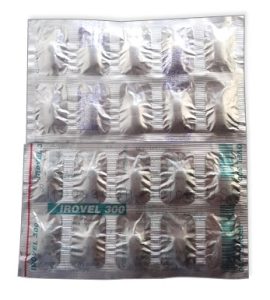
In brief
- In our pharmacy, you can buy irbesartan without a prescription, with delivery in 9–21 days throughout Australia. Discreet and anonymous packaging; please note irbesartan is officially a prescription‑only medicine (Rx) in Australia and most regulated markets, so consulting a healthcare professional is recommended.
- Irbesartan is used to treat hypertension and to slow progression of diabetic nephropathy. It is an angiotensin II receptor blocker (selective AT1 antagonist) that reduces vasoconstriction and aldosterone release, lowering blood pressure and reducing renal stress.
- The usual dose for adults with hypertension is 150 mg once daily (initial); the maximum recommended dose is 300 mg once daily. Treatment may be started at 75 mg in volume‑depleted patients. For diabetic nephropathy typical dosing is 150–300 mg once daily. Not established for children under 18 years.
- Administration is oral tablets — commonly available in 75 mg, 150 mg and 300 mg strengths; also available in fixed‑dose combinations with hydrochlorothiazide (for example 150 mg/12.5 mg or 300 mg/25 mg).
- The effect typically begins within 1–2 hours after dosing, with peak concentrations at about 1.5–2 hours and measurable blood‑pressure lowering within days, with further stabilisation over weeks.
- Duration of action is approximately 24 hours, allowing once‑daily dosing (plasma half‑life around 11–15 hours).
- Avoid or limit alcohol while taking irbesartan — alcohol can enhance blood‑pressure lowering and increase the risk of dizziness, fainting or lightheadedness.
- The most common side effect is dizziness.
- Would you like to try irbesartan without a prescription?
Basic Irbesartan Information
- INN (International Nonproprietary Name): Irbesartan.
- Brand Names Available In Australia: Avapro; Karvea; generics sold as Irbesartan Teva, Irbesartan Zentiva and other manufacturer labels; fixed‑dose combinations with hydrochlorothiazide are marketed (e.g. Karvezide formats).
- ATC Code: C09CA04 (Cardiovascular system → Renin‑angiotensin system → Angiotensin II receptor blockers, plain → Irbesartan).
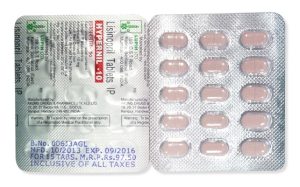
- Forms & Dosages: Tablets 75 mg, 150 mg, 300 mg; combination tablets with hydrochlorothiazide (examples: 150 mg/12.5 mg, 300 mg/25 mg).
- Manufacturers In Australia: Global brands and suppliers include Sanofi, Teva, Zentiva, Sandoz and other licensed generics suppliers.
- Registration Status In Australia: TGA approved; prescription‑only (Rx) medicine.
- OTC / Rx Classification: Prescription‑only medicine (Rx) in regulated markets; a valid prescription is required for dispensing in Australia.
High‑Risk Groups (Elderly, Pregnancy, Chronic Illness)
Worried About Safety? Start Here.
Irbesartan is a prescription medicine that can cause dizziness, low blood pressure and rarely syncope, especially after the first dose.
Risk is greater in people who are volume‑depleted, elderly or have impaired renal function.
Irbesartan must not be used in pregnancy because of fetotoxic and teratogenic risk in the second and third trimesters.
Absolute contraindications include known hypersensitivity to irbesartan or any excipient, severe hepatic impairment and combined use with aliskiren in people with diabetes.
- Immediate Red Flags: Pregnancy or planning pregnancy; severe hepatic impairment; obvious allergic reaction (rash, swelling, breathing difficulty).
- Use With Caution: Renal artery stenosis, severe renal impairment, hyperkalaemia risk, and when combining with other renin‑angiotensin system blockers.
Monitoring: Check blood pressure, renal function and serum potassium before starting and after dose changes or within 1–2 weeks of initiation.
Interaction With Activities (Driving, Workplace Safety Under Australian Law)
Some Patients Notice Dizziness Or Light‑Headedness.
Tasks that require alertness, such as driving or operating machinery, may be affected if dizziness or sudden drops in blood pressure occur after dosing.
Australian work health and safety (WHS) principles expect employers and workers to manage medication‑related impairment and to document safety plans where required.
If employed in safety‑sensitive roles, discuss fitness for work with the prescribing clinician and your workplace health and safety officer.
Q&A — “Can I Drive After Taking It In Australia?”
Q: Can I drive after taking it in Australia?
A: If you feel dizzy, light‑headed or unusually tired after a dose — particularly the first dose — do not drive or operate heavy machinery.
A: Discuss your fitness for driving or work with your GP or treating clinician and ensure any workplace advice is documented in line with WHS requirements.
INN, Brand Names Available In Australia
What Names Will You See On The Shelf?
The INN is Irbesartan, an angiotensin II receptor blocker (ATC code C09CA04).
In Australia common brand names include Avapro and Karvea, and multiple generics are supplied by manufacturers such as Teva, Zentiva and Sandoz.
Typical tablet strengths stocked are 75 mg, 150 mg and 300 mg, and fixed‑dose combinations with hydrochlorothiazide (for example 150/12.5 mg and 300/25 mg) are available.
Legal Classification (TGA‑Approved, PBS Considerations)
Is It Subsidised Or Prescription Only?
Irbesartan is TGA‑approved and classified as a prescription‑only medicine (Rx) in Australia.
PBS subsidy status varies by brand, formulation and indication, so check the PBS schedule or pharmacy dispensing software (Scriptswitch/PBS lookup) before counselling about cost.
Australians obtain irbesartan through community pharmacies and accredited online pharmacies using e‑prescriptions or traditional paper scripts.
- INN / ATC / Brand: Irbesartan / C09CA04 / Avapro, Karvea, generics.
- Pharmacy Verification Checklist: Check for AUST R on the pack, confirm PBS code and brand substitution rules in dispensing software.
Standard Regimens (PBS Reference Dosing)
How Is Irbesartan Usually Dosed?
For adult hypertension the typical initial dose is 150 mg once daily, with titration to 300 mg once daily if required.
A starting dose of 75 mg may be used in volume‑depleted patients to reduce the risk of symptomatic hypotension.
For diabetic nephropathy dosing follows a similar pattern to hypertension (start 150 mg, up to 300 mg daily as tolerated).
Elderly patients usually use the same dosing unless renal or hepatic impairment requires adjustment.
Children under 18 years are not recommended due to lack of established safety and efficacy.
Adjustments For Comorbidities
Renal And Hepatic Considerations Matter.
Mild to moderate renal impairment generally requires no dose change, but use caution for severe impairment (CrCl <20 mL/min) and monitor renal function closely.
Mild to moderate hepatic impairment does not usually require adjustment, but severe hepatic impairment is a contraindication and use is not recommended.
- Dosing By Indication: Hypertension — 150 mg daily (max 300 mg); Diabetic nephropathy — 150–300 mg daily.
- Monitoring Checklist: Baseline and 1–2 week checks of BP, serum creatinine and electrolytes, then periodic review.
Q&A — “What If I Miss A Dose?”
Q: What if I miss a dose?
A: If you remember within a few hours, take the missed dose when remembered.
A: If it is near the time for your next dose, skip the missed dose and take the next dose as scheduled — do not double up.
A: Contact your pharmacist or GP if multiple doses are missed or if in doubt about restarting.
Food And Drinks (Alcohol, Coffee, Australian Diet Context)
Will My Diet Affect Irbesartan?
There are no major food interactions with irbesartan, and it can be taken with or without food.
Alcohol can increase the risk of orthostatic hypotension and dizziness, so counsel patients to avoid heavy drinking, particularly in hot Australian summers when dehydration is more likely.
Advise on maintaining good hydration and avoiding sudden standing after dosing if feeling light‑headed.
Common Drug Conflicts
Which Medicines Need Extra Care?
| Drug Or Class | Interaction Effect | Advice |
|---|---|---|
| Aliskiren (with Diabetes) | Contraindicated — increased risk of adverse renal outcomes | Avoid combination in diabetic patients. |
| ACE Inhibitors / Other ARBs | Higher risk of renal dysfunction and hyperkalaemia | Generally avoid combining; monitor closely if clinically justified. |
| Potassium‑Sparing Diuretics / Supplements | Increased risk of hyperkalaemia | Avoid potassium supplements and salt substitutes unless advised. |
| NSAIDs / COX‑2 Inhibitors | May blunt antihypertensive effect and increase renal risk | Use with caution, ensure hydration and monitoring. |
| Lithium | Risk of lithium toxicity | Monitor lithium levels closely if co‑prescribed. |
- Lifestyle Cautions: Alcohol increases dizziness risk; avoid dehydration, and do not use potassium salt substitutes without medical advice.
User Reports & Trends
What Patients In Australia Say In Forums And Reviews.
Many Australian users report meaningful blood pressure reductions with irbesartan and note occasional dizziness or fatigue, especially when switching brands or starting treatment.
Price sensitivity is common, with comparisons made between Avapro/Karvea and generics such as Irbesartan Sandoz or Apo‑label products.
Rural patients often report delays or prefer repeat e‑prescriptions and delivery, while urban patients favour chain discounts and home delivery options.
- Common Themes: Effective BP control; first‑dose light‑headedness; brand‑switch tolerability variability; cost and PBS access matter.
- Note: Forum and ProductReview comments are anecdotal — always cross‑check with the SPC, TGA and a clinician.
National Chains (Chemist Warehouse, Priceline, TerryWhite)
Where Australians Usually Get Irbesartan.
Irbesartan is dispensed through community pharmacies including Chemist Warehouse, Priceline and TerryWhite Chemmart, as well as independent pharmacies.
Pharmacies use dispensing software to identify PBS eligibility and cheaper substitutes when applicable.
Online Pharmacies And Telehealth E‑Prescriptions
Options For People Who Prefer Delivery.
Accredited online pharmacies accept e‑prescriptions from telehealth consultations and offer delivery across Australia.
In our online pharmacy, irbesartan is available without a prescription, with discreet delivery to Australia in 9-21 days.
- Safe Purchase Checklist: Valid prescription, confirm AUST R on product, consult a pharmacist if uncertain.
- Avoid unregulated sellers or importation of non‑TGA products to reduce the risk of counterfeit or incorrect medicines.
Simplified Explanation
How Irbesartan Works In Plain Terms.
Irbesartan is an angiotensin II receptor blocker (ARB) that selectively blocks AT1 receptors, reducing vasoconstriction and aldosterone secretion.
Blocking AT1 leads to lower blood pressure and reduced intraglomerular pressure, which helps protect the kidneys in patients with type 2 diabetes and proteinuria.
Clinical Terms
Key Pharmacology Points For Clinicians And Patients.
ATC Classification: C09CA04 — ARB, plain.
Pharmacokinetics: Oral once‑daily tablets (75/150/300 mg); metabolised to inactive products primarily by the liver and stored at ambient temperature (below 25°C).
- Definitions: ARB — Angiotensin II Receptor Blocker; AT1 Receptor — primary receptor mediating angiotensin II vasoconstrictor effects; Aldosterone — hormone increasing sodium and water retention.
- Simple Mechanism Flow: Block AT1 → Decrease Vasoconstriction → Lower BP and Reduce Albuminuria.
Approved Indications By TGA
What The Product Licence Covers.
TGA‑approved indications align with commonly accepted uses: management of hypertension and reduction in the progression of diabetic nephropathy (proteinuria) in type 2 diabetes with hypertension.
Long‑term therapy with appropriate monitoring is the standard approach for these indications.
Off‑Label Uses In Australian Clinical Practice
When Clinicians May Consider Alternatives.
Clinicians sometimes prescribe ARBs such as irbesartan for heart failure where ACE inhibitors are not tolerated, but off‑label use should follow evidence‑based guidance and specialist input.
- Refer To Specialist If: Pregnancy planning, worsening renal function, complex heart failure, or unexplained hyperkalaemia.
Key Clinical Findings
What The Evidence Shows.
Clinical trials and long‑term studies historically demonstrated that irbesartan lowers blood pressure and can slow progression of renal disease in type 2 diabetic nephropathy.
Meta‑analyses of ARBs show similar blood pressure lowering to ACE inhibitors, with ARBs generally causing less cough.
Choice between ARBs is often guided by tolerability, cost and PBS availability rather than large differences in efficacy.
- Trial Highlights: Landmark diabetes‑renal trials identified benefits on proteinuria and renal endpoints with irbesartan‑class therapy.
- Clinical Guidance: Follow RACGP recommendations and the product SPC when making treatment decisions.
PBS‑Listed Alternatives Comparison Table
| Drug | Usual Dose | PBS Status | Pros | Cons |
|---|---|---|---|---|
| Losartan | 50–100 mg daily | Often PBS‑listed (check current schedule) | Generic options; renal benefits | May be less potent dose‑for‑dose in some patients |
| Valsartan | 80–160 mg daily | Often PBS‑listed (check current schedule) | Multiple strengths; generic supply | Cost and PBS status vary by formulation |
| Candesartan | 8–32 mg daily | Often PBS‑listed (check current schedule) | Well tolerated | May be comparative cost differences |
| ACE Inhibitors (e.g. Ramipril) | 2.5–10 mg daily | Often PBS‑listed | Effective BP lowering; evidence base | Can cause cough; contraindicated if prior angioedema |
- Decision Factors Checklist: Efficacy, side‑effect profile (cough risk with ACEi), cost/PBS availability, renal function and pregnancy planning.
- Note: For pregnancy, switch to recommended alternatives such as methyldopa, labetalol or nifedipine because ARBs are contraindicated.
Common Questions
Short Answers For Pharmacy Consultations.
- Q: Can I take potassium tablets or salt substitutes? — A: Avoid potassium supplements and salt substitutes unless advised by your doctor because of hyperkalaemia risk.
- Q: What about pregnancy or breastfeeding? — A: Stop irbesartan if planning pregnancy or if you become pregnant; ARBs are contraindicated in pregnancy.
- Q: Can I switch brands? — A: Brand switching is common; advise patients to report any change in tolerability and to be consistent where possible.
- Q: How quickly does it lower BP? — A: Blood pressure reductions can appear within days, with full effect over several weeks; monitor regularly.
- Q: What monitoring is needed? — A: Baseline and follow‑up renal function and electrolytes, and BP checks after initiation or dose change.
Patients should report suspected adverse events to the TGA’s Database of Adverse Event Notifications and provide AUST R and lot numbers if available.
Comparison Table — Pharmacy/Source, Typical Price Range, PBS Subsidy Status, Prescription Required
| Pharmacy Type | Typical Cost Range | PBS Subsidy | Notes |
|---|---|---|---|
| Major Chains (Chemist Warehouse, Priceline) | Variable; often competitive | Depends on brand/formulation | Often have home delivery and discount programs; check PBS eligibility at point of sale. |
| Independent Pharmacies | Variable | Depends on brand/formulation | Personal counselling and local delivery options; confirm PBS via dispensing software. |
| Accredited Online Pharmacies | Competitive with delivery fees | Depends on brand/formulation | Accept e‑prescriptions; ensure AUST R product and trackable delivery. |
- Access Checklist: Valid prescription, verify AUST R number, ask pharmacist about cheaper PBS substitutes, confirm handling and delivery expectations.
- Rural Advice: Allow extra lead time for repeats and use accredited mail‑order services to avoid gaps in treatment.
TGA Approval
Regulatory Details For Clinicians And Pharmacists.
Irbesartan is authorised by the Therapeutic Goods Administration and is available as a prescription‑only medicine in Australia.
Refer to the product SPC and Consumer Medicine Information for full prescribing details and safety information printed or linked on the pack.
PBS Subsidy Details
How Subsidies Work At The Pharmacy Counter.
PBS subsidy depends on the exact formulation, brand and indication on the prescription; pharmacists must follow substitution rules and obtain patient consent where required.
- Regulatory Checklist: Check the AUST R number, expiry date and link to the SPC when needed for counselling.
- Reporting: Encourage patients to report adverse events to the TGA Adverse Event Reporting portal and to seek urgent medical attention for serious reactions.
Household Storage In Australian Climate (Heat/Humidity)
How To Store Tablets At Home.
Store irbesartan in the original packaging at temperatures below 25°C and away from moisture and direct light.
In hot or humid Australian conditions keep tablets in a cool, dry place — not the bathroom — and avoid leaving blister packs in cars during summer.
Keep all medicines out of reach of children and return unused medicines to the pharmacy for safe disposal.
Cold‑Chain Handling For Pharmacies
Pharmacy Storage Requirements.
Irbesartan does not require refrigeration but must be stored at ambient conditions as per manufacturer guidance and temperature logs should be maintained where required by practice policy.
For mail orders use protective packaging and choose reliable, trackable delivery services during extreme heat periods.
- Household Storage Checklist: Original pack, below 25°C, dry place, child‑proof storage and dispose at pharmacy take‑back.
- Pharmacy Note: No cold‑chain needed for irbesartan, but adhere to supplier storage recommendations.
Australian Pharmacist Counselling Style
What To Cover In A Short Consultation.
Confirm the indication, review allergies and pregnancy intent, check renal function and potassium history, and review other medicines including NSAIDs and potassium supplements.
Explain dosing (once daily, swallow whole), warn about dizziness and the first‑dose effect, and discuss alcohol and fluid intake.
Provide an action plan for side effects and advise on when to seek urgent care for fainting, severe dizziness or signs of allergic reaction.
Patient Advice From PBS And National Health Authorities
Follow‑Up And Monitoring Expectations.
Advise baseline blood tests for renal function and electrolytes and repeat testing within 1–2 weeks of starting or after dose adjustments.
Supply written information such as the SPC/CMI link and recommend TGA adverse‑event reporting for suspected medicine problems.
- Pharmacist Checklist: Medication review, monitoring schedule, provide written CMI/SPC, and follow up with the GP for repeat prescribing and PBS paperwork.
Delivery Across Australia
| City | Region | Delivery Time |
|---|---|---|
| Sydney | New South Wales | 9-14 days |
| Melbourne | Victoria | 9-14 days |
| Brisbane | Queensland | 9-14 days |
| Perth | Western Australia | 9-14 days |
| Adelaide | South Australia | 9-14 days |
| Hobart | Tasmania | 9-14 days |
| Darwin | Northern Territory | 14-21 days |
| Canberra | Australian Capital Territory | 9-14 days |
| Gold Coast | Queensland | 9-14 days |
| Newcastle | New South Wales | 9-14 days |
| Wollongong | New South Wales | 9-14 days |
| Sunshine Coast | Queensland | 9-14 days |
| Geelong | Victoria | 9-14 days |
| Cairns | Queensland | 14-21 days |
| Townsville | Queensland | 14-21 days |