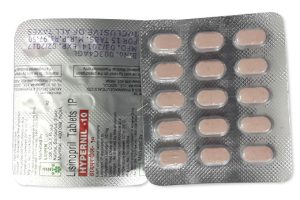
Prinivil
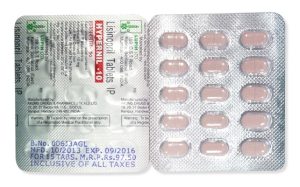
In brief
- Prinivil is normally supplied in pharmacies, hospitals and via licensed e‑pharmacies and in Australia it is prescription‑only; while some sellers may claim to supply it without a prescription or receipt, this is not recommended and proper medical review and monitoring are required.
- Prinivil (lisinopril) is used for hypertension, heart failure, post‑myocardial infarction and paediatric hypertension (≥6 years); it is an ACE inhibitor that blocks angiotensin‑converting enzyme, reducing angiotensin II and aldosterone leading to vasodilation and lowered blood pressure.
- Usual adult doses vary by indication: hypertension commonly starts at 10 mg once daily (up to 40 mg daily); heart failure often starts 2.5–5 mg once daily (up to 20–40 mg); post‑MI often 5 mg then titrate to 10 mg daily; paediatric dosing is weight‑based.
- Administered orally as tablets (commonly 2.5, 5, 10, 20, 30 and 40 mg) or as an oral solution (Qbrelis 1 mg/mL).
- Antihypertensive effects typically begin within about 1 hour of an oral dose, with peak effect around 6–8 hours.
- Duration of action is usually around 24 hours, allowing once‑daily dosing for most patients.
- Avoid excessive alcohol while taking Prinivil as alcohol can enhance blood pressure‑lowering effects and increase the risk of symptomatic hypotension; drink only in moderation and seek medical advice if unsure.
- The most common side effect is a persistent dry cough; other frequent effects include dizziness, headache, fatigue, gastrointestinal upset, hyperkalaemia and changes in renal function.
- Would you like to try prinivil without a prescription?
Basic Prinivil Information
- INN (International Nonproprietary Name): lisinopril
- Brand Names Available In Australia: Zestril; generic lisinopril under the INN
- ATC Code: C09AA03
- Forms & Dosages: Tablets 2.5 mg, 5 mg, 10 mg, 20 mg, 30 mg, 40 mg; Oral solution 1 mg/mL (Qbrelis)
- Manufacturers In Australia: not specified
- Registration Status In Australia: not specified
- OTC / Rx Classification: Prescription (Rx) only
Critical Warnings & Restrictions
Lisinopril is an ACE inhibitor with absolute contraindications including pregnancy and prior ACE‑inhibitor angioedema.
Before starting, Australian patients must discuss pregnancy plans, breastfeeding and any history of angioedema with their prescriber and pharmacist.
High‑Risk Groups
- Elderly patients — start low and monitor renal function closely.
- Renal impairment or renal artery stenosis — dose adjustment required; consider an initial 2.5 mg if severe.
- Patients with serum potassium >5.5 mmol/L — avoid starting until potassium is controlled.
- Pregnant people — absolute contraindication, especially second and third trimester.
- History of ACE‑inhibitor angioedema or hereditary angioedema — not suitable.
Interaction With Activities
Lisinopril can cause dizziness and postural hypotension, particularly after the first dose or after dose increases.
This may affect driving, operating heavy machinery and safety‑critical roles under Australian workplace health and safety rules.
Report any new light‑headedness to your GP or pharmacist and follow employer policies about fitness for duty.
Q&A — “Can I Drive After Taking It In Australia?”
If you feel dizzy or light‑headed, do not drive.
Most people can drive once they know how lisinopril affects them, but new symptoms must be reported to the GP or pharmacist.
Follow employer safety policy for safety‑critical work.
Pre‑Treatment Monitoring Checklist
- Baseline blood pressure measurement.
- Baseline eGFR/serum creatinine and electrolytes (potassium).
- Pregnancy test if pregnancy possible or planning conception.
- Medication history check for prior angioedema and interacting drugs.
Pharmacist Counselling Note: Complete PBS safety checks and document discussion of pregnancy plans, renal function and hyperkalaemia risk before supply.
Usage Basics
INN, Brand Names Available In Australia
INN: lisinopril.
Common brands worldwide include Prinivil and Zestril, and the oral solution Qbrelis for paediatric use.
In Australia the product is supplied mainly as generic lisinopril or under Zestril labelling.
Legal Classification (TGA‑Approved, PBS‑Listed)
Lisinopril is prescription only in all jurisdictions referenced in the product information.
Many lisinopril products have historically been PBS‑listed; patients should check the current PBS Schedule for exact subsidy and concession pricing.
| Item | Value |
|---|---|
| INN | lisinopril |
| Common Australian Brand | Zestril / generic lisinopril |
| Forms | Tablets 2.5–40 mg; Oral solution 1 mg/mL |
- Prescription required — no OTC supply under standard regulation.
- Monitoring required: BP, renal function and potassium after initiation and dose changes.
- Store tablets at room temperature and advise on safe storage at home.
Dosing Guide
Standard Regimens (PBS Reference Dosing)
For adults with hypertension the usual starting dose is 10 mg once daily, titrating to a maximum of 40 mg once daily.
For heart failure start low at 2.5–5 mg once daily and titrate as tolerated; usual targets are 20–40 mg once daily.
Post‑myocardial infarction dosing often starts at 5 mg within 24 hours then titrate to maintenance doses.
Adjustments For Comorbidities
Start elderly patients on lower doses and monitor renal function.
Reduce doses with renal impairment and consider an initial 2.5 mg if severe renal dysfunction is present.
No routine hepatic dose adjustments unless renal impairment coexists.
| Indication | Starting Dose | Usual Max |
|---|---|---|
| Hypertension (Adult) | 10 mg once daily | 40 mg once daily |
| Heart Failure | 2.5–5 mg once daily | 20–40 mg once daily |
| Post‑MI | 5 mg within 24 h then titrate | 10 mg once daily |
| Pediatric ≥6 years | 0.07 mg/kg once daily (start) | 0.61 mg/kg or 40 mg |
Monitoring Schedule Checklist
- Baseline BP, eGFR, serum creatinine and potassium.
- Repeat tests 1–2 weeks after initiation or dose change.
- Periodic checks thereafter depending on risk (every 3 months to annually).
Q&A — “What If I Miss A Dose?”
Take the missed dose as soon as you remember unless it is almost time for the next dose.
Do not double up to make up a missed dose and contact your pharmacist or GP if unsure.
Interaction Chart
Food And Drinks
Alcohol may accentuate blood pressure lowering and cause dizziness, particularly when starting or increasing the dose.
High‑potassium diets and potassium‑containing salt substitutes increase the risk of hyperkalaemia, especially with diabetes or kidney disease.
Common Drug Conflicts
Key interacting medicines include potassium‑sparing diuretics (spironolactone), potassium supplements, NSAIDs, ARBs, aliskiren and sacubitril; lithium levels can also be affected.
| Interaction | Severity / Action |
|---|---|
| Potassium supplements / K‑sparing diuretics | Avoid / monitor for hyperkalaemia |
| NSAIDs (ibuprofen, naproxen) | Monitor — may blunt effect and worsen renal function |
| ARBs / aliskiren | Use caution; some combinations contraindicated |
| Sacubitril (Entresto) | Contraindicated — do not combine |
| Lithium | Monitor levels if co‑prescribed |
Diet Items To Avoid Or Limit:
- Salt substitutes that contain potassium.
- Very high potassium foods if potassium is elevated or kidney disease present.
- Heavy alcohol intake while intiating therapy.
Pharmacist Counselling Script
- Ask about all prescription medicines, OTC NSAIDs, herbal supplements and e‑pharmacy purchases.
- Advise on avoiding potassium supplements unless directed by GP.
- Recommend renal and electrolyte monitoring after initiation and before adding interacting drugs.
User Reports & Trends
Patients frequently report a dry persistent cough as the most common reason for stopping lisinopril, and dizziness around the first doses.
Many Australian users choose PBS‑subsidised generics for cost, and trust community pharmacists for substitution and counselling.
- Most reported side effect: dry cough.
- Common early effect: dizziness or light‑headedness.
- Other reports: fatigue, nausea, improved blood pressure control.
| Side Effect | Relative Prevalence (Patient Reports) |
|---|---|
| Dry Cough | High |
| Dizziness / Postural Hypotension | Moderate |
| Fatigue | Low‑Moderate |
Urban patients often use major chain pharmacies and price comparison, while rural patients rely on telehealth prescriptions and local stock lists.
Common forum themes include safety concerns, cost and access to preferred brands; many switch to ARBs when cough occurs.
Access & Purchase Options
National Chains
Major Australian chains such as Chemist Warehouse, Priceline and TerryWhite Chemmart commonly stock generic lisinopril and branded Zestril.
Online Pharmacies And Telehealth E‑Prescriptions
Australians obtain lisinopril via a GP script, telehealth e‑prescription or from a specialist.
In our online pharmacy, prinivil is available without a prescription, with discreet delivery to Australia in 9‑21 days.
Steps To Obtain (Checklist)
- GP consultation to assess indication and obtain script (PBS or private).
- Present script to a pharmacy or submit e‑prescription to an accredited online pharmacy.
- Pharmacy fills dispense and arranges monitoring plan with the prescriber.
Documentation For PBS Concession Claims:
- Medicare card or concession card.
- Valid PBS prescription with authority if required by the item number.
Mechanism & Pharmacology
Lisinopril is an ACE inhibitor (ATC C09AA03) that blocks angiotensin‑converting enzyme and reduces angiotensin II formation.
The result is vasodilation, reduced aldosterone‑mediated sodium retention and lower blood pressure.
- ACE inhibitor: Stops conversion of angiotensin I to angiotensin II.
- Angiotensin II: A vasoconstrictor that increases blood pressure.
- Aldosterone: Hormone that increases sodium and water retention.
- eGFR: Estimated glomerular filtration rate — used to guide renal dose adjustment.
Pharmacology notes: lisinopril is not a prodrug and is renally excreted, so dose adjustments are required with reduced eGFR.
Clinical effects include mortality benefit in systolic heart failure and post‑MI when tolerated; class effects include cough and hyperkalaemia risk.
Indications & Off‑Label Uses
Approved Indications By TGA
Approved indications include hypertension, heart failure and post‑myocardial infarction management, and paediatric hypertension in children aged six years and over with weight‑based dosing.
Off‑Label Uses In Australian Practice
Off‑label use under specialist guidance can include renoprotection for proteinuric chronic kidney disease and select inpatient regimens for resistant hypertension.
| TGA‑Approved | Common Off‑Label Uses |
|---|---|
| Hypertension, Heart Failure, Post‑MI, Paediatric ≥6 years | Proteinuric CKD (nephrologist‑guided), specialist regimens in resistant hypertension |
Checklist — When To Seek Specialist Input
- Significant renal impairment or renal artery stenosis.
- Persistent cough or suspected angioedema.
- Pregnancy planning or pregnancy detection.
- Complex polypharmacy with potassium‑raising or nephrotoxic drugs.
Key Clinical Findings
Recent guideline updates and trials continue to support ACE inhibitors, including lisinopril, as first‑line therapy where tolerated.
- ACE inhibitors reduce mortality and morbidity in systolic heart failure and after myocardial infarction compared with placebo.
- For blood pressure lowering, ACE inhibitors and ARBs have comparable efficacy; cough is more common with ACE inhibitors.
- Monitoring renal function and potassium is essential, especially when combining with NSAIDs or potassium‑sparing diuretics.
- Paediatric data support use from six years with weight‑based dosing; evidence is limited under six years.
Clinicians should consult current AHA/ESC/NICE guidance and TGA updates for practice in Australian settings.
Alternatives Matrix
PBS‑Listed Alternatives Comparison Table
| Drug Class | Common Australian Brands | Typical PBS Status | Key Advantage / Disadvantage |
|---|---|---|---|
| ACE Inhibitors | Enalapril (Renitec), Ramipril (Tritace), Perindopril | Many PBS‑listed | Good evidence base; cough risk is a class effect |
| ARBs | Losartan, Valsartan | Many PBS‑listed | Lower cough risk; similar BP efficacy; may be costlier |
Pros And Cons Checklist
- ACE inhibitors: strong evidence, low cost, cough risk.
- ARBs: alternative for ACE‑intolerant patients, less cough.
- Switch criteria: persistent cough, angioedema history, intolerable side effects — switch under GP or specialist guidance.
- Monitor renal function and potassium after any switch or initiation.
Common Questions
- Will lisinopril make me dizzy? — Possibly on first doses; rise slowly and report severe symptoms.
- What if I’m planning pregnancy? — Stop lisinopril before conception and discuss alternatives immediately with GP.
- Can I take it with my other medicines? — Bring all medicines to the pharmacy for a drug‑interaction check.
- Is there a cheaper brand on the PBS? — Ask the pharmacist about PBS substitution and concession pricing.
- What about children? — Paediatric dosing available from six years; oral solution or compounding may be required.
Pharmacist Responses (Concise)
- Advise slow position changes and monitor BP if dizzy.
- Document pregnancy status and advise immediate GP contact if pregnancy is planned or suspected.
- Review OTC NSAIDs, potassium supplements and herbal products before supply.
What To Bring To The Pharmacy
- Current medicines list or all medication packaging.
- GP script and Medicare/concession card for PBS claims.
- Recent blood test results if available (BP, eGFR, potassium).
Price & Access Comparison Table
| Pharmacy / Source | Formulation | Typical Price Range | PBS Subsidy Status | Prescription Required |
|---|---|---|---|---|
| Chemist Warehouse | Tablets 5–40 mg | Private script: variable; PBS co‑payment possible | Many formulations historically PBS‑listed | Yes |
| Priceline | Tablets 5–40 mg | Private script: variable; PBS co‑payment possible | Check PBS Schedule | Yes |
| TerryWhite Chemmart | Tablets and limited oral solution | Private script: variable; PBS co‑payment possible | Check PBS Schedule | Yes |
Access Checklist
- Confirm PBS eligibility and item listing with GP or pharmacist.
- Present concession card for reduced co‑payment.
- Discuss generic substitution if a specific brand is out of stock.
Registration & Regulation
TGA Approval
Lisinopril products are registered with national regulators and require prescription only.
Brands referenced in product data include Prinivil, Zestril and Qbrelis, plus multiple generics.
PBS Subsidy Details
Many lisinopril formulations have historically been listed on the PBS; patients should confirm current listing and any authority requirements with their GP or pharmacist.
Reporting routes for adverse events:
- Report adverse events (eg. angioedema, severe hyperkalaemia) to the TGA Adverse Event Reporting System.
- Notify the local health district pharmacovigilance team if part of a clinical service.
- TGA Registration: Authorisation for supply in Australia.
- PBS Listing: Subsidy mechanism subject to current Schedule and authority rules.
- Authority Prescription: May be required for some subsidised items.
Storage & Handling
Household Storage In Australian Climate (Heat/Humidity)
Tablets should be stored at room temperature, generally 15–30°C, protected from moisture and light.
In hot or humid Australian homes keep tablets in the original packaging and avoid bathrooms or cars where heat and humidity are higher.
Cold‑Chain Handling For Pharmacies
Tablets do not require cold chain; oral solution instructions should follow the product label for storage and discard timing.
Pharmacies must monitor ambient temperatures during transport, especially for deliveries to rural and remote locations.
Patient Home Storage Checklist
- Keep medication in original pack.
- Store in a cool, dry place away from children.
- Do not leave tablets in hot cars or bathrooms.
- Return unused medicines to the pharmacy for safe disposal.
| Item | Pharmacy Requirement |
|---|---|
| Tablets | Ambient storage 15–30°C; protect from moisture |
| Oral Solution | Follow product label for storage and discard instructions |
Guidelines For Proper Use
Australian Pharmacist Counselling Style
Confirm the indication, explain dosing schedule and check contraindications including pregnancy and angioedema history.
Explain common side effects such as cough, dizziness and hyperkalaemia and outline the monitoring plan.
Patient Advice From PBS And National Health Authorities
Advise baseline blood tests before initiation and repeat tests 1–2 weeks after starting or changing dose; further follow up depends on individual risk.
Instruct patients to carry a current medicines list and to notify the GP immediately if pregnancy is planned or suspected.
Standard Counselling Script Checklist
- Confirm name, dose and indication.
- Explain how and when to take the tablet and what to do if a dose is missed.
- Review interactions (NSAIDs, potassium supplements) and highlight monitoring tests required.
- Document counselling and encourage GP follow‑up for blood tests.
- Monitoring Timelines:
- Baseline prior to start.
- 1–2 weeks after initiation or dose change.
- 3 months or as clinically indicated, then annual review.
Delivery Across Australia
| City | Region | Delivery time |
|---|---|---|
| Sydney | New South Wales | 9-14 days |
| Melbourne | Victoria | 9-14 days |
| Brisbane | Queensland | 9-14 days |
| Perth | Western Australia | 9-14 days |
| Adelaide | South Australia | 9-14 days |
| Canberra | Australian Capital Territory | 9-14 days |
| Hobart | Tasmania | 9-14 days |
| Darwin | Northern Territory | 9-14 days |
| Gold Coast | Queensland | 9-14 days |
| Newcastle | New South Wales | 9-14 days |
| Wollongong | New South Wales | 9-14 days |
| Sunshine Coast | Queensland | 14-21 days |
| Cairns | Queensland | 14-21 days |
| Townsville | Queensland | 14-21 days |
| Geelong | Victoria | 14-21 days |