Zofran
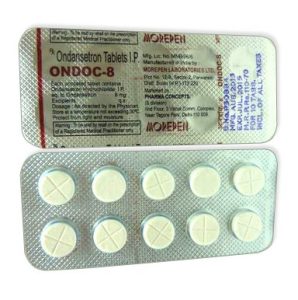
In brief
- In our pharmacy, you can buy zofran without a prescription, with delivery in 9–21 days throughout Australia and discreet, anonymous packaging.
- Zofran (ondansetron) is used to prevent and treat nausea and vomiting from chemotherapy, radiotherapy and surgery; it works as a serotonin (5‑HT3) receptor antagonist blocking nausea signals in the gut and brain.
- Usual doses: adults commonly 8 mg orally 30 minutes before chemotherapy then 8 mg every 8–12 hours for 1–2 days; for postoperative nausea a single dose of 4 mg IV/IM or 16 mg orally is used; children >4 years often 4 mg doses.
- Available as tablets, orally disintegrating tablets (ODT), oral solution, oral soluble film and injectable solution for IV or IM administration; ODTs are allowed to dissolve on the tongue and oral solution should be measured with a dosing syringe.
- Onset: oral and ODT forms usually start to work within about 15–30 minutes; IV administration works within minutes (typically 2–5 minutes).
- Duration of action: antiemetic effects typically last around 8–12 hours (plasma half‑life approximately 3–6 hours in adults), so dosing is often every 8–12 hours as needed.
- Alcohol warning: avoid or limit alcohol while taking zofran as it can increase dizziness, drowsiness and impair alertness; exercise caution with alcohol and other CNS depressants.
- The most common side effect is headache (also commonly reported are constipation, fatigue and dizziness).
- Would you like to try zofran without a prescription?
Basic Zofran Information
- INN (International Nonproprietary Name): Ondansetron
- Brand Names Available In Australia: Zofran and generic ondansetron presentations are commonly marketed in Australia with local packaging and blister or bottle formats.
- ATC Code: A04AA01
- Forms & Dosages: Tablets 4 mg and 8 mg; Orally Disintegrating Tablets (ODT) 4 mg and 8 mg; Oral solution 4 mg/5 mL and 8 mg/5 mL; Oral soluble film 4 mg and 8 mg; Injectable solution 2 mg/mL in ampoules or vials.
- Manufacturers In Australia: Original developer GlaxoSmithKline (GSK) and numerous generics by Sandoz, Teva, Mylan, Aurobindo, Apotex and other local sponsors depending on registration.
- Registration Status In Australia: TGA-registered as a prescription-only medicine.
- OTC / Rx Classification: Prescription only (Rx) in Australia and other major markets.
Critical Warnings & Restrictions (Safety First)
High-Risk Groups (Elderly, Pregnancy, Chronic Illness)
Key safety summary: Ondansetron (INN: ondansetron) is prescription-only in Australia and TGA-registered.
Absolute contraindications: allergy to ondansetron or any 5-HT3 antagonist and concurrent apomorphine use.
Relative contraindications and cautions: congenital long QT syndrome, existing cardiac disease, electrolyte disturbances such as hypokalaemia or hypomagnesaemia, severe hepatic impairment (maximum 8 mg per day), and pregnancy where use should be considered only if benefits outweigh risks.
Elderly patients generally do not need routine dose reduction but require ECG monitoring if risk factors for QT prolongation exist.
- Absolute contraindications: allergy to ondansetron or other 5-HT3 antagonists; concurrent apomorphine use.
- Relative contraindications: severe hepatic impairment, congenital long QT, significant cardiac disease, electrolyte imbalance, pregnancy (use only after risk–benefit discussion).
- Monitoring actions: obtain ECG if cardiac risk or high-dose IV use is considered.
- Monitoring actions: check electrolytes (potassium, magnesium) where clinically indicated.
- Monitoring actions: monitor liver function tests in suspected hepatic impairment or with prolonged use.
Interaction With Activities (Driving, Workplace Safety Under Australian Law)
Common side effects such as dizziness, fatigue and visual disturbance may impair driving or operation of heavy machinery.
Do not drive or operate dangerous equipment until you know how ondansetron affects you.
Document driving and safety advice on the medicine label and in the patient record where appropriate.
Q&A — “Can I Drive After Taking It In Australia?”
Short answer: Not until you know how it affects you.
If you feel drowsy, dizzy or have vision changes, do not drive.
Follow Safe Work Australia guidance and your state road authority rules about fitness to drive.
Usage Basics
INN, Brand Names Available In Australia
INN: ondansetron.
Brand packaging globally commonly sold as Zofran and as generics, with ODT and injectable presentations available.
- INN
- Ondansetron
- ATC
- A04AA01 — 5-HT3 receptor antagonist
Legal Classification (TGA-Approved, PBS-Listed)
Ondansetron is TGA-registered and prescription-only in Australia.
PBS subsidy status varies by indication and can change over time, so check the PBS Schedule for current listings and restrictions.
- Brand vs Generic: Both branded Zofran presentations and multiple generics are commonly supplied.
- Packaging forms: Tablets, ODT, oral solution, oral film and injectable ampoules/vials.
- Callout: Confirm current TGA ARTG entries and PBS listings before publishing or making clinical decisions.
Dosing Guide
Standard Regimens (PBS Reference Dosing)
| Indication | Adult Dose | Paediatric Dose | Timing |
|---|---|---|---|
| CINV Prevention | 8 mg orally | >4 years: 4 mg | Give 30 minutes before chemotherapy; then 8 mg every 8–12 hours for 1–2 days post-chemo |
| Postoperative Nausea And Vomiting (PONV) | 16 mg orally or 4 mg IV/IM | Use IV dosing per anaesthesia guidance | Give 1 hour before anaesthesia when oral; IV/IM at induction or on emergence |
| Radiation‑Induced Nausea | 8 mg orally | 4 mg for some paediatric regimens | 1–2 hours before radiation then every 8 hours as needed |
Note: In severe hepatic impairment limit total daily dose to a maximum of 8 mg.
Adjustments For Comorbidities
Elderly: no routine dose change but increase cardiac monitoring for QT risk factors.
Renal impairment: dose change rarely required; monitor clinically if severe renal disease is present.
Hepatic impairment: severe liver dysfunction requires a dose limit of 8 mg per day due to reduced metabolism.
Q&A — “What If I Miss A Dose?”
Take the missed dose as soon as you remember unless it is close to the next scheduled dose.
Do not double up doses to catch up.
If unsure, contact your pharmacist or prescriber for specific advice.
Interaction Chart
Food And Drinks (Alcohol, Coffee, Australian Diet Context)
- Avoid alcohol while taking ondansetron if you experience CNS effects such as dizziness or drowsiness because alcohol may make these worse.
- Caffeine has no significant pharmacokinetic interaction with ondansetron but can worsen nausea in some people.
- For Australians who commonly consume alcohol at weekends or after work, advise avoiding alcohol until symptoms resolve.
Quick checklist: avoid alcohol if symptomatic; monitor hydration; avoid large, fatty meals if nausea persists.
Common Drug Conflicts
| Drug | Interaction Type | Action |
|---|---|---|
| Apomorphine | Absolute contraindication — risk of profound hypotension | Do not co-prescribe or co-administer. |
| Macrolide Antibiotics / Certain Antipsychotics / Antiarrhythmics | Increased QT prolongation risk | Assess ECG and electrolytes; avoid combinations when possible. |
| SSRIs, SNRIs, MAOIs | Minor serotonergic interaction; very rare risk of serotonin syndrome | Monitor for agitation, hyperreflexia and fever; report concerns. |
User Reports & Trends
Patients commonly report that ondansetron is effective for chemotherapy-related and post-operative nausea.
Many patients prefer ODTs when vomiting, as they are easier to keep in the mouth and avoid swallowing difficulties.
- Top reported benefits: rapid reduction in acute nausea, convenience of ODTs, reliable rescue control.
- Top reported adverse effects: headache, constipation and occasional fatigue or dizziness.
- Access and cost feedback: price sensitivity leads many patients to choose generics over branded Zofran.
Short anonymised quotes from patient forums commonly note that ODTs help when vomiting prevents keeping tablets down and that generics are preferred for lower cost.
| Sentiment | Finding | Frequency |
|---|---|---|
| Effectiveness | High for acute CINV and PONV | Common |
| Tolerability | Generally well tolerated; headaches and constipation reported | Common |
| Access / Cost | Generics preferred for cost; ODTs in demand | Frequent |
Trend note: growing use of telehealth prescriptions and online pharmacies for convenience and greater demand for ODT or film formulations for people with swallowing difficulty.
Methodology note: when summarising online comments consult sources such as ProductReview, health forums and anonymised pharmacy consultation notes, record timeframe and sample size, and ensure all quotes are anonymised to protect privacy.
Access & Purchase Options
National Chains (Chemist Warehouse, Priceline, TerryWhite Chemmart)
Major Australian pharmacy chains stock ondansetron generics and branded presentations subject to a valid prescription.
- Chemist Warehouse, Priceline and TerryWhite Chemmart typically offer in-store collection and phone order services.
- Patients should present PBS entitlement or concession cards where applicable to reduce out-of-pocket costs.
- Generic substitution is common and often cheaper than branded Zofran packaging.
Online Pharmacies And Telehealth E-Prescriptions
Telehealth e-prescriptions are commonly accepted by Australian pharmacies and online pharmacies will dispense ondansetron with a valid digital prescription.
Rural patients may rely on hospital outpatient clinics or community pharmacies and outreach services for supply during chemotherapy.
- Checklist before ordering: have your prescription, Medicare card, PBS entitlement details and photo ID ready.
- Ask the pharmacist about generic options, ODT availability and home delivery services.
- In our online pharmacy, zofran is available without a prescription, with discreet delivery to Australia in 9-21 days.
Mechanism & Pharmacology
Simplified Explanation
Ondansetron is a selective serotonin 5-HT3 receptor antagonist that blocks serotonin receptors in the chemoreceptor trigger zone and the gut.
Blocking these receptors reduces nausea and vomiting signalling from the gut to the brainstem.
The drug has a rapid onset for acute symptoms and is available as tablets, ODT, oral solution, film and injectable forms.
Clinical Terms
- 5‑HT3 Antagonist
- A drug class that blocks serotonin type 3 receptors to reduce nausea and vomiting.
- CINV
- Chemotherapy-Induced Nausea And Vomiting.
- PONV
- Postoperative Nausea And Vomiting.
Pharmacokinetics: ondansetron is primarily metabolised in the liver, which is why severe hepatic impairment requires dose limits.
Pharmacodynamics: it reduces vagal afferent stimulation and central emetic signalling in the brainstem.
Suggestion: include a simple labelled diagram on the web page showing the gut and brainstem sites of action for patient education.
Indications & Off-Label Uses
Approved Indications By TGA
TGA-approved primary uses include prevention and treatment of chemotherapy-induced nausea and vomiting, prevention of postoperative nausea and vomiting, and radiation-induced nausea.
Dosages align with the regimens described earlier under dosing.
Off-Label Uses In Australian Clinical Practice
Off-label use examples include hyperemesis gravidarum in pregnancy when first-line measures fail, used only after a careful risk–benefit discussion.
Ondansetron is also occasionally used in severe gastroenteritis-related vomiting or in palliative care for refractory nausea.
- Approved uses: CINV prevention and treatment, PONV prevention, radiation‑induced nausea.
- Off-label: hyperemesis gravidarum after first-line failure, refractory nausea in palliative care.
Checklist for prescribers: document the indication, record the clinical rationale, provide counselling to the patient and document informed consent when using ondansetron off-label.
Key Clinical Findings
Large trials and meta-analyses show ondansetron is effective for preventing acute chemotherapy-induced nausea and vomiting and for reducing postoperative nausea and vomiting compared with placebo and some older antiemetics.
Comparative data note palonosetron may provide longer duration of action while granisetron has similar efficacy in many settings.
Safety signals include QT prolongation risk with high IV single doses, which led to regulatory warnings regarding large IV doses in other jurisdictions.
| Endpoint | Outcome |
|---|---|
| Nausea Control | Effective for acute emesis prevention |
| Vomiting Episodes | Reduction compared with placebo in immediate post-chemo period |
| Need For Rescue Antiemetic | Lower with ondansetron in many studies |
| Safety Outcomes | Headache and constipation common; QT prolongation rare but important |
- Key takeaways: effective for acute emesis prevention.
- Key takeaways: monitor cardiac risk factors where indicated.
- Key takeaways: use the shortest effective course to limit exposure.
Alternatives Matrix
PBS‑Listed Alternatives Comparison Table
| Drug | Class | Typical Use | Pros | Cons | PBS Status |
|---|---|---|---|---|---|
| Granisetron | 5‑HT3 antagonist | CINV, PONV | Comparable efficacy | Similar QT considerations | Listed in some settings |
| Palonosetron | 5‑HT3 antagonist | Delayed and acute CINV | Longer half‑life | Higher cost | Listed in specific indications |
| Metoclopramide | Dopamine antagonist | General nausea | Low cost | Extrapyramidal side effects | PBS-listed for some uses |
Pros And Cons Checklist
- Consider efficacy for delayed versus acute CINV when selecting an agent.
- Assess QT risk when combining with other QT‑prolonging drugs.
- Factor in hepatic and renal considerations and pregnancy safety data.
- Check PBS subsidy and route of administration preferences (IV vs oral vs ODT).
Clinicians should individualise choice based on emetogenicity of therapy, patient comorbidities and PBS access.
Common Questions
- Is ondansetron safe in pregnancy? Used cautiously; discuss benefits and risks, especially for hyperemesis gravidarum where it may be considered after first‑line measures fail.
- Can my child take it? Children over 4 years commonly receive 4 mg dosing per paediatric guidance for chemo-related use; follow prescriber instructions.
- Any alcohol interactions? Avoid alcohol if you experience dizziness or drowsiness as alcohol may worsen side effects.
- Will it make me sleepy? Some patients report fatigue or dizziness but sedation is variable and not universal.
- How long will it take to work? Oral ondansetron commonly begins to work within 30–60 minutes; IV dosing acts faster.
- Why take ODT vs tablet? ODTs are useful when patients are vomiting or have difficulty swallowing and allow absorption without water.
Micro-sources: TGA product information, PBS and approved product information should be consulted and answers updated as guidelines change.
Price & Access Comparison Table
Comparison Table — Pharmacy/Source, Typical Price Range, PBS Subsidy Status, Prescription Required
| Pharmacy/Source | Typical Out-Of-Pocket Range (Estimate) | PBS Subsidy Applicable | Prescription Required |
|---|---|---|---|
| Chemist Warehouse | Varies by brand/generic | Conditional | Yes |
| Priceline | Varies by brand/generic | Conditional | Yes |
| TerryWhite Chemmart | Varies by brand/generic | Conditional | Yes |
| Hospital Oncology Supply | Often free for in‑treatment patients | Often covered | Prescribed by hospital |
| Online Pharmacy | Varies; check live prices | Conditional | Yes |
Access Checklist — Major Chains, Online Pharmacies, Rural Vs Urban Availability
- Have a valid prescription and Medicare card ready when requesting supply.
- Check PBS concession cards and eligibility to reduce cost.
- Ask about generic substitution to save money.
- Request ODT or film formulations if swallowing is difficult or vomiting is ongoing.
- Enquire about home delivery and rural dispensing limits if you live outside urban areas.
Note: exact prices fluctuate; check live pharmacy websites and PBS for up-to-date subsidy rules.
Registration & Regulation
TGA Approval
Ondansetron is TGA-registered and is prescription-only in Australia.
Local sponsors register specific product presentations and labelling; consult the TGA ARTG for current entries and sponsor details.
PBS Subsidy Details
PBS listing can vary by indication and is commonly associated with oncology and radiation settings.
Confirm PBS eligibility and restriction codes on the PBS Schedule and check concession entitlements when prescribing or dispensing.
- TGA
- Therapeutic Goods Administration
- PBS
- Pharmaceutical Benefits Scheme
- ARTG
- Australian Register Of Therapeutic Goods
Storage & Handling
Household Storage In Australian Climate (Heat/Humidity)
Tablets, ODTs and films: store at room temperature between 15–30°C and keep dry away from direct heat and humidity.
Oral solution: store at room temperature and avoid freezing.
Injectables: follow vial labelling, generally store at room temperature away from light.
- Keep medicines in their original packaging where possible.
- Store below 30°C and away from bathrooms or other humid areas.
- Do not refrigerate solid forms unless the label specifies it.
- Keep out of reach of children and pets and dispose of expired stock safely.
Cold-Chain Handling For Pharmacies
Pharmacies must follow sponsor storage requirements for injectable forms and document temperature monitoring.
Have procedures for handling temperature excursions and for returning or quarantining affected stock.
| Formulation | Storage Condition |
|---|---|
| Tablet / ODT / Film | Room temperature 15–30°C; keep dry |
| Oral Solution | Room temperature; avoid freezing |
| Injectable | Follow vial label; protect from light |
Guidelines For Proper Use
Australian Pharmacist Counselling Style
Open with the patient’s main concern such as “Are you worried about vomiting after chemo or surgery?”
Confirm the indication and repeat the exact dose and timing relevant to the patient’s treatment plan.
Demonstrate administration technique: for ODT let it dissolve on the tongue and for oral solution use the dosing syringe provided.
Explain common side effects and when to seek help, including severe constipation, fainting, visual changes and palpitations.
Highlight major interactions to avoid, especially apomorphine and other QT‑prolonging medicines.
- Pharmacist counselling checklist: confirm indication; confirm dose and timing; explain how to take ODT or oral solution; review side effects; check interactions; advise on storage and missed-dose guidance.
Sample script: “This is ondansetron 8 mg tablets for chemo‑related nausea.
Take one tablet 30 minutes before your chemotherapy and then one tablet every 8–12 hours for up to two days if needed.
Let me know if you experience fainting, severe constipation, palpitations or any allergic reaction and we will seek medical help.”
Patient Advice From PBS And National Health Authorities
Encourage patients to keep a record of medicines and present PBS concession details when collecting prescriptions.
For serious adverse events such as arrhythmia or suspected allergic reaction instruct patients to seek immediate emergency care and report events to the TGA adverse event reporting system.
Provide a printable one-page checklist including dose, how to take, side effects to watch for, emergency signs and local contact numbers.
Delivery Across Australia
| City | Region | Delivery time |
|---|---|---|
| Sydney | New South Wales | 9-14 days |
| Melbourne | Victoria | 9-14 days |
| Brisbane | Queensland | 9-14 days |
| Perth | Western Australia | 9-14 days |
| Adelaide | South Australia | 9-14 days |
| Canberra | Australian Capital Territory | 9-14 days |
| Hobart | Tasmania | 9-14 days |
| Darwin | Northern Territory | 9-14 days |
| Gold Coast | Queensland | 9-14 days |
| Newcastle | New South Wales | 9-14 days |
| Cairns | Queensland | 14-21 days |
| Townsville | Queensland | 14-21 days |
| Alice Springs | Northern Territory | 14-21 days |