
Cancer

Aldara
from
Casodex
from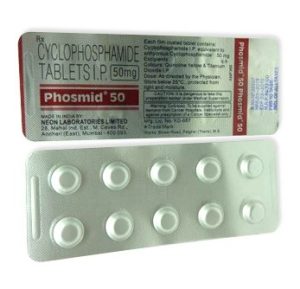
Cyclonex
from
Fluorouracil
from
Genox
from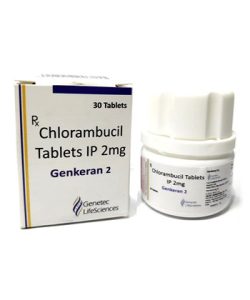
Leukeran
from
Methotrexate
from
Rheumatrex
from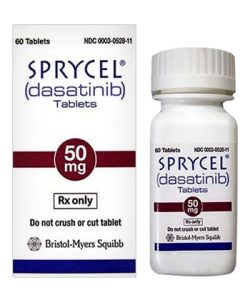
Sprycel
from
Tamoxifen
from
Xeloda
from
Zofran
fromUnderstanding Cancer and Treatment Options
Cancer is a complex group of diseases characterised by the uncontrolled growth of abnormal cells that can spread throughout the body. Treatment approaches vary significantly depending on the cancer type, stage, and individual patient factors. Modern cancer therapy often combines multiple treatment modalities including chemotherapy, targeted therapy, immunotherapy, and supportive care medications. Understanding these options helps patients make informed decisions about their healthcare journey.
In Australia, cancer treatment is overseen by the Therapeutic Goods Administration (TGA), ensuring all medications meet strict safety and efficacy standards. Your healthcare team will work with you to develop a personalised treatment plan tailored to your specific diagnosis and circumstances. Early detection significantly improves treatment outcomes and survival rates across most cancer types. Support services and counselling are also vital components of comprehensive cancer care.
Chemotherapy Medications
Chemotherapy remains one of the most common cancer treatments, working by targeting rapidly dividing cells throughout the body. These powerful medications can be administered intravenously, orally, or through other routes depending on the specific drug and cancer type. Common chemotherapy agents available in Australia include docetaxel, paclitaxel, 5-fluorouracil (5-FU), and carboplatin. Gemcitabine is frequently used for pancreatic, lung, and bladder cancers, whilst doxorubicin is commonly prescribed for breast and lymphoid cancers. Capecitabine offers an oral alternative for colorectal and breast cancer patients.
These medications work by damaging cancer cell DNA or interfering with cell division processes. Side effects can include nausea, hair loss, decreased blood cell counts, and fatigue, though supportive medications help manage these effects. Treatment schedules typically involve cycles that allow the body to recover between doses. Your oncology team will monitor your progress regularly through blood tests and imaging studies to assess treatment effectiveness.
Targeted Therapy and Molecular Treatments
Targeted therapies represent a significant advancement in cancer treatment, working by attacking specific mutations or characteristics of cancer cells. Unlike traditional chemotherapy, these medications are designed to interfere with particular molecules involved in cancer growth. Key targeted therapy options available to Australian patients include:
- Trastuzumab (Herceptin) targets HER2-positive breast cancers and has transformed outcomes for patients with this aggressive subtype
- Imatinib (Glivec) revolutionised treatment for chronic myeloid leukaemia by targeting the BCR-ABL protein
- Sunitinib and sorafenib are used for renal cell carcinoma and hepatocellular carcinoma respectively
- Bevacizumab acts as a vascular endothelial growth factor (VEGF) inhibitor, cutting off blood supply to tumours
- Erlotinib and gefitinib target epidermal growth factor receptors in lung cancer patients
These medications often have different side effect profiles compared to chemotherapy, though they may still cause significant effects including diarrhoea, rash, and hypertension. Genetic testing helps identify which patients will benefit most from specific targeted therapies. Australian patients have access to these medications through the Pharmaceutical Benefits Scheme (PBS) when prescribed by qualified oncologists.
Immunotherapy and Checkpoint Inhibitors
Immunotherapy has revolutionised cancer treatment by harnessing the body’s own immune system to fight cancer cells. Checkpoint inhibitors work by removing the brakes that cancer cells place on the immune system, allowing T-cells to recognise and attack malignant cells more effectively. Pembrolizumab (Keytruda) has shown remarkable results across multiple cancer types including melanoma, lung cancer, and head and neck cancers. Nivolumab (Opdivo) is approved for similar indications and has become a cornerstone of modern cancer treatment. Atezolizumab and durvalumab represent additional checkpoint inhibitor options available to Australian patients.
These medications can produce durable responses where some patients experience long-term cancer control or remission. Combination immunotherapy approaches, using two checkpoint inhibitors together, are increasingly used for advanced melanoma and other cancers. Side effects relate to immune activation and can include inflammation affecting various organs, though most are manageable with appropriate monitoring and intervention. Regular assessment of treatment response is essential, as immunotherapy can produce unique response patterns different from conventional therapies.
Supportive and Symptom Management Medications
Beyond cancer-fighting drugs, supportive medications play a crucial role in managing side effects and maintaining quality of life throughout treatment. Anti-nausea medications such as ondansetron, granisetron, and aprepitant help control chemotherapy-induced nausea and vomiting. Antibiotic prophylaxis becomes important when chemotherapy significantly lowers white blood cell counts, reducing infection risk. Growth factor medications like filgrastim stimulate bone marrow to produce white blood cells more rapidly, reducing infection complications.
Pain management medications range from paracetamol and non-steroidal anti-inflammatory drugs to strong opioids for severe cancer pain. Bisphosphonates such as zoledronic acid help prevent bone complications in patients with skeletal metastases. Anti-diarrhoeal medications address gastrointestinal side effects from certain chemotherapy agents. Psychological support medications including antidepressants and anti-anxiety agents help manage emotional aspects of cancer diagnosis and treatment. Complementary approaches alongside conventional medicine can include nutritional support, physiotherapy, and counselling services. Your healthcare team will recommend appropriate supportive medications tailored to your specific needs and side effect profile.
Accessing Cancer Medications in Australia
Cancer medications in Australia are tightly regulated through the TGA to ensure safety and efficacy. Most cancer patients access medications through the PBS, which provides subsidised or fully funded prescriptions depending on specific criteria. Your oncologist will assess whether you meet eligibility requirements for particular medications, considering cancer stage, previous treatments, and other factors. Some newer or more expensive medications may require special approval processes, though most established cancer treatments are readily available.
Private insurance may cover certain costs not included in PBS subsidies. Patient assistance programmes operated by pharmaceutical companies can help reduce out-of-pocket costs for eligible patients. It’s important to discuss medication costs with your healthcare team, as numerous support options exist to ensure access regardless of financial circumstances. Regular review appointments allow your oncologist to assess treatment effectiveness and make adjustments as needed. Australia’s cancer research sector continues developing new treatment options, and your oncologist can discuss potential clinical trials you might be eligible for. Support organisations throughout Australia provide information, counselling, and practical assistance to cancer patients and their families navigating treatment decisions.