
Antiallergic
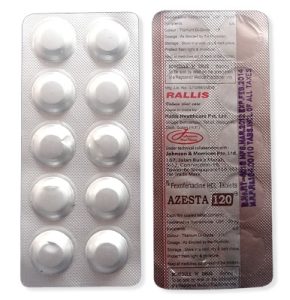
Telfast
from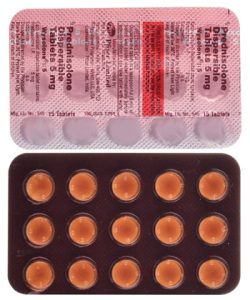
Prelone
from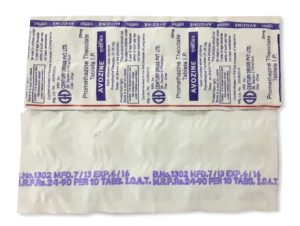
Phenergan
from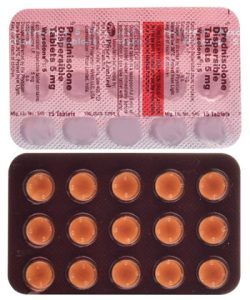
Prednisolone
from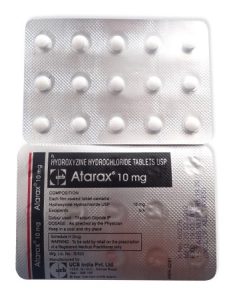
Atarax
from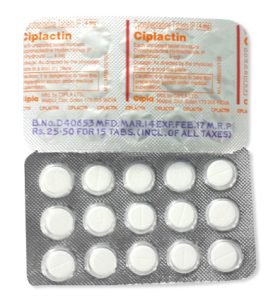
Periactin
from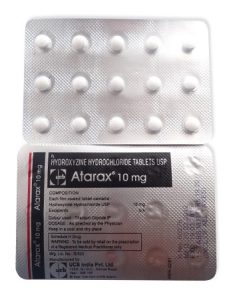
Hydroxyzine
from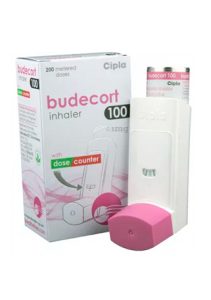
Rhinocort
fromUnderstanding Allergies and Antiallergic Medications
Allergies occur when your immune system reacts to a foreign substance that’s typically harmless to most people. These substances, called allergens, can trigger various uncomfortable symptoms ranging from mild to severe. Antiallergic medications work by blocking the release of histamine, a chemical in your body responsible for allergic reactions. When you take antiallergic medications, they help reduce symptoms like itching, sneezing, watery eyes, and runny nose.
In Australia, allergies are increasingly common, affecting millions of people annually. The prevalence has risen over the past decades, making antiallergic treatments an essential part of many people’s daily routines. These medications come in various forms including tablets, nasal sprays, eye drops, and topical creams. Understanding how antiallergic medications work helps you choose the right treatment for your specific needs.
Antihistamines: First-Line Treatment
Antihistamines are the most commonly used antiallergic medications available in Australian pharmacies. They work by blocking histamine receptors on cells, preventing the allergic response cascade. There are two main types: first-generation and second-generation antihistamines, each with different characteristics and applications.
First-generation antihistamines like promethazine and diphenhydramine are older medications that cross the blood-brain barrier, often causing drowsiness. These are useful for evening use or when sleep-promoting effects are beneficial. Second-generation antihistamines such as cetirizine, loratadine, and fexofenadine are modern options that cause minimal drowsiness and are suitable for daytime use.
Popular antihistamine brands available in Australia include Piriteze (cetirizine), Claratyne (loratadine), Telfast (fexofenadine), and Phenergan (promethazine). Most antihistamines are available over-the-counter at Australian pharmacies without requiring a prescription. They’re available in tablet form, liquid formulations for children, and combination products. These medications typically begin working within 30 minutes to an hour and provide relief for 12 to 24 hours depending on the type.
Nasal Sprays and Topical Antiallergics
Nasal congestion and rhinitis are common allergic symptoms that respond well to targeted treatments. Antiallergic nasal sprays deliver medication directly to affected areas, providing quick relief and minimising systemic absorption. These sprays contain either antihistamines or corticosteroids, each offering specific benefits for nasal allergy symptoms.
Antihistamine nasal sprays like azelastine provide rapid relief from sneezing, itching, and nasal discharge. Corticosteroid nasal sprays such as fluticasone propionate and mometasone furoate are particularly effective for reducing inflammation and congestion associated with allergic rhinitis. Australian pharmacies stock products including Nasonex (mometasone), Flixonase (fluticasone), and various generic alternatives.
Topical antiallergic creams and ointments are excellent for localised allergic reactions affecting the skin, such as eczema or contact dermatitis. These products reduce itching and inflammation directly at the affected site. Many are available without prescription and provide soothing relief for minor skin allergies. Application directly to affected areas ensures targeted treatment with minimal systemic effects.
Eye Drops and Ocular Antiallergics
Allergic eye symptoms including itching, redness, watering, and swelling are common during allergy season. Antiallergic eye drops specifically formulated for ocular use provide targeted relief. These drops contain antihistamines or mast cell stabilisers that reduce allergic inflammation in the eyes without affecting other body systems.
Popular antiallergic eye drop brands available throughout Australian pharmacies include Alomide (lodoxamide), Zaditor (ketotifen), and various antihistamine formulations. These drops work quickly, often providing relief within minutes of application. Many people find them particularly helpful during high pollen seasons or when exposed to known allergens.
Mast cell stabiliser eye drops like cromoglycate sodium work by preventing mast cells from releasing histamine, offering preventative benefits when used regularly before exposure to allergens. They’re excellent for people with predictable allergen exposure patterns. Most antiallergic eye drops can be used multiple times daily and are available without prescription from Australian pharmacies.
Corticosteroids for Moderate to Severe Allergies
Corticosteroids represent a more powerful category of antiallergic medications suitable for moderate to severe allergic reactions. These medications work by suppressing immune system activity and reducing inflammation more effectively than antihistamines alone. They’re available in various forms including oral tablets, nasal sprays, inhaled formulations, and topical creams.
Oral corticosteroids like prednisolone are prescribed for acute severe allergic reactions or when other treatments prove insufficient. Short-term use of oral corticosteroids provides rapid relief but is typically limited due to potential side effects with long-term use. Inhaled corticosteroids are commonly prescribed for allergic asthma, delivering medication directly to airways with minimal systemic effects.
Topical corticosteroid creams range from mild to very potent formulations, with strength depending on the specific condition and affected body area. Australian pharmacies stock various strengths including hydrocortisone, betamethasone, and clobetasol preparations. Your pharmacist or doctor helps determine the appropriate strength for your specific situation. These medications require careful application and monitoring, particularly with long-term use on sensitive skin areas.
Decongestants and Combination Products
Decongestants help relieve nasal congestion by narrowing blood vessels in nasal passages, reducing swelling and improving airflow. Pseudoephedrine and phenylephrine are common decongestant ingredients available in Australian pharmacies. Many antiallergic products combine antihistamines with decongestants for comprehensive relief of multiple symptoms.
Combination products offer convenience for people experiencing multiple allergic symptoms simultaneously. Products combining antihistamines with decongestants address both itching and congestion, while combination nasal sprays pair antihistamines with corticosteroids for enhanced effectiveness. When selecting antiallergic products, consider the following popular options available in Australian pharmacies:
- Over-the-counter antihistamine tablets for systemic allergy relief
- Nasal sprays combining antihistamines with corticosteroids
- Antihistamine and decongestant combination tablets
- Specialised eye drops for ocular allergy symptoms
- Topical creams for localised skin reactions
Decongestants are typically used short-term, as prolonged use can lead to rebound congestion where symptoms worsen after stopping the medication. Most combination products are available over-the-counter, though some formulations require pharmacist consultation. Always follow recommended dosage instructions and consult healthcare professionals if symptoms persist beyond two weeks or if you have underlying health conditions requiring medication management. Your local Australian pharmacy team can provide personalised advice on selecting the most appropriate antiallergic treatment for your individual needs and circumstances.