
Antidepressants
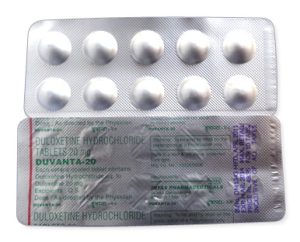
Cymbalta
from
Lexapro
from
Efexor
from
Sinequan
from
Aropax
from
Wellbutrin Sr
from
Zyprexa
from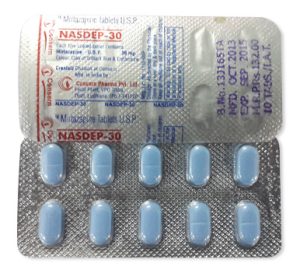
Remeron
from
Seroquel
from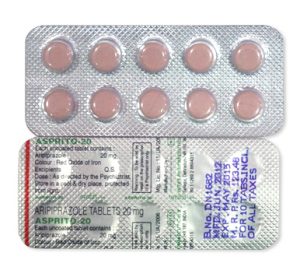
Aripiprazole
from
Wellbutrin
from
Zoloft
from
Escitalopram
from
Desyrel
from
Trazodone
from
Quetiapine
fromUnderstanding Antidepressants: What They Are and How They Work
Antidepressants are prescription medications designed to help treat depression and other mental health conditions by altering the balance of chemicals in the brain. These medications work by affecting neurotransmitters such as serotonin, noradrenaline, and dopamine, which play crucial roles in regulating mood, emotions, and overall mental wellbeing. When these chemical messengers become imbalanced, they can contribute to depression, anxiety, and other mood disorders.
How They Help
Antidepressants don’t work like sedatives or stimulants. Instead, they help restore the natural balance of brain chemicals over time, typically taking between two to four weeks before you notice improvements in your symptoms. It’s important to understand that antidepressants don’t create dependency like some other medications might, and they work best when combined with other treatments such as therapy or counselling.
Who Should Use Them
Antidepressants are prescribed for various conditions including major depressive disorder, generalised anxiety disorder, panic disorder, obsessive-compulsive disorder, and post-traumatic stress disorder. Your GP will determine if antidepressants are appropriate for your specific situation and which type would be most suitable for your needs.
Types of Antidepressants Available in Australia
Australia’s pharmaceutical market offers several classes of antidepressants, each working slightly differently to help manage depression and related conditions. Understanding these different types can help you have informed conversations with your healthcare provider about your treatment options.
Selective Serotonin Reuptake Inhibitors (SSRIs)
SSRIs are the most commonly prescribed antidepressants in Australia and are often considered first-line treatment. These medications work by increasing serotonin levels in the brain. Popular SSRI options available include sertraline, citalopram, escitalopram, fluoxetine, and paroxetine. SSRIs are generally well-tolerated with fewer side effects compared to older antidepressants, making them a preferred choice for many patients.
Serotonin-Noradrenaline Reuptake Inhibitors (SNRIs)
SNRIs work similarly to SSRIs but also affect noradrenaline levels in addition to serotonin. Common SNRIs available in Australia include venlafaxine, duloxetine, and desvenlafaxine. These medications can be particularly helpful for patients who don’t respond well to SSRIs or who experience fatigue alongside their depression.
Tricyclic Antidepressants (TCAs)
Tricyclic antidepressants are older medications that are still prescribed, particularly for chronic pain and severe depression. Examples include amitriptyline, nortriptyline, and imipramine. Whilst effective, TCAs may cause more side effects than newer antidepressants and are often prescribed when other options haven’t been successful.
Monoamine Oxidase Inhibitors (MAOIs)
MAOIs are typically reserved for treatment-resistant depression as they require careful dietary restrictions and monitoring. These include medications such as phenelzine and tranylcypromine. Due to potential interactions with foods and other medications, MAOIs are generally prescribed less frequently than other antidepressants.
Common Antidepressant Medications Used in Australia
The Australian pharmaceutical market provides several well-established antidepressant medications that have proven effective for many patients. Each medication has unique characteristics that make it suitable for different individuals and situations.
Popular SSRI Options
Sertraline is widely prescribed and effective for depression and anxiety disorders. Fluoxetine, one of the first SSRIs developed, remains popular and is available in various dosages. Escitalopram and citalopram are also commonly used, particularly for generalised anxiety disorder. Paroxetine can be particularly helpful for social anxiety and panic disorder. These medications are typically available through prescription from your GP or psychiatrist.
Effective SNRI Choices
Venlafaxine is a popular choice for patients requiring stronger symptom management. Duloxetine is often prescribed for depression combined with chronic pain conditions. Desvenlafaxine offers another option for patients seeking SNRI treatment. All of these medications are available in various strengths to allow for personalised dosing.
Additional Options
Mirtazapine is an atypical antidepressant that can be particularly helpful for patients with insomnia alongside depression. Bupropion is another atypical option that works differently from SSRIs and can help with motivation and energy levels. These medications provide alternatives for patients who don’t respond adequately to traditional SSRIs or SNRIs.
Benefits and Effectiveness of Antidepressant Treatment
Antidepressant medications have demonstrated significant benefits for millions of people managing depression and related mental health conditions. Understanding these benefits can help you make informed decisions about your mental health treatment.
Symptom Relief
One of the primary benefits of antidepressants is their ability to reduce the symptoms of depression, including persistent sadness, hopelessness, loss of interest in activities, and sleep disturbances. Many patients report improved mood, better concentration, and increased energy levels after several weeks of treatment. For anxiety-related conditions, antidepressants can significantly reduce worry and panic symptoms.
Improved Quality of Life
When depression symptoms decrease, patients often experience meaningful improvements in their daily functioning. This might include better relationships, improved work performance, increased motivation to engage in activities, and overall greater satisfaction with life. Many people find they can participate more fully in family life and social interactions.
Prevention of Relapse
Continuing antidepressant treatment as prescribed can help prevent depression from returning. Long-term use of antidepressants has been shown to reduce the risk of depressive episodes recurring, particularly for people with a history of recurring depression.
Potential Side Effects and What to Expect
Like all medications, antidepressants can cause side effects, though many people tolerate them well. Being aware of potential side effects helps you know what to expect and when to contact your healthcare provider.
Common Side Effects
Many patients experience mild side effects when starting antidepressants, including nausea, headaches, dry mouth, and initial sleep disturbances. These effects often subside within a few weeks as your body adjusts to the medication. Some people experience changes in appetite or weight, and sexual dysfunction can occur with certain antidepressants, though this varies between individuals.
Less Common Effects
Dizziness, tremors, and sweating can occur with some antidepressants. Agitation or anxiety may temporarily increase when starting treatment. If side effects are troublesome, your doctor may adjust your dosage or switch you to a different medication.
When to Contact Your Doctor
Seek medical advice if you experience severe allergic reactions, significant mood changes, suicidal thoughts (particularly in the first weeks of treatment), or any side effects that interfere significantly with your daily life. Never stop taking your medication abruptly without consulting your healthcare provider, as this can cause withdrawal symptoms.
Starting Treatment: What You Need to Know
Beginning antidepressant treatment involves important considerations and a collaborative approach with your healthcare provider to ensure the best outcomes for your mental health.
Consultation and Assessment
Your GP or psychiatrist will conduct a thorough assessment of your symptoms, medical history, and any other medications you’re currently taking. This helps determine whether antidepressants are appropriate and which medication might work best for you. Be honest about your symptoms and concerns during this consultation.
Dosage and Timing
Antidepressants are typically started at a low dose and gradually increased over time. It’s important to take your medication exactly as prescribed and at the same time each day. Most antidepressants are taken once daily, though some require multiple doses. Key points to remember include:
- Take your medication consistently at the same time each day
- Don’t adjust your dose without consulting your healthcare provider
- Set reminders if you’re concerned about forgetting doses
- Keep your medication stored according to the instructions on the packaging
- Inform your doctor about any other medications or supplements you’re taking
Monitoring Progress
Your healthcare provider will want to see you regularly, especially during the initial weeks of treatment, to monitor how well the medication is working and check for any side effects. It may take several weeks to notice significant improvements, and your doctor might adjust your dosage or try a different medication if the first one isn’t effective.
Combining with Other Treatments
For best results, antidepressants are often combined with psychological therapy, counselling, exercise, and lifestyle modifications. Your healthcare team can help develop a comprehensive treatment plan tailored to your needs and goals for recovery. This integrated approach tends to produce better long-term outcomes than medication alone.