
Arthritis

Feldene
from
Indocid
from
Arcoxia
from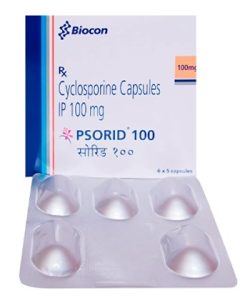
Neoral
from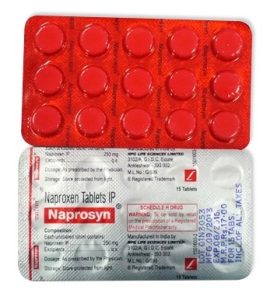
Naprosyn
from
Mobic
from
Lengout
from
Zyloprim
from
Colchicine
from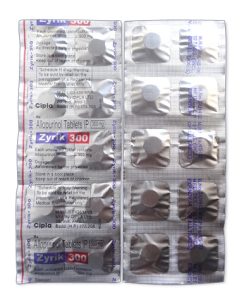
Allopurinol
fromUnderstanding Arthritis: Types and Causes
Arthritis is a common condition affecting millions of Australians, characterised by inflammation of one or more joints. The condition can develop gradually or suddenly and may affect people of all ages. There are over 100 different types of arthritis, but the most common forms include osteoarthritis and rheumatoid arthritis.
Osteoarthritis occurs when the protective cartilage that covers the ends of bones wears down over time. This type is more prevalent in older individuals and those who have experienced joint injuries. Rheumatoid arthritis, on the other hand, is an autoimmune condition where the body’s immune system attacks joint linings, causing inflammation and pain.
Other notable types include psoriatic arthritis, gout, and lupus-related arthritis. Each type presents different symptoms and requires specific treatment approaches. Understanding which type of arthritis you have is essential for effective management and choosing the right medication.
Symptoms, Diagnosis, and When to Seek Help
Common symptoms of arthritis include joint pain, stiffness, swelling, and reduced range of motion. Many people experience increased stiffness after periods of inactivity or rest, particularly in the morning. Some individuals also report fatigue, fever, and general malaise, especially with inflammatory types of arthritis.
If you notice persistent joint pain lasting more than a few weeks, swelling that doesn’t improve with rest, or difficulty performing daily activities, it’s important to consult your healthcare provider. Early diagnosis and treatment can significantly improve outcomes and slow disease progression.
Your doctor may recommend blood tests, imaging studies such as X-rays or ultrasounds, or physical examinations to confirm arthritis. Once diagnosed, your healthcare team can develop a personalised treatment plan tailored to your specific needs and arthritis type.
Over-the-Counter Pain Relief and Anti-Inflammatory Medications
Many Australians find relief from arthritis symptoms using over-the-counter medications available at local pharmacies. Paracetamol is widely used for pain relief and is generally well-tolerated by most people. It’s available in various forms including tablets, capsules, and liquid formulations.
Non-steroidal anti-inflammatory drugs (NSAIDs) are also commonly used to manage arthritis pain and inflammation. Ibuprofen and naproxen are popular NSAID options available without prescription in Australia. These medications work by reducing inflammation and providing pain relief, making movement easier and improving quality of life.
Topical creams and gels containing NSAIDs or other active ingredients can be applied directly to affected joints. These products offer localised relief and are particularly useful for people who prefer not to take oral medications or who have sensitive stomachs.
When using any over-the-counter medication, it’s essential to follow the recommended dosage and duration. If symptoms persist or worsen, consult your pharmacist or doctor for further advice.
Prescription Medications and Advanced Treatment Options
For moderate to severe arthritis, doctors may prescribe stronger medications not available over-the-counter. Disease-modifying antirheumatic drugs (DMARDs) are commonly prescribed for rheumatoid arthritis and help slow disease progression. Medications in this category work by suppressing the immune system’s inflammatory response.
Corticosteroids such as prednisolone may be prescribed to reduce inflammation and provide rapid symptom relief. These are often used as short-term treatments or in combination with other medications. Biologic therapies represent another advanced option, targeting specific parts of the immune system to reduce inflammation.
Australia’s Pharmaceutical Benefits Scheme (PBS) provides subsidised access to many arthritis medications, making treatment more affordable for eligible patients. Your doctor can advise whether you qualify for PBS support and which medications are most suitable for your condition.
Injectable medications, including corticosteroid injections directly into affected joints, can provide significant relief for localised arthritis affecting one or two joints. These injections may be repeated periodically as recommended by your healthcare provider.
Lifestyle Management and Non-Medication Approaches
Beyond medications, lifestyle modifications play a crucial role in managing arthritis effectively. Regular, gentle exercise helps maintain joint flexibility and strengthen surrounding muscles. Activities like swimming, walking, and tai chi are particularly beneficial as they place minimal stress on joints while promoting movement.
Maintaining a healthy weight reduces stress on weight-bearing joints and may decrease inflammation throughout the body. A balanced diet rich in omega-3 fatty acids, antioxidants, and anti-inflammatory foods supports joint health. Consider incorporating the following into your daily meals:
- Fatty fish such as salmon and mackerel, rich in omega-3 fatty acids
- Nuts and seeds including almonds, walnuts, and flaxseeds
- Berries and other antioxidant-rich fruits
- Leafy green vegetables like spinach and kale
- Olive oil and other sources of healthy fats
- Turmeric and ginger, known for their anti-inflammatory properties
Heat and cold therapy can provide temporary relief from symptoms. Warm baths or heating pads may ease stiffness, whilst cold compresses can reduce acute inflammation and swelling. Many people alternate between these methods depending on their symptoms.
Occupational therapy and physiotherapy offer valuable support for people with arthritis. Therapists can teach you joint-protection techniques, recommend assistive devices, and provide personalised exercise programs. Additionally, stress management techniques such as meditation and relaxation exercises can help manage pain perception and improve overall wellbeing.
Managing Arthritis: Tips for Daily Living and Ongoing Support
Living well with arthritis requires a comprehensive approach combining medication, lifestyle changes, and ongoing support. Organising your home with ergonomic furniture and assistive devices can make daily tasks easier and reduce joint strain. Items like jar openers, long-handled shoehorns, and comfortable seating can significantly improve independence.
Regular monitoring with your healthcare provider ensures your treatment plan remains effective. Don’t hesitate to discuss any side effects or concerns about your medications. Your pharmacist is also an excellent resource for medication advice and can help identify potential drug interactions.
Many arthritis support groups and organisations operate throughout Australia, providing valuable resources, education, and peer support. Connecting with others managing arthritis can provide practical tips and emotional encouragement.
Remember that arthritis management is individualised, and what works for one person may not work for another. Working closely with your healthcare team to find the right combination of treatments and lifestyle strategies will help you maintain mobility, manage pain, and enjoy a good quality of life.