
Cardiovascular Diseases

Altace
from
Clopidogrel
from
Lanoxin
from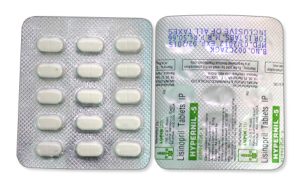
Lisinopril
from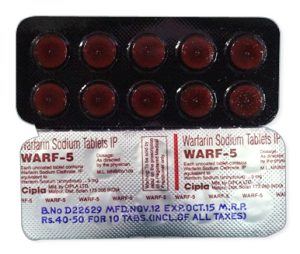
Marevan
from
Micardis
from
Nimotop
from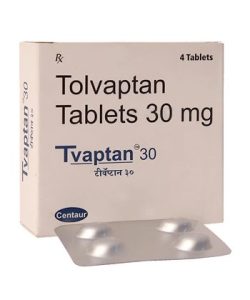
Tolvaptan
fromHigh Blood Pressure (Hypertension)
What it is and why treatment matters
High blood pressure, or hypertension, occurs when the force of blood against artery walls is too high, putting strain on your cardiovascular system. Left untreated, hypertension can lead to serious complications including heart attacks, strokes, and kidney damage. Managing blood pressure is essential for long-term health and wellbeing.
Common medications available in Australia
Several medication classes help manage hypertension effectively. ACE inhibitors like enalapril and perindopril work by relaxing blood vessel walls. Angiotensin II receptor blockers such as losartan and valsartan offer similar benefits with different mechanisms. Beta-blockers including atenolol and metoprolol reduce heart rate and blood pressure. Calcium channel blockers like amlodipine and diltiazem prevent calcium from entering heart cells, reducing contractions. Diuretics such as hydrochlorothiazide help eliminate excess sodium and fluid.
Lifestyle and management tips
Beyond medication, reducing sodium intake, maintaining regular exercise, managing stress, and limiting alcohol consumption significantly improve blood pressure control. Regular monitoring at home helps track your progress and identify patterns.
Heart Failure
Understanding heart failure
Heart failure occurs when the heart cannot pump enough blood to meet the body’s needs. This may develop gradually or suddenly, affecting either the left or right side of the heart. Symptoms include shortness of breath, fatigue, swelling in legs and ankles, and irregular heartbeat. Early detection and proper management can dramatically improve quality of life.
Treatment options and available medications
ACE inhibitors and angiotensin receptor blockers form the foundation of heart failure treatment. Beta-blockers help the heart work more efficiently and are essential medications. Diuretics reduce fluid buildup and ease breathing difficulties. Aldosterone antagonists like spironolactone protect heart tissue. Newer medications including SGLT2 inhibitors show promising results in improving outcomes. Your doctor will recommend the most appropriate combination based on your specific condition.
When to seek medical attention
Increased shortness of breath, sudden weight gain, persistent coughing, or chest pain require immediate medical evaluation. Regular check-ups help monitor your condition and adjust medications as needed.
Coronary Artery Disease and Angina
What causes coronary artery disease
Coronary artery disease develops when plaque builds up inside arteries supplying the heart, narrowing blood vessels and reducing blood flow. This can cause angina, which is chest pain or discomfort, often triggered by physical activity or stress. Understanding risk factors like smoking, high cholesterol, and diabetes helps with prevention and early management.
Medications for symptom relief and prevention
Nitrates like isosorbide mononitrate provide rapid relief during angina attacks by dilating blood vessels. Beta-blockers reduce heart workload and decrease angina frequency. Calcium channel blockers prevent vessel constriction. Aspirin helps prevent blood clots. Statins lower cholesterol levels significantly. Many patients take combinations of these medications for optimal protection. Your pharmacist can explain how each medication works and proper usage.
Additional supportive care
Cardiac rehabilitation programmes, stress management, regular gentle exercise, and heart-healthy diet modifications all support recovery and reduce future risks.
Cholesterol and Lipid Disorders
Why cholesterol management matters
High cholesterol contributes significantly to cardiovascular disease development. LDL cholesterol (bad cholesterol) accumulates in artery walls, whilst HDL cholesterol (good cholesterol) helps remove deposits. Managing cholesterol levels through medication and lifestyle reduces heart attack and stroke risk considerably.
Available treatment medications in Australia
Statins remain the most commonly prescribed cholesterol medications, with options including atorvastatin, simvastatin, and rosuvastatin. These effectively lower LDL cholesterol and reduce inflammation in arteries. Ezetimibe reduces cholesterol absorption from food. PCSK9 inhibitors are newer options for people with familial hypercholesterolaemia or statin intolerance. Fibrates help lower triglycerides, another important lipid marker. Your doctor determines the best medication based on your cholesterol levels and cardiovascular risk profile.
Dietary and lifestyle approaches
Reducing saturated fats, increasing fibre intake, maintaining healthy weight, and regular physical activity enhance medication effectiveness significantly.
Arrhythmias (Irregular Heartbeat)
Types and symptoms of arrhythmias
Arrhythmias occur when the heart beats irregularly, either too fast, too slow, or with irregular patterns. Atrial fibrillation represents the most common type, whilst other arrhythmias include tachycardia and bradycardia. Symptoms range from unnoticeable to severe, including palpitations, dizziness, shortness of breath, and fainting.
Medications for rhythm control and prevention
Beta-blockers effectively slow rapid heartbeat and stabilise rhythm. Calcium channel blockers provide similar benefits. Antiarrhythmic medications like flecainide and amiodarone restore normal heart rhythm directly. Anticoagulants such as warfarin and apixaban prevent blood clots associated with certain arrhythmias, particularly atrial fibrillation. Each medication works differently, and your cardiologist determines the most suitable option based on arrhythmia type and individual circumstances.
When to contact your doctor
Sudden onset of palpitations, severe dizziness, chest pain, or fainting requires urgent medical attention. Regular monitoring ensures your medication remains appropriate as your condition may change.
Blood Clots and Anticoagulation
Understanding blood clots and their risks
Blood clots can form in veins or arteries, potentially blocking blood flow to vital organs. Deep vein thrombosis, pulmonary embolism, and stroke represent serious complications. Certain conditions, surgeries, immobility, and genetic factors increase clot risk. Proper anticoagulation prevents these life-threatening events.
Anticoagulant medications available in Australia
Warfarin remains a traditional anticoagulant requiring regular blood test monitoring. Newer direct oral anticoagulants including apixaban, rivaroxaban, and dabigatran offer convenient alternatives with less monitoring. Heparin provides rapid anticoagulation in hospital settings. Aspirin offers mild anticoagulant effects for prevention. Your doctor prescribes the most appropriate medication based on your specific condition, clot risk factors, and individual circumstances. Compliance with prescribed anticoagulation is absolutely critical for preventing serious complications.
Important safety considerations
Always inform healthcare providers about anticoagulant use before procedures. Report any unusual bleeding or bruising. Maintain consistent medication adherence, as missing doses significantly increases clot risk. Key points to remember include:
- Never stop anticoagulant medication without consulting your doctor
- Keep all scheduled blood tests and medical appointments
- Inform all healthcare professionals, including dentists, about your anticoagulant therapy
- Wear medical alert identification indicating your anticoagulant use
- Report any signs of bleeding or unusual bruising immediately