
Cholesterol
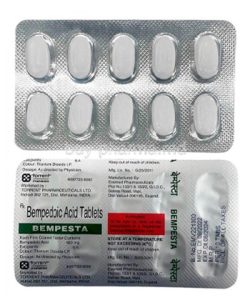
Bempedoic Acid
from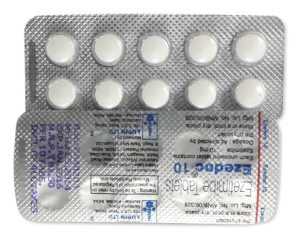
Ezetrol
from
Crestor
from
Lipex
from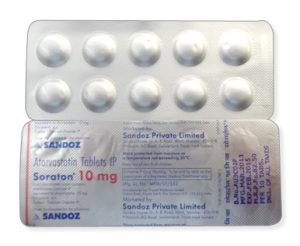
Atorvachol
fromUnderstanding Cholesterol and Its Health Impact
Cholesterol is a waxy substance found in your blood that your body needs to build healthy cells and produce certain hormones. However, when cholesterol levels become too high, it can build up in your arteries and increase your risk of heart disease and stroke. There are two main types of cholesterol: LDL (low-density lipoprotein), often called “bad cholesterol,” which can accumulate in your arteries, and HDL (high-density lipoprotein), known as “good cholesterol,” which helps remove other forms of cholesterol from your arteries and bloodstream.
Your body produces cholesterol naturally, but you also get cholesterol from the foods you eat, particularly those high in saturated and trans fats. Many Australians have high cholesterol levels without even realising it, as there are usually no symptoms. This is why regular blood tests are important, especially as you age or if you have a family history of heart disease. High cholesterol is a major risk factor for cardiovascular disease, which remains one of the leading causes of death in Australia.
Understanding your cholesterol levels and the difference between good and bad cholesterol is the first step in managing your heart health effectively.
Statin Medications for Cholesterol Management
Statins are the most commonly prescribed medications for lowering cholesterol in Australia. These medications work by blocking an enzyme in your liver that is necessary for cholesterol production, effectively reducing the amount of cholesterol your body makes. Statins are particularly effective at lowering LDL cholesterol and have been shown to reduce the risk of heart attacks and strokes in people with high cholesterol.
Popular statin medications available in Australia include:
- Atorvastatin – widely prescribed and available in various strengths from 10mg to 80mg
- Simvastatin – a common option, often prescribed in doses ranging from 10mg to 40mg daily
- Rosuvastatin – a more potent statin that may be recommended for people who need more aggressive cholesterol reduction
- Pravastatin – another option available on the Australian market, suitable for many patients who need cholesterol management
Most statins are taken as a single daily dose, usually in the evening, as cholesterol production is highest at night. Common side effects may include muscle pain or weakness, though these are generally mild and temporary. It’s important to discuss with your doctor or pharmacist which statin is most appropriate for your individual health situation and any other medications you may be taking.
Additional Cholesterol-Lowering Medications
Whilst statins are the first-line treatment, there are other medications available in Australia for people who cannot tolerate statins or need additional cholesterol reduction. Ezetimibe is a medication that works differently from statins by blocking the absorption of cholesterol in your intestines. It’s often prescribed alongside a statin for additional LDL cholesterol reduction and is available under various brand names at Australian pharmacies.
Bempedoic acid is a newer medication that has become available in Australia, working through a different mechanism to help lower uric acid and cholesterol levels simultaneously. This may be particularly useful for patients with gout or those who have experienced statin intolerance.
Inclisiran is an innovative injectable medication that works at the genetic level to reduce LDL cholesterol production. Though newer and more specialised, it’s now available in Australia for eligible patients with familial hypercholesterolaemia or those requiring significant cholesterol reduction.
Fibrates such as fenofibrate are another class of medications that can help lower triglycerides and raise HDL cholesterol, though they’re typically used when triglycerides are particularly high rather than as primary cholesterol treatment. These medications can be used alone or in combination with statins, depending on your specific cholesterol profile and health needs.
Lifestyle Changes and Natural Approaches
Medication is often just one part of cholesterol management. Many Australians can significantly improve their cholesterol levels through lifestyle modifications. Dietary changes are fundamental, including reducing intake of saturated fats found in red meat, full-fat dairy products, and processed foods. Instead, focus on heart-healthy foods like oily fish rich in omega-3 fatty acids, such as salmon and mackerel, along with plenty of vegetables, fruits, and whole grains.
Regular physical activity is crucial for cholesterol management. The Australian guidelines recommend at least 150 minutes of moderate-intensity aerobic activity per week, such as brisk walking, swimming, or cycling. Exercise helps raise HDL cholesterol and lower LDL cholesterol and triglycerides.
Weight management is also important, as being overweight can increase cholesterol levels. Even a modest weight loss of 5–10 per cent of your body weight can help improve your cholesterol profile. Quitting smoking is another significant factor, as smoking lowers HDL cholesterol and increases your risk of heart disease.
Some people also use natural supplements like plant sterols and stanols, which are found in certain fortified foods and can help lower LDL cholesterol. Psyllium husk and other soluble fibres may also contribute to cholesterol reduction when combined with a healthy diet.
Monitoring and Managing Your Cholesterol Levels
Regular blood tests are essential for monitoring your cholesterol levels and ensuring your treatment plan is working effectively. In Australia, your doctor will typically order a lipid panel that measures total cholesterol, LDL cholesterol, HDL cholesterol, and triglycerides. Most people with high cholesterol should have their levels checked at least annually, though those recently starting medication may need more frequent testing.
Your target cholesterol levels depend on your individual risk factors. If you have existing heart disease or diabetes, your LDL target will be lower than someone without these conditions. Your pharmacist or doctor can help you understand what your specific targets should be and whether your current treatment is achieving them.
It’s important to take your cholesterol medication consistently as prescribed, even if you feel fine and have made lifestyle changes. Cholesterol itself doesn’t cause symptoms, so you might not notice if your levels are high. Consistency with medication, combined with ongoing lifestyle modifications, provides the best chance of preventing serious cardiovascular events.
Keep a record of your cholesterol results over time to track your progress, and discuss any concerns with your healthcare provider.
Special Considerations and When to Seek Advice
Certain groups of people may need special attention when it comes to cholesterol management. Those with familial hypercholesterolaemia, an inherited condition causing very high cholesterol levels, may need more aggressive treatment and specialist care. Older Australians, people with diabetes, and those with a family history of early heart disease should pay particular attention to their cholesterol levels.
Pregnant women should discuss cholesterol management with their doctor, as most cholesterol medications are not suitable during pregnancy. Similarly, people taking other medications should inform their pharmacist about all their medicines to check for potential interactions with cholesterol medications.
Side effects from cholesterol medications should always be reported to your doctor or pharmacist. Whilst most people tolerate these medications well, if you experience unusual muscle pain, weakness, or other concerning symptoms, seek medical advice rather than simply stopping your medication.
Your Australian pharmacy team is a valuable resource for cholesterol management support, offering medication reviews, lifestyle advice, and answers to your questions about your cholesterol treatment and health.