
Hair Loss
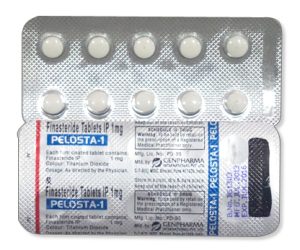
Finasteride
from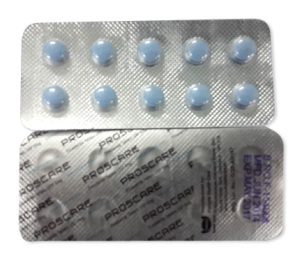
Proscar
from
Avodart
from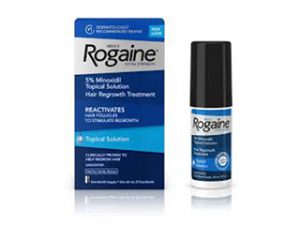
Regaine
from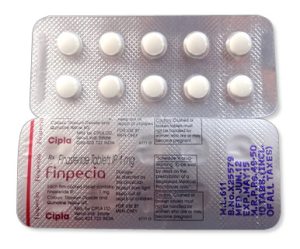
Finpecia
from
Propecia
fromUnderstanding Hair Loss: Causes and Types
Hair loss affects millions of Australians across all age groups and demographics. Understanding the underlying causes is essential for finding the right treatment solution. The most common type of hair loss is androgenetic alopecia, also known as male or female pattern baldness, which accounts for the majority of cases. This hereditary condition occurs when hair follicles become sensitive to DHT (dihydrotestosterone), a hormone derived from testosterone.
Other prevalent causes include telogen effluvium, a temporary condition triggered by stress, illness, or hormonal changes where hair sheds excessively but typically regrows within months. Alopecia areata is an autoimmune disorder causing sudden, patchy hair loss that can affect the scalp, eyebrows, and beard. Nutritional deficiencies, particularly in iron, zinc, and B vitamins, can also contribute to thinning hair. Additionally, certain medications, thyroid disorders, and skin conditions like psoriasis or dermatitis may result in hair loss.
Age plays a significant role too, with hair loss becoming more common as we get older. Women may experience increased shedding during menopause due to fluctuating hormone levels. Understanding which type of hair loss you’re experiencing is crucial before beginning any treatment regimen.
Minoxidil: Topical Treatment for Hair Regrowth
Minoxidil is one of the most popular over-the-counter treatments available in Australian pharmacies for combating hair loss. Originally developed as an oral medication for high blood pressure, researchers discovered its remarkable side effect of promoting hair growth. Today, minoxidil is widely recognised as an effective solution for stimulating hair regrowth and preventing further hair loss.
In Australia, minoxidil is available in various strengths and formulations. The standard concentration is 5%, which is suitable for both men and women experiencing androgenetic alopecia. Some products also come in 2% solutions, which may be preferred by those with sensitive scalps. Minoxidil works by extending the growth phase of hair follicles and increasing blood flow to the scalp, encouraging thicker, healthier hair growth.
Popular Australian brands include Rogaine and various generic versions available through major pharmacy chains. Application is straightforward—most formulations require twice-daily application directly to the scalp. Results typically become visible after three to four months of consistent use, though some users report improvements within six weeks. It’s important to note that minoxidil requires ongoing use to maintain results, as hair loss may resume if treatment is discontinued.
Finasteride: Oral Treatment to Stop Hair Loss
Finasteride is a prescription medication specifically designed to treat male pattern baldness by addressing the root cause—DHT sensitivity. Available in Australia under the brand name Propecia, finasteride works by inhibiting the enzyme 5-alpha reductase, which converts testosterone into DHT. By reducing DHT levels on the scalp, finasteride effectively slows hair loss and can promote regrowth in many men.
The typical dosage is 1mg taken orally once daily. Clinical trials have demonstrated that finasteride can stabilise hair loss in approximately 90% of users within one year, with many experiencing visible hair regrowth. Results are typically noticeable after three to six months of consistent treatment. Finasteride is particularly effective when hair loss is caught early, though it can help at any stage.
Users should be aware of potential side effects, though most men tolerate the medication well. Some may experience temporary sexual side effects, though these are usually mild and often resolve with continued use. Regular check-ups with your doctor are recommended to monitor progress and ensure the medication remains appropriate for your situation. It’s also worth noting that finasteride requires a prescription in Australia and should only be used by men, as it can cause birth defects if handled by pregnant women.
Combination Therapy and Advanced Options
Many Australians achieve superior results by combining minoxidil and finasteride, as these medications work through different mechanisms. Minoxidil stimulates hair growth directly, while finasteride prevents further loss by blocking DHT. When used together, they often provide more significant results than either treatment alone. This combination approach is particularly effective for moderate to severe hair loss cases.
Beyond these mainstream treatments, other options exist in the Australian market:
- Dermaroller therapy involves using a device with micro-needles to create tiny punctures on the scalp, stimulating the body’s natural healing response and promoting hair growth. This technique can be used independently or in conjunction with topical treatments to enhance absorption and effectiveness.
- Low-level laser therapy (LLLT) is available through specialised clinics, using red and near-infrared light wavelengths to stimulate hair follicles. Whilst evidence is still developing, some users report positive results with consistent treatment.
- Hair transplantation remains an option for those seeking a more permanent solution, though this is typically considered after exploring medical treatments first.
Natural and Complementary Approaches
Many Australians prefer exploring natural supplements and lifestyle modifications alongside or instead of pharmaceutical options. Biotin supplements are popular, as this B-complex vitamin supports hair protein structure, though results vary between individuals. Saw palmetto is another natural option some use, as it may help block DHT similarly to finasteride, though its efficacy is less scientifically proven.
Nutritional support is fundamental to healthy hair growth. Ensuring adequate intake of iron, zinc, vitamin D, and omega-3 fatty acids can support hair health from within. Many Australian health food stores stock specialised hair vitamins and supplements formulated with these key nutrients. Additionally, reducing stress through exercise, meditation, and adequate sleep can help prevent stress-related hair loss.
Hair care practices also matter significantly. Using gentle, sulphate-free shampoos, avoiding excessive heat styling, and minimising chemical treatments can reduce damage and breakage. Regular scalp massage improves blood circulation, whilst a healthy diet rich in protein supports strong hair growth. These complementary approaches work best when combined with medical treatments for optimal results.
When to See a Doctor and Getting Started
Seeking professional advice is important when experiencing significant hair loss. Your doctor or dermatologist can properly diagnose the cause of your hair loss and recommend the most appropriate treatment. They may order blood tests to check for nutritional deficiencies, thyroid problems, or hormonal imbalances that might be contributing to hair loss.
In Australia, obtaining finasteride requires a prescription from your GP or specialist, making a medical consultation essential for this treatment path. Your healthcare provider can discuss potential side effects and monitor your progress over time. For women experiencing hair loss, a medical consultation is particularly important, as some treatments aren’t suitable during pregnancy or breastfeeding.
Getting started is straightforward—visit your local pharmacy to discuss over-the-counter options like minoxidil, or book an appointment with your GP to explore prescription treatments. Many Australian pharmacists are knowledgeable about hair loss treatments and can provide valuable guidance on application and realistic expectations. Starting treatment early generally yields better results, so don’t delay if you’re noticing hair loss. With patience, consistency, and the right treatment plan tailored to your specific situation, most people can significantly improve their hair health and regain confidence.