
Mental Disorders

Topiramate
from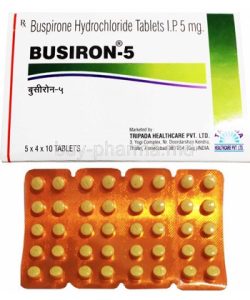
Buspirone
from
Lithicarb
from
Compazine
from
Clopine
from
Buspar
from
Largactil
from
Anafranil
from
Stalevo
from
Strattera
from
Lithium
fromUnderstanding Depression
Depression is one of the most common mental health conditions affecting Australians today. It goes beyond simply feeling sad and can significantly impact daily functioning, work performance, and relationships. Depression involves persistent feelings of hopelessness, worthlessness, and loss of interest in activities that once brought joy.
Types of Depression
Major Depressive Disorder is characterised by episodes lasting at least two weeks, whilst Persistent Depressive Disorder involves longer-term, less severe symptoms. Seasonal Affective Disorder affects many Australians during winter months when daylight decreases.
Available Medications in Australia
Selective Serotonin Reuptake Inhibitors (SSRIs) are the most commonly prescribed antidepressants, including sertraline, fluoxetine, and escitalopram. Serotonin-Noradrenaline Reuptake Inhibitors (SNRIs) like venlafaxine and duloxetine are also widely available. Tricyclic antidepressants remain options for some patients, whilst newer medications offer additional choices for treatment-resistant depression.
When to Seek Help
If you experience persistent low mood, changes in sleep patterns, or thoughts of self-harm, contact your GP immediately. Early intervention significantly improves outcomes and recovery prospects.
Anxiety Disorders
Anxiety disorders affect millions of Australians and manifest as excessive worry, panic attacks, and physical symptoms including rapid heartbeat and shortness of breath. Unlike normal nervousness, clinical anxiety interferes with work, social life, and personal wellbeing.
Common Types
Generalised Anxiety Disorder involves chronic worry about various aspects of life. Panic Disorder causes sudden, intense panic attacks. Social Anxiety Disorder centres on fear of social situations and being judged by others. Specific phobias involve irrational fear of particular objects or situations.
Treatment Medications Available
SSRIs including paroxetine and sertraline are first-line treatments for anxiety disorders in Australia. Buspirone offers an alternative for generalised anxiety. Benzodiazepines such as diazepam and alprazolam provide short-term relief but carry addiction risks with prolonged use. Many Australians find combining medication with psychotherapy produces the best results.
Lifestyle Support
Regular exercise, meditation, and breathing techniques complement medication effectively. Reducing caffeine intake and maintaining consistent sleep schedules also help manage anxiety symptoms significantly.
Bipolar Disorder Management
Bipolar Disorder involves extreme mood swings ranging from depressive lows to manic highs. These episodes last days or weeks and significantly impact functioning, relationships, and safety. The condition requires ongoing medical management and careful medication monitoring.
Recognising Symptoms
Manic episodes feature increased energy, racing thoughts, risky behaviour, and decreased need for sleep. Depressive phases mirror major depression with persistent sadness and hopelessness. Some individuals experience mixed episodes combining both states simultaneously.
Medication Options in Australia
Lithium remains the gold standard mood stabiliser, requiring regular blood tests to maintain safe levels. Anticonvulsants like valproate and lamotrigine offer effective alternatives. Atypical antipsychotics including quetiapine and olanzapine manage acute episodes. Treatment plans are individualised based on symptom patterns and personal response.
Ongoing Care Requirements
Regular psychiatric review, consistent medication adherence, and healthy sleep patterns are essential. Stress management and avoiding alcohol and recreational drugs help prevent relapse and maintain stability.
Psychotic Disorders
Psychotic disorders involve loss of contact with reality, including hallucinations, delusions, and disorganised thinking. Schizophrenia and schizoaffective disorder are common examples affecting Australians across all backgrounds. Early intervention dramatically improves long-term outcomes.
Key Symptoms
Hallucinations involve perceiving things that aren’t present, commonly auditory experiences. Delusions are fixed false beliefs resistant to evidence. Negative symptoms include reduced emotional expression, motivation, and speech. Cognitive difficulties affect concentration and memory.
Treatment Medications
Antipsychotic medications form the foundation of treatment. First-generation antipsychotics like haloperidol remain available but carry more side effects. Second-generation antipsychotics such as risperidone, olanzapine, and aripiprazole provide better tolerability. Long-acting injectable formulations help with medication adherence for some patients.
Holistic Treatment Approach
Medication combined with psychosocial support, family education, and vocational assistance produces optimal outcomes. Australian mental health services increasingly focus on early intervention and community-based care models.
Attention Deficit Hyperactivity Disorder (ADHD)
ADHD affects children and adults, causing difficulties with attention, impulse control, and organisation. Previously considered a childhood condition, adult ADHD diagnosis has increased significantly. Proper assessment and treatment improve academic performance, work productivity, and relationships.
Identifying ADHD
Symptoms include difficulty maintaining focus, impulsivity, restlessness, and poor organisation. Adults may struggle with time management and completing tasks, whilst children show hyperactivity and difficulty following instructions. Assessment requires comprehensive evaluation from qualified professionals.
Australian Medication Options
Methylphenidate is a commonly prescribed stimulant medication improving focus and attention. Dexamphetamine offers another stimulant option. Atomoxetine provides a non-stimulant alternative for those unable to tolerate stimulant medications. All require ongoing monitoring and prescription reviews.
Supporting ADHD Management
Structured routines, clear instructions, and organisational systems complement medication. Educational support and workplace accommodations help individuals reach their potential. Behavioural strategies and coaching significantly enhance treatment outcomes.
Obsessive-Compulsive Disorder and Other Conditions
OCD involves intrusive, unwanted thoughts triggering compulsive behaviours aimed at reducing anxiety. Other important mental health conditions include Post-Traumatic Stress Disorder following trauma exposure and adjustment disorders following life changes.
Understanding OCD
Obsessions might involve contamination fears, harming others, or need for symmetry. Compulsions include repetitive checking, cleaning, or counting. The cycle significantly impacts daily functioning and causes substantial distress.
Treatment Approaches
SSRIs at higher doses than depression treatment are standard first-line medications, including fluoxetine, sertraline, and paroxetine. Specialised psychological therapy called Cognitive Behavioural Therapy with Exposure and Response Prevention shows excellent effectiveness. Combining both approaches produces superior outcomes.
Other Mental Health Conditions
PTSD following trauma responds well to trauma-focused therapy and medications like sertraline. Adjustment disorders following major life changes benefit from counselling and support. Sleep disorders, substance use disorders, and eating disorders require specialised assessment and treatment planning.
Accessing Australian Mental Health Services
Your GP provides initial assessment and referrals to specialists. Medicare-funded psychology sessions help many Australians access evidence-based treatment. Support services available include:
- Beyond Blue – confidential counselling and information for depression and anxiety
- Lifeline – crisis support available 24 hours, 7 days a week
- Headspace – mental health support for young people aged 12-25
- 1800RESPECT – specialised support for trauma and family violence
- SANE Australia – peer support and resources for psychosis and serious mental illness
Early recognition and professional support significantly improve mental health outcomes. Whether you’re experiencing depression, anxiety, bipolar disorder, psychotic symptoms, ADHD, OCD, or other mental health challenges, effective treatments are available in Australia. Speaking with your GP or pharmacist is the first step towards recovery and improved wellbeing. Remember that seeking help is a sign of strength, and many Australians successfully manage mental health conditions through appropriate medication, therapy, and support services.