
Sleeping Aids

Doxepin
from
Fulnite
from
Hyplon
from
Hypnite
from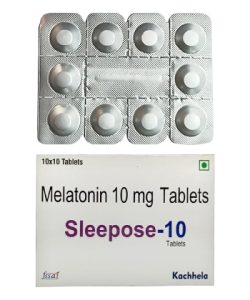
Sleepose
from
Toficalm
fromUnderstanding Sleep Problems and When to Use Sleeping Aids
Sleep difficulties affect millions of Australians and can significantly impact daily life, work performance, and overall health. Sleep problems may include insomnia, difficulty falling asleep, frequent night waking, or poor sleep quality. Common causes include stress, anxiety, irregular sleep schedules, medical conditions, or lifestyle factors.
Sleeping aids are designed to help people who struggle with sleep quality and duration. Before using any sleeping aid, it’s important to understand your specific sleep issue and whether medication is the right solution. Many sleep problems can be improved through lifestyle changes such as maintaining regular sleep schedules, reducing caffeine intake, and creating a comfortable sleep environment. However, when these measures aren’t sufficient, sleeping aids available in Australia can provide relief. Always consult with a healthcare professional or pharmacist before starting any new sleeping aid to ensure it’s appropriate for your individual circumstances.
Over-the-Counter Sleeping Aids Available in Australia
Over-the-counter sleeping aids are readily available at Australian pharmacies without a prescription. These products are designed for short-term use and contain active ingredients that promote drowsiness and help establish normal sleep patterns.
Antihistamine-Based Products
Many OTC sleeping aids contain antihistamines like diphenhydramine or doxylamine. These are commonly found in products available across Australian pharmacy shelves. Antihistamines work by causing drowsiness as a side effect, helping users fall asleep more easily. These products are generally suitable for occasional use and are often recommended for temporary sleep disruptions.
Herbal and Natural Remedies
Australian pharmacies stock various natural sleeping aids containing ingredients such as valerian root, passionflower, chamomile, and melatonin. These products appeal to those seeking gentler alternatives to pharmaceutical options. Herbal remedies have been used traditionally for centuries to promote relaxation and sleep. While some people find them effective, results can vary between individuals.
Combination Products
Some OTC sleeping aids combine multiple ingredients to enhance their effectiveness. These might include antihistamines paired with herbal extracts or other complementary substances designed to work together for improved sleep support.
Prescription Sleeping Medications in Australia
For more severe sleep disorders, prescription medications are available through Australian healthcare providers. These stronger options are reserved for cases where OTC products haven’t been effective or when sleep problems are more serious.
Benzodiazepines
This class of medication includes drugs like temazepam and nitrazepam, which are commonly prescribed in Australia for insomnia. Benzodiazepines work by enhancing the effects of a natural calming chemical in the brain. They’re typically prescribed for short-term use due to the potential for dependence with long-term use. Your doctor will carefully monitor your usage and may adjust dosage as needed.
Non-Benzodiazepine Hypnotics
Medications such as zopiclone and zolpidem fall into this category. These are newer options that work similarly to benzodiazepines but with potentially fewer side effects and lower dependence risk. They’re frequently prescribed by Australian GPs for insomnia management and are considered safer for some patients.
Melatonin Receptor Agonists
Ramelteon and similar medications work by mimicking melatonin, a natural hormone that regulates sleep-wake cycles. These are increasingly prescribed in Australia as they may have fewer side effects compared to traditional sleeping medications.
Antidepressants
Some antidepressants like amitriptyline are prescribed off-label for sleep problems, particularly when insomnia occurs alongside depression or anxiety. These medications can be effective for long-term management of chronic sleep issues.
How to Choose the Right Sleeping Aid
Selecting an appropriate sleeping aid depends on various personal factors and your specific sleep concerns. Making an informed choice ensures you get the most suitable option for your needs.
Identify Your Sleep Issue
Different sleeping aids work better for different problems. Some are ideal for helping you fall asleep quickly, while others are better for maintaining sleep throughout the night. Consider whether you struggle with initial sleep onset, middle-of-the-night waking, or early morning awakening.
Consider Your Health Status
Your overall health, existing medical conditions, and current medications all influence which sleeping aid is appropriate. Certain medications can interact with sleeping aids, and some health conditions may make certain options unsuitable. Always inform your healthcare provider about your complete medical history.
Evaluate Lifestyle Factors
Before starting any medication, examine your sleep habits and environment. Factors like bedroom temperature, light exposure, screen time before bed, and caffeine consumption can significantly affect sleep quality. Addressing these issues might reduce or eliminate your need for sleeping aids. Consider the following practical improvements:
- Maintain a consistent sleep schedule by going to bed and waking at the same time daily
- Create a dark, quiet, and cool bedroom environment
- Limit caffeine intake, particularly in the afternoon and evening
- Avoid screens at least one hour before bedtime
- Incorporate regular exercise into your daily routine
- Practice relaxation techniques such as meditation or deep breathing
Duration of Use
Determine whether you need short-term help with temporary sleep problems or long-term management of chronic insomnia. OTC products are typically suitable for occasional use, while prescription medications may be necessary for ongoing issues. Your pharmacist or doctor can advise on appropriate usage duration.
Potential Side Effects
Every sleeping aid carries potential side effects. Some may cause drowsiness the next morning, dizziness, or other effects. Understanding these possibilities helps you make an informed decision and plan accordingly.
Safe Usage and Important Precautions
Using sleeping aids safely is crucial for both effectiveness and wellbeing. Following proper guidelines ensures you gain maximum benefit whilst minimising risks.
Always use the recommended dose specified on the product label or prescribed by your doctor. Never exceed the suggested amount, as this doesn’t necessarily improve effectiveness and may increase the risk of side effects or adverse reactions. Take your sleeping aid at the appropriate time before bed, typically 30 minutes to an hour before you plan to sleep, depending on the specific product. This allows adequate time for the medication to take effect.
Combining sleeping aids with alcohol, recreational drugs, or certain medications can be dangerous. Alcohol significantly increases drowsiness and impairs safety. Always check with your pharmacist before combining any substances. Some prescription sleeping medications can lead to physical or psychological dependence with prolonged use. Your healthcare provider will monitor your usage and may recommend periodic breaks or gradual dose reduction to prevent dependency issues.
Keep track of how well the sleeping aid works for you, including any side effects experienced. This information helps your pharmacist or doctor determine if the current option is suitable or if adjustments are needed.
When to Seek Professional Advice
Knowing when to consult healthcare professionals ensures you receive appropriate guidance and support for your sleep issues. Speaking with a pharmacist or doctor before beginning any new sleeping aid is important, especially if you’re taking other medications or have existing health conditions. They can recommend the most suitable option for your circumstances and check for potential interactions.
When sleep issues continue despite using sleeping aids, or if they worsen, consult your healthcare provider. Persistent sleep problems may indicate an underlying condition like sleep apnoea that requires specific treatment rather than general sleeping aids. If you experience unusual or bothersome side effects, contact your pharmacist or doctor. Sometimes a different sleeping aid or adjusted dose resolves these issues. Never continue using a product that causes concerning symptoms without professional guidance.
If you require ongoing sleep support beyond a few weeks, professional guidance becomes increasingly important. Your doctor can help develop a comprehensive sleep management plan that may include medication, behavioural therapy, and lifestyle modifications for optimal results. Your local Australian pharmacist remains an invaluable resource for advice on selecting, using, and managing sleeping aids safely and effectively.