
Stop Smoking

Varenicline
from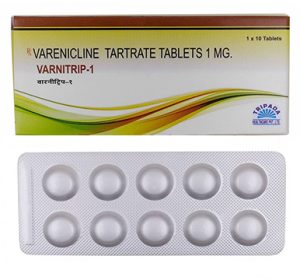
Varenapix
from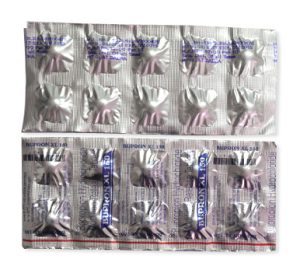
Wellbutrin
from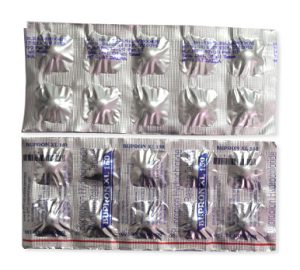
Wellbutrin Sr
fromUnderstanding Nicotine Addiction
Nicotine is one of the most addictive substances known to mankind. When you smoke, nicotine reaches your brain within seconds, creating a powerful chemical dependency. The addiction involves both physical and psychological components that make quitting challenging but not impossible.
Your body quickly becomes accustomed to regular nicotine doses, leading to withdrawal symptoms when you try to quit. These symptoms include irritability, anxiety, difficulty concentrating, increased appetite, and intense cravings. Understanding that nicotine addiction is a genuine medical condition—not a personal weakness—is the first step towards successful cessation.
Millions of Australians have successfully quit smoking using proven methods and medications. With the right support, determination, and tools, you can join them in living a healthier, smoke-free life.
Nicotine Replacement Therapy Options
Nicotine Replacement Therapy (NRT) helps manage withdrawal symptoms by providing controlled doses of nicotine without the harmful chemicals found in cigarettes. NRT approximately doubles your chances of quitting successfully.
Available NRT Products in Australia
- Nicotine Patches – Deliver a steady dose of nicotine throughout the day and are available in various strengths. They’re simple to use—just apply a new patch each morning to clean, dry skin. Common brands include Nicoderm and Habitrol.
- Nicotine Gum – Comes in different strengths and flavours, allowing you to control your nicotine intake throughout the day. You chew the gum slowly until you feel a tingle, then park it between your cheek and gum. Popular options include Nicorette and Habitrol gum.
- Nicotine Lozenges – Dissolve slowly in your mouth and provide steady nicotine absorption. They’re discreet and portable, making them convenient for work or social situations.
- Nicotine Nasal Spray and Oral Inhalator – Also available in Australia for those who prefer alternative delivery methods. The inhalator mimics the hand-to-mouth action of smoking, which can be psychologically helpful.
Prescription Medications for Smoking Cessation
Beyond nicotine replacement, prescription medications have proven highly effective for quitting smoking. These work differently than NRT and can be used alongside or instead of nicotine products.
Varenicline (Champix)
Varenicline is a prescription medication that reduces cravings and blocks the pleasure from nicotine. It works by partially activating nicotine receptors in your brain, reducing withdrawal symptoms whilst preventing the rewarding effects of smoking. Varenicline is widely available in Australia and has shown excellent success rates. A typical course lasts 12 weeks, though some people benefit from extended treatment.
Bupropion (Zyban)
Bupropion is an antidepressant medication that reduces cravings and withdrawal symptoms. It’s particularly helpful if you suffer from depression or anxiety alongside nicotine addiction. Bupropion requires a prescription and typically involves an 8-week course of treatment.
Nortriptyline
Nortriptyline is another antidepressant option that can help manage cravings and withdrawal. Whilst less commonly prescribed than varenicline or bupropion, it remains available through Australian pharmacies with a doctor’s prescription.
Your doctor or pharmacist can help determine which medication is most suitable for your individual circumstances, medical history, and smoking habits.
Combination Therapy Approaches
Research shows that combining different cessation methods significantly increases success rates. Many smokers benefit from using multiple strategies simultaneously.
The most common combination involves using a long-acting nicotine patch as your base therapy, supplemented with short-acting NRT like gum or lozenges for breakthrough cravings. This approach provides steady nicotine levels whilst giving you flexibility to manage unexpected urges.
Combining prescription medications with nicotine replacement can also be highly effective. For example, varenicline can be used alongside nicotine patches or gum. Your healthcare provider can advise on safe combinations and appropriate dosing.
Behavioural support works excellently alongside any medication. Combining pharmaceuticals with counselling, support groups, or quitline services addresses both the physical addiction and the habitual, psychological aspects of smoking. Many Australian smokers find that pharmacy-based cessation programmes, which combine products with professional guidance, offer comprehensive support.
Timing your medication and NRT correctly is important. Your pharmacist can explain the proper sequence and usage to maximise effectiveness whilst minimising side effects.
Behavioural Support and Lifestyle Strategies
Successfully quitting smoking involves more than just medication. Developing new habits and coping strategies addresses the psychological aspects of addiction that pharmaceuticals alone cannot solve.
Identify your smoking triggers—whether they’re stress, social situations, coffee breaks, or specific emotions. Once identified, develop alternative behaviours. If you smoke when stressed, try deep breathing exercises, physical activity, or meditation instead. If social situations trigger smoking, plan strategies beforehand or gradually introduce yourself to smoke-free social environments.
Australia’s Quitline service (1800 778 778) provides free, confidential counselling from trained advisors. They offer personalised advice, support strategies, and can coordinate with your pharmacy or doctor. Many Australians find that regular quitline calls significantly boost their chances of success.
Increase physical activity, as exercise reduces cravings, manages stress, and prevents weight gain—a common concern when quitting. Even short walks provide immediate relief from urges.
Stay hydrated and maintain a healthy diet. Avoid excessive caffeine and alcohol initially, as these often trigger smoking urges. Many successful ex-smokers found that changing their routine—different breakfast spots, new commuting routes, fresh daily activities—helped break automatic smoking associations.
Tell friends, family, and colleagues about your quit date. Their encouragement and support make an enormous difference, and they’ll likely modify their behaviour around you to support your efforts.
Managing Withdrawal and Staying Smoke-Free
Withdrawal symptoms peak within the first week but typically decrease significantly after two to four weeks. Understanding that these symptoms are temporary and a sign that your body is healing helps you persevere through challenging moments.
Common withdrawal symptoms include irritability (usually lasting a few weeks), difficulty concentrating (improves within a few days), increased appetite (manage with water, healthy snacks, or sugar-free gum), and intense cravings (typically last only 3-5 minutes).
Keep your cessation products easily accessible during the first weeks. Never underestimate the power of having your nicotine gum, patches, or other aids immediately available when cravings strike.
Celebrate milestones—one day, one week, one month smoke-free. Each represents real progress and personal strength. Calculate money saved from not buying cigarettes and consider treating yourself to something meaningful.
Long-term success requires ongoing vigilance. Even after months or years, occasional cravings may occur. This is normal and doesn’t mean you’ve failed. Most ex-smokers report that cravings become less intense and less frequent over time.
Many Australian pharmacies offer follow-up support programmes. Utilise these resources throughout your first month especially. Having professional support available significantly increases your likelihood of remaining smoke-free long-term.
If you slip and smoke a cigarette, immediately get back on track. One cigarette doesn’t mean failure—it’s a minor setback in your larger success story. Most successful ex-smokers made multiple attempts before achieving permanent cessation.