Ivermectin
In brief
- In our pharmacy, ivermectin may be available without a prescription, with delivery in 9–21 days throughout Australia. Discreet and anonymous packaging. Availability can vary by product type and local regulations.
- Ivermectin is used to treat parasitic infections such as strongyloidiasis, onchocerciasis, and scabies, and some topical forms are used for rosacea and lice. It works by binding to parasite nerve and muscle channels, causing paralysis and death of the parasite.
- The usual dose depends on the condition: for adults, oral ivermectin is commonly 150–200 micrograms/kg as a single dose, sometimes repeated after 7–14 days or 6–12 months depending on the infection; topical cream is usually applied once daily, and lotion for lice is typically used once and may be repeated after 7 days if needed.
- The form of administration is oral tablets, topical cream, or topical lotion; veterinary forms also exist as injectable, pour-on, and premix preparations.
- The effect of oral ivermectin usually begins within a few hours, while topical forms may start working over several hours to days as symptoms improve.
- The duration of action is generally several days after a single oral dose, though treatment may need repeating depending on the infection; topical rosacea treatment may be used for up to 12 weeks.
- Alcohol is not specifically contraindicated, but it is best to avoid or limit alcohol because it may worsen dizziness, drowsiness, or stomach upset.
- The most common side effects are nausea, diarrhoea, abdominal pain, dizziness, headache, sleepiness, itching, and rash.
- Would you like to try ivermectin without a prescription?
Critical Safety Warnings For Australian Patients
Thinking about ivermectin for scabies, a parasite diagnosis, or a cream you saw online?
There are a few safety points that need to be clear from the start.
- Human ivermectin is prescription-only in Australia for most uses.
- Never use veterinary ivermectin products in people.
- Unregulated online products may be counterfeit, mislabelled, or the wrong strength.
- Pregnancy, breastfeeding, children under 15 kg or under 5 years, older adults, liver disease, and severe illness all need extra caution.
- Dizziness, confusion, and other neurological effects are more likely in higher-risk patients.
- If you feel drowsy or dizzy, be careful with driving, machinery, and workplace hazards.
- Australian workplace safety expectations still apply even when a medicine was taken “just once”.
Can I drive after taking it in Australia?
The short answer is: only if you feel fully alert and not dizzy or sleepy.
If symptoms occur, avoid driving and seek advice.
Stop and seek help if you notice:
- Fainting or near-fainting.
- Confusion or unusual behaviour.
- Severe unsteadiness or trouble walking.
- Breathing problems.
- A severe rash, swelling, or worsening symptoms after dosing.
Basic Ivermectin Information
- INN (International Nonproprietary Name): Ivermectin
- Brand names available in Australia: Stromectol, Soolantra, and some local generics, depending on the product and indication.
- ATC Code: P02CF01
- Forms And Dosages: Tablet 3 mg, 6 mg, 12 mg; cream 1%; lotion 0.5%.
- Manufacturers in Australia: Availability varies by pharmacy and supplier.
- Registration status in Australia: Human use is prescription-only for most indications.
- OTC / Rx classification: Human oral ivermectin is Rx; some topical forms overseas may be OTC.
What Ivermectin Is And How It Is Classified
Ever been told you need ivermectin and wondered if it is a worm treatment, a skin medicine, or something else entirely?
Ivermectin is the International Nonproprietary Name, or INN, for a macrocyclic lactone antiparasitic medicine.
Its ATC code is P02CF01, which places it in antiparasitic products and anthelmintics.
People may know it by brand names such as Stromectol, Soolantra, Sklice, Mectizan, and the veterinary product Ivomec.
The human products are used for medical treatment, while Ivomec is a veterinary brand and should not be used in people.
In Australia, brand availability can vary by pharmacy and by the reason it is being prescribed.
Access is usually through a GP, specialist, or telehealth prescriber, with the pharmacist helping to confirm the correct product and strength.
- INN
- Ivermectin
- ATC code
- P02CF01
- Common human brands
- Stromectol, Soolantra, Sklice, Mectizan
- Veterinary brand
- Ivomec
Approved Uses In Australia And When It May Be Prescribed
What is ivermectin actually for, and when does a doctor choose it?
In Australian practice, it is used for parasitic infections and for topical dermatology uses where registered.
That includes common clinical situations such as ivermectin for scabies, ivermectin for parasitic infections, and topical Soolantra cream for rosacea where available.
The exact indication matters, because the dose, duration, and even the formulation are not the same for every patient.
Some uses may be off-label, but that should only happen when a clinician has reviewed the evidence and decided it is appropriate.
Not every use is subsidised under the PBS, so cost can differ depending on the indication and the script type.
| Use Type | Examples | Clinical Review Needed |
|---|---|---|
| Approved use | Parasitic infections; topical dermatology uses where registered | Yes, but usually straightforward |
| Off-label use | Clinician-directed use outside the registered indication | Yes, always |
| Specialist review | Complex infection, pregnancy, severe liver disease, child dosing | Strongly recommended |
How Ivermectin Works
Wondering how one medicine can help with parasites on the skin and inside the body?
Ivermectin targets parasite nerve and muscle function.
That leads to paralysis and death of susceptible parasites.
At the clinical level, it acts on glutamate-gated chloride channels in parasites, which is why it is selective for them rather than human tissue at normal therapeutic doses.
It does not treat viral or bacterial illness, so it should not be used for colds, flu, or unrelated infections.
Simple flow: parasite uptake → nerve and muscle disruption → paralysis → parasite death.
Dosage Forms And Strengths Sold Internationally And In Australia
Buying ivermectin tablets Australia wide, or looking at a cream or lotion instead?
The form matters as much as the dose.
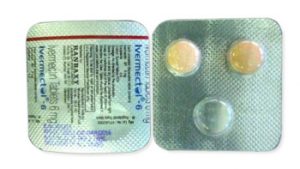
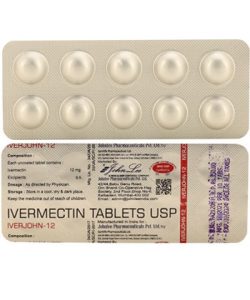
Human oral tablets are sold as 3 mg, 6 mg, and 12 mg strengths.
Human topical forms include cream 1% and lotion 0.5%.
Stromectol 3mg is the best-known tablet brand in many markets.
Veterinary products are a different category altogether and should never be substituted for human medicine.
| Formulation | Strength | Human Or Veterinary | Example Brands |
|---|---|---|---|
| Tablet | 3 mg, 6 mg, 12 mg | Human | Stromectol, Mectizan, Ivexterm, Revectina |
| Cream | 1% (10 mg/g) | Human | Soolantra |
| Lotion | 0.5% (5 mg/g) | Human | Sklice |
| Injectable solution | 1% (10 mg/ml) | Veterinary | Ivomec |
| Pour-on solution | 0.5% or 5 mg/ml | Veterinary | Ivomec |
| Premixed animal feed | 0.04% | Veterinary | Animal products only |
Standard Dosing Guide And Regimen Basics
Need a clear dosing guide without the guesswork?
The dose depends on the diagnosis, body weight, and local protocol.
For adults, source examples include 150 mcg/kg orally once for onchocerciasis, and 200 mcg/kg orally once for strongyloidiasis and scabies.
Scabies may need a repeat dose in 7 to 14 days.
Topical regimens are different: Soolantra cream is applied as a thin layer once daily for up to 12 weeks, while Sklice lotion is applied to a dry scalp, rinsed after 10 minutes, and may be repeated after 7 days.
Children’s dosing is weight-based and not generally recommended under 15 kg or under 5 years.
If a dose is missed, take it when remembered unless the next dose is near.
Do not double up.
| Indication | Typical Dose | Repeat Interval |
|---|---|---|
| Onchocerciasis | 150 mcg/kg orally once | Every 6 to 12 months |
| Strongyloidiasis | 200 mcg/kg orally once | Sometimes up to 2 doses |
| Scabies | 200 mcg/kg orally once | Repeat in 7 to 14 days |
| Rosacea | Thin layer once daily | Up to 12 weeks |
| Lice | Apply to dry scalp, rinse after 10 minutes | May repeat after 7 days |
Dose Adjustments For Special Groups
Who needs a doctor to double-check the plan before taking ivermectin?
Several groups need extra review because the safety margin is not the same for everyone.
- Children under 15 kg or under 5 years should not usually receive oral ivermectin.
- Older adults do not usually need a routine dose change, but adverse effects need closer monitoring.
- Severe liver disease needs caution because ivermectin is metabolised in the liver.
- Kidney disease usually does not need a dose change, but evidence is limited.
- Pregnancy and breastfeeding need benefit-versus-risk review.
- Debilitated patients are more vulnerable to dizziness and neurological side effects.
Side Effects, Warning Signs, And When To Seek Urgent Help
Most people ask about side effects right after asking about the dose.
That is sensible, because even a useful medicine can cause problems.
Common side effects include nausea, diarrhoea, abdominal pain, dizziness, headache, drowsiness, itching, and rash.
These can be temporary, but they still need watching, especially if you have taken other medicines that cause sleepiness.
Serious reactions are uncommon, but they can include hypotension, neurotoxicity, severe rash, and very rare Stevens-Johnson syndrome.
If confusion, unsteadiness, fainting, or breathing problems occur, seek urgent medical assessment.
Alcohol can worsen dizziness or sedation, so it is sensible to avoid it if symptoms are present.
Do not combine ivermectin with other sedating medicines unless a pharmacist or prescriber has said it is safe.
Mild to moderate symptoms
- Nausea or diarrhoea.
- Abdominal pain.
- Dizziness or headache.
- Sleepiness.
- Itching, rash, or mild swelling.
Red flags
- Confusion or marked drowsiness.
- Fainting or low blood pressure symptoms.
- Severe skin reaction.
- Breathing problems.
- Severe unsteadiness or neurological changes.
Drug Interactions, Food, And Alcohol Considerations
Do you take other medicines, supplements, or sleep aids?
That matters, because interactions can make side effects harder to handle.
Ivermectin is often taken on an empty stomach unless the prescriber gives different instructions.
Alcohol may increase dizziness or sedation, so caution is sensible.
| Interaction Type | Possible Risk | Action |
|---|---|---|
| Sedatives or CNS depressants | More sleepiness, poor coordination | Check with a pharmacist first |
| Medicines affecting liver function | Potential for higher toxicity risk | Prescriber review needed |
| Alcohol | More dizziness or drowsiness | Avoid if symptomatic |
| OTC and complementary products | Interaction history may be unclear | Tell the pharmacist everything you take |
Australian Access: Prescriptions, Pharmacies, And Telehealth
Where do Australians actually get ivermectin from?
Usually from a pharmacy after a valid prescription, including scripts issued by a GP, specialist, or telehealth clinician.
Large pharmacy chains such as Chemist Warehouse, Priceline, and TerryWhite Chemmart may stock it depending on the branch, as can independent pharmacies.
In rural areas, supply can take longer and product selection may be narrower, so pharmacists often need to order it in.
E-scripts are commonly used after telehealth consults, which makes access simpler for patients outside the city.
Pharmacists can also confirm whether the brand and formulation match the prescription, which is especially helpful with Stromectol 3mg tablets, Soolantra cream, or Sklice lotion.
Buying from unverified overseas sellers is risky because counterfeit products are common on unregulated sites.
In our online pharmacy, ivermectin is available without a prescription, with discreet delivery to Australia in 9 to 21 days.
- Have the diagnosis and dose been confirmed?
- Is the product human, not veterinary?
- Is the formulation right for the condition?
- Is the seller verified?
- Has the pharmacist checked the directions?
Pbs Subsidy And Out-Of-Pocket Costs
Will the PBS help with the cost?
That depends on the indication, formulation, and eligibility.
Patients often ask about ivermectin PBS because the difference between a subsidised script and a private one can be significant.
Brand choice, pack size, and pharmacy pricing can also affect the final amount paid.
Topical products and off-label use may not be subsidised, even when a prescription is valid.
| Price Type | What It Means | Prescription Required |
|---|---|---|
| PBS-listed | Subsidy may apply if the indication and item are eligible | Yes |
| Private | No PBS subsidy; full or partial private cost | Yes |
| Topical private supply | Common for non-subsidised dermatology products | Usually yes |
Evidence, Clinical Guidance, And What The Data Support
What does the evidence actually support, rather than what gets said online?
The strongest support is for onchocerciasis, strongyloidiasis, scabies, lice, and topical rosacea treatment where the product is registered.
That is where the clinical data are best established.
Evidence is weaker for unproven or speculative uses, so clinicians should rely on updated local guidance and product information rather than internet claims.
When a medicine has multiple formulations, the evidence for one does not automatically transfer to another.
Evidence-supported uses
- Onchocerciasis.
- Strongyloidiasis.
- Scabies.
- Lice.
- Topical rosacea treatment.
Uses to approach cautiously
- Unproven off-label claims.
- Any use without diagnosis.
- Any self-treatment based on online advice alone.
Alternatives And When They May Be Preferred
Not every parasite or skin problem needs ivermectin.
Sometimes another option is better because of age, weight, tolerability, or diagnosis.
Alternatives include albendazole, mebendazole, praziquantel, permethrin, and moxidectin.
Permethrin is commonly discussed for scabies and lice, while albendazole, mebendazole, and praziquantel are used for different worm and cestode infections.
Practical choices in Australia often come down to the diagnosis, PBS status, tolerability, and whether the patient is a child or a pregnant person.
Convenience matters too, because a single-dose tablet can be easier than a longer topical routine for some households.
| Medicine | Typical Use | Key Point |
|---|---|---|
| Albendazole | Helminthic infections | Different parasite targets |
| Mebendazole | Helminthic infections | Often used for worms |
| Praziquantel | Schistosomiasis, cestodes | Specialist-directed in many cases |
| Permethrin | Lice, scabies | Topical and commonly discussed |
| Moxidectin | Onchocerciasis, strongyloidiasis | Newer alternative in some settings |
Pros and cons to weigh up
- Single or repeated dosing.
- Side effect profile.
- Formulation convenience.
- Age and weight restrictions.
- PBS or private cost.
Storage, Handling, And Safe Disposal In Australian Households
Where should you keep ivermectin at home?
Human tablets and creams should be stored at room temperature, away from light and moisture.
Australian heat and humidity can be rough on medicines, so do not leave them in the car.
Keep all packs out of reach of children and pets.
Expired or unwanted medicines should be returned to a pharmacy for disposal where a medicine return program is available.
- Store at room temperature.
- Avoid direct sunlight.
- Keep away from bathrooms and cars.
- Use the original pack until needed.
- Return unwanted medicines to a pharmacy.
How Pharmacists And Prescribers Should Counsel Patients
What should a good counselling conversation cover?
First, confirm the indication, weight, age, pregnancy status, liver issues, and allergy history.
Next, check the patient has the correct human product and the right dose.
That matters even more when the product name sounds familiar, because Stromectol, Soolantra, and Sklice are not interchangeable.
Adherence and follow-up need to be explained clearly, especially when repeat treatment is required after 7 to 14 days or at a later interval.
If symptoms persist after treatment, reassessment is needed rather than repeating doses without review.
Plain English works best, with red flags highlighted and space for questions about PBS or cost.
Counselling checklist
- Confirm the diagnosis and intended use.
- Check weight, age, pregnancy, and breastfeeding status.
- Screen for liver disease and medicine allergies.
- Make sure it is a human product.
- Explain how and when to repeat the dose, if needed.
- Give clear red-flag advice.
Patient instruction box
Take only as prescribed.
Do not use veterinary products.
Seek help if dizziness, confusion, or rash develops.
Ask the pharmacist if the label, strength, or timing is unclear.
Delivery Across Australia
| City | Region | Delivery time |
|---|---|---|
| Sydney | New South Wales | 9-14 days |
| Melbourne | Victoria | 9-14 days |
| Brisbane | Queensland | 9-14 days |
| Perth | Western Australia | 9-14 days |
| Adelaide | South Australia | 9-14 days |
| Canberra | Australian Capital Territory | 9-14 days |
| Hobart | Tasmania | 9-14 days |
| Darwin | Northern Territory | 9-14 days |
| Gold Coast | Queensland | 9-14 days |
| Newcastle | New South Wales | 9-14 days |
| Wollongong | New South Wales | 14-21 days |
| Geelong | Victoria | 14-21 days |
| Townsville | Queensland | 14-21 days |
| Toowoomba | Queensland | 14-21 days |