Spironolactone
In brief
- In our pharmacy, you can buy spironolactone without a prescription, with delivery in 9–21 days throughout Australia. Discreet and anonymous packaging.
- Spironolactone is used for oedema (heart failure, cirrhosis, nephrotic syndrome), hypertension, primary aldosteronism, prevention/treatment of hypokalaemia and off‑label for acne and hirsutism; it is a potassium‑sparing diuretic and an aldosterone (mineralocorticoid) receptor antagonist with additional anti‑androgenic effects.
- Usual dosages vary by indication: commonly 25–100 mg daily in adults (edema often 25–200 mg/day; heart failure adjunctive 12.5–50 mg/day; hirsutism/acne 50–200 mg/day); paediatric dosing is weight‑based and specialist‑directed.
- Administered orally as tablets (commonly 25 mg, 50 mg, 100 mg); oral suspensions are less common and it is also available in combination tablets with thiazide diuretics (e.g. hydrochlorothiazide).
- Onset of diuretic effect is usually within 24–48 hours, with clinical effects increasing over several days.
- Duration of action is prolonged by active metabolites; clinical effects typically last about 48–72 hours after a dose.
- Avoid excessive alcohol — alcohol can worsen dizziness, low blood pressure and dehydration and may increase the risk of side effects when taking spironolactone.
- The most common side effect is gastrointestinal upset (nausea, vomiting, diarrhoea); important adverse effects to monitor include hyperkalaemia, menstrual changes, gynaecomastia in men and other electrolyte disturbances.
- Would you like to try spironolactone without a prescription?
Critical Warnings & Restrictions
Basic Spironolactone Information
- INN (International Nonproprietary Name): Spironolactone is the globally recognised generic name.
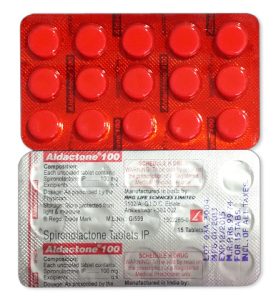
- Brand Names Available In Australia: Aldactone is listed for Australia and is commonly supplied as tablets in 25 mg, 50 mg and 100 mg strengths, usually in blister packs or bottles.
- ATC Code: C03DA01 (potassium‑sparing agent, aldosterone antagonist).
- Forms & Dosages: Tablets commonly 25 mg, 50 mg and 100 mg; oral suspension is less common and may be compounded by pharmacies; combo tablets with hydrochlorothiazide exist internationally.
- Manufacturers In Australia: Pfizer is listed as a major manufacturer with distribution in Australia; other regional manufacturers supply internationally.
- Registration Status In Australia: TGA registered as a prescription medicine.
- OTC / Rx Classification: Prescription only (“Rx”) in nearly all jurisdictions and dispensed with a doctor’s authorisation.
Are you worried about who should not take spironolactone and what checks are needed?
- Checklist — Absolute Contraindications: Acute renal insufficiency, anuria, Addison’s disease, known hypersensitivity to spironolactone or excipients, and existing hyperkalaemia are absolute contraindications.
- Checklist — Pregnancy & Breastfeeding: Pregnancy and lactation are relative contraindications; discuss risks and benefits and consider alternative therapy for women of childbearing potential.
- Checklist — Elderly & Renal Impairment: Elderly patients and people with CrCl <30 mL/min need lower starting doses and close monitoring for hyperkalaemia and hypotension.
- Monitoring Recommendation: Obtain baseline serum potassium and renal function, repeat tests within 3–7 days of initiation or dose change, then periodically based on clinical status.
Does spironolactone affect driving or workplace safety under Australian law?
Drowsiness and dizziness can occur with spironolactone, so avoid driving or operating heavy machinery until you know how it affects you.
Workers in safety‑sensitive roles should disclose medication to occupational health where required and follow employer guidance.
Q&A — Can I Drive After Taking It In Australia?
Short answer: usually yes, but avoid driving if you feel dizzy or drowsy.
Seek advice from your GP or pharmacist if uncertain about fitness for work or driving.
Usage Basics
Wondering what names spironolactone is sold under in Australia?
| Brand | Strength | Packaging |
|---|---|---|
| Aldactone | 25 mg, 50 mg, 100 mg | Tablets, usually blister packs or bottles |
How is spironolactone classified legally in Australia?
- TGA Approval: Spironolactone is TGA‑approved as a prescription medicine.
- Prescription Status: Prescription only; not an over‑the‑counter product.
- PBS Listing: Some indications may be PBS‑subsidised and PBS rules vary by indication and patient group; check the current PBS Schedule for authority requirements.
- Dispensing Points: Dispensed via community pharmacies including major chains such as Chemist Warehouse, Priceline and TerryWhite Chemmart.
Dosing Guide
Want to know typical doses for common conditions?
| Indication | Typical Adult Dose | Comments |
|---|---|---|
| Oedema (CHF, cirrhosis, nephrotic) | 25–200 mg/day (commonly around 100 mg/day) | Adjust to response; monitor electrolytes. |
| Hypertension | 25–100 mg/day | Used as an adjunct in resistant cases. |
| Heart Failure (adjunct) | 12.5–50 mg/day | Low doses reduce morbidity in selected patients. |
| Acne / Hirsutism (off‑label) | 50–200 mg/day | Expect at least 3–6 months for cosmetic effect. |
How should dosing change with other health issues?
- Start low in elderly patients and titrate carefully while monitoring potassium and renal function.
- Avoid or use extreme caution in CrCl <30 mL/min due to hyperkalaemia risk.
- Use caution in hepatic impairment and monitor electrolytes closely.
- Children require specialist dosing, typically around 1–3 mg/kg/day with close monitoring.
Q&A — What If I Miss A Dose?
Take the missed dose as soon as you remember unless it is close to the next dose.
Do not double the next dose to catch up.
- Monitoring Checklist: Baseline K+ and creatinine prior to start.
- Early Follow Up: Serum potassium and renal function within 3–7 days of starting or changing dose.
- Ongoing Monitoring: Periodic checks thereafter based on comorbidities and other medicines.
Interaction Chart
Worried about food or drink interactions with spironolactone?
Alcohol may increase drowsiness and the risk of orthostatic hypotension, so advise moderation.
High‑potassium diets and salt substitutes increase the risk of hyperkalaemia, particularly when taken with spironolactone tablets.
Which medicines commonly interact with spironolactone?
| Interacting Agent | Effect | Management |
|---|---|---|
| ACE Inhibitors / ARBs | Increased risk of hyperkalaemia | Measure K+ and renal function frequently; avoid combination if high risk. |
| Potassium Supplements / Salt Substitutes | Marked hyperkalaemia risk | Do not combine without close monitoring. |
| Amiloride / Triamterene | Additive potassium‑sparing effect | Avoid or monitor closely. |
| NSAIDs | Reduced renal perfusion and possible hyperkalaemia | Use caution; monitor renal function. |
| Lithium | Increased lithium levels and toxicity risk | Frequent lithium monitoring and liaison with prescriber. |
- Eplerenone is an alternative aldosterone antagonist with fewer hormonal effects and may be considered when anti‑androgen side effects are problematic.
- When starting or stopping interacting medicines, check potassium and renal function within a few days.
User Reports & Trends
What are Australian patients saying about spironolactone in pharmacy consultations and reviews?
- Many patients report effective diuresis for fluid overload conditions such as heart failure and cirrhosis.
- Women using spironolactone for acne report improvement after several months, commonly around 3–6 months.
- Men sometimes report endocrine adverse effects including breast tenderness and gynecomastia.
- Common adverse effects cited include fatigue, gastrointestinal upset and menstrual irregularities.
- Price sensitivity influences adherence, with patients often checking PBS eligibility or shopping discount chains for cheaper generics.
- Rural patients note telehealth and pharmacist counselling improve access, while others report intermittent shortages or confusion with generic substitutions.
| Pros | Cons |
|---|---|
| Effective for oedema and some dermatological uses. | Risk of hyperkalaemia and hormonal side effects. |
| Low cost as a generic (Aldactone generics available). | Requires regular monitoring and blood tests. |
Sources for patient feedback include ProductReview and Healthdirect, which are commonly consulted by Australian consumers for user reviews and practical guidance.
Access & Purchase Options
Where can Australians buy spironolactone?
- Available at major national chains such as Chemist Warehouse, Priceline and TerryWhite Chemmart, and at independent community pharmacies.
- Ask your pharmacist about generic Aldactone or supplier alternatives and typical packaging in 25 mg, 50 mg and 100 mg tablets.
Are online prescriptions accepted?
Reputable Australian online pharmacies accept e‑prescriptions and telehealth consultations and will dispense spironolactone on a valid prescription.
In our online pharmacy, spironolactone is available without a prescription, with discreet delivery to Australia in 9-21 days.
- Safe Online Purchase Checklist: Valid prescription, TGA‑registered supplier, clear pharmacist contact details, check PBS eligibility.
- Rural Considerations: Community pharmacies often assist with shortages and can dispense larger supplies when clinically appropriate.
- Warning: Avoid international unregulated sellers and verify TGA import rules for personal importation.
Mechanism & Pharmacology
How does spironolactone work in plain terms?
Spironolactone is an aldosterone antagonist that blocks aldosterone receptors in the kidney’s distal nephron, reducing sodium reabsorption and conserving potassium.
The result is a modest diuretic effect while sparing potassium, which is why hyperkalaemia is the principal pharmacological risk.
- ATC Code: C03DA01 — potassium‑sparing agent, aldosterone antagonist.
- Aldosterone Antagonist: Blocks mineralocorticoid receptors to reduce fluid retention.
- Potassium‑Sparing: Reduces potassium excretion and therefore can raise serum potassium.
What about metabolites and endocrine effects?
Spironolactone is metabolised to active compounds such as canrenone, and has anti‑androgen effects that explain benefits in acne and hirsutism and endocrine side effects like gynecomastia and menstrual changes.
Indications & Off‑Label Uses
What are the approved uses of spironolactone in Australia?
| Indication | Typical Dose | PBS Status Note |
|---|---|---|
| Oedema due to heart failure, cirrhosis, nephrotic syndrome | 25–200 mg/day | Some indications may be PBS‑subsidised; check PBS Schedule. |
| Adjunct in heart failure | 12.5–50 mg/day | PBS may cover specific authority prescriptions. |
| Primary aldosteronism (diagnostic/therapy) | 100–400 mg/day | Specialist prescribing and monitoring required. |
What about off‑label uses commonly seen in practice?
- Off‑label dermatology uses include acne and hirsutism in adult women at 50–200 mg/day, with at least 3–6 months to see effect.
- Resistant hypertension may be treated with low‑dose mineralocorticoid receptor antagonists as adjunct therapy.
- Off‑label use requires informed consent, contraception counselling for women of childbearing potential, and appropriate monitoring including ECG or renal tests if indicated.
Key Clinical Findings
What does the evidence say about spironolactone’s benefits?
- In heart failure, spironolactone reduces morbidity and mortality when used in selected patient groups as an adjunctive therapy.
- Spironolactone is effective for fluid overload in cirrhosis and nephrotic syndrome when used with monitoring.
- Dermatology studies show benefit for hormonally mediated acne and hirsutism in adult women, though endocrine monitoring is important.
- Low‑dose mineralocorticoid receptor antagonists often lower blood pressure in resistant hypertension cohorts.
Where to find up‑to‑date Australian guidance?
- Consult the TGA for registration details and product information.
- Check the PBS Schedule for subsidy and authority requirements.
- Refer to RACGP guidance and cardiology or dermatology society guidelines for condition‑specific practice.
- Ask a pharmacist for help interpreting local clinical advice and monitoring needs.
Alternatives Matrix
Looking for an alternative when spironolactone isn’t suitable?
| Drug | Class | Pros | Cons | PBS Remarks |
|---|---|---|---|---|
| Eplerenone | Aldosterone antagonist | Fewer anti‑androgen hormonal effects | Generally higher cost than spironolactone | May be PBS‑listed for specific indications; check current schedule. |
| Amiloride | Potassium‑sparing diuretic | Less hormonal side effects | Less potent for aldosterone‑mediated conditions | Used as alternative in some combinations; PBS status varies. |
| Triamterene | Potassium‑sparing diuretic | Can be used in combos with thiazides | Risk of hyperkalaemia, renal considerations | Combination products available; PBS status varies. |
| Thiazide Diuretics | Thiazide class | Effective for hypertension | Not potassium‑sparing; can cause hyponatraemia | Commonly PBS‑listed for hypertension. |
- Pros Checklist: Spironolactone is inexpensive as a generic and has broad clinical utility.
- Cons Checklist: Hyperkalaemia risk, endocrine side effects, and monitoring burden are important downsides.
Common Questions (Pharmacy FAQs)
- Q: Can I take spironolactone with my ACE inhibitor?
- A: Possible but increases hyperkalaemia risk — measure potassium and renal function closely and follow GP advice.
- Q: Is spironolactone safe in pregnancy?
- A: Generally avoid in pregnancy unless advised by a specialist; discuss alternatives with your GP.
- Q: How long until acne improves?
- A: Typically 3–6 months for noticeable improvement; contraception counselling is important for women of childbearing potential.
- Q: What tests will my GP order?
- A: Baseline serum potassium and creatinine, early follow up within 3–7 days, then periodic monitoring as clinically indicated.
Price & Access Comparison Table
| Source | Likely Price Range | PBS Status | Notes |
|---|---|---|---|
| Community Pharmacy | $10–$40 (generic prices vary) | Depends on indication and concession status | Ask pharmacist about generic Aldactone and pack sizes. |
| Major Discount Chains (Chemist Warehouse) | $8–$30 | May be subsidised under PBS where applicable | Price promotions and generics commonly available. |
| Online Australian Pharmacies | $8–$40 plus delivery | Same PBS rules apply; e‑prescriptions accepted | Only reputable TGA‑registered sites should be used. |
| Private Prescription via Telehealth | $15–$60 plus dispensing fees | PBS may apply depending on authority and prescribing | Convenient for rural patients, check supply and repeat prescriptions. |
- Check PBS eligibility and concession status before purchase to reduce out‑of‑pocket costs.
- Ask your pharmacist about generic Aldactone 25/50/100 mg to confirm savings and interchangeability.
- Verify supply, dispensing intervals and whether a medication substitution has occurred.
Registration & Regulation
Is spironolactone regulated in Australia?
- Spironolactone is TGA‑registered as a prescription medicine and is supplied in strengths commonly 25 mg, 50 mg and 100 mg in blister packs or bottles.
- Importation of unregistered or overseas products is restricted under TGA rules, so patients should use TGA‑approved suppliers.
- PBS Subsidy Details: PBS subsidy varies by indication, formulation and patient concession status; clinicians should check the current PBS Schedule for authority prescriptions.
- Pharmacist Role: Pharmacists can advise on substitution, concessional pricing and whether a particular prescription meets PBS criteria.
- Definitions: TGA — Therapeutic Goods Administration, regulator of medicines in Australia.
- Definitions: PBS — Pharmaceutical Benefits Scheme, which provides subsidised prescription medicines to eligible Australians.
Storage & Handling
How should spironolactone be stored at home in Australian climates?
- Store at 20–25°C and protect from light and moisture.
- Avoid storing tablets in bathrooms or other humid areas in Australian homes.
- Keep tablets in their original packaging and out of reach of children.
- Do not freeze or expose to excessive heat such as a parked car glovebox in summer.
What should pharmacies do for transport and storage?
| Storage Temp | Transport Notes |
|---|---|
| 20–25°C | Standard cool, dry conditions; avoid freezing and excess heat. |
- Pharmacy Checklist: No cold chain required; maintain batch records and shelf‑life checks and counsel patients on safe storage.
Guidelines For Proper Use
What should pharmacists tell patients at dispensing?
- Confirm the indication, dose and timing and explain that spironolactone is a potassium‑sparing diuretic.
- Warn about dizziness and drowsiness and advise caution with driving and alcohol.
- Advise baseline and monitoring schedule for serum potassium and renal function and explain why tests are important.
- Advise avoiding potassium supplements and salt substitutes unless supervised by a clinician.
- Discuss contraception and pregnancy risks for women of childbearing potential.
- Explain common side effects such as GI upset, breast changes, menstrual changes and possible sexual side effects in men.
Patient actions recommended by PBS and health authorities:
- Keep follow‑up appointments and present a current medicines list including OTC potassium and NSAIDs.
- Ask the pharmacist about generic options such as Aldactone generics and enquire about PBS subsidy eligibility.
- Report symptoms like muscle weakness, palpitations or lightheadedness immediately.
Suggested Patient Handout Template:
- Medicine: Spironolactone (Aldactone).
- Dose: As prescribed.
- Important: Get baseline bloods, repeat within 3–7 days, then as advised.
- Warnings: Avoid potassium supplements and check with pharmacist before taking new medicines.
- Contact: Your GP or pharmacist for concerns.
Delivery Across Australia
| City | Region | Delivery time |
|---|---|---|
| Sydney | New South Wales | 9-14 days |
| Melbourne | Victoria | 9-14 days |
| Brisbane | Queensland | 9-14 days |
| Perth | Western Australia | 9-14 days |
| Adelaide | South Australia | 9-14 days |
| Canberra | Australian Capital Territory | 9-14 days |
| Hobart | Tasmania | 9-14 days |
| Darwin | Northern Territory | 14-21 days |
| Gold Coast | Queensland | 9-14 days |
| Newcastle | New South Wales | 9-14 days |
| Wollongong | New South Wales | 9-14 days |
| Sunshine Coast | Queensland | 14-21 days |
| Geelong | Victoria | 14-21 days |
| Townsville | Queensland | 14-21 days |
| Cairns | Queensland | 14-21 days |